







CVBS to IP converter, Smallest AV input Encoder board to ethernet output, composite video audio, or camera to IP transform
Table of Contents
Encoder Modules Boards
Decoder Modules Boards
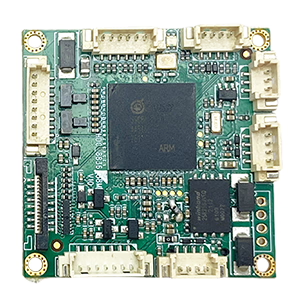
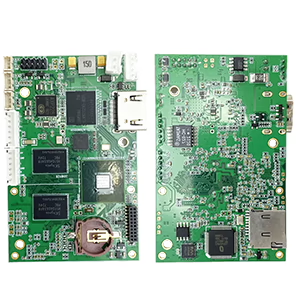
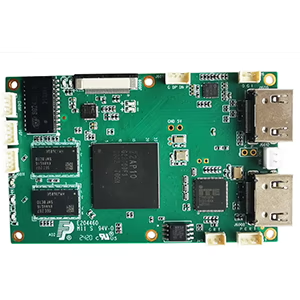
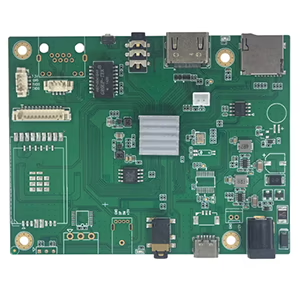
Available for Customization
Recommended alternative models
Function
CVBS to IP converter AV encoding board function:
Analog audio and video input, H264 encoding, and output through the network port IP ethernet.
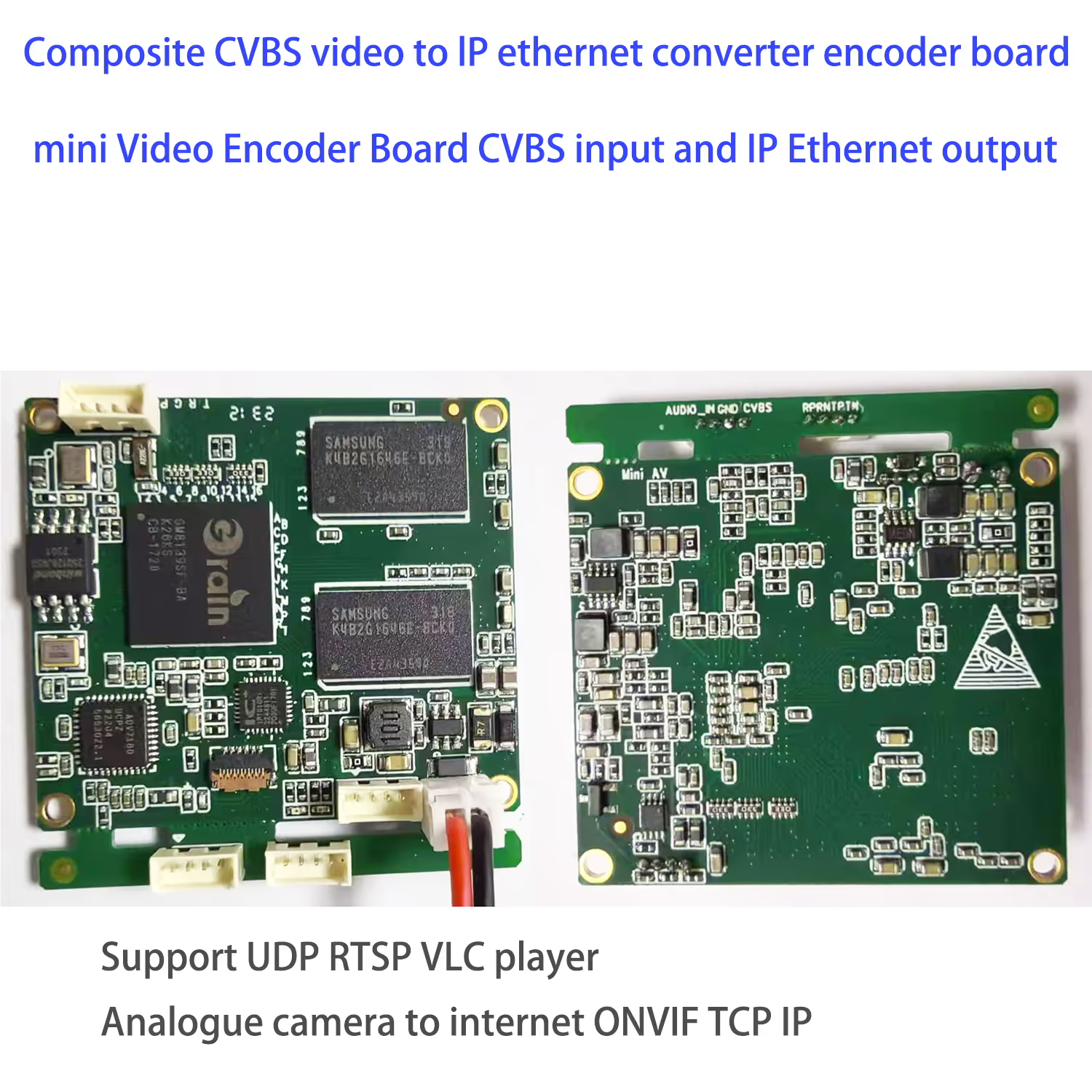
Composite CVBS video to IP ethernet converter encoder board
mini Video Encoder Board CVBS input and IP Ethernet output
Support UDP RTSP player VLC
Analogue camera to internet ONVIF TCP IP
The default IP address of the device is 192.168.1.30 Enter this IP address in the browser to open the webpage management page.
Interface
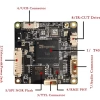
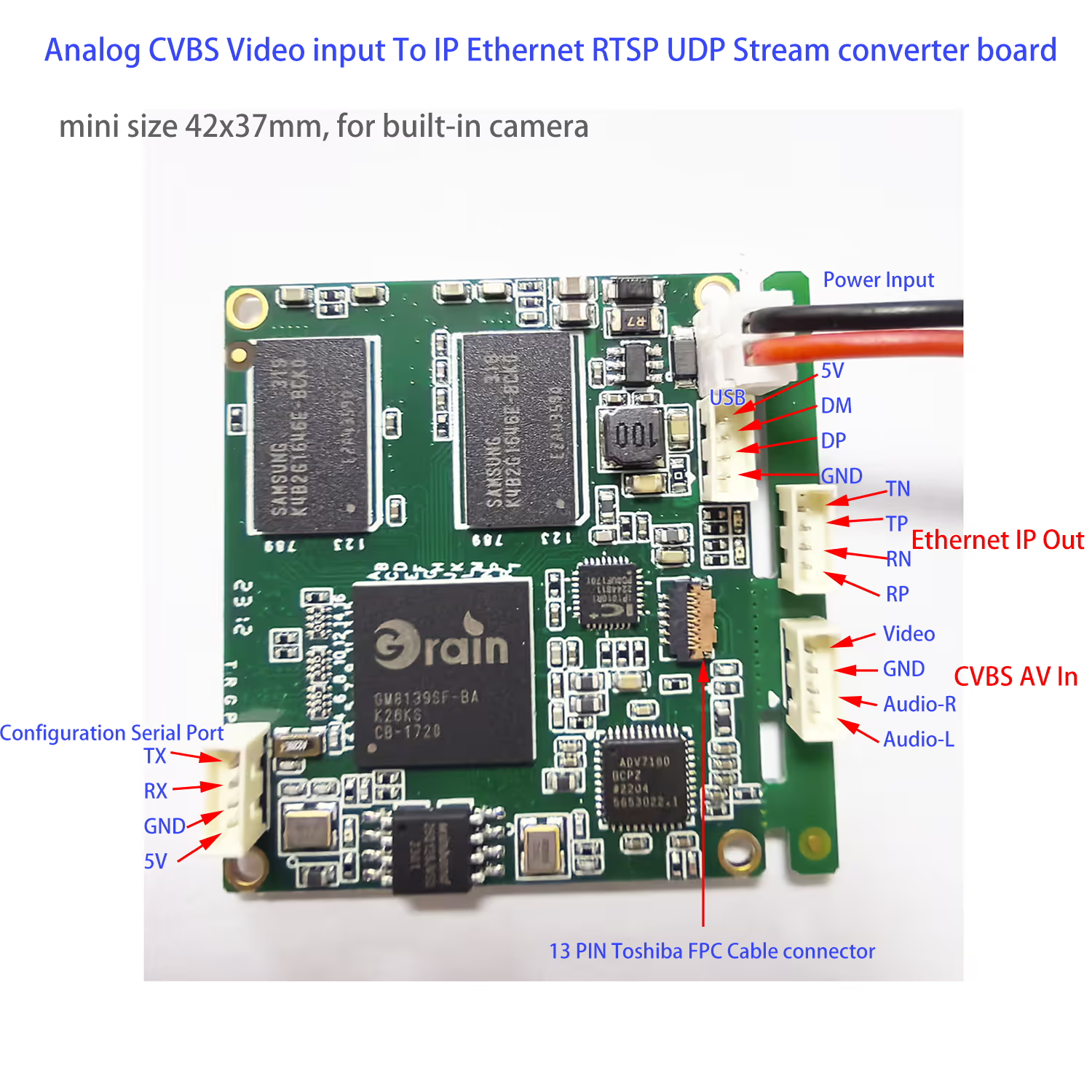
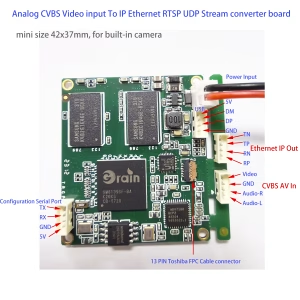
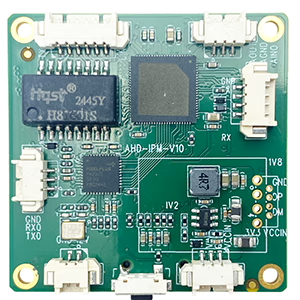
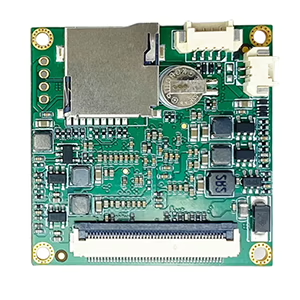
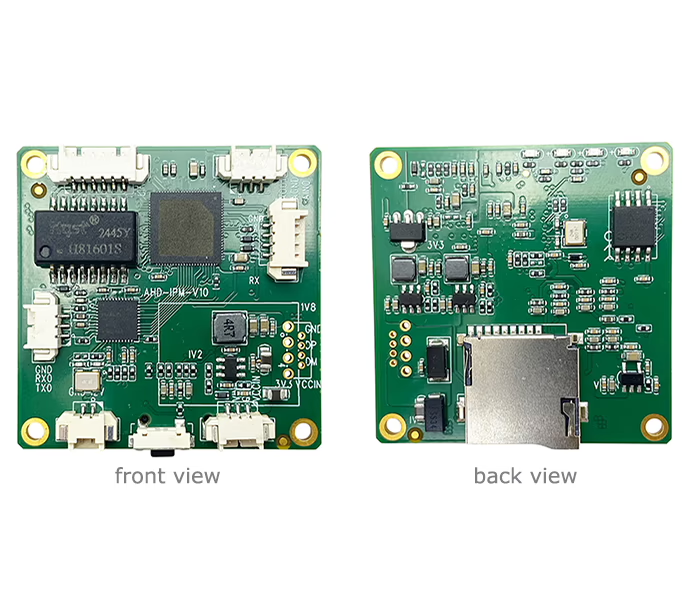
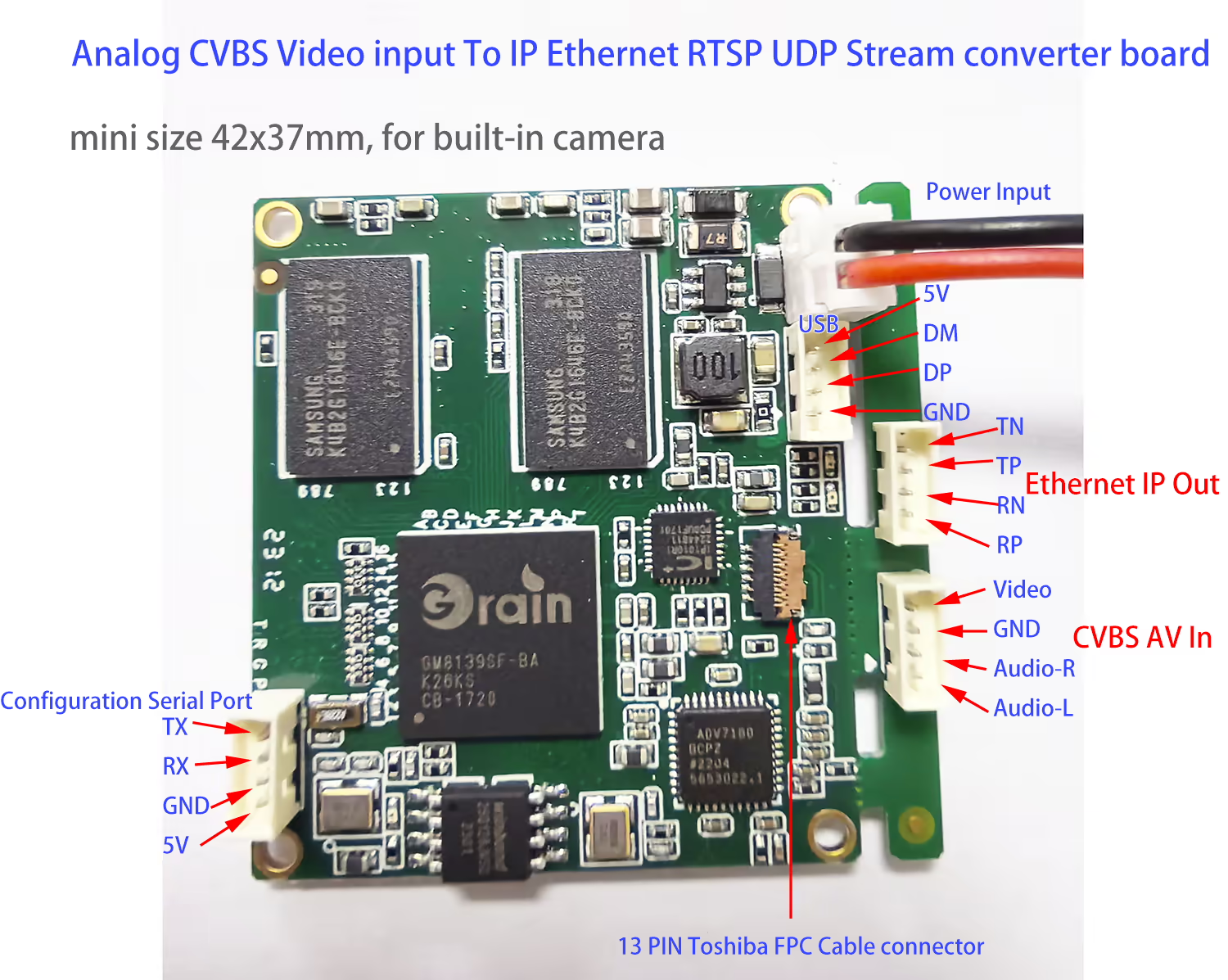
CVBS to IP converter Refer to the figure above for the encoding module interface and interface signals. The interface description is as follows:
- Analog audio and video input interface: support analog video input, and audio input(Line in Way)。
- Input signal interface(4 Pin 1.25mm spacer: CVBS Video, GND, Audio-L, Audio-R) and 13 PIN Toshiba FPC Cable socket multiplexing;
- Network port: 4PIN 1.25mm spacing base, the base signal, and the13 PIN Toshiba FPC Cable Socket multiplexing;
- Software protocol: UDP way output.
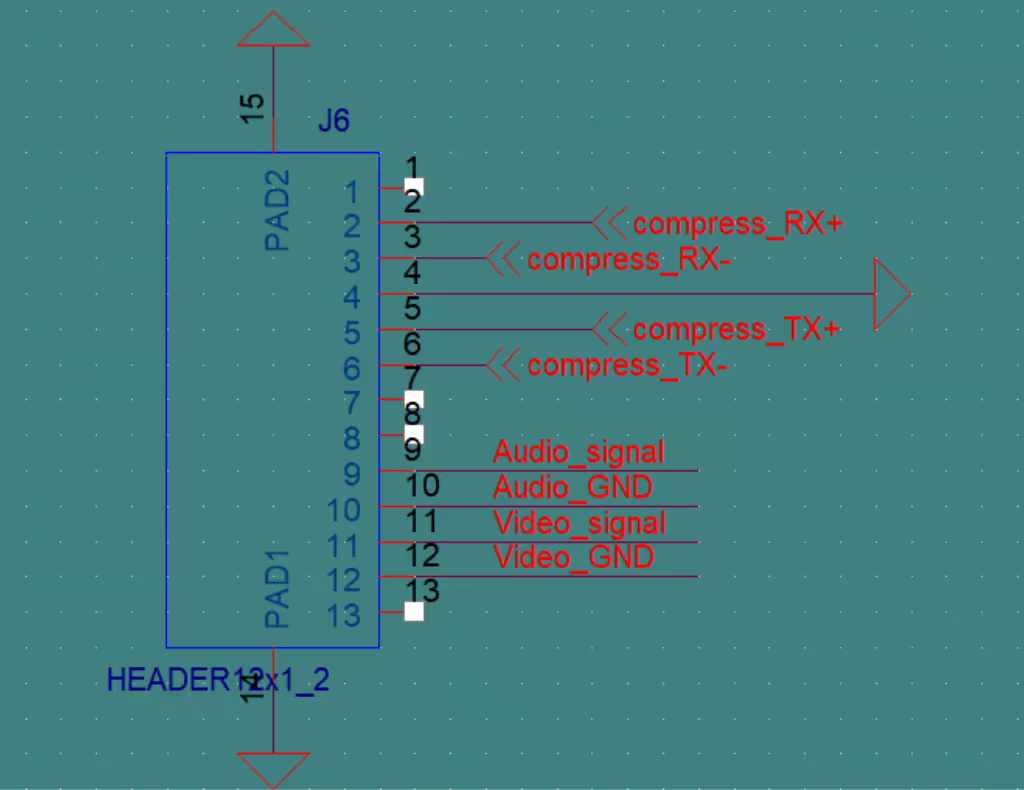
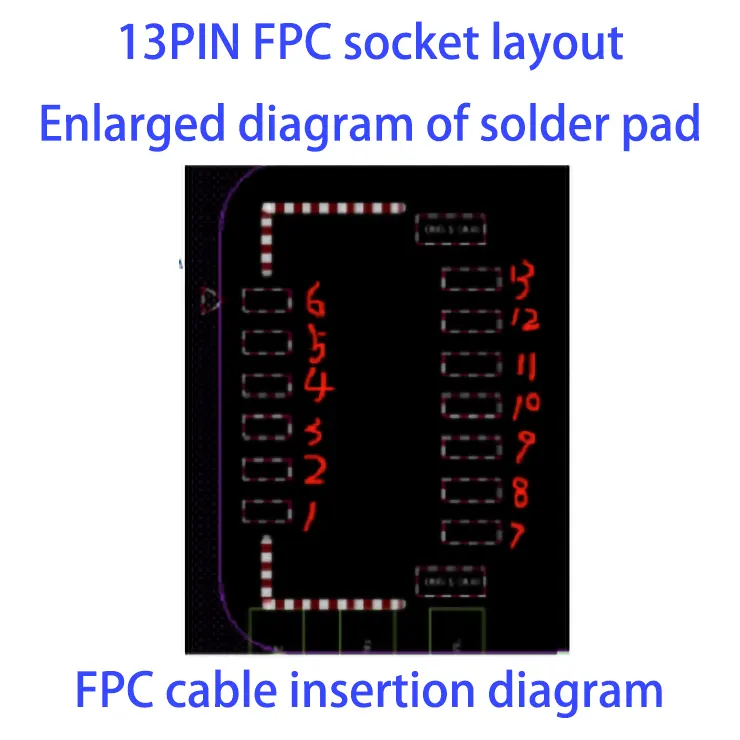
13Pin Toshiba FPC Pin Define
USB interface: Write board firmware, the 4Pin 1.25mm spacing seat can be removed when the structure is installed.
Matching serial port:
Power input: 2-pin welding hole, support input voltage range 6 ~ 15V.
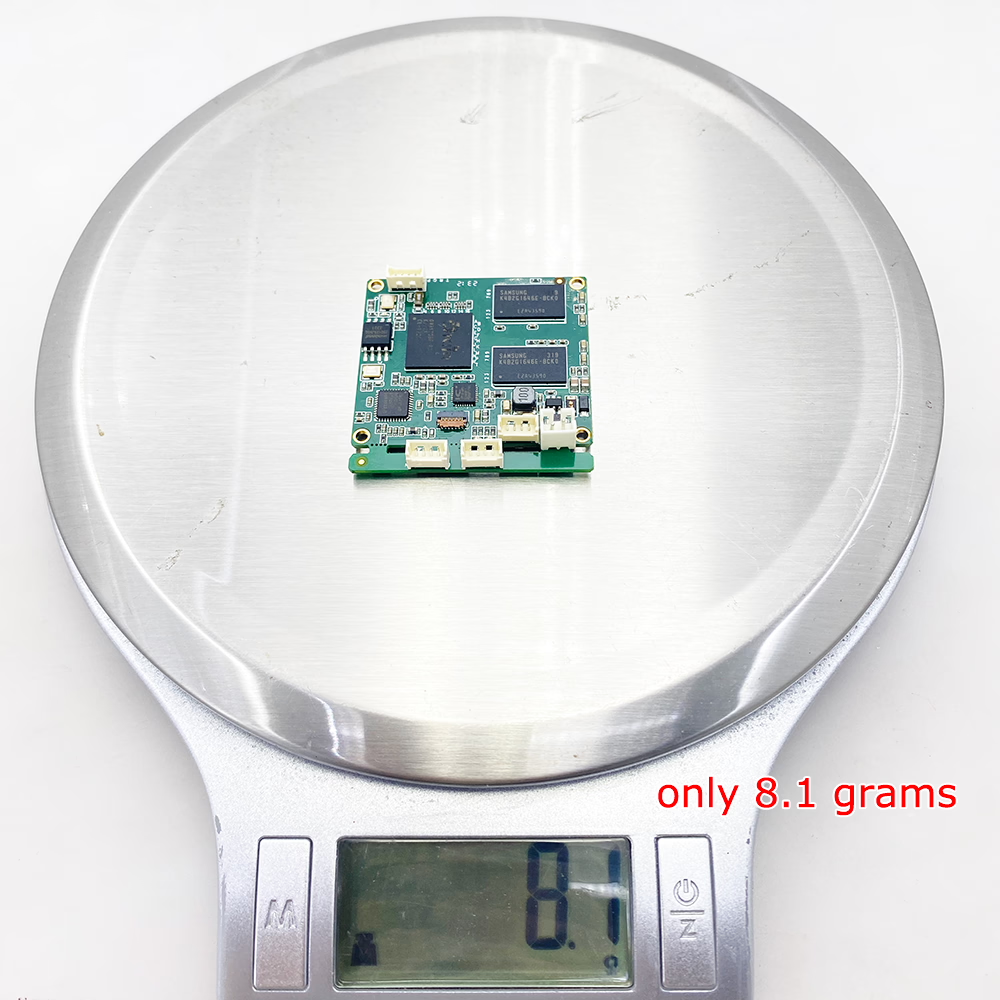
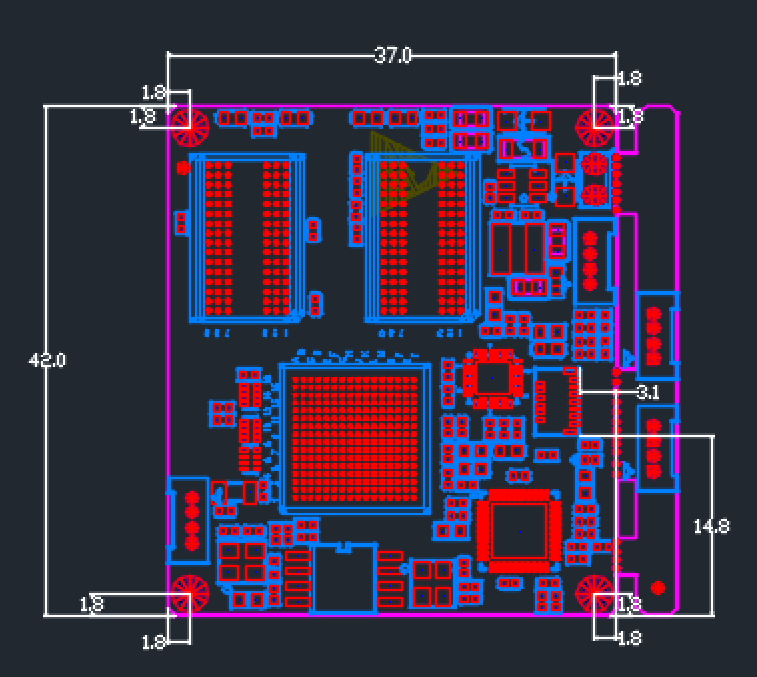
CVBS to IP converter board size: 42x37x1.2mm.
Heating:
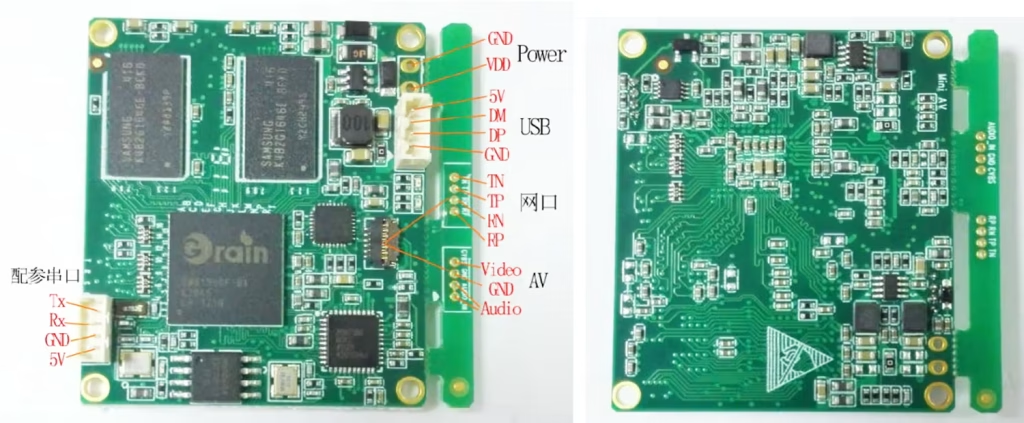
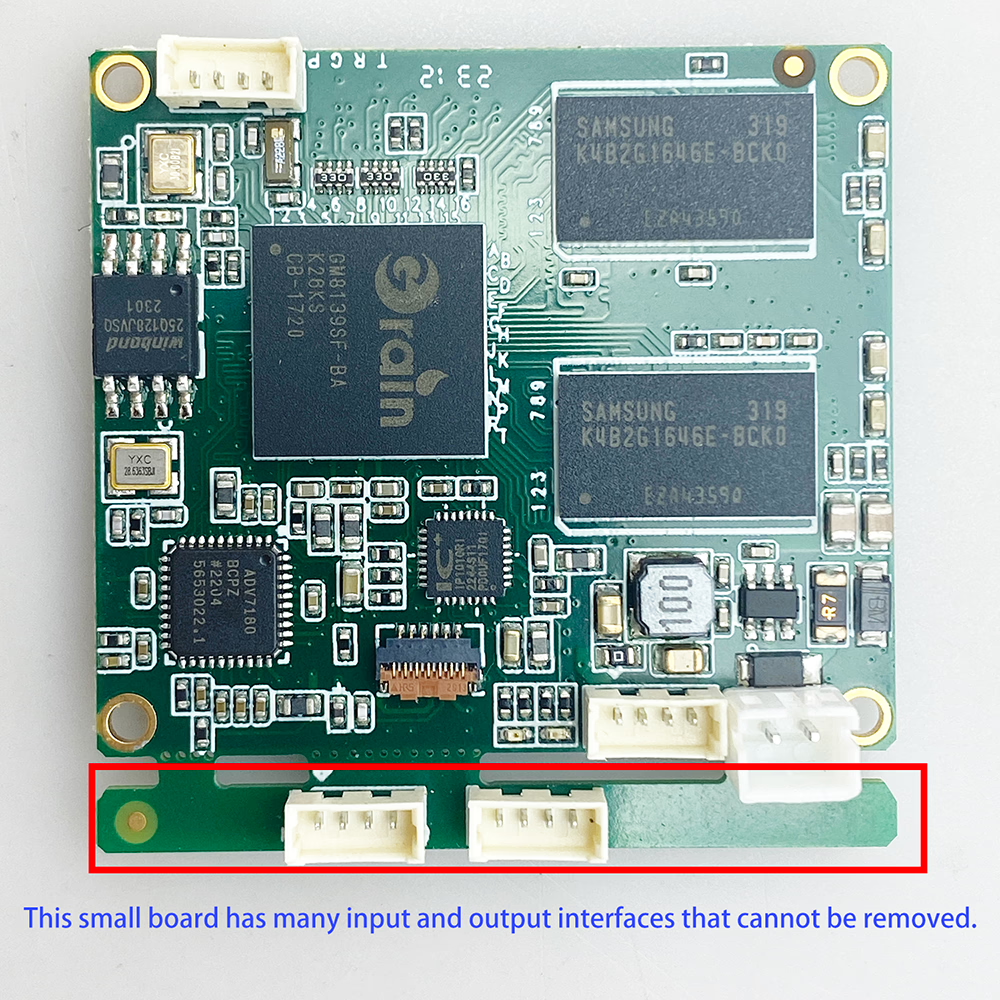
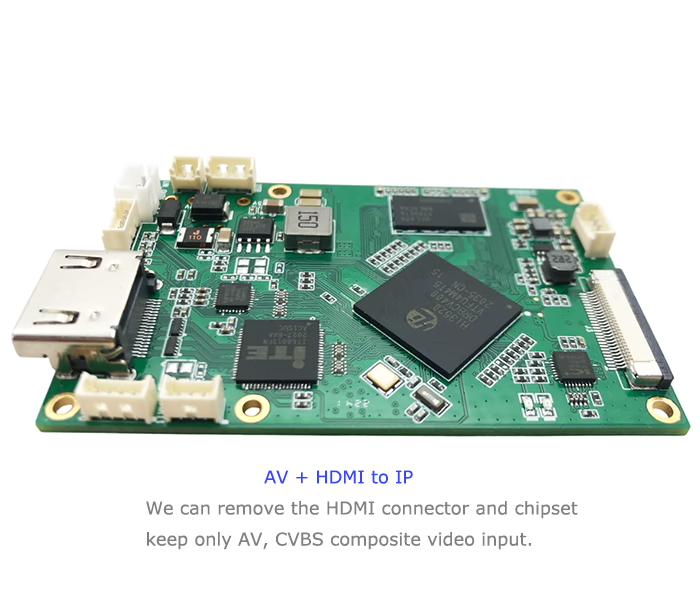
This small board is the AV input and Ethernet output expansion board. It has many input and output interfaces that cannot be removed.
FAQ
Q: Does your analog composite CVBS video encoding board support the simultaneous encoding of two channels of video and two channels of video streams?
A: This model only supports one video input encoding and one video stream.
Please refer to vcan1746, this model meets your needs. It supports simultaneous encoding of two video inputs and two video stream outputs on the same IP address.
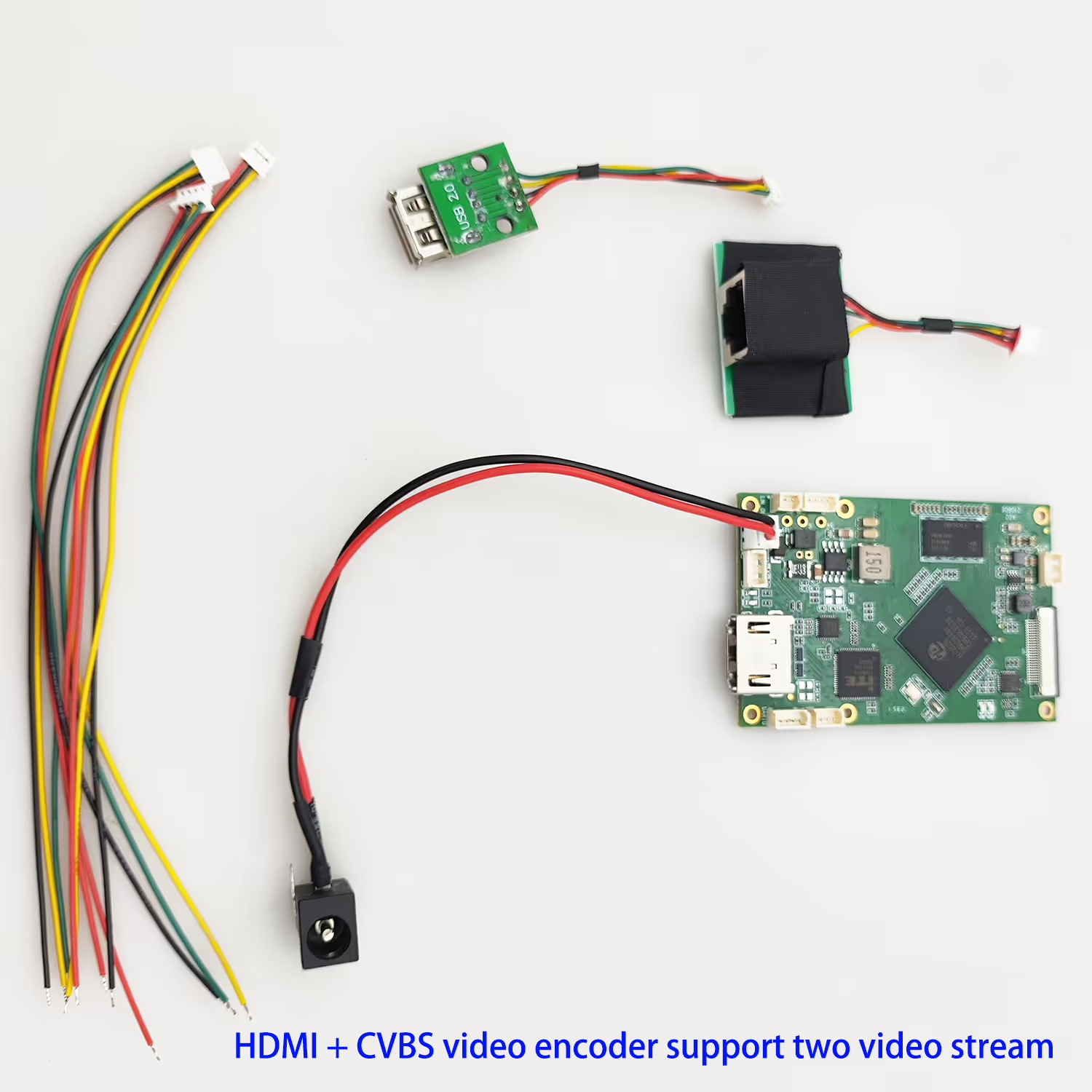
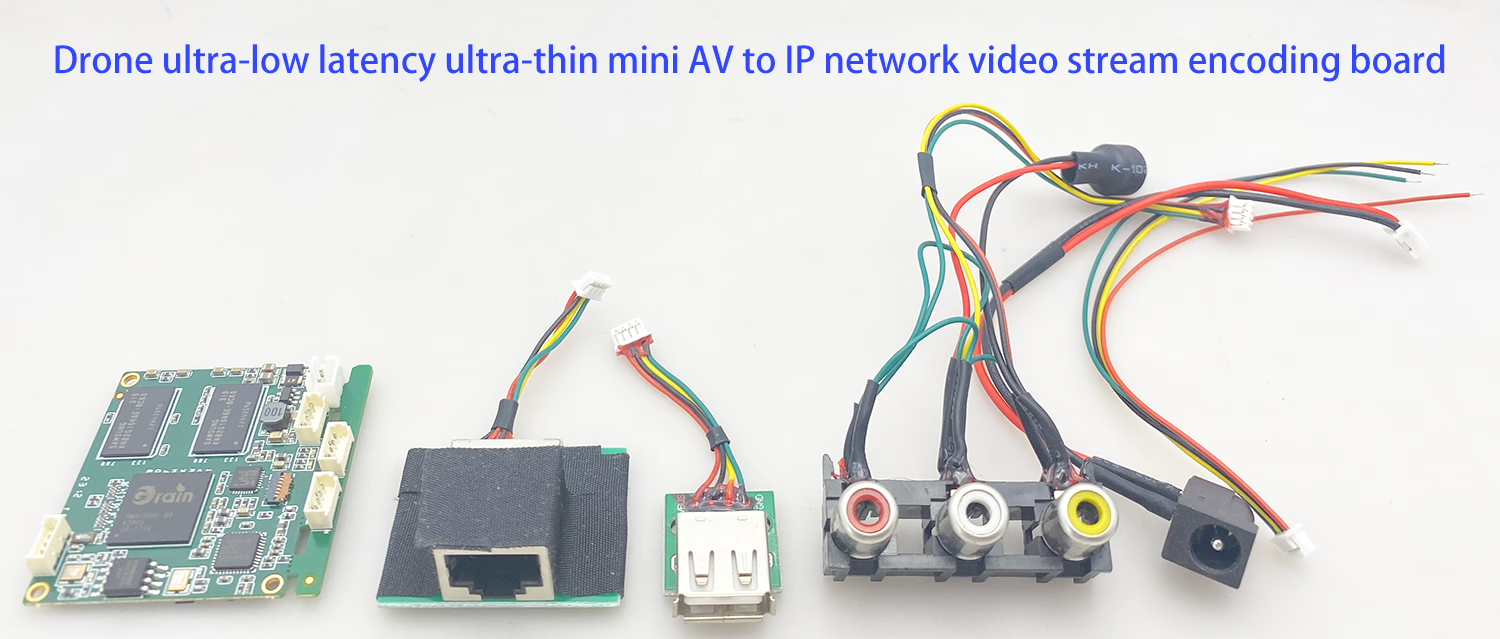
Q: Could you provide the PCB dimensions, including the hole sizes?
A: Sure, please check the below picture. Or Download DXF at the below link.
https://drive.google.com/file/d/1ifl34ZIHbduXm_1IyujqyjYoPWo2ykbN
FAQs
- CVBS currently only supports the common PAL (720x576) and NTSC (720x480) resolutions.
- Because the interface chip automatically adapts, We guess that our encoder board can not recognize your interface chip with this resolution.
- It is recommended that you connect the thermal imaging camera to an AV monitor or HDMI monitor to see if it can be displayed. If so, although the actual resolution is low, the video stream format may not be this 256x192.
- If it's HDMI, it's possible to modify the software to adapt to your camera; if it's CVBS, I think it's difficult unless you send the camera over and we can debug the software.
- If you need a suitable IR thermal imaging camera, please check our product.
More about the CVBS to IP converter encoder board
This circuit board converts analog CVBS signals into digital IP streams. These boards are frequently used in industrial, commercial, and security settings to integrate analog video into IP networks.
-
Signal Conversion:
- It transforms analog video signals from sources, such as CCTV cameras and VCRs into digital IP video streams.
-
Compression:
- It usually uses video compression formats such as H.264 and H.265 to save bandwidth.
-
IP Streaming:
- The converted signal uses protocols such as RTSP, UDP, or HTTP for transmission across an IP network.
-
Low Latency:
- This system offers real-time video streaming with minimal delay, perfect for broadcasting and security monitoring.
-
Onboard Processing:
- Some boards offer built-in processing power, enabling features like motion detection, video analytics, or event triggering.
-
Size and Integration:
- These devices are designed for easy integration into custom hardware or embedded systems due to their small size.
Common Use Cases:
-
- Wireless video transmitter and receiver for drones: Send your CVBS or thermal camera footage to a ground-based receiver for playback with a UDP player.
-
Surveillance Systems: Analog CCTV cameras are being converted to IP cameras for use with network video recorders (NVRs) and video management software (VMS).
-
Broadcasting: Analog video can be converted into IP streams for internet broadcasting or live streaming.
-
Industrial or Commercial Applications:Connecting older analog video equipment to today’s IP control and monitoring systems.
-
Retro Gaming Consoles: Many classic video game consoles output CVBS video. A CVBS-to-IP converter allows online gameplay streaming and integration with digital AV setups.
-
Educational and Training Systems: Microscopes and other analog devices with composite video output can be incorporated into modern online learning platforms for remote demonstrations and instruction.
-
Medical Imaging Equipment: Older medical devices like endoscopy and ultrasound systems (with CVBS output) can be updated to send video over IP to medical record systems or remote diagnostics.
-
Public Displays and Advertising:Older advertising systems and public displays using CVBS can be updated to send their content to IP-based digital signage.
- Transportation Monitoring: Older vehicle and train monitoring systems, such as backup and security cameras, often rely on CVBS signals. These cameras integrate into networked monitoring systems via converters, enabling real-time data analysis and central control.
- Event Recording and Archiving: You can use analog camcorders or VHS recorders with CVBS output to live stream or archive historical footage in digital formats accessible via IP networks.
- Industrial Equipment Monitoring: Centralized monitoring, analysis, and control of factory machinery and industrial processes is achievable by integrating legacy CVBS camera outputs into IoT frameworks.
- Legacy Video Conferencing Systems: You can adapt older video conferencing systems using composite video cameras for use with current online meeting and VoIP platforms.
- Aviation and Marine Systems: Analog video from aircraft and ship surveillance and navigation cameras often needs to be sent to control systems or streamed remotely via satellite or IP networks.
- Amateur Radio and HAM TV: Amateur television, or HAM TV, uses analog video transmitters. The conversion from CVBS to IP enables online streaming and broader reach for their broadcasts.
- Cultural Heritage Preservation: Analog video content in museums and archives can be digitized for online access, live streaming, or compatibility with current audiovisual technology.
How to choose cvbs to IP ethernet converter board
-
- Video Quality: Confirm that the board’s capabilities meet the resolution and frame rate demands of your application.
- Compression Standard: While H.264 is widely compatible, some boards may offer the more efficient H.265 codec.
- Network Protocols: Ensure compatibility with common IP video streaming protocols such as RTSP, RTP, UDP and HTTP.
- Power and Size: Remember the board’s size and power needs when integrating it into your system or product.
- Other Features: Like low latency or USB recording function, or two video input and two video streams output.
- Good communication with the after-sale services: sometimes, brand supplier is very important for you to employment the products and usage smoothly.
Ideal for legacy CCTV – stream CVBS to NVRs or IP viewers with zero lag.
Compact CVBS to Ethernet encoder – perfect for camera-to-IP conversion projects.
Plug and stream: analog video to IP in seconds with our mini AV encoder board.





iVcan.com –
I recently used this mini CVBS to IP converter board, and I am extremely impressed with its performance. The setup was straightforward, and the compact size made integration into my existing hardware seamless. The video quality is excellent, with low latency that ensures real-time streaming without noticeable delay. It supports standard protocols like RTSP and UDP, making it compatible with my network setup immediately. Overall, it’s a reliable, high-performance solution for converting analog cameras into IP streams, ideal for surveillance or live monitoring projects.