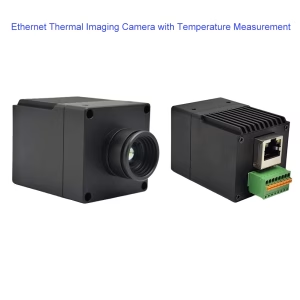
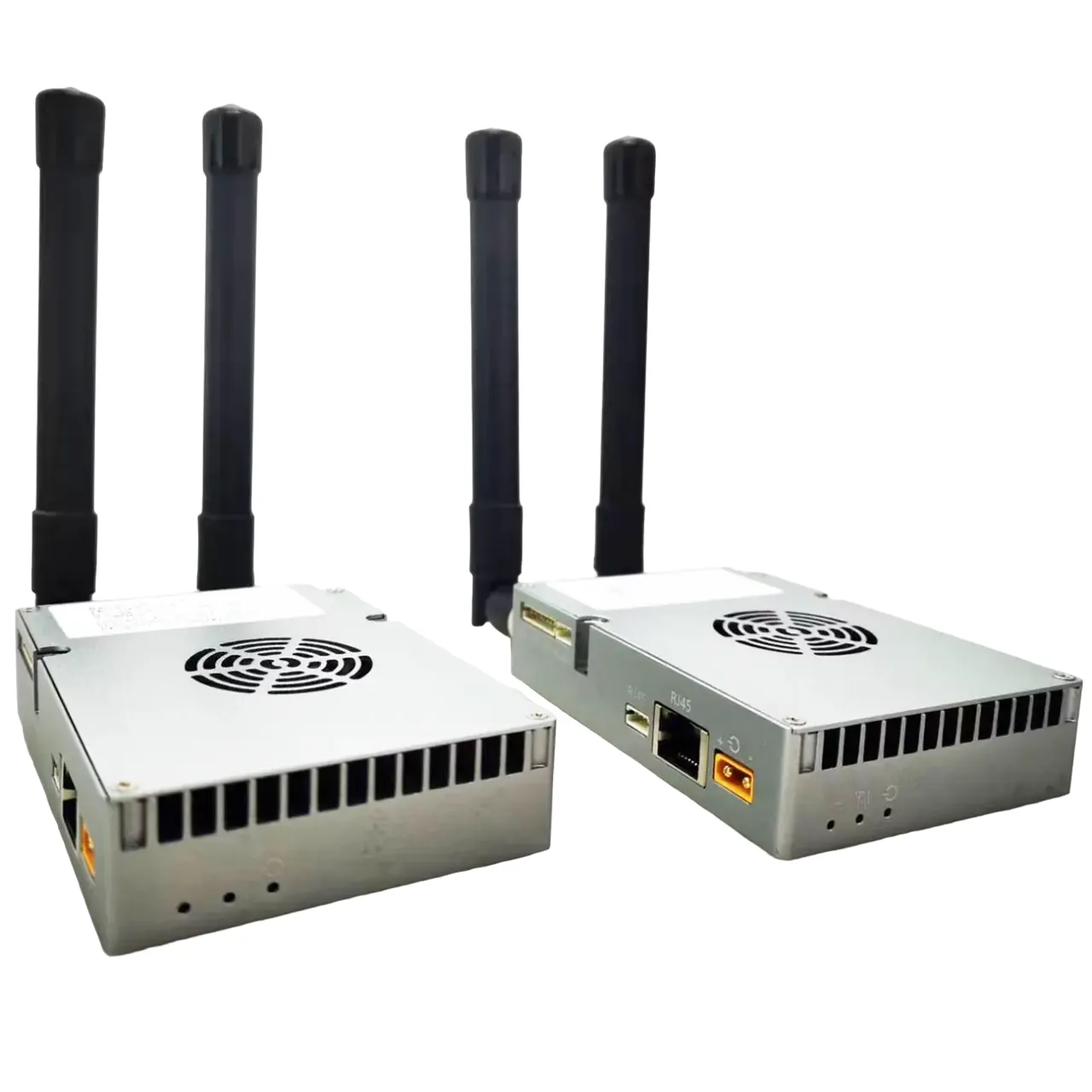
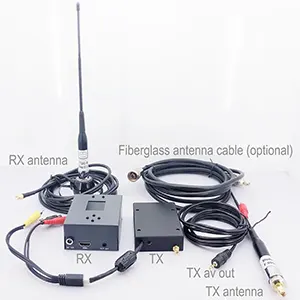


An FPV thermal camera (First Person View thermal camera) is a specialized imaging device that combines thermal infrared technology with real-time video transmission, enabling users to view heat signatures and temperature variations in environments through a live feed. These cameras are commonly integrated into drones, RC vehicles, or other remote-operated systems for applications like surveillance, search and rescue, industrial inspections, and tactical operations. Below is a detailed breakdown:
Key Components & Features
- Thermal Imaging Sensor
- Uses uncooled long-wave infrared (LWIR) sensors to detect heat radiation, typically with resolutions like 640×512 pixels.
- Detects temperature differences and converts them into visual data, often displayed in grayscale or color palettes (e.g., “ironbow” mode).
- FPV Integration
- Transmits live video via analog (CVBS) or digital protocols (e.g., H.264/H.265) to goggles, monitors, or ground stations.
- Compatible with FPV drones and RC systems, supporting low-latency transmission for real-time control.
- Lens & Optics
- Features 9mm or 10mm lenses optimized for thermal imaging, balancing field of view and detail capture.
- Some models include dual-light systems (thermal + visible light) for hybrid imaging.
- Durability & Form Factor
- Designed for rugged use with waterproof and vibration-resistant housings.
- Compact and lightweight for integration into drones (e.g., SKYDROID C12 for FPV gimbals).
Applications
- Search and Rescue
- Locate missing persons or animals in low-visibility conditions (e.g., smoke, darkness).
- Industrial Inspections
- Detect overheating components in electrical systems, pipelines, or machinery.
- Surveillance & Security
- Monitor borders, facilities, or wildlife at night without visible light.
- Firefighting
- Identify hotspots in wildfires or structural fires using thermal imaging.
- Tactical Operations
- Military or law enforcement reconnaissance in obscured environments.
Example Models
- XK-C132 (9mm Lens)
- 640×512 resolution, analog CVBS output, designed for RC FPV vehicles.
- SKYDROID C12
- 2K thermal imaging with 3-axis gimbal stabilization, dual-light (thermal + visible) for drones.
- XK-V103TDS Transmitter
- COFDM-based system for long-range, stable video transmission in firefighting robots.
Technical Considerations
- Latency: Analog systems (e.g., CVBS) offer lower latency (~30ms) compared to digital systems, critical for high-speed FPV drones.
- Range: COFDM modulation enables multi-kilometer transmission in urban or obstructed environments.
- Power Consumption: Thermal sensors and transmitters may require robust power systems (e.g., LiPo batteries).
Limitations
- Cost: High-resolution thermal cameras are expensive compared to standard FPV cameras.
- Resolution: Thermal sensors generally have lower resolution than visible-light cameras (e.g., 640×512 vs. 4K).
- Environmental Sensitivity: Performance can degrade in extreme temperatures or heavy rain.
Integration with FPV Systems
FPV thermal cameras are often paired with:
- COFDM Transmitters: For encrypted, long-range video links.
- Ground Control Stations: To analyze thermal data in real time.
- AI Analytics: Some systems use machine learning to auto-detect anomalies (e.g., overheated equipment).
In summary, an FPV thermal camera merges thermal imaging with real-time video transmission, empowering users to “see” heat in challenging environments. Its applications span from lifesaving missions to industrial efficiency, driven by advancements in sensor technology and wireless communication.