






Thermal imaging cameras can be categorized based on various criteria, primarily focusing on their detection technology and application areas. Here’s a detailed overview:
Types of Thermal Imaging Cameras
Table of Contents
1. Based on Detection Technology
- Cooled Infrared Cameras: These cameras utilize cooling mechanisms to enhance their sensitivity to infrared radiation. They are capable of detecting faint thermal signals and provide high image quality, making them suitable for long-range surveillance and scientific research. However, they are generally more expensive and bulkier due to the cooling systems required, such as Stirling engine cryocoolers or Peltier coolers.
- Uncooled Infrared Cameras: These cameras operate at ambient temperatures without the need for cooling systems, resulting in a more compact and cost-effective design. They are widely used for general-purpose applications, including building inspections and energy audits. While they are easier to use and maintain, uncooled cameras typically offer lower sensitivity and image quality compared to cooled models.
2. Based on Wavelength Sensitivity
- Long-Wave Infrared (LWIR) Cameras: These cameras detect thermal radiation in the long-wave spectrum (8-14 µm). They effectively penetrate atmospheric conditions like fog and dust, making them suitable for various applications such as electrical inspections and building diagnostics.
- Medium-Wave Infrared (MWIR) Cameras: Operating in the 3-5 µm range, these cameras provide good temperature resolution and are effective for high-temperature applications, such as gas leak detection in industrial settings. However, they can be susceptible to atmospheric interference.
- Short-Wave Infrared (SWIR) Cameras: These cameras detect radiation in the 1-3 µm range and are often used for specific applications like material inspection and surveillance under certain conditions.
3. Based on Application Areas
- Industrial Thermal Cameras: Used for monitoring equipment temperatures, detecting insulation failures, and performing preventive maintenance in various industries.
- Medical Thermal Cameras: Employed in healthcare settings for non-invasive temperature monitoring and early disease detection.
- Consumer Thermal Cameras include handheld devices for home inspections or personal use, such as detecting heat loss in buildings or identifying electrical issues.
- Specialized Thermal Cameras:
- Night Vision Thermal Cameras: Designed for low-light conditions to enhance visibility without visible light interference.
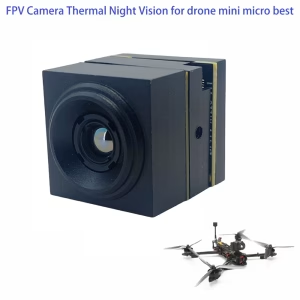
- Drone-mounted Thermal Cameras. A thermal camera drone is used for aerial surveillance in search and rescue operations or monitoring large areas like power lines or forests. The drone with a thermal camera for hunting.
4. Based on Resolution
- 256 x 192
- 384 x 288
- 640 x 512
5. Based on camera video connector
- CVBS
- USB is for smartphones and functions to detect the specific point temperature.
- thermal camera for Android
- thermal camera iPhone
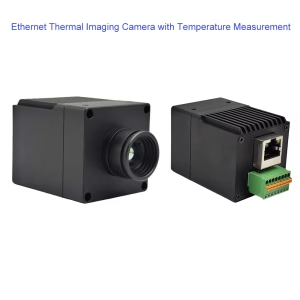
- IP Ethernet (2058)
6. Based on camera lens length
- 4.0mm
- 9.7mm
- 50mm
- 100mm
Thermal imaging technology has evolved significantly, leading to a diverse range of camera types tailored for specific needs across various industries. Understanding the differences between cooled and uncooled systems, as well as their wavelength sensitivities and applications, is crucial for selecting the right thermal imaging solution.
-
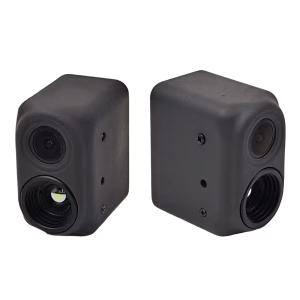
 fpv dual lens night thermal imaging and daylight camera for drones, HD vision, low-light real-time
 -
Tiny FPV Drone Thermal Imaging Camera 256×192 4mm lens
-
FPV Drone Thermal Imaging Camera 256×192 9.7mm lens
-
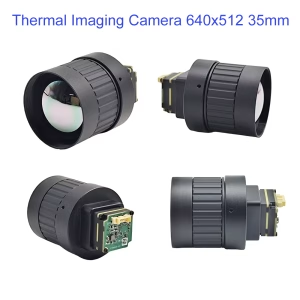
Drone Thermal Camera 640×512 35mm Lens for FPV UAV night vision 8X zoom
-
cell phone thermal imaging camera with android app for smartphone UVC
-
thermal imaging camera for DJI drone video transmission via 4G or 5G SIM networking
-
Thermal imaging area temperature measurement camera and visible light camera Dual-light for fire prevention monitoring
-
Serial port board parameter configuration board for infrared thermal imaging camera
-
Visible light thermal imaging camera dual light camera core module ethernet IP output


640 Resolution IR thermal imaging camera
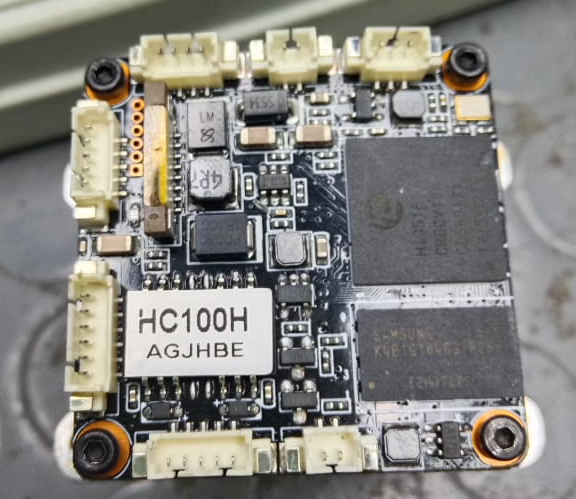
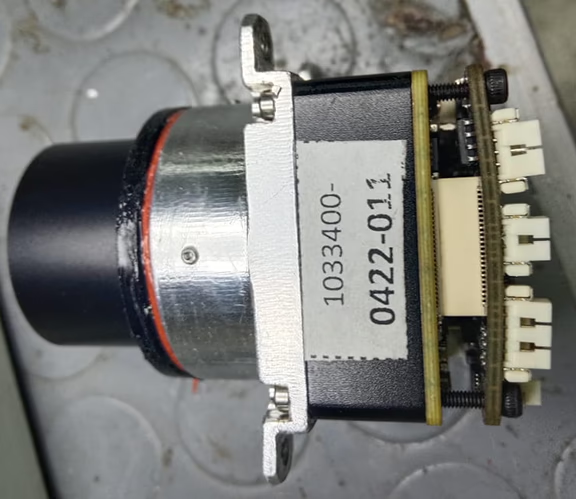
IPC expansion board for IR thermal imaging camera
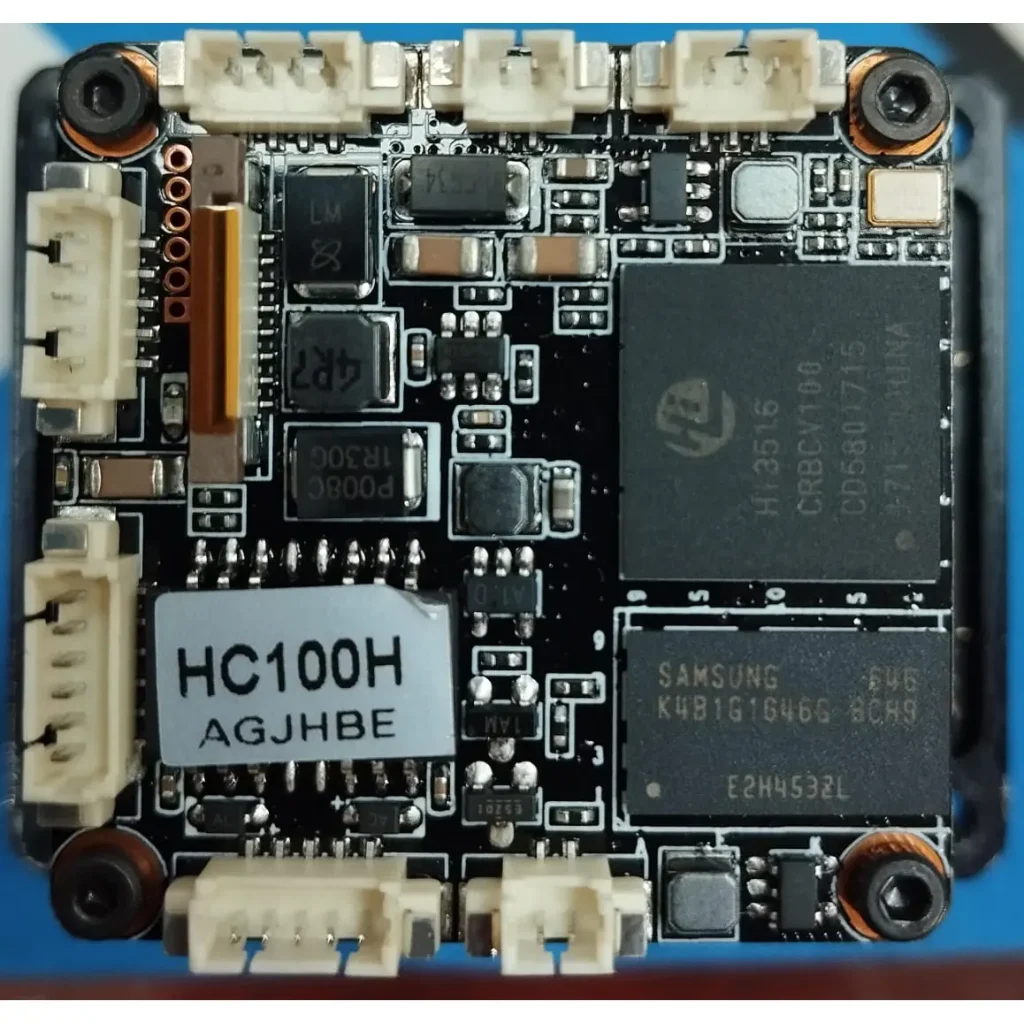
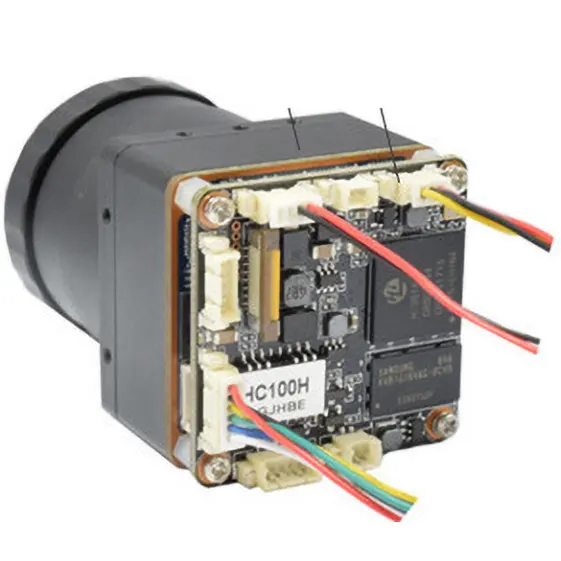

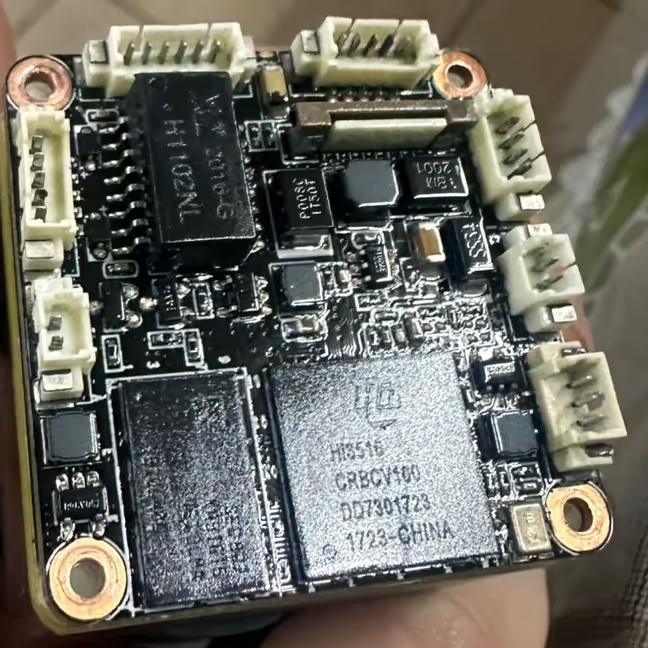
- Small size 38 x 38 mm
- Web control (UART optional)
- ONVIF communication protocol
- Analog video and H.264 video output
- Autofocus optional
- Working voltage VDC: +12V
- Purchasing requirements Specify with matching Smart Core Series

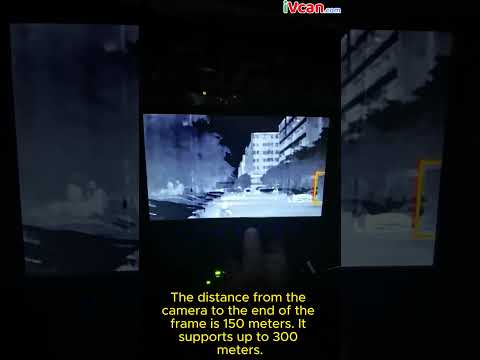
We focus on the research and development of various drones and support OEM.
With our technological innovation and market knowledge, we can bring tremendous value to your company. Our drones not only have leading advantages in automatic tracking and aiming, ultra-long distance, instant transmission, and other functions, but also continue to make breakthroughs in design and user experience, and are compatible with DJI Innovations.
FAQ
Q: IPC expansion board for IR secularist imagination camera you have pin out define?
A: Please check the below link PDF file.
For Chinese Version
Q: Could you possibly have the event sensor driver? I want to flash the OpenIPC firmware.
A: The camera module is not based on ARM, it is FPGA. ARM is used as a co-processor.There is also a version based on ARM, but the arm system is customized by us and cannot be directly used with OpenIPC.
Q: I have firmware Hi3516cv100, and I can flash memory use TTL adapter. If I do dump memory file originally firmware you think video sensor driver was there?
A: This kind of sensor cannot be matched directly. Thermal imaging cameras are not ordinary visible light sensors.
FPV camera
fpv dual lens night thermal imaging and daylight camera for drones, HD vision, low-light real-time





Ask A Question
Thank you for your response. ✨