

one-way IP RF link
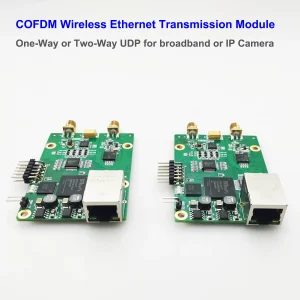
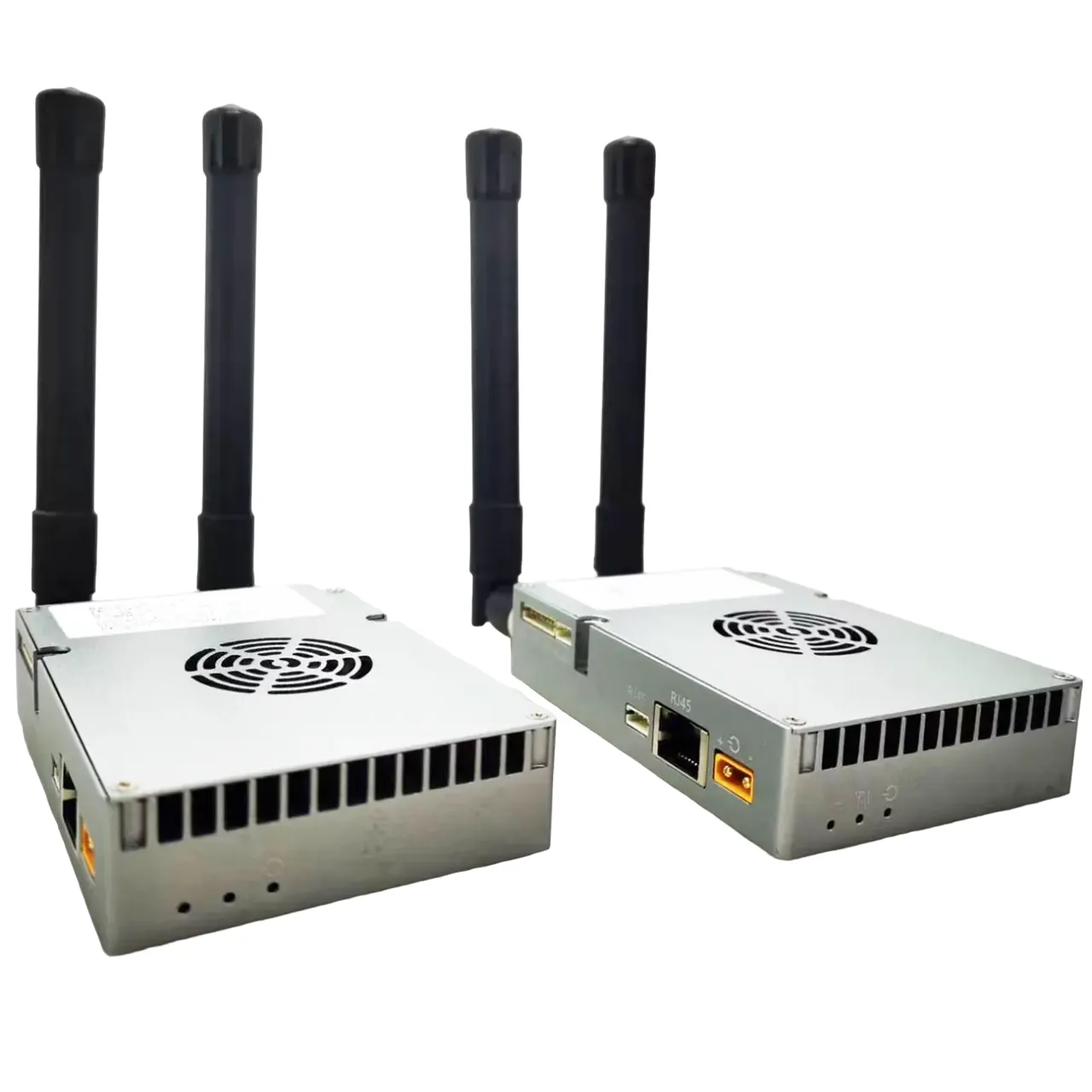
An IP RF (Radio Frequency) Radio Link is a wireless communication system that transmits IP (Internet Protocol) data over radio waves. This technology is commonly used for long-range, high-speed, and reliable connectivity in areas where wired connections (fiber or Ethernet) are impractical.
Key Components of an IP RF Radio Link:
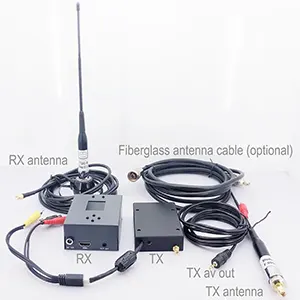
- Radio Transmitters & Receivers – Devices that send and receive RF signals.
- Antenna – Directs and amplifies the signal for long-distance transmission.
- Modem – Converts digital IP data into an RF signal and vice versa.
- Network Interface (Ethernet RJ45 Ports) – Connects to local IP-based networks.
How It Works:
- The system modulates IP data into an RF signal.
- The signal is transmitted over the air via an antenna.
- A receiving antenna picks up the RF signal and demodulates it back into IP packets.
- The IP data is then forwarded to the connected network, enabling wireless communication.
Common Uses of IP RF Radio Links:
- Backhaul for Cellular Networks – Connecting remote cell towers.
- Rural & Remote Internet Access – Providing connectivity in areas with no fiber.
- Military & Defense Applications – Secure, long-range communication.
- Surveillance & Security Systems – Transmitting video/data from remote cameras.
- Industrial & SCADA Networks – Connecting IoT and control systems.
Advantages:
- Long-range connectivity (up to tens or hundreds of km).
- High-speed data transmission (depending on frequency and modulation).
- Less infrastructure dependency compared to fiber.
- Reliable communication in remote or mobile applications.