






Certain customers prefer using Ethernet ports for data transmission instead of the TX900’s three data ports. This article provides instructions on how to do that.
This document applies to the models below, 等等.


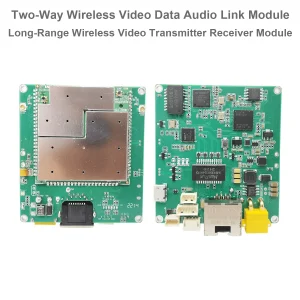
The TX900 has three serial ports, two of which (D2 and D3) are used for wireless network access through IP addresses. The system includes a built-in serial port server allowing D2 and D3 ports to convert serial data over networks using TCP or UDP protocols. The D2 and D3 serial ports on the TX900 are identified by their port numbers.
Using the TCP protocol, the external device (电脑) needs to create a TCP client, which can be used after connecting to the target TX900. 外部设备 (电脑) sends TCP data to the target TX900, which converts this data into serial port data and sends it out. The target TX900 will actively send this data to the TCP client upon receiving the serial port data.
Using the UDP protocol, external devices (电脑) need to create a UDP service, and the local and remote port numbers of the UDP service need to correspond one-to-one with the “目标端口” 和 “聆听端口” of the target TX900. 外部设备 (电脑) sends UDP data to the target TX900, which converts this data into serial port data and sends it out. When the target TX900 receives serial port data, it actively sends this data to the “目标端口” 的 “target IP”, 哪里的 “target IP” must be the IP address of the external device (电脑).
TX900 configuration
注意: Changing TX900 parameters in the web UI requires restarting TX900 to take effect.
例子 1: 串行端口 2 的 TX900-Access Node (知识产权 地址: 192.168.1.12) is required to communicate with the TCP 客户 of the computer (知识产权 地址: 192.168.1.50) connected to the remote network port, as shown in the following figure.

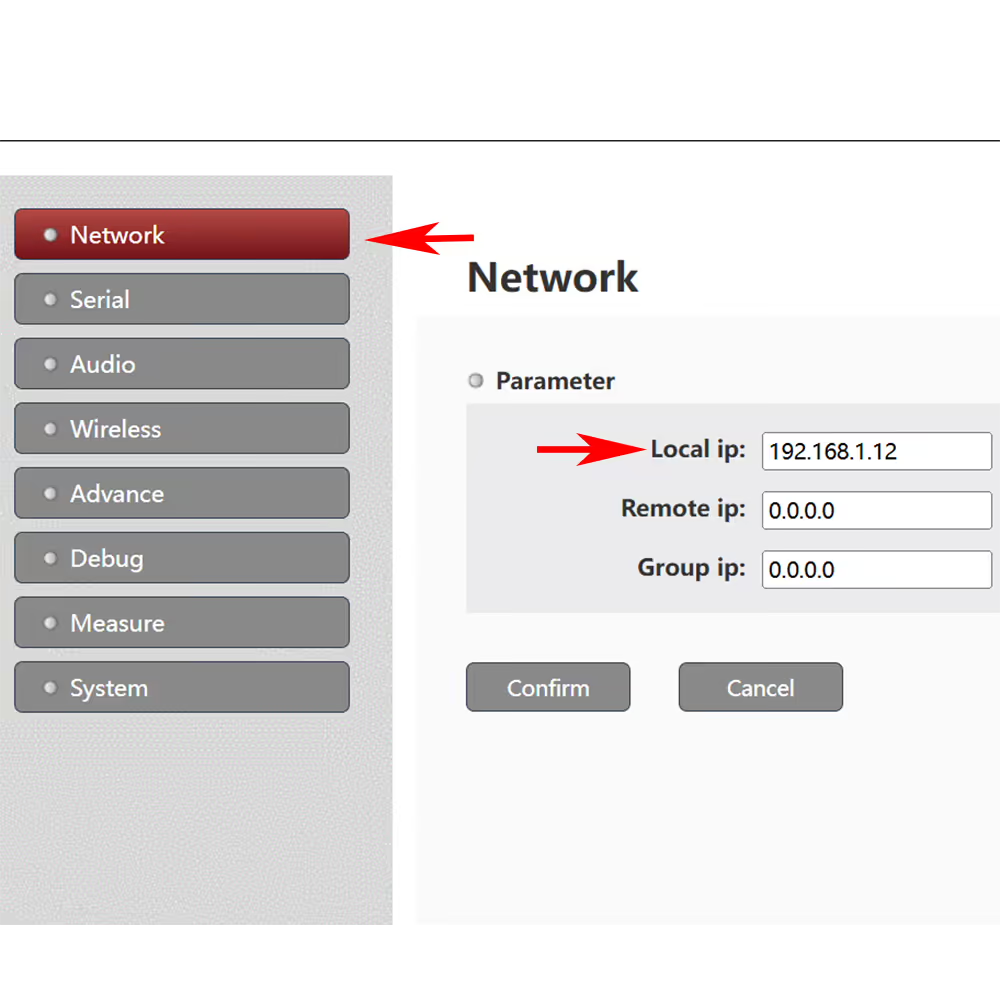
In the web UI of TX900-Access Node (IP地址 192.168.1.12), set the network IP parameters:
本地 IP: TX900-Access Node’s own IP address (例如. 192.168.1.12)
Target IP: 可选的

In the web UI of TX900-Access Node, select Serial Port->Serial Port 2->Protocol Select “TCP”, and then click “好”.
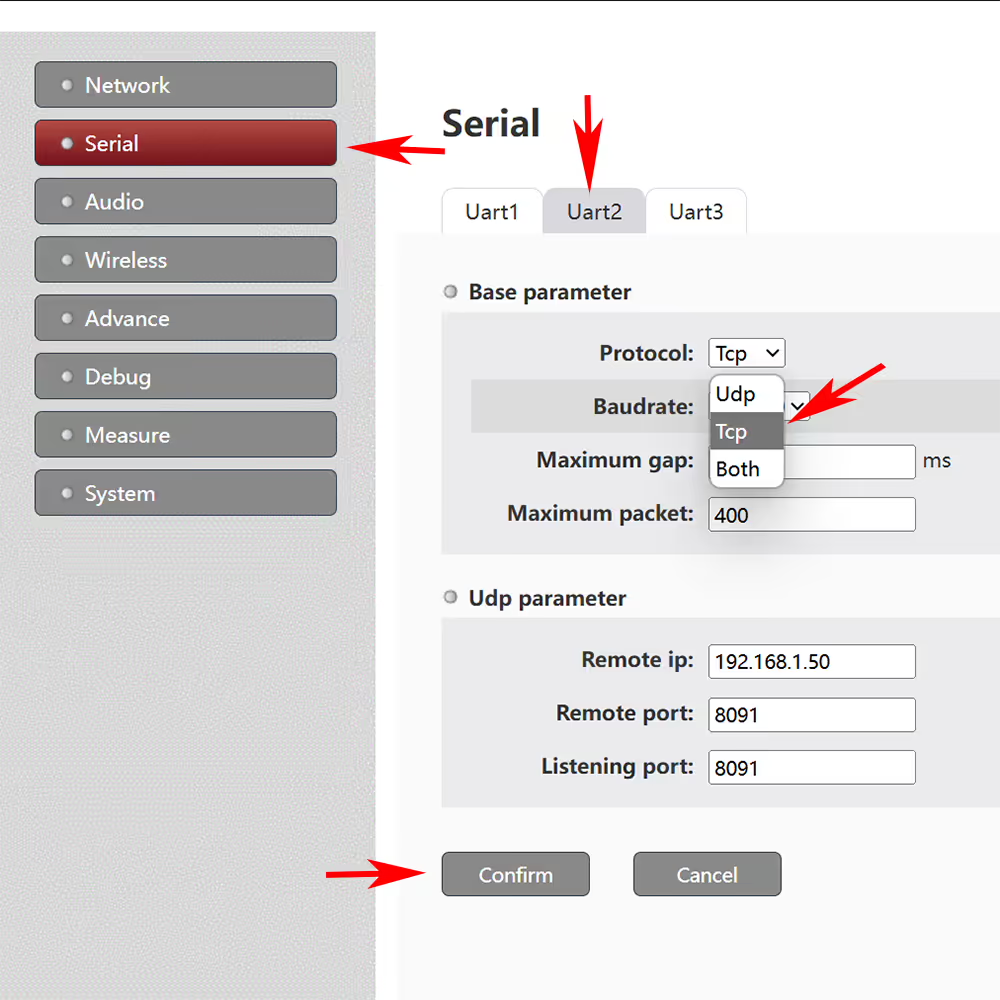
点击之后 “好”, the interface will display:

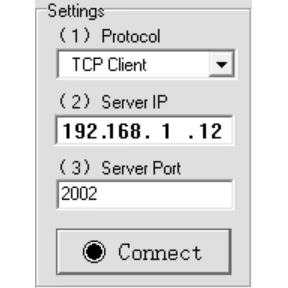
When creating a TCP client for a computer connected to a remote network (192.168.1.50), its remote IP address needs to be configured as the IP address of TX900-Access Node (192.168.1.12), and the port number needs to be configured as the TCP parameter “聆听端口” (如 2002) corresponding to the serial port of TX900-Access Node (such as serial port 2). Example of remote computer TCP client configuration:
例子 2: The computer (知识产权 地址: 192.168.1.51) that requires 串行端口 3 的 TX900-Access Node to connect to the remote network port 用途 UDP protocol for communication, as shown in the following figure.

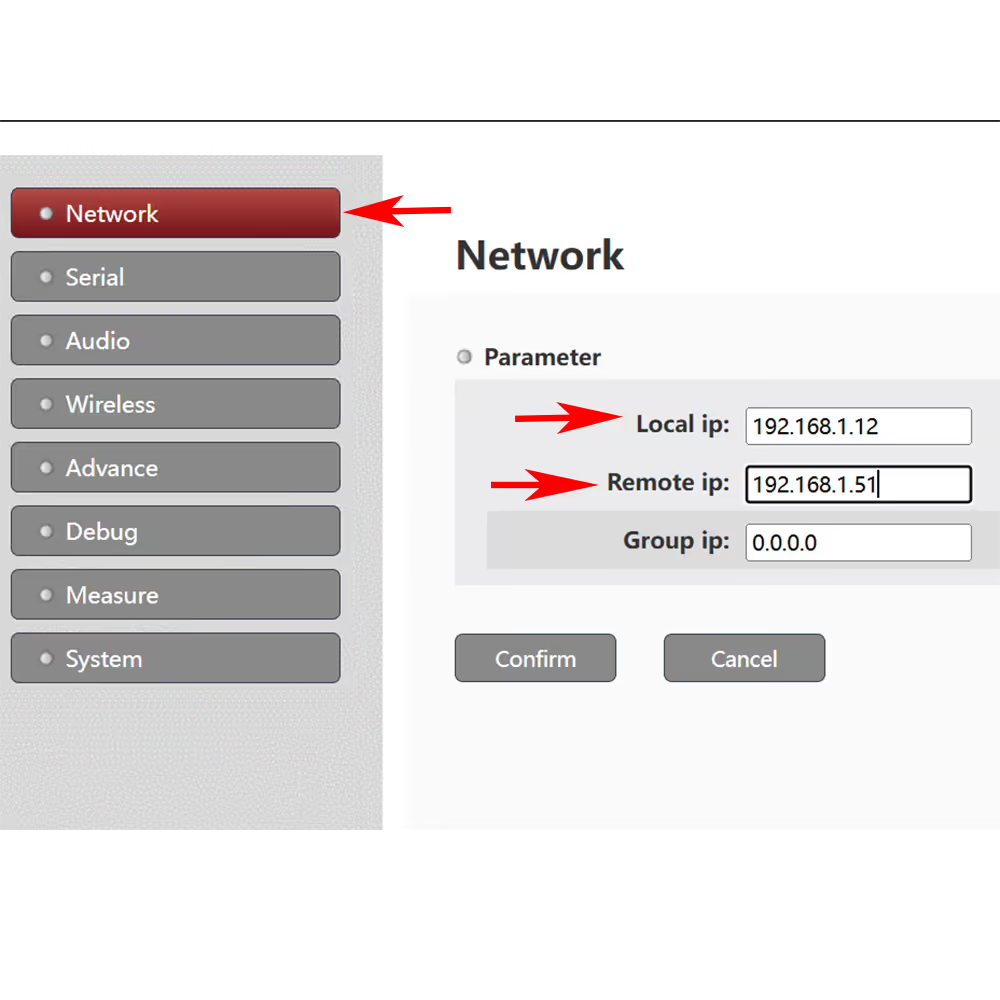
In the web UI of TX900-Access Node, set the network IP parameters:
本地 IP: TX900-Access Node’s own IP address (例如. 192.168.1.12)
Target IP: The IP address of the computer connected to the remote network port (例如. 192.168.1.51), which can also be left unconfigured. Configure the target IP address in the specific configuration of serial port 3 以下.
In the web UI of TX900-Access Node, select Serial Port->Serial Port 3->Protocol Select UDP, and then click OK.
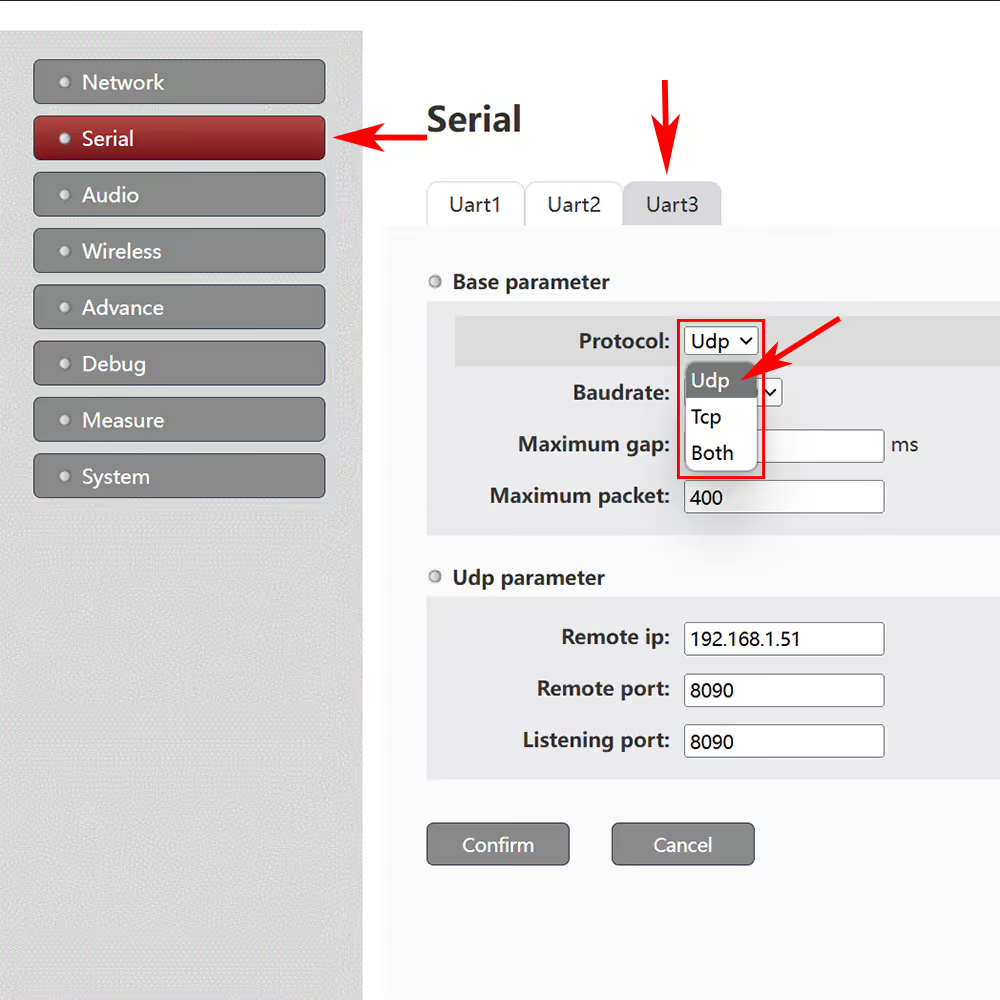
点击之后 “好”, the interface will display:
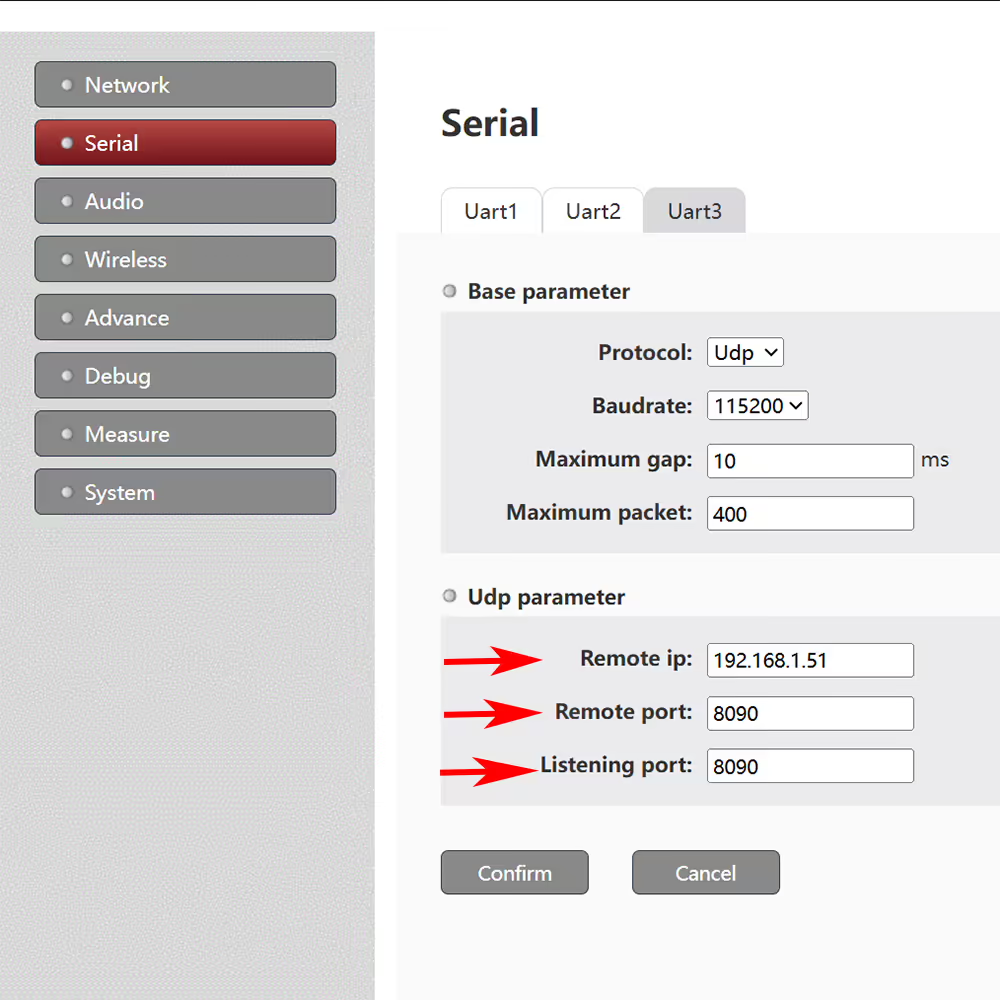
Fill in the IP address of the target computer in sequence (assuming 192.168.1.51), the target port is the UDP local port number of the target computer (assuming 8090), and the listening port is the UDP remote port number of the target computer (assuming 8090).
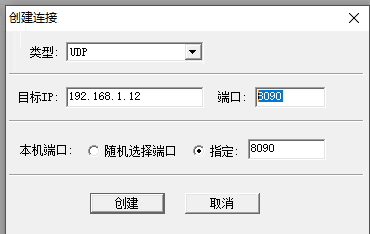
When creating a UDP client on the target computer (192.168.1.51), its target IP address needs to be configured as the IP address of Access Node (192.168.1.12), the remote port number needs to be configured as the listening port of Access Node (assuming 8090), and the local port number needs to be configured as the target port of Access Node (assuming 8090). As shown in the following example:
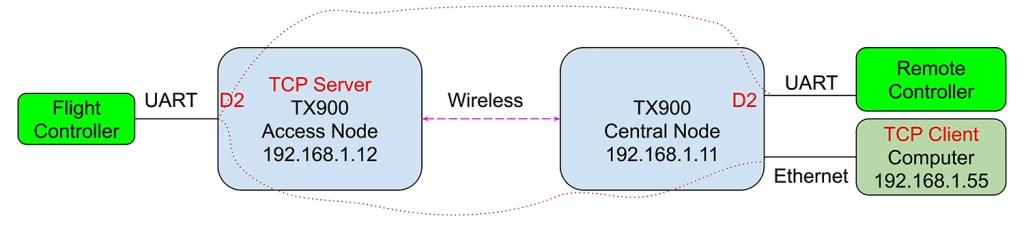
例子 3: A computer (知识产权 地址: 192.168.1.55) that requires 串行端口 2 的 TX900-Access Node to communicate with the remote network port via TCP 客户, while also communicating 同 串行端口 2 的 远程 TX900-Center Node, as shown in the following figure:
In the web UI of TX900-Access Node, set the network IP parameters:
本地 IP: TX900-Access Node’s own IP address (例如. 192.168.1.12)
Target IP: 可选的
In the web UI of TX900-Access Node, select Serial Port->Serial Port 2->Protocol Select “两个都”, and then click “好”.
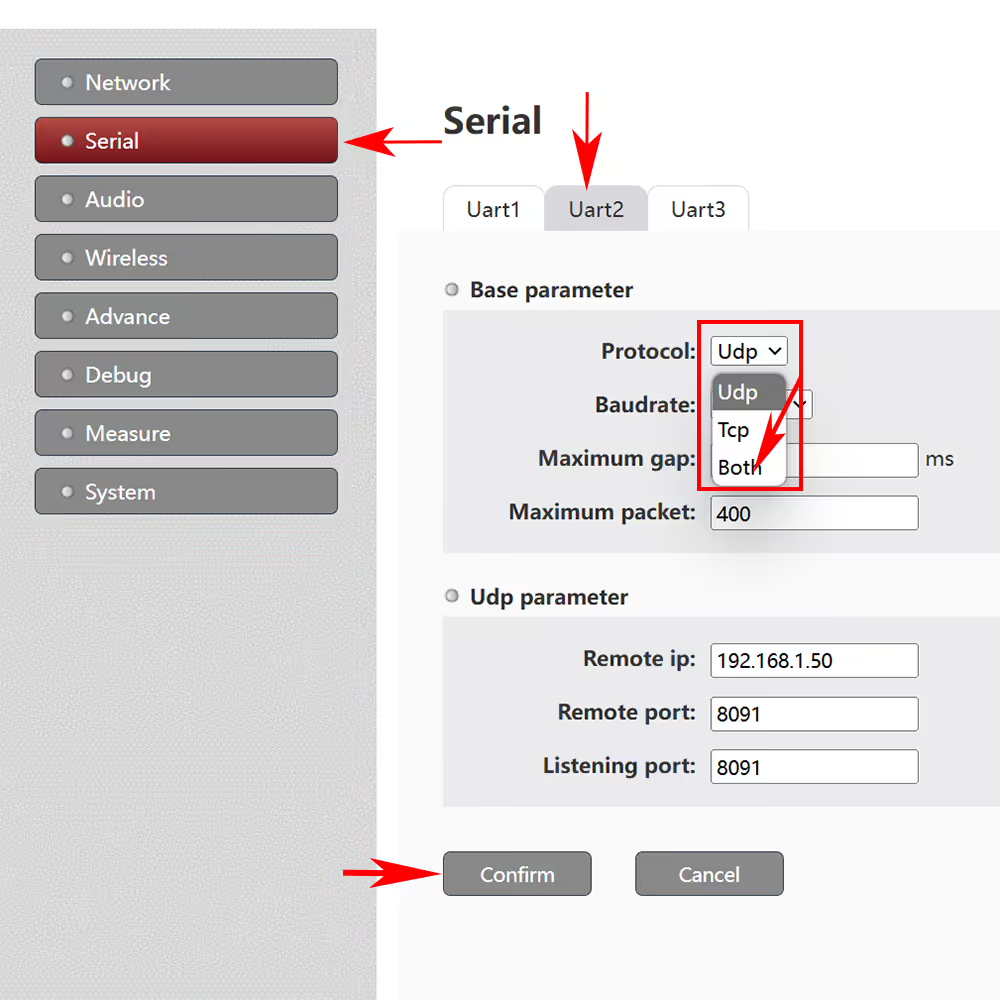
点击之后 “好”, the interface will display:
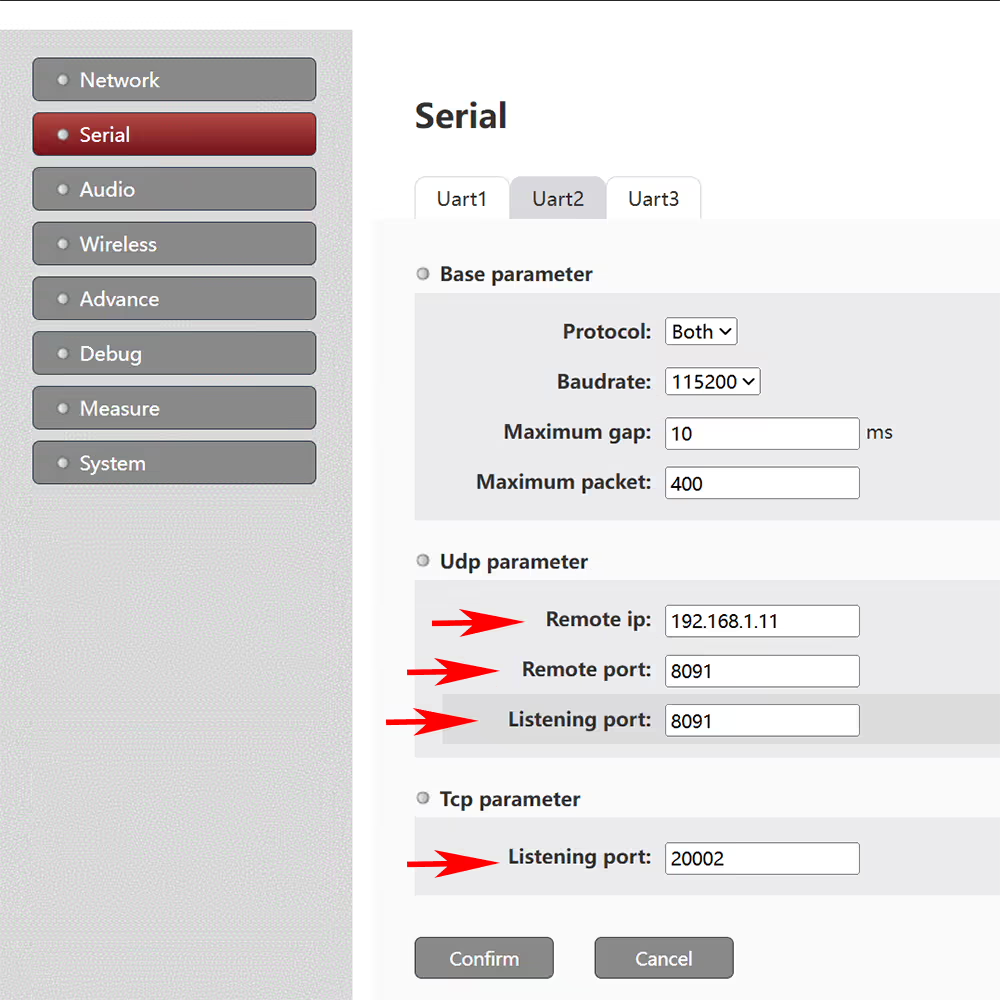
The target IP in the UDP parameters is set to the IP address 192.168.1.11 of the remote TX900-Central Node. The target port is set to be consistent with the D2 serial port listening port of the remote TX900-Central Node, and the listening port is set to be consistent with the D2 serial port target port of the remote TX900-Central Node.
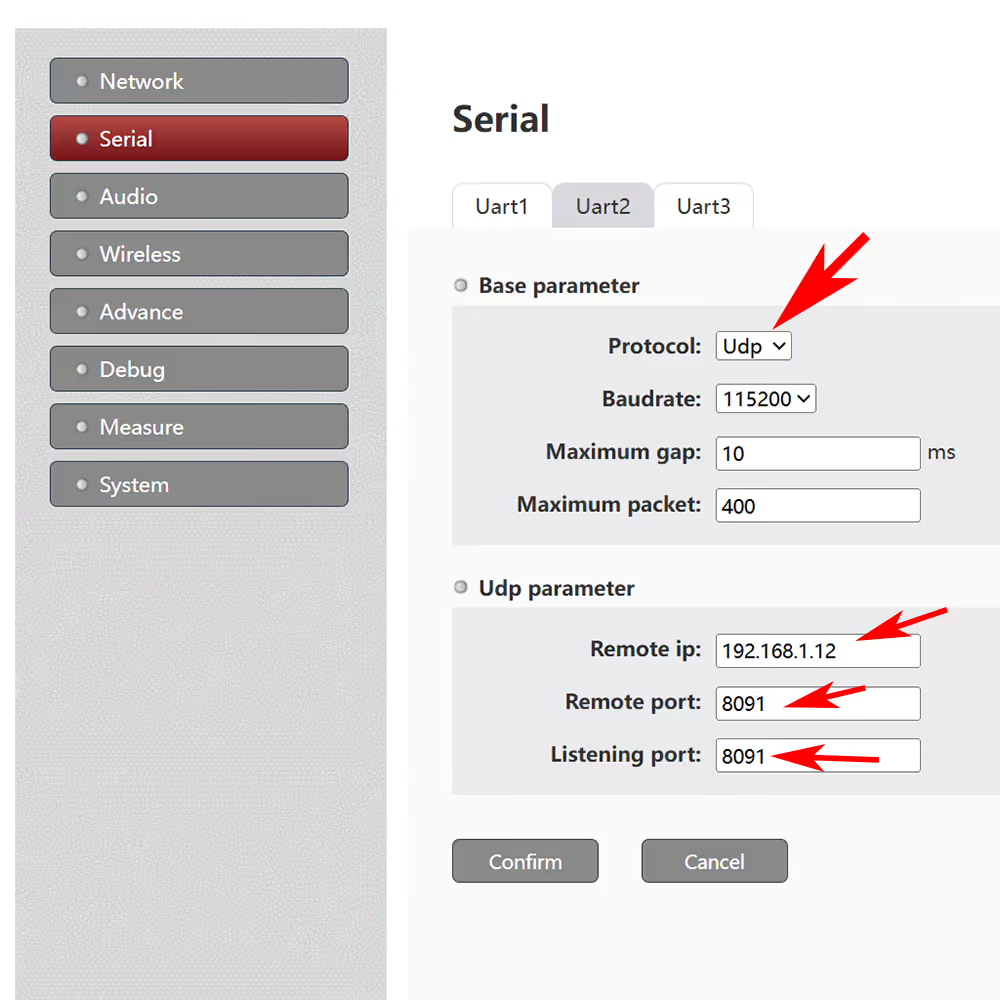
The configuration of serial port 2 for remote TX900-Central Node (192.168.1.11) 如下, corresponding to TX900-Access Node:
When creating a TCP client for a computer connected to a remote network (192.168.1.55), its remote IP address needs to be configured as the IP address of TX900-Access Node (192.168.1.12), and the port number needs to be configured as the TCP parameter “聆听端口” (如 2002) corresponding to the serial port of TX900-Access Node (such as serial port 2).
问一个问题
感谢您的回复。 ✨