






适用于 IP67 的非辐射热像仪锗玻璃窗 – 完整的常见问题解答指南
为热模块设计密封外壳时, 选择正确的 IP67 非辐射热像仪锗玻璃窗 保护至关重要. 不正确的材料选择会完全阻挡红外传输并降低系统性能.
此常见问题解答解释了辐射测量能力以及 IP67 外壳集成的正确窗口材料.

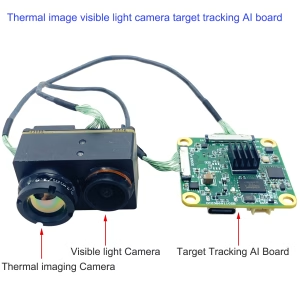
人工智能网络摄像机
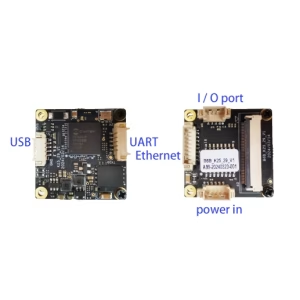

第一视角相机
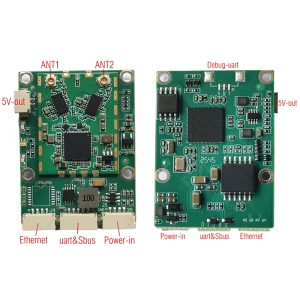
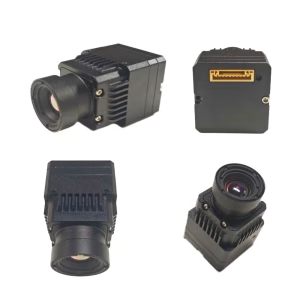

第一视角相机
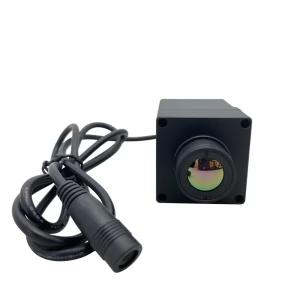
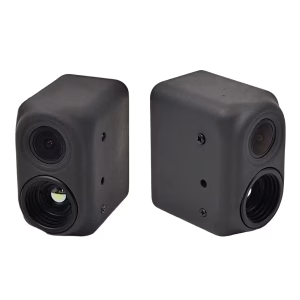
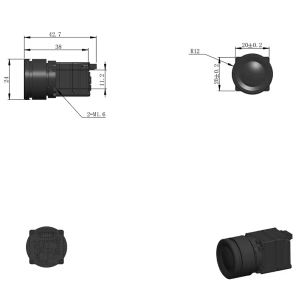

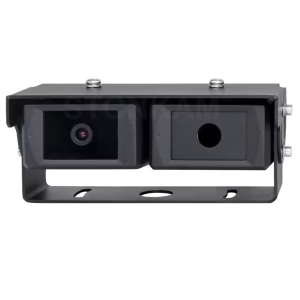
热像仪
目录
1) 热像仪是否有辐射?
Q: 您的热像仪是辐射测量的吗?
一个: 没有. 我们的模块是一个 非辐射热像仪.
它是一种被动红外成像传感器,检测长波红外光 (lwir) 辐射并生成热图像. 然而, 确实如此 不 提供每像素温度测量或绝对温度数据输出.
这种类型的非辐射热像仪非常适合:
- 无人机有效载荷
- 夜视系统
- 安全监控
- 目标检测
- 工业监控
如果您的应用需要温度测量和热分析, 则需要辐射版本.

2) 为什么 IP67 需要锗玻璃窗?
设计密封外壳时, 你必须使用一个 IP67 非辐射热像仪锗玻璃窗 保护.
热像仪通常在 8–14 μm 长波红外波长范围. 用于可见光的标准光学玻璃或钢化玻璃会阻挡红外辐射,导致热图像无法使用.
推荐材质: 锗 (锗)
锗广泛应用于热成像系统,因为:
- 在 8–14 μm 红外光谱范围内具有高透射率
- 光学性能稳定
- 良好的机械强度
- 适用于密封IP67户外环境
3) IP67 外壳的重要设计注意事项
当集成一个 IP67 非辐射热像仪锗玻璃窗, 考虑以下因素:
- Use AR coating designed specifically for 8–14 μm LWIR (not visible-light AR coating).
- Select proper window thickness (commonly 1–3 mm depending on size and pressure requirements).
- Ensure waterproof sealing to prevent moisture ingress.
- Prevent internal condensation using proper ventilation or desiccant solutions.
Incorrect window material selection is one of the most common causes of poor thermal image performance.
结论
If you are designing a sealed enclosure, always choose the correct IP67 非辐射热像仪锗玻璃窗 应用. Standard glass will not work for LWIR systems.
For window thickness recommendations or coating specifications, feel free to contact us with your housing size and application details.
问一个问题
感谢您的回复。 ✨