





Why COFDM Links Should Avoid DVB-T Frequencies in Europe
COFDM (مولتی پلکسینگ تقسیم فرکانس متعامد کد شده) is a robust technology used for wireless video transmission. Its strong resistance to multipath interference makes it ideal for drones, وسایل نقلیه, and tactical surveillance systems.
با این حال, when operating in Europe, it is essential to avoid using frequencies assigned to DVB-T and DVB-T2 digital television broadcasting.
Even though both systems rely on the same COFDM modulation principle, their applications, قدرت انتقال, and regulatory control are completely different.
This article explains why COFDM links should avoid DVB-T frequencies, the consequences of overlap, and the recommended frequency bands for reliable and legal operation.
فهرست مطالب
1. Understanding DVB-T and DVB-T2
DVB-T (Digital Video Broadcasting – Terrestrial) و DVB-T2 are Europe’s standard formats for terrestrial digital TV broadcasting.
They occupy specific frequency bands:
- VHF Band III: 174 – 230 مگاهرتز
- UHF Bands IV–V: 470 – 694 مگاهرتز
Some regions previously extended up to 862 مگاهرتز, اما 700 MHz and higher range is now mostly reallocated to 4G/5G mobile networks. These frequency ranges are tightly regulated and reserved for high-power public television broadcasting.
2. Why COFDM Transmitters Must Avoid DVB-T Frequencies
(1) Avoid Interference with Public Broadcasts
COFDM video transmitters working within 470–694 MHz may interfere with DVB-T reception nearby.
Because DVB-T transmitters use tens of kilowatts of power, even a low-power private transmitter can cause:
- pixelation or signal loss on TV screens,
- temporary blackouts of digital channels,
- complaints and enforcement actions by local authorities.
Agencies such as Ofcom (انگلستان), ANFR (فرانسه), و BNetzA (آلمان) strictly prohibit unauthorized signals within DVB-T frequencies.
(2) Prevent Receiver Overload and Self-Interference
Even if your COFDM system uses a different channel within the same band, strong DVB-T broadcast signals can saturate the receiver front end.
This leads to:
- drastically reduced transmission distance,
- unstable decoding,
- frequent image freezing or disconnection.
Thus, using DVB-T frequencies not only risks legal issues but also degrades your own link quality.
(3) Comply with Spectrum Regulations
Under جستجو EN 300 744 (DVB-T) و EN 302 755 (DVB-T2), the 470–694 MHz range is reserved exclusively for digital terrestrial television.
Operating COFDM systems in this range without authorization is illegal in most European countries and can result in fines or equipment seizure.
3. Recommended Frequency Bands for COFDM Links
| کاربرد | Recommended Band | Frequency Range | یادداشت ها |
|---|---|---|---|
| UAV / Drone Video | ISM Band | 2.4 گیگاهرتز / 5.8 گیگاهرتز | License-free, globally accepted |
| Ground Surveillance | Licensed Band | 1.4 گیگاهرتز / 2.3 گیگاهرتز | Balanced performance, license required |
| تاکتیکی / Police Use | Sub-GHz Band | 300 – 900 مگاهرتز | نفوذ قوی, restricted access |
| Civil / Demo Use | ISM Band | 2.4 گیگاهرتز / 5.8 گیگاهرتز | Best for demonstrations and non-critical use |
Using these ranges prevents interference and ensures compliance with local spectrum laws.
4. DVB-T/T2 Frequency Chart for Europe
| باند | Frequency Range (مگاهرتز) | Primary Use |
|---|---|---|
| VHF Band III | 174 – 230 | Regional DVB-T broadcasting |
| UHF Bands IV–V | 470 – 694 | Core DVB-T/T2 range |
| بالا 700 مگاهرتز | 694 – 862 | Now used for LTE/5G mobile networks |
For COFDM transmitters in Europe:
- Avoid: 174–230 MHz and 470–694 MHz
- استفاده کنید: 1.2 گیگاهرتز, 2.4 گیگاهرتز, یا 5.8 GHz bands for safe, interference-free video transmission.
5. Engineering Recommendations
- Add Selectable Frequency Options
Allow users to manually switch to ISM bands or licensed frequencies to stay within legal limits. - Integrate RF Filters
Bandpass filters help block powerful DVB-T signals and protect receiver sensitivity. - Provide Frequency Planning Tools
Offer frequency charts and planning guides for each country to help users avoid restricted DVB-T/T2 ranges. - Include Legal Warnings in Manuals
“Operation within DVB-T or DVB-T2 frequency ranges is prohibited in Europe. Use ISM or authorized frequencies only.”
6. نتیجه گیری
COFDM offers exceptional reliability for wireless video transmission, اما frequency selection is critical.
In Europe, DVB-T/T2 occupies the 470–694 MHz band (and parts of 174–230 MHz) for digital TV broadcasting. Using these frequencies for COFDM video can cause interference, instability, and legal violations.
To ensure stable and compliant performance:
- Avoid DVB-T/T2 broadcast ranges,
- Use ISM or licensed frequency bands,
- Always verify local spectrum regulations before deployment.
Following these principles ensures clear video, stable communication, and compliance across Europe.
سوالات متداول (پرسش و پاسخ)
1. میتونم استفاده کنم 500 MHz for my COFDM transmitter?
خیر. 500 MHz falls inside the DVB-T broadcasting band (470–694 MHz). Transmitting there may interfere with digital television and is not legally allowed without authorization.
2. What happens if I use a DVB-T frequency accidentally?
You may disrupt public TV reception and attract enforcement action from local authorities. It can also cause heavy interference to your own COFDM receiver, reducing range and image quality.
3. Which frequencies are legal for drones and mobile video?
For civil and commercial use, ISM bands such as 2.4 گیگاهرتز و 5.8 گیگاهرتز are the best legal options. Lower frequencies (1.2–1.4 GHz or 300–900 MHz) may be used only under licensed or military conditions.

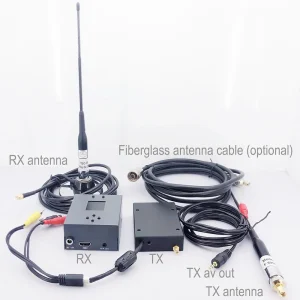
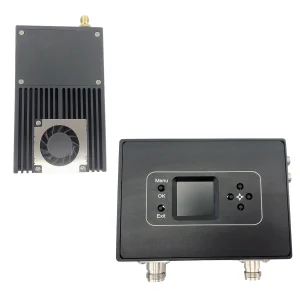

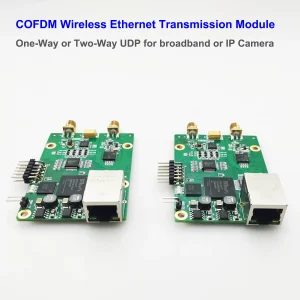
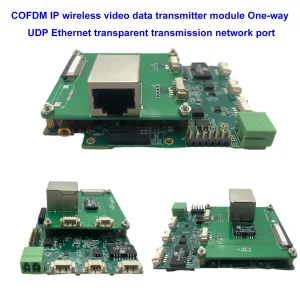
COFDM
فرستنده و گیرنده ویدیوی بی سیم برای دوربین, HDMI HD H265 264 رمزگذار 1W/2.5W PA 1080P60 Vcan1726



سوال بپرسید
از پاسخ شما سپاسگزاریم. ✨