





How to choose a suitable wireless video transmitter and receiver for your project? We think that you should tell us your project details on the below points.
1. فاصله, How far from the transmitter and camera to the receiver? 1کیلومتر, 5کیلومتر, 10کیلومتر, 30کیلومتر, or 50km, different distances, we should consider the different power amplifiers, like 1W, 2W, 5W, or 10W. The cost is very different.
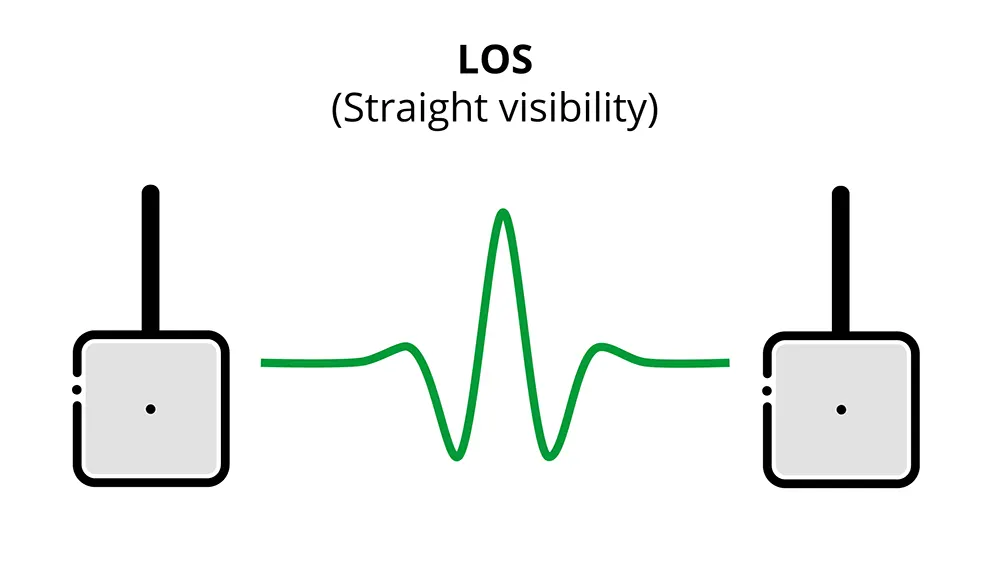
2. The transmission system is used from UAV air to ground or ground use only? The problem we should consider is whether it is LOS (light of sight) or NLOS (غیر خط دید).
3. What type of your camera to the transmitter, HDMI, CVBS, SDI.
4. The receiver only downloads the video from the transmitter or need to send data or control commands from the receiver to the transmitter?

Today I got one inquiry for our wireless video transmitter and receiver. let me see what is his requirement.
من خرید خواهم کرد COFDM-907تی ویدیو – صوتی, فرستنده – گیرنده HD 1080P. من از آن برای FPV در اتومبیل های RC استفاده خواهم کرد. اما,
- آیا دوربین 1080p HD PTZ کار خواهد کرد؟?
- آیا می توانید فرکانس کاری بین را تنظیم کنید 890 – 900مگاهرتز?
- آیا می توانید پهنای باند کاری را بیش از 6 مگاهرتز ایجاد کنید?
- تا کجا (کیلومتر) آیا بین ساختمان های شهر می رود؟?
- آیا میکروفون متصل است?
Let us see his first requirement.
Question 1. آیا دوربین 1080p HD PTZ کار خواهد کرد؟?
بله, 907T supports 1080P HD PTZ camera, what type of camera connector? HDMI or CVBS or RJ45? As we have HDMI and CVBS video input for the camera.
Regarding the PTZ camera. Does he need to control the PTZ camera from the receiver? اگر بله, then it should be a two-way data link, more expensive. If only downloads the video from the camera to the receiver, then it is simple and cheaper.
Question 2. آیا می توانید فرکانس کاری بین را تنظیم کنید 890 – 900مگاهرتز?
Most COFDM frequency range is from 170~860MHz. Here his requirement is 890~900Mhz, if out of the university frequency range, the solution is to add the down converter block. Luckily that COFDM-907T supports frequency until 930Mhz. So we can modify the frequency at this range 890~900Mhz. And our receiver also supports this frequency range.
Question 3: آیا می توانید پهنای باند کاری را بیش از 6 مگاهرتز ایجاد کنید?
This is no problem, normally wireless video transmitters support bandwidth at 6, 7 8مگاهرتز.
Question 4: تا کجا (کیلومتر) آیا بین ساختمان های شهر می رود؟?
The city is a complex environment. There are many wireless devices in the building and street. When we are testing the wireless video transmission system, the crossing street will interfere with the wireless video transmission. در ویدیوی آزمایشی ما, 907T supports 1km in the buildings, درختان, و خیابان ها. please check another test video, link at the video description.
Question 5. آیا میکروفون متصل است?
HDMI input supports video and audio, and CVBS RCA also includes audio and video.
-
 شبکه ازدحام پهپاد شبکه مش 100 کیلومتر 60 مگابیت در ثانیه پیوند رادیویی 4 گره 2X پرش فرکانس 2X تقویت کننده قدرت 5 وات
 -
ماژول فرستنده ویدئویی FPV 170-860 مگاهرتز فرستنده صوتی بی سیم RF برای دوربین FPV 3W PA 50 کیلومتر
-
IP MESH 100MBPS VIDEO VIDEO VIDEO VIDEO VIDEO VIDEO 2X5W PA 16 هاپ
-
پیوند بدون سرنشین برای انتقال بیسیم تله متری رادیویی داده ویدئویی برد بلند بین پهپاد و ایستگاه کنترل زمینی
-
فرستنده و گیرنده ویدئوی بی سیم ماژول پیوند داده پهپاد پهپاد برای دوربین فرستنده و گیرنده دو طرفه TDD vcan1401
-
گیرنده-فرستنده ویدئو COFDM AV در خروجی HDMI FPV, بی سیم 10km-15km-30km برد بلند ارزان تر و طولانی تر COFDM-912T
-
1740-1840MHz 2WPA 30 کیلومتر فرستنده ویدیویی هواپیمای بدون سرنشین با برد طولانی با SBUS TTL
-
30کیلومتر طولانی گیرنده فرستنده ویدیوی بی سیم COFDM HDMI مجموعه کامل صوتی تصویری TX RX برای پهپاد Drone 1080P 908T
-
دو طرفه پهپاد بی سیم ویدئو داده RC ماژول کنترل فرستنده و گیرنده دو طرفه برد بلند فرستنده-گیرنده Vcan1681



How to Choose a Suitable Wireless Video Transmitter and Receiver for Your Project
When you are planning a project that requires wireless video transmission, selecting the right transmitter and receiver is one of the most critical decisions. Many customers ask us how to evaluate different options, and the truth is that the “best” solution depends heavily on the actual application environment. A wireless video transmitter and receiver is not a one-size-fits-all product. The choice should be based on your project’s specific requirements, including distance, فرکانس کاری, video interface type, and whether you need one-way or two-way data transmission. در زیر, we will outline the key points you should consider before purchasing.
فهرست مطالب
1. Distance Requirement
The very first question you should ask is: how far do you need to transmit the video signal?
Different projects require different ranges. به عنوان مثال:
- 1 km short distance: Suitable for small drone operations, FPV RC cars, or short-range tactical applications. در این مورد, a low-power amplifier such as 1W is often sufficient.
- 5 km medium distance: Often used for public security, field monitoring, or urban deployments where the signal path is partially blocked. A 2W power amplifier may be required.
- 10–30 km long distance: Ideal for UAV air-to-ground surveillance or long-distance outdoor live broadcasting. You will need a stronger power amplifier, such as 5W, and often higher-gain directional antennas.
- 50 کیلومتر یا بیشتر: These ultra-long distances are mostly used in military or specialized industrial projects, requiring high-power amplifiers (10W or higher), excellent antennas, and strict line-of-sight conditions.
It is important to remember that cost rises significantly with distance. A 1W system is far cheaper than a 10W system, so you should define your real requirement clearly. If you only need 2 km of stable coverage, buying a 30 km system is unnecessary.
2. Application Scenario: UAV or Ground Use
The second factor to consider is where and how the transmission system will be used.
- پهپاد هوا به زمین: The transmitter is mounted on a drone, and the receiver is on the ground. This scenario usually provides a clear خط دید (LOS) condition, meaning the signal travels directly without obstacles. Under LOS, the transmission quality is much better, and longer ranges can be achieved.
- Ground-to-ground: When both transmitter and receiver are on the ground, there are often many obstacles such as buildings, درختان, and vehicles. This creates a غیر خط دید (NLOS) محیط زیست, which reduces range and stability. در این مورد, more robust modulation like COFDM (مولتی پلکسینگ تقسیم فرکانس متعامد کد شده) is necessary because it resists multipath interference and reflection.
When evaluating, ask yourself: Will the system work mostly outdoors with open sky, or in complex city streets? This will determine whether you need a low-cost LOS system or a more advanced NLOS solution.
3. Camera Interface Compatibility
Another key point is: what type of video output does your camera have?
Most wireless video transmitters and receivers support different interfaces, but you must match them correctly:
- HDMI: The most common digital video interface, supporting resolutions up to 1080P and beyond.
- CVBS (ویدئو کامپوزیت): Analog video, lower resolution, but still widely used in FPV and legacy cameras.
- SDI: Professional digital video interface, common in broadcast or cinema-grade cameras.
- IP (RJ45/Ethernet): For network cameras, requiring encoder/decoder integration.
قبل از سفارش, always specify your camera type. به عنوان مثال, if you have a PTZ camera with HDMI output, you should select a transmitter that has HDMI input.
4. One-Way vs Two-Way Transmission
Ask yourself: Do you only need to send video from the transmitter to the receiver, or do you also need to send data/control commands back?
- انتقال یک طرفه: Only video/audio is transmitted. This is the most common and affordable solution, suitable for simple FPV monitoring or video broadcasting.
- Two-way transmission: In addition to video downlink, there is a return data uplink for control commands. This is especially important if you need to control a PTZ camera (pan, کج کردن, بزرگنمایی) remotely from the receiver side. Two-way systems are more complex and expensive but necessary for advanced applications.
A Real Customer Inquiry Example
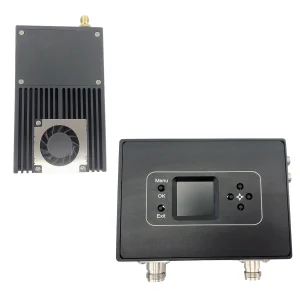
Today we received an inquiry from a customer interested in our COFDM-907T ویدئو – فرستنده صوتی – گیرنده سیستم. Let’s review his requirements step by step to see how the selection process works in practice.
Customer’s Questions and Our Answers:
Q1: آیا دوربین 1080p HD PTZ کار خواهد کرد؟?
بله, the COFDM-907T supports 1080P HD input. But we need to clarify: what is the camera connector? HDMI یا CVBS? Our transmitter can accept both. Regarding PTZ, if the customer wants only video, the one-way link is enough. But if he needs to control the PTZ from the receiver side, then a two-way data link is required, which is more expensive.
Q2: Can you set the operating frequency between 890–900MHz?
Most COFDM transmitters work in the 170–860MHz range. The customer’s request is slightly outside this band. Fortunately, our COFDM-907T can be modified to support frequencies up to 930MHz, so 890–900MHz is achievable. This may require a frequency adjustment or down converter, but it is within technical reach.
Q3: آیا می توانید پهنای باند کاری را بیش از 6 مگاهرتز ایجاد کنید?
بله, this is no problem. به طور معمول, our transmitters support bandwidths of 6, 7, یا 8 مگاهرتز. The choice depends on video quality and channel availability. A wider bandwidth allows higher data rates and better video resolution but may require a cleaner spectrum environment.
Q4: How far does it go between buildings in the city?
Urban environments are always challenging due to interference, reflection, and absorption by walls. Even though the nominal range of 907T may reach 10–15 km in LOS, in a city with NLOS, the reliable range is about 1 کیلومتر. We have test videos showing stable transmission across streets, through buildings and trees, تا 1 کیلومتر. Customers should always consider the difference between theoretical LOS range and real NLOS range.
Q5: آیا میکروفون متصل است?
بله. Both HDMI and CVBS inputs support audio as well as video. If you connect a camera with an onboard microphone, the audio will be transmitted together.
Key Takeaways for Customers
From this example, we can summarize several lessons:
- Always specify your distance requirement clearly. Do not overpay for unnecessary long-distance systems.
- State whether you will use LOS or NLOS. City environments require robust COFDM solutions.
- Tell us your camera type and video interface. HDMI, CVBS, or SDI all have different requirements.
- Decide on one-way vs two-way transmission. PTZ control requires a return data channel.
- Be clear about your operating frequency. Not all systems cover the same frequency bands, but modifications are possible.
- Remember that NLOS range is always shorter than LOS.
نتیجه گیری
Choosing a suitable wireless video transmitter and receiver is not just about buying the “strongest” or “most expensive” system. The key is to balance هزینه, عملکرد, and real-world requirements. By providing details about distance, محیط زیست, camera type, and frequency, customers help us recommend the most appropriate solution.
The COFDM-907T, به عنوان مثال, is an excellent choice for customers needing stable HD video transmission in both LOS and NLOS conditions. With flexible frequency range, support for HDMI and CVBS, and optional two-way data link, it can adapt to many professional applications. با این حال, like any wireless system, the final performance depends on correct matching of system specifications with the real operating environment.
So before you make a decision, please share with us the following details of your project:
- How far do you need to transmit?
- Is it air-to-ground or ground-to-ground? LOS یا NLOS?
- What type of camera and interface do you use?
- Do you need only video downlink, or also uplink control?
- What frequency range is available in your country?
With this information, we can provide you with the most cost-effective, قابل اعتماد, and suitable wireless video transmission solution for your project.
سوال بپرسید
از پاسخ شما سپاسگزاریم. ✨