





فهرست مطالب
EARFCN

EARFCN مخفف شماره کانال فرکانس رادیویی مطلق E-UTRA. این یک شناسه استاندارد است که در آن استفاده می شود LTE (تکامل بلند مدت) و LTE-Advanced شبکه های سلولی برای تعیین منحصر به فرد فرکانس مرکزی یک کانال رادیویی. به جای پرداختن به فرکانس های خام (به عنوان مثال, 2140 MHz), مهندسان و تجهیزات شبکه از مقادیر EARFCN برای سادگی و سازگاری استفاده می کنند.
EARFCN راهی ثابت برای ارجاع فرکانس های حامل LTE در سطح جهانی ارائه می دهد. FDD (فرکانس دوبلکس): EARFCN را برای UL و DL جدا کنید. TDD (Time Division Duplex): EARFCN تک (فرکانس اشتراک UL/DL).
RSRP
RSRP (سیگنال مرجع قدرت دریافت شده) یک اندازه گیری حیاتی در است LTE (تکامل بلند مدت) و 5G-NR (رادیو جدید) شبکه هایی که کمیت را تعیین می کنند قدرت سیگنال از یک برج سلولی (eNodeB/gNodeB) در دستگاه شما (UE). برای عملکرد شبکه ضروری است, تصمیمات واگذاری, و تجربه کاربری.
اقدامات RSRP: توان متوسط (در DBM به) دریافت شده از یک تک سیگنال مرجع اختصاصی سلول (CRS) بیش از یک پهنای باند خاص (معمولاً یک بلوک منبع ≈ 180 کیلوهرتز). تمرکز می کند فقط در سیگنال های مرجع - نه کل نویز یا تداخل کانال.
مقادیر معمولی RSRP:
| RSRP (DBM به) | کیفیت سیگنال |
|---|---|
| > -80 DBM به | عالی (قوی) |
| -80 به -90 DBM به | خوب |
| -90 به -100 DBM به | منصفانه (قابل استفاده) |
| < -100 DBM به | بیچاره (ضعیف/ناپایدار) |
| < -120 DBM به | بدون سیگنال |
SNR
SNR (نسبت سیگنال به نویز) قدرت سیگنال مورد نظر را نسبت به نویز پس زمینه اندازه گیری می کند. کمیت می کند چگونه به وضوح می توان یک سیگنال را از تداخل تشخیص داد در سیستم های ارتباطی (وای فای, سلولی, صوتی, و غیره). SNR برای عملکرد بسیار مهم است - SNR بالاتر به معنای انتقال واضح تر داده است, خطاهای کمتر, و سرعت های بیشتر.
| محدوده SNR | تاثیر عملکرد |
|---|---|
| > 30 دسی بل | پخش بی عیب 4K, بازی با تاخیر کم. |
| 20-30 دسی بل | ویدیوی HD صاف, مرور سریع. |
| 10– 20 دسی بل | وبگردی اولیه; بافر گاه به گاه. |
| 0-10 دسی بل | اتصال ناپایدار; قطرات مکرر. |
| < 0 دسی بل | اتصال قطع شد (نویز سیگنال را فرا می گیرد). |
SNR در مقابل. معیارهای مرتبط:
| متریک | تمرکز کنید | مقایسه SNR |
|---|---|---|
| RSRP | قدرت سیگنال خام (LTE/5G). | SNR به RSRP بستگی دارد - اما نویز را کم می کند. |
| RSSI | مجموع توان دریافتی (سیگنال + سر و صدا). | SNR = (RSSI – سر و صدا) / سر و صدا. |
| SINR | سیگنال در مقابل. سر و صدا + دخالت (دقیق تر). | اغلب به جای SNR استفاده می شود. |
QOS

QoS (کیفیت خدمات) مجموعه ای از فناوری ها و سیاست های مورد استفاده در شبکه است ترافیک را در اولویت قرار دهید, مدیریت پهنای باند, و اطمینان از عملکرد قابل اعتماد برای کاربردهای خاص, کاربران, یا خدمات. برای حفظ تجارب کاربری ثابت بسیار مهم است, به خصوص در شبکه هایی با منابع محدود (به عنوان مثال, سلولی, شرکت, یا شبکه های اینترنت اشیا).
اهداف کلیدی QoS:
- اولویت بندی: ترافیک با اهمیت بالا را درمان کنید (به عنوان مثال, تماس های تصویری, خدمات اضطراری) به عنوان “VIP” بیش از ترافیک با اولویت پایین (به عنوان مثال, دانلود فایل).
- تخصیص منابع: پهنای باند را برای کارهای حیاتی رزرو کنید.
- به حداقل رساندن تأخیر/ترس: تأخیرها را برای برنامههای همزمان کم نگه دارید (VoIP, بازی).
- کاهش از دست دادن بسته ها: اطمینان حاصل کنید که داده ها در طول ازدحام رها نمی شوند.
RSSI
RSSI (نشانگر قدرت سیگنال دریافتی) اندازه گیری است کل توان دریافتی (سیگنال + سر و صدا + دخالت) در یک سیستم ارتباطی بی سیم. این یک معیار اساسی است که در سراسر Wi-Fi استفاده می شود, سلولی (LTE/5G), بلوتوث, و شبکه های IoT برای سنجش قدرت سیگنال خام – اما آن بین سیگنال های مفید و نویز تمایز قائل نمی شود.
به طور معمول مقادیر منفی (از آنجایی که dBm به آن ارجاع داده شده است 1 میلی وات):
- -30 DBM به: فوق العاده قوی (نزدیک فرستنده).
- -70 DBM به: متوسط (اتصال قابل اعتماد).
- <-90 DBM به: ضعیف (ناپایدار یا غیر قابل استفاده).
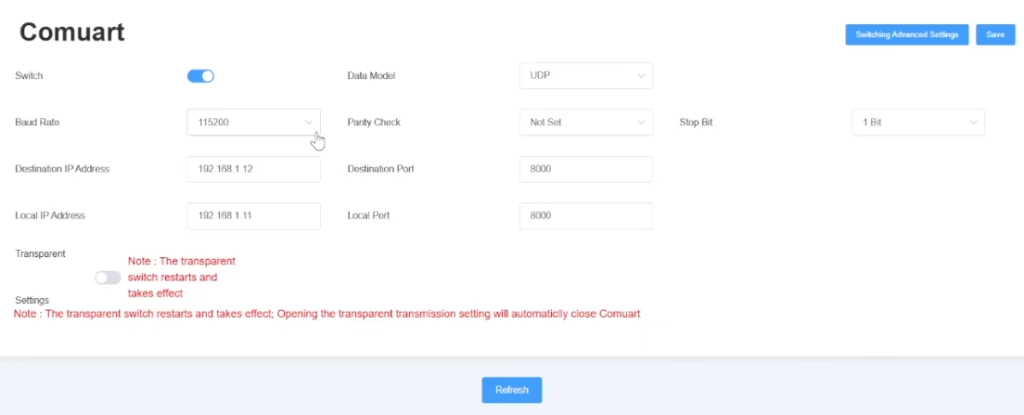
کامارت
COMUART اشاره به الف UART (گیرنده/فرستنده ناهمزمان جهانی) رابط مورد استفاده برای ارتباط سریال, معمولا در سیستم های تعبیه شده یافت می شود, سخت افزار شبکه, یا دستگاه های صنعتی. The “COM” پیشوند اغلب نقش آن را در پورت های ارتباطی (به عنوان مثال, RS-232, سریال TTL).
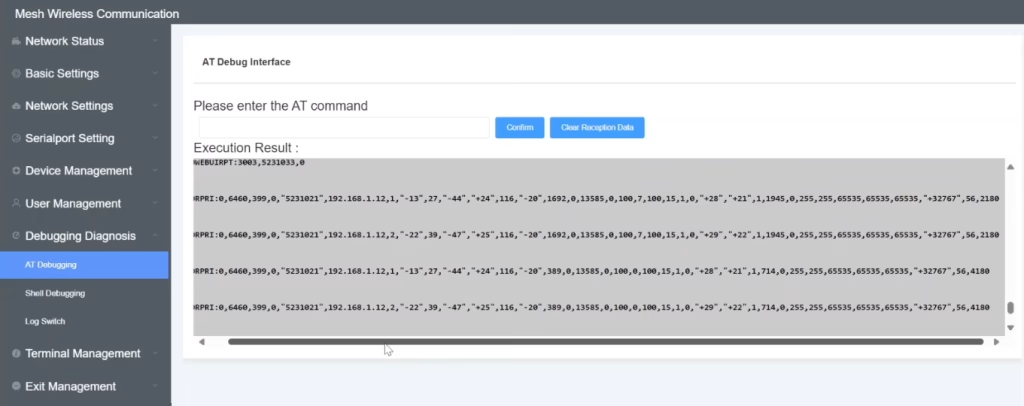
در اشکال زدایی
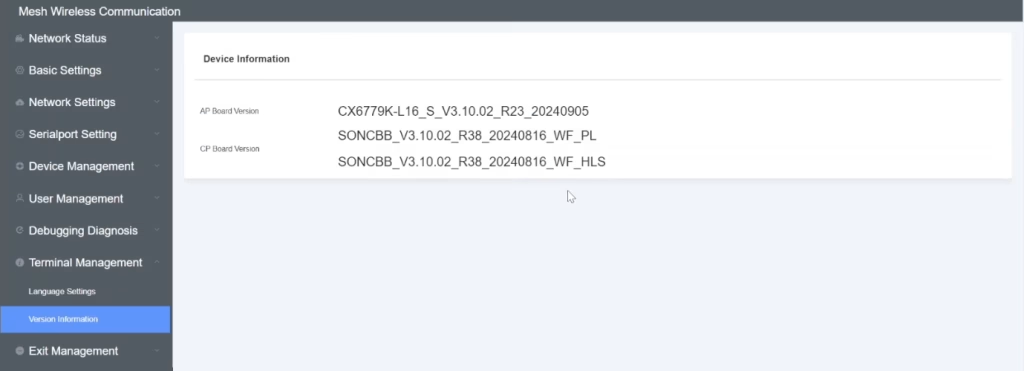
نسخه CX6779K
سوال بپرسید
از پاسخ شما سپاسگزاریم. ✨