

COFDM无线 175 MHz 视频系统 GPS 干扰常见问题解答

常问问题: 175 MHz Video System and GPS Interference on Drones

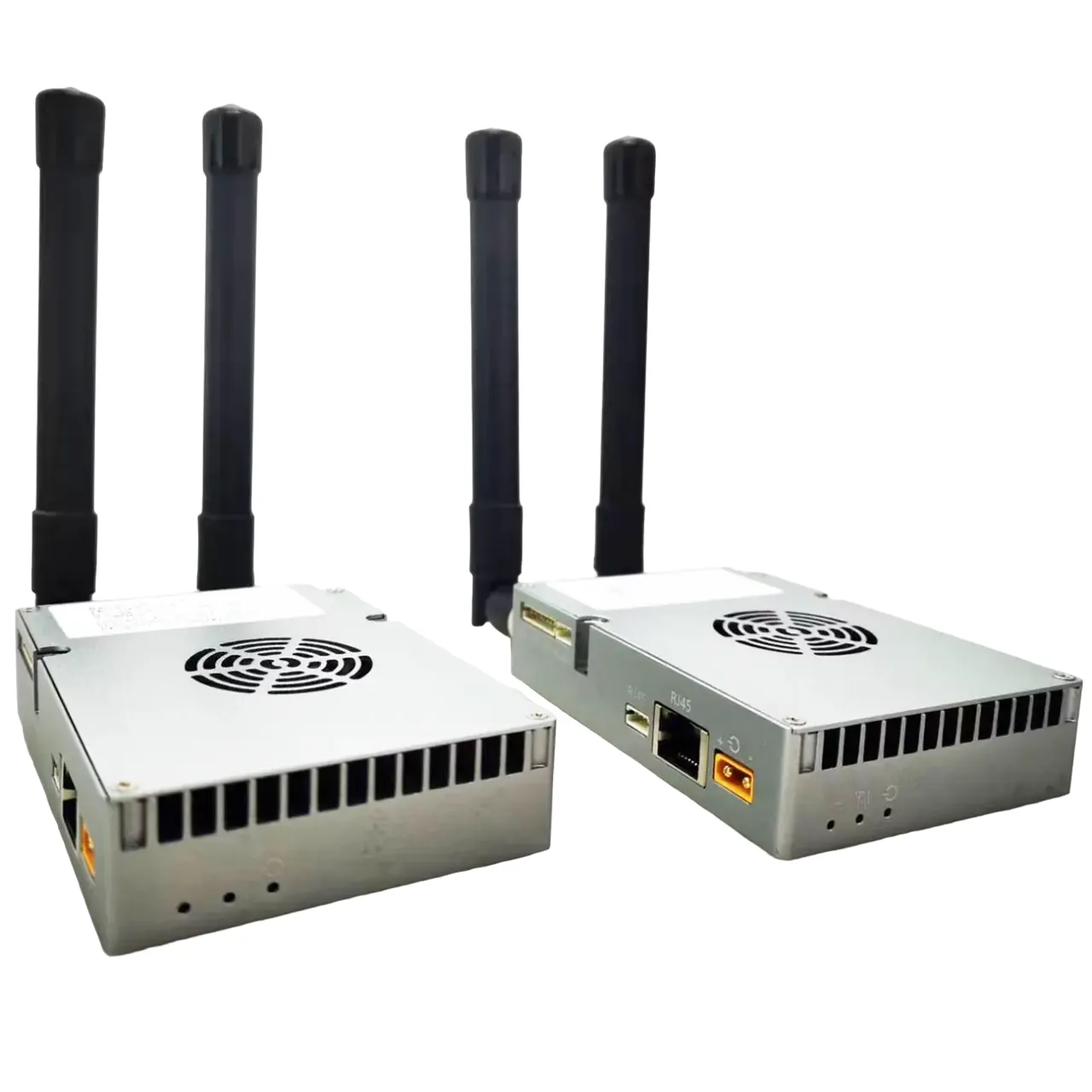
FPV 175Mhz COFDM Digital VTX VRX video transmitter and receiver
FPV 175MHz COFDM数字VTX VRX视频发射器和接收器

Q1: 可以一个 175 MHz video system interfere with my drone’s GPS?

是, it’s possible. Drones integrate multiple electronic systems into a compact space, and strong RF signals from devices like a 175 MHz video transmitter can sometimes affect sensitive GPS reception if installation or shielding isn’t optimized.


Q2: How can I check if my GPS is being affected?

You can perform a simple test:

  1. Turn 该 175 MHz video system and observe GPS performance: satellite count, 信号强度, and positioning stability.
  2. Turn the video system and compare GPS performance.

If GPS works normally with the video system off but degrades when it’s on, interference is likely.


Q3: What can I do to reduce interference?

There are three effective solutions:

1. Reduce the transmitter power

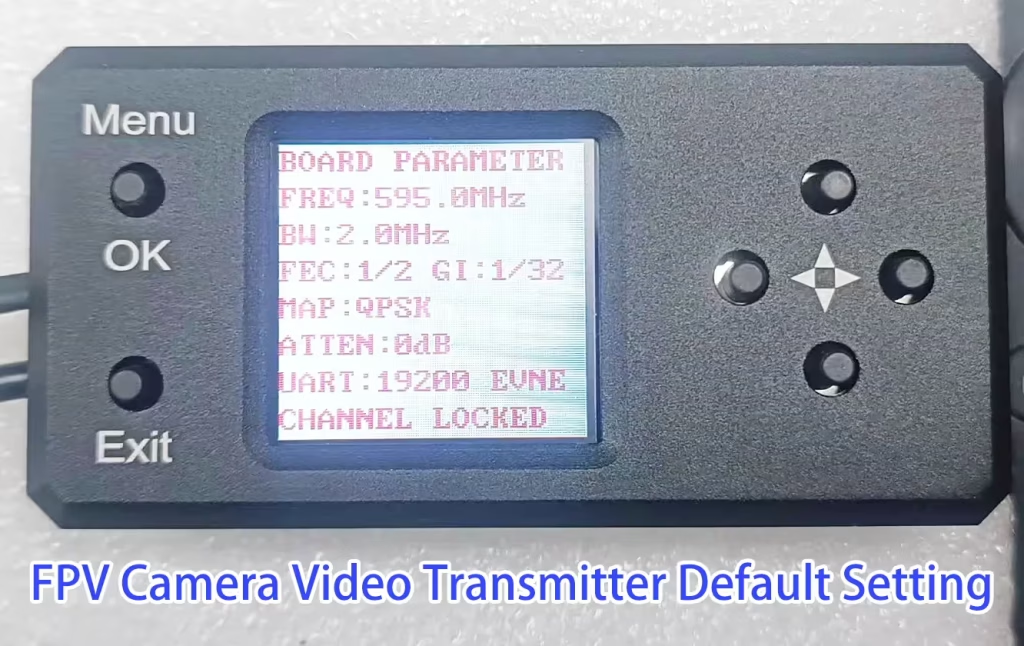
FPV-Video-Transmitter-Default-Setting
FPV-视频发射器-默认设置
  • Set the 175 MHz video transmitter to 1 W¯¯ if it’s higher.
    • 怎么做?
    • How do I adjust the transmit power via the transmitter parameter configuration board?
    • Please modify the 安泰信 (衰减) parameter in the transmitter settings. (see above picture). Power levels correspond to the following attenuation values:
    • 0 分贝 ≈ 3-watt PA (最大功率)
    • –2 dB ≈ 2-watt PA
    • –4 dB ≈ 1-watt PA
  • Lower power can reduce interference while maintaining sufficient video range.

2. Increase physical separation between antennas

  • Use an RF extension cable to place the video transmitter antenna farther from the GPS antenna.
  • Recommended layout:
    • GPS天线最佳 of the drone to receive satellite signals.
    • Video transmitter antenna底部, pointing to the ground.
  • The drone body can act as shielding to reduce interference.

3. Install a band-pass filter

  • Adding a band-pass filter on the RF antenna line ensures only 175 MHz is transmitted.
  • This suppresses harmonics or spurious emissions that could affect GPS.

Q4: What should I do next?

Try these steps in order: test GPS with the video system on/off, reduce power, optimize antenna placement, and consider a band-pass filter. If GPS issues persist, further adjustments or professional RF isolation may be needed.

价格范围:$899.00 至 $2,580.00

常问问题: Will a 175 MHz Video Transmitter Interfere with GPS Frequencies via Harmonics?

Q1: What are the GPS frequencies?
Modern civilian GPS satellites operate on the following bands:

  • L1: 1575.42 兆赫
  • L2: 1227.60 兆赫
  • L5: 1176.45 兆赫

GPS receivers are most sensitive around 1.2–1.6 GHz.


Q2: What is the second harmonic of a 175 MHz transmitter?
The second harmonic of a signal is twice its frequency:F2ndCOFDM无线传输系统传输速率计算2×175 兆赫COFDM无线传输系统传输速率计算350 兆赫f_\text{2nd} COFDM无线传输系统传输速率计算 2 \时 175\ \文本{兆赫} COFDM无线传输系统传输速率计算 350\ \文本{兆赫}f2nd​=2×175 MHz=350 MHz

The third harmonic would be:F3路COFDM无线传输系统传输速率计算3×175 兆赫COFDM无线传输系统传输速率计算525 兆赫f_\text{3路} COFDM无线传输系统传输速率计算 3 \时 175\ \文本{兆赫} COFDM无线传输系统传输速率计算 525\ \文本{兆赫}f3rd​=3×175 MHz=525 MHz


Q3: Could this harmonic interfere with GPS?

  • The second harmonic at 350 兆赫 and third harmonic at 525 兆赫far below GPS frequencies (1.2–1.6 GHz).
  • Direct interference from the second harmonic is extremely unlikely.

Q4: Could there be indirect interference?
是, but only under special circumstances:

  1. If a GPS receiver or antenna has strong nonlinear components (例如, low-quality amplifiers), high-power signals might generate intermodulation products that fall into GPS bands.
  2. Poor shielding or inadequate front-end filtering in the GPS receiver could theoretically allow some energy from the harmonics, but this is rare.

Q5: 概括

  • 一个 175 MHz video transmitter will not directly interfere with GPS via its second harmonic.
  • Any observed GPS interference is more likely due to receiver nonlinearity, poor shielding, or intermodulation effects rather than the transmitter’s harmonics.

问一个问题

← 返回

感谢您的回复。 ✨