

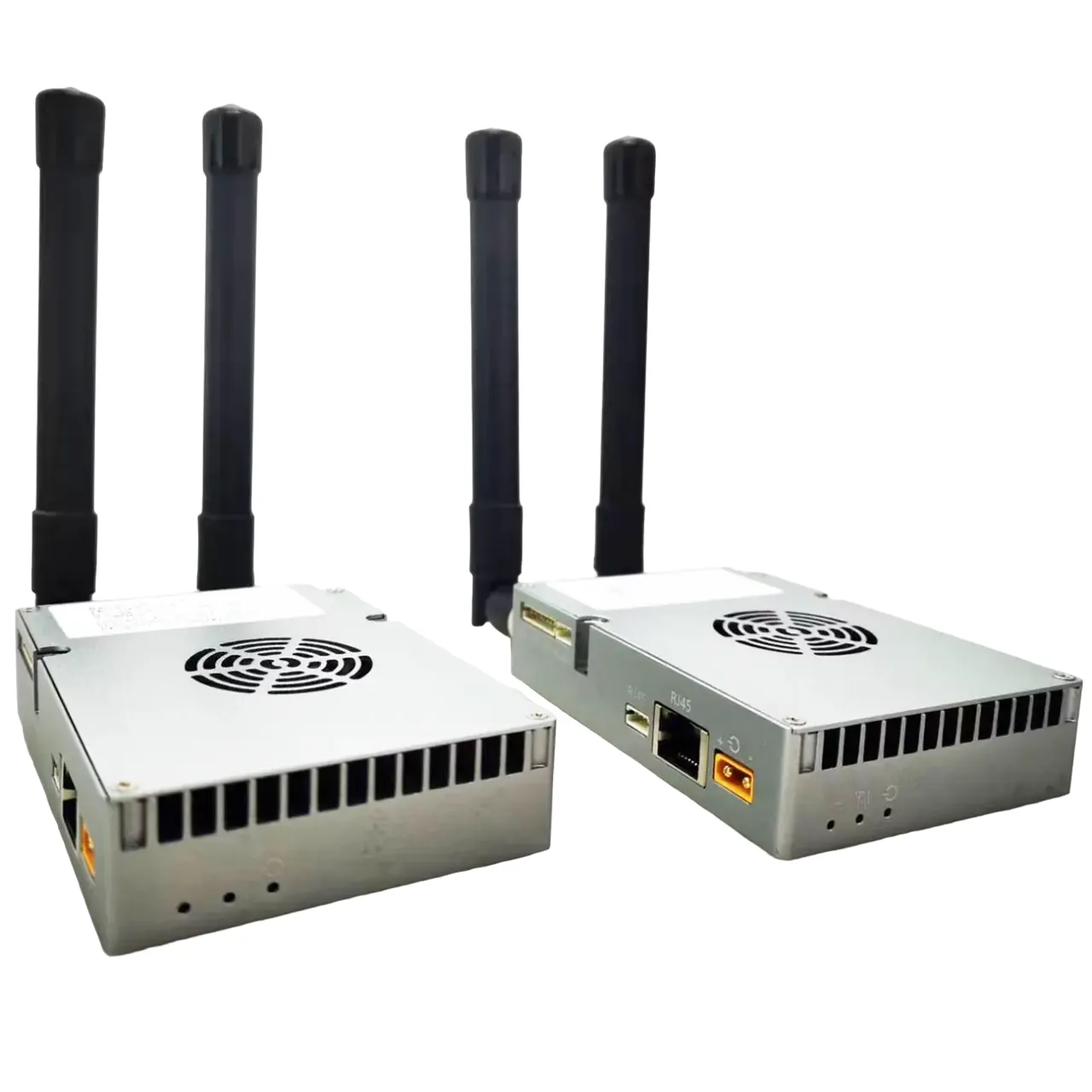
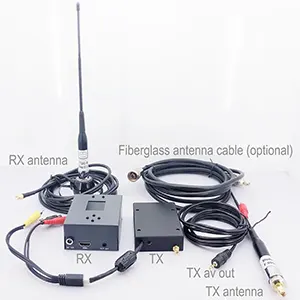


是, you can connect an analog camera to an NVR (網路錄影機), but it requires additional hardware or specific compatibility since NVRs are designed to work with IP cameras. Below is a breakdown of methods, 要求, and considerations:
1. Direct Connection (Only for Hybrid NVRs)
Some hybrid NVRs have built-in analog video inputs (例如, BNC ports) to support both analog and IP cameras.
- 步驟:
- Connect the analog camera directly to the NVR’s BNC port using coaxial cable.
- Power the camera via a separate 12V DC adapter or use a Siamese cable (combining power and video).
- Configure the analog camera channel in the NVR’s interface.
- 限制:
- Hybrid NVRs are less common and may cap analog resolutions (例如, 720p).
- Analog cameras won’t support advanced IP features (例如, analytics, metadata).
2. Use a Video Encoder (Analog-to-IP Converter)
If your NVR is IP-only, you’ll need a video encoder to convert the analog signal into an IP stream.
步驟:
- Connect the Analog Camera to the Encoder:
- Use a coaxial (BNC) or composite (RCA) 電纜.
- Power the Encoder:
- Via PoE (乙太網路供電) or a 12V DC adapter.
- Connect the Encoder to the Network:
- Link the encoder to your network via Ethernet.
- Add the Encoder to the NVR:
- Use the encoder’s IP address or ONVIF/RTSP URL to integrate it into the NVR.
Key Requirements:
- A standalone single-channel 或者 multi-channel video encoder (例如, Axis T8310, Hikvision DS-6301H).
- Compatibility with your analog camera’s format (例如, NTSC/PAL制式, AHD, 高畫質電視).
3. Use a DVR as an Encoder
If you already have a 硬碟錄影機 (Digital Video Recorder), you can connect it to the NVR as an intermediate device:
- Connect analog cameras to the DVR.
- Link the DVR to the NVR via Ethernet.
- Add the DVR’s IP feed to the NVR (similar to adding an IP camera).
4. Power and Cabling Considerations
- 功率: Analog cameras typically require 12V DC power. Use a separate power supply or PoE splitters/injectors if the encoder supports PoE.
- Cabling:
- 同軸 (RG59/RG6): For video transmission.
- Siamese Cable: Combines coaxial (影片) 和 18/2 (力量) wires.
- 以太網絡: For connecting the encoder to the network.
Key Compatibility Factors
- Encoder/NVR Protocol Support:
- Ensure the encoder supports ONVIF 或者 即時傳輸協定 to work with most NVRs.
- 解決:
- Analog cameras max out at 0.3–2 MP (例如, 1080p for AHD), but the encoder will digitize at the camera’s native resolution.
- 幀率:
- Analog cameras typically output 25/30 幀率, which the encoder preserves.
Pros and Cons
| Pros | Cons |
|---|---|
| Reuse existing analog cameras. | Limited resolution vs. 網路攝影機. |
| Cost-effective for legacy systems. | Extra hardware (encoder) required. |
| Works with most modern NVRs. | Slight latency from encoding. |
Example Setup Diagram
                     ↑
              12V Power Supply/PoE
When to Use This Method
- You have functional analog cameras and want to integrate them into an IP-based system.
- Budget constraints prevent replacing analog cameras with IP models.
- Existing coaxial wiring is difficult to replace (例如, long-distance runs).
Troubleshooting Tips
- 無訊號: Check power to the camera/encoder and coaxial connections.
- NVR Not Detecting Encoder: Verify ONVIF/RTSP compatibility and network settings (IP conflicts, firewall rules).
- Poor Video Quality: Ensure the encoder’s resolution matches the camera’s output.
簡而言之, 是的, you can connect analog cameras to an NVR using a video encoder or hybrid NVR. This approach preserves your investment in analog hardware while unlocking modern IP surveillance features.
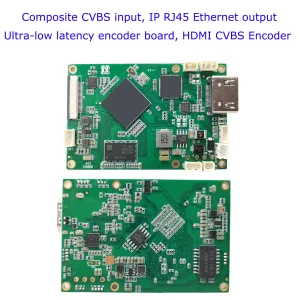

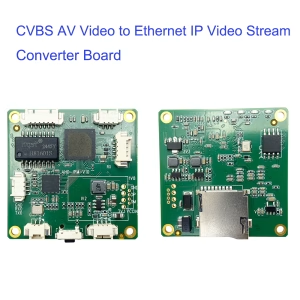
CVBS HDMI到IP編碼器

人工智能網絡攝像機