
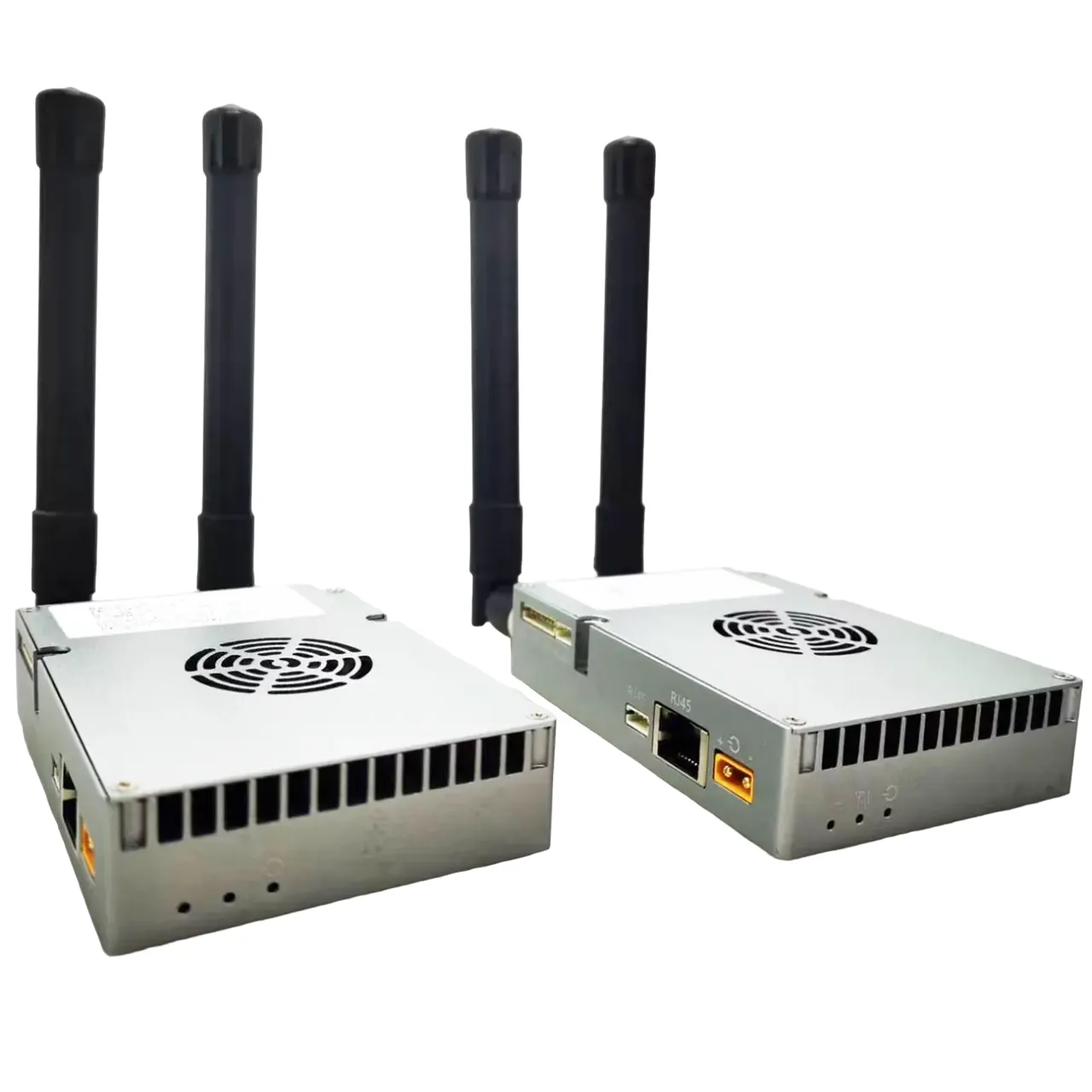
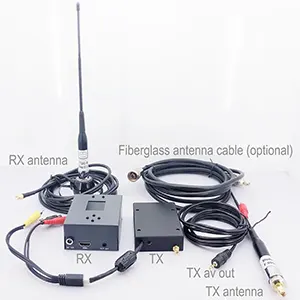


Composite Video to IP refers to the process of converting analog composite video signals (such as those from CCTV cameras, VCRs, or older video sources) の中へ digital IP (Internet Protocol) ストリーム so they can be transmitted over a network (LAN, WAN, or the internet).
仕組み:
-
Analog Signal Input: A composite video source (RCA or BNC connector) feeds an エンコーダ または converter.
-
デジタル化 & 圧縮: The encoder converts the analog signal into a digital format (例えば, H.264, H.265).
-
Streaming Over IP: The digital stream is encapsulated in network protocols (RTSP, RTP, HTTP, or RTMP) for transmission over an IP network.
-
Viewing & ストレージ: The video can be viewed on IP-based devices like computers, NVR, mobile apps, or cloud platforms.
一般的な使用例:
-
Upgrading Analog CCTV Systems: Converting legacy security cameras to work with modern IP-based systems.
-
遠隔監視: Streaming old analog video sources over the internet for remote access.
-
放送 & Streaming: Sending composite video signals to online platforms or IPTV systems.
Devices Used for Conversion:
-
Video Encoders (Composite to IP converters)
-
DVRs with Network Streaming Capabilities
-
USB Capture Cards with Network Software
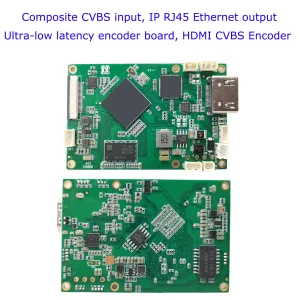
CVBS HDMIからIPエンコーダー
SDI または HDMI IP エンコーダ変調器 CVBS H.265 H.264 エンコードボード PCBA イーサネット RSTP UDP UAV ドローン ロボット用

AI IPカメラ
CVBS から IP へのコンバータ, 最小の AV 入力エンコーダー ボードからイーサネット出力へ, composite video audio, またはカメラから IP への変換
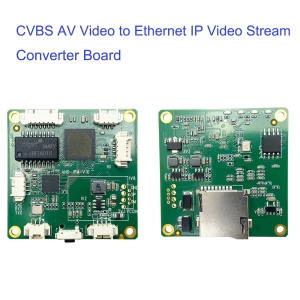
CVBS HDMIからIPエンコーダー
アナログ CVBS AV ビデオからイーサネット IP ビデオ ストリーム コンバータ ボード エンコーダ サポート UDP RTSP 低遅延
