




Composite Video to IP refers to the process of converting analog composite video signals (such as those from CCTV cameras, VCRs, or older video sources) 進入 digital IP (網際網路協定) 溪流 so they can be transmitted over a network (區域網路, WAN, or the internet).
它是如何運作的:
-
Analog Signal Input: A composite video source (RCA or BNC connector) feeds an encoder 或者 converter.
-
數位化 & 壓縮: The encoder converts the analog signal into a digital format (例如, H.264, H.265).
-
Streaming Over IP: The digital stream is encapsulated in network protocols (即時傳輸協定, 即時傳輸協定, HTTP協定, 或 RTMP) for transmission over an IP network.
-
Viewing & 貯存: The video can be viewed on IP-based devices like computers, 網路錄影機, mobile apps, 或雲端平台.
Common Use Cases:
-
Upgrading Analog CCTV Systems: Converting legacy security cameras to work with modern IP-based systems.
-
遠端監控: Streaming old analog video sources over the internet for remote access.
-
pod送 & 串流媒體: Sending composite video signals to online platforms or IPTV systems.
Devices Used for Conversion:
-
Video Encoders (Composite to IP converters)
-
DVRs with Network Streaming Capabilities
-
USB Capture Cards with Network Software
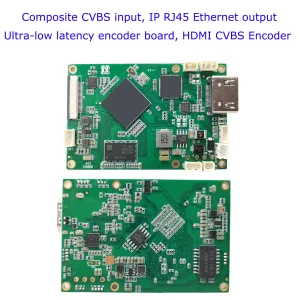

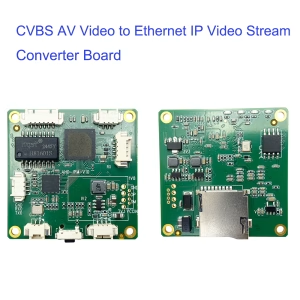
CVBS HDMI到IP編碼器

人工智能網絡攝像機