

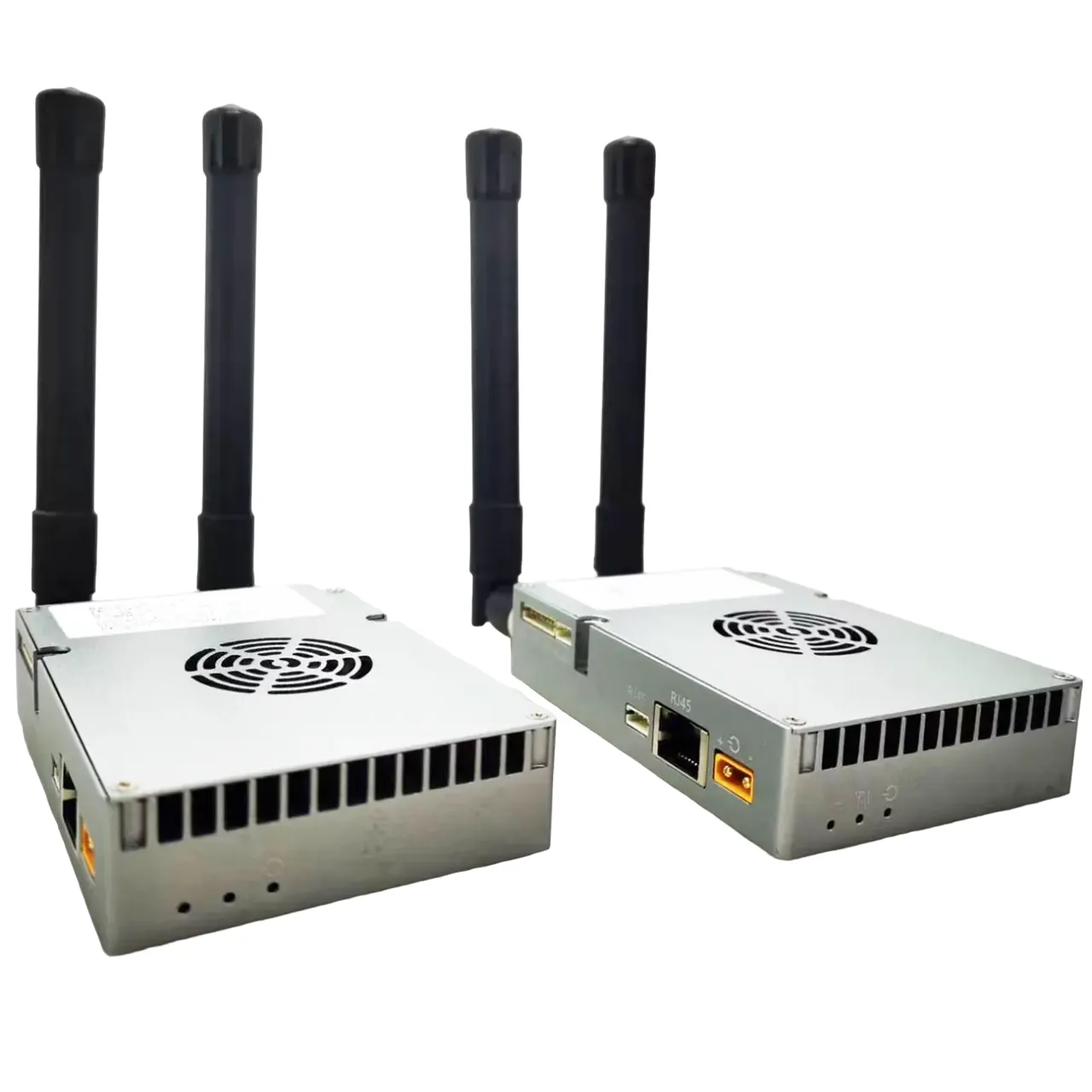
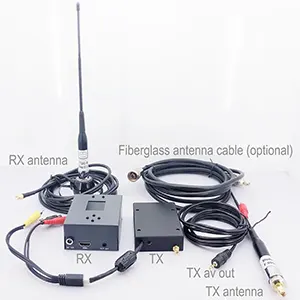


Drone Video Data Transmitter and Receiver FAQ: Long-Range UAV Video Transmission Guide
As UAV technology continues to evolve, 信頼性のある drone video data transmitter and receiver systems have become essential for long-range drone operations, 監視, マッピング, 検査, and military-grade UAV applications.
One of the most common questions from drone integrators and UAV manufacturers is how to choose the right ワイヤレスビデオ伝送システム 安定した, 低遅延, long-distance communication.
In this FAQ guide, we answer the most frequently asked questions about the TX900 long-range ドローンビデオ送信機と受信機 解決.

What Is a Drone Video Data Transmitter and Receiver?
A drone video data transmitter and receiver system is a wireless communication solution that transmits:
- HDビデオ
- テレメトリデータ
- Flight control data
- IP network signals
between the UAV air unit and the ground control station.
これらのシステムは以下の分野で広く使用されています。:
- Long-range UAV operations
- FPVドローン
- Surveillance drones
- VTOL UAVs
- Military drones
- 産業用検査用ドローン
- Mapping and surveying UAVs
The TX900 is designed specifically for professional UAV applications requiring:
- 長い伝送距離
- 低遅延のビデオ伝送
- Anti-interference capability
- Stable Ethernet/IP communication
- High reliability in complex environments
目次
1. Does the Drone Video Transmitter Support Automatic Frequency Hopping?
はい. The TX900 drone video data transmitter and receiver system supports automatic frequency adjustment and intelligent frequency hopping.
This feature allows the system to:
- Automatically avoid congested RF channels
- Reduce interference from nearby wireless devices
- Improve transmission stability
- Maintain reliable video and telemetry communication
For UAV applications operating in complex RF environments, automatic frequency hopping is critical for maintaining stable long-range communication.
主な利点
- Better anti-interference performance
- Improved signal reliability
- Enhanced UAV operational safety
- Stable HD video transmission
2. What Frequency Bands Does the TX900 Support?
The TX900 supports multiple professional UAV communication frequency bands, 含む:
- 800メガヘルツ
- 1.4GHz
- 2.4GHz
しかし, each device can operate on one frequency band at a time.
例えば:
- 800MHz version
- 1.4GHz version
- 2.4GHz version
The system cannot simultaneously support all three bands in one module.
Dual-Band Drone Data Link Options
For customers requiring simultaneous dual-band operation, we also provide other UAV data link solutions supporting:
- 600メガヘルツ + 1.4GHz dual-band transmission
This is especially useful for:
- Redundant communication systems
- Anti-jamming UAV projects
- Long-range military drone applications
3. Does the Receiver Support Manual RF Power Selection?
The TX900 uses an automatic RF power control mechanism.
Instead of manually switching between:
- 0.5W
- 2W
- 5W
- 10W
the system intelligently adjusts output power according to:
- 伝送距離
- Signal quality
- Environmental interference
- Link conditions
Advantages of Automatic Power Adjustment
- 消費電力の低減
- Reduced heat generation
- Better communication efficiency
- More stable drone video transmission
This intelligent RF management improves overall UAV communication reliability.
4. What Is the Long-Range Transmission Distance?
Transmission range depends on:
- Antenna configuration
- Flight altitude
- RF environment
- Terrain
- Weather conditions
ロス (視線) 伝送距離
Under ideal open LOS conditions:
| Power Version | Maximum Distance |
|---|---|
| 5W Drone Video Transmitter | まで 80 キロ |
| 10W Drone Video Transmitter | まで 150 キロ |
These results are achieved in open environments with proper antenna setup and minimal RF interference.
NLOS / NVLOS Transmission Distance
で 見通し外 (NLOS/NVLOS) 環境, transmission performance depends heavily on:
- 建物
- 山
- 木々
- Urban interference
- Terrain obstacles
Because operating conditions vary significantly, it is impossible to provide one fixed NLOS distance specification.
しかし, lower-frequency UAV transmission systems such as:
- 800メガヘルツ
- 1.4GHz
typically provide better obstacle penetration than higher-frequency systems.
5. Does the TX900 Use COFDM Technology?
いいえ. The TX900 does not use traditional COFDM technology.
その代わり, it uses advanced:
TDD-OFDM Technology
TDD-OFDM (Time Division Duplex – Orthogonal Frequency Division Multiplexing) provides several advantages for professional drone communication systems:
Benefits of TDD-OFDM for UAVs
- 待ち時間の短縮
- Higher bandwidth efficiency
- Strong anti-interference capability
- Better spectrum utilization
- Stable long-range IP transmission
- Simultaneous video and data transmission
This makes the TX900 suitable for:
- UAV video streaming
- Drone telemetry transmission
- Ground station communication
- Autonomous drone systems
6. Does the TX900 Support HDMI Video Output?
The TX900 is primarily designed for Ethernet/IP-based drone video transmission.
Default Video Interfaces
航空ユニット (ドローン側)
サポート:
- Ethernet/IP video input
- Network cameras
- EO/IR gimbals
- IP payload devices
地上ユニット (Receiver Side)
Supports Ethernet output for:
- Laptops
- 地上管制局
- ミッションプランナー
- QGroundControl (QGC)
HDMI Support
HDMI output can be supported through external decoding solutions depending on the project configuration and integration requirements.
7. What Is the Weight of the Drone Video Transmitter?
Lightweight UAV payload design is critical for maximizing drone endurance and flight efficiency.
TX900 Weight Specifications
| モデル | 重量 |
|---|---|
| 5W Drone Video Transmitter | 約. 240グラム |
| 10W Drone Video Transmitter | 約. 550グラム |
The compact and lightweight design makes the TX900 suitable for:
- VTOL drones
- Fixed-wing UAVs
- Multirotor drones
- Tactical UAV platforms
8. What Is the Price of the Drone Video Data Transmitter and Receiver?
Pricing depends on several configuration factors, 含む:
- 周波数帯域
- RF power level
- Encryption requirements
- Antenna options
- コネクタの種類
- 量
- Custom integration requirements
したがって, pricing is quoted individually based on project specifications.
If you share your UAV project requirements, we can recommend the most suitable drone video data transmitter and receiver configuration and provide a detailed quotation.
Why Choose TX900 for UAV Video Transmission?
The TX900 long-range drone video data transmitter and receiver solution is designed for professional UAV applications requiring:
- Long-range wireless video transmission
- Stable drone telemetry communication
- Low latency HD video
- High anti-interference capability
- IP/Ethernet networking
- Reliable UAV data links
It is widely used in:
- Military UAV systems
- Industrial drone applications
- Border surveillance drones
- Mapping UAVs
- Emergency response drones
- Long-range FPV platforms
結論
Choosing the right drone video data transmitter and receiver is critical for ensuring reliable UAV communication and long-range HD video transmission.
With advanced TDD-OFDM technology, intelligent frequency management, long transmission range, and professional IP networking capability, the TX900 provides a powerful solution for demanding UAV operations.
If you would like additional technical specifications, integration support, or pricing information, feel free to contact us for a customized recommendation.
質問する
ご回答をありがとうございました。 ✨