



विषयसूची
100किमी टीडीडी द्विदिश वीडियो डेटा वायरलेस ट्रांसमिशन उपस्थिति

संस्करण इतिहास
| तारीख | संस्करण | संशोधन विवरण |
| 20231219 | V1.0 | प्रारंभिक संस्करण |
| 20240315 | V2.0 | वज़न आयाम संशोधित करें, तालिका एमसीएस में कुल डेटा को संशोधित करें & संवेदनशीलता |
| 20240405 | V3.0 | सह-अस्तित्व स्विच के एकाधिक सेट जोड़ें. सीरियल-टू-नेटवर्क कॉन्फ़िगरेशन मोड को संशोधित करें. आईडी संख्या की लंबाई को संशोधित करें और पृष्ठभूमि शोर का पता लगाने के अंग्रेजी शब्दों को संशोधित करें. आवृत्ति मिलान फ़ंक्शन जोड़ा गया |
सिंहावलोकन
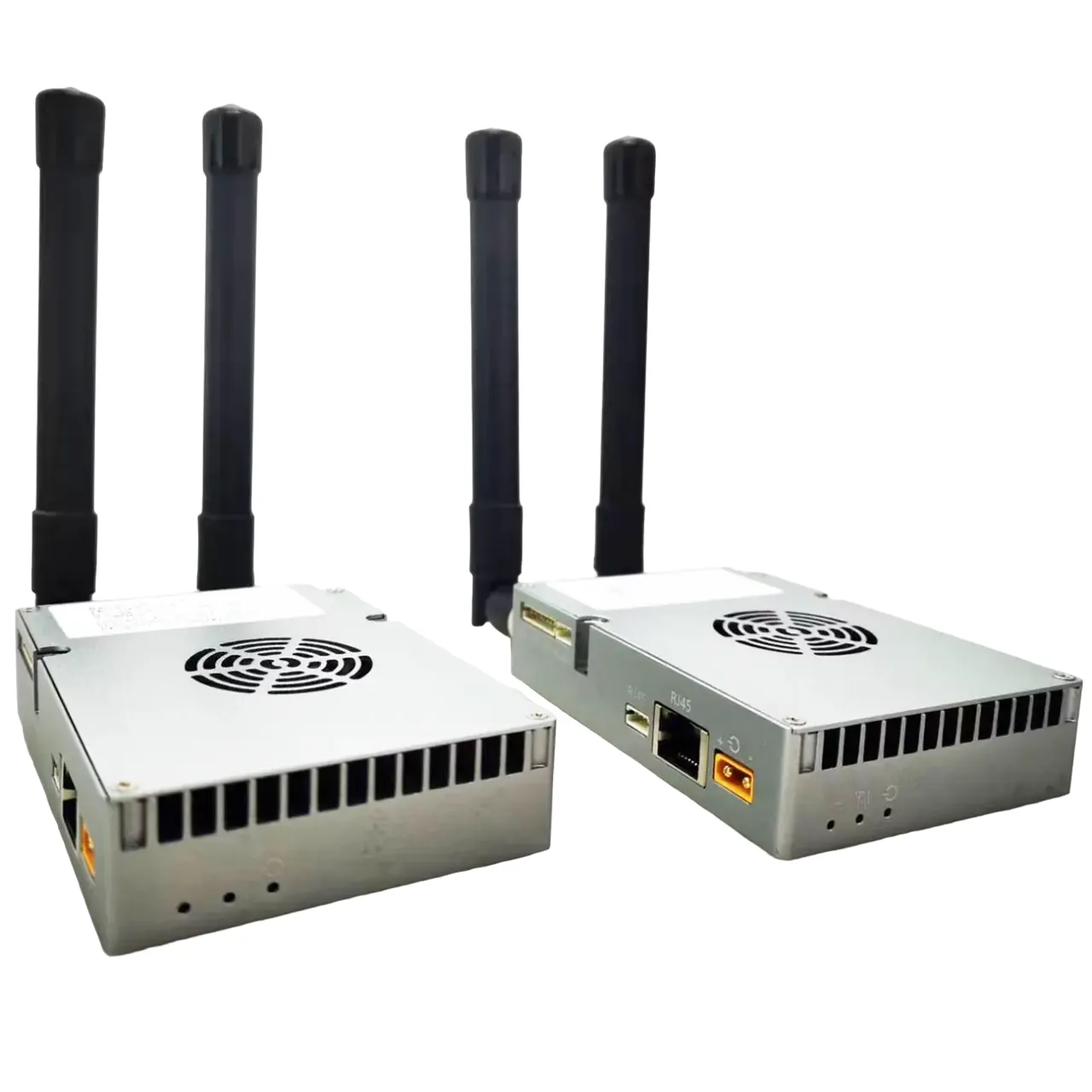
Vcan1933-8-वाट पीए एक स्व-विकसित टीडीडी द्विदिशात्मक ग्राफ एकीकृत वायरलेस ट्रांसमिशन डिवाइस है. उत्पाद के कार्य हैं वास्तविक समय हस्तक्षेप का पता लगाना, अनुकूली आवृत्ति चयन, अनुकूली धारा, स्वचालित पुन:संचरण, और स्वचालित बिजली नियंत्रण, जो एंटी-मल्टीपाथ और एंटी-इंटरफेरेंस की क्षमता में काफी सुधार करता है, और इसमें उच्च विश्वसनीयता की विशेषताएं हैं, अच्छी स्थिरता, और कम विलंब.
यह उत्पाद अग्निशमन के लिए उपयुक्त है, निरीक्षण, निगरानी, और अन्य परिदृश्य, और हवा से जमीन पर अच्छी दृष्टि के तहत 100KM संचारित कर सकता है।
उत्पाद विशेषताएँ
- लंबी दूरी के ट्रांसमिशन का समर्थन करें: 4एम कोड प्रवाह को 100 किमी तक प्रसारित किया जा सकता है.
- बड़े बैंडविड्थ ट्रांसमिशन का समर्थन करता है: 17Mbps@10MHz तक.
- स्वचालित पुनरावर्तक ट्रांसमिशन का समर्थन करता है: स्वचालित ट्रंक जोड़ का समर्थन करता है.
- मल्टी-इंटरफ़ेस डिज़ाइन का समर्थन करता है: डिवाइस में दो नेटवर्क पोर्ट और चार सीरियल पोर्ट हैं, RS232/TTL/RS422/SBUS को सपोर्ट करता है.
- स्वचालित आवृत्ति चयन का समर्थन करता है: हस्तक्षेप संकेतों का स्वचालित पता लगाना, इष्टतम आवृत्ति बिंदु का वास्तविक समय चयन.
- स्वचालित रीट्रांसमिशन का समर्थन करता है: बर्स्ट त्रुटि डेटा का स्वचालित पुन: प्रसारण डेटा विश्वसनीयता में सुधार करता है.
- अनुकूली धारा का समर्थन करता है: चैनल मॉड्यूलेशन मोड वास्तविक समय में सिग्नल गुणवत्ता के अनुसार स्वचालित रूप से समायोजित होता है.
- स्वचालित बिजली नियंत्रण का समर्थन करता है: ट्रांसमिशन पावर का क्लोज रेंज स्वचालित समायोजन, बिजली की खपत कम करें.
- स्वचालित एंटीना चयन का समर्थन करता है: रोड़ा स्थिति के अनुसार, वास्तविक समय में इष्टतम एंटीना ट्रांसमिशन का चयन किया जाता है.
- एकाधिक सेट के सह-अस्तित्व का समर्थन करता है: तक का समर्थन 6 एक ही समय में उपकरणों के सेट का उपयोग निश्चित आवृत्ति पर किया जाता है.
- आवृत्ति मिलान फ़ंक्शन का समर्थन करता है: सॉफ़्टवेयर का उपयोग आवृत्ति और हार्डवेयर कुंजी आवृत्ति को कॉन्फ़िगर करने के लिए किया जा सकता है.
Specification
| सिस्टम पैरामीटर | तकनीकी सूचकांक |
| उपकरण मॉडल | Vcan1933-8W |
| कार्य आवृत्ति | 1350~1470 मेगाहर्ट्ज |
| आकाशवाणी आवृति | 2टी2आर |
| संचरण शक्ति | 39dBm (8-वाट पीए) |
| संचरण दूरी | 100किमी (हवा से ज़मीन पर मार करने वाली LOS) |
| Channel bandwidth | 10मेगाहर्ट्ज |
| मॉड्यूलेशन मोड | क्यूपीएसके/16क्यूएएम |
| संवेदनशीलता प्राप्त करना | तालिका देखें (एमसीएस & संवेदनशीलता) |
| रफ़्तार | 17Mbps@16QAM3/4 |
| संचार एन्क्रिप्शन | एईएस256 |
| ट्रांसमिशन में देरी | ≤10ms |
| रेडियो फ्रीक्वेंसी इंटरफ़ेस | एसएमए*2 |
| उपकरण इंटरफ़ेस | XT30PW-एम |
| उपकरण इंटरफ़ेस | 100एमबीपीएस ईथरनेट*2 |
| टीटीएल/आरएस232*2 | |
| आरएस422*1 | |
| एसबीयूएस/टीटीएल*1 | |
| कुल बिजली की खपत | ≤48W@4Mbps(आप पर) |
| ≤12W@1Mbps(ग्राउंड यूंट) | |
| आयाम(एल*डब्ल्यू*एच) | 163*77*25मिमी |
| वजन | 340जी |
| कार्यशील वोल्टेज | DC22~30V,विशिष्ट मूल्य: +24वी@2ए |
| कार्य तापमान | -40~+75℃ |
| एमसीएस & संवेदनशीलता (10मेगाहर्ट्ज) | |||
| नहीं। | एमसीएस | कुल अपलिंक और डाउनलिंक थ्रूपुट (एमबीपीएस) | संवेदनशीलता (dBm) |
| 1 | क्यूपीएसके1/3 | 4.0 | -99 |
| 2 | क्यूपीएसके1/2 | 5.8 | -98 |
| 3 | क्यूपीएसके2/3 | 7.1 | -97 |
| 4 | क्यूपीएसके3/4 | 8.2 | -96 |
| 5 | 16QAM1/3 | 8.0 | -96 |
| 6 | 16QAM1/2 | 11.6 | -95 |
| 7 | 16QAM2/3 | 14.3 | -93 |
| 8 | 16QAM3/4 | 16.4 | -91 |
पीउत्पाद का आयाम और वजन
आयाम आरेख

आयाम और वजन
- आयाम (एल*डब्ल्यू*एच): 163मिमी*77मिमी*25मिमी(एसएमए 10 मिमी सहित)
- वजन : 340जी
उत्पाद इंटरफ़ेस परिभाषा
इंटरफ़ेस आरेख

Vcan1933-8W डिवाइस के इंटरफ़ेस में XT30PW-M पावर इंटरफ़ेस और J30J-25pin डेटा इंटरफ़ेस शामिल है. इंटरफ़ेस में RS232/TTL*2 है, आरएस422*1, एसबीयूएस/टीटीएल*1 और 100 एमबीटी/एस ईथरनेट*2.
इंटरफ़ेस परिभाषा
पावर इंटरफ़ेस: XT30PW-एम. बिजली आपूर्ति रेंज: DC22-30V विशिष्ट मूल्य:24वी@2ए
| रेखीय क्रम. | पिन नाम | इंटरफ़ेस परिभाषा | इंटरफ़ेस विवरण | संकेत दिशा |
| 1,2,3,4 | जी.एन.डी | मैदान | मैदान | |
| 5 | 422ए | सीरियल पोर्ट 3 आरएस-422 | डेटा प्राप्त करना RX+ | मैं |
| 6 | 422बी | डेटा प्राप्त करना RX- | मैं | |
| 7 | 422जेड | डेटा संचारित करना TX- | हे | |
| 8 | 422वाई | डेटा संचारित करना TX+ | हे | |
| 9 | TXD_A | सीरियल पोर्ट 1 आरएस232/टीटीएल | डेटा ट्रांसमिट करना TX | हे |
| 10 | RXD_A | डेटा आरएक्स प्राप्त करना | मैं | |
| 11 | TXD_B | सीरियल पोर्ट 2 आरएस232/टीटीएल | डेटा ट्रांसमिट करना TX | हे |
| 12 | RXD_B | डेटा आरएक्स प्राप्त करना | मैं | |
| 13 | जी.एन.डी | आनुक्रमिक द्वार 2 मैदान | हे | |
| 14 | एसबीयूएस/टीटीएल TX | सीरियल पोर्ट 4 एसबीयूएस/टीटीएल | एसबीयूएस/टीटीएल भेजा जा रहा है | हे |
| 15 | एसबीयूएस/टीटीएल आरएक्स | एसबीयूएस/टीटीएल प्राप्त करना | मैं | |
| 16 | एसबीयूएस/टीटीएल जीएनडी | एसबीयूएस/टीटीएल मैदान | हे | |
| 17 | TX1P+ | नेटवर्क पोर्ट 1 | डेटा संचारित करना TX+ | हे |
| 18 | TX1M- | डेटा संचारित करना TX- | हे | |
| 19 | RX1P+ | डेटा प्राप्त करना RX+ | मैं | |
| 20 | RX1M- | डेटा प्राप्त करना RX- | मैं | |
| 21 | जी.एन.डी | मैदान | आनुक्रमिक द्वार 1 मैदान | हे |
| 22 | TX2P+ | नेटवर्क पोर्ट 2 | डेटा संचारित करना TX+ | हे |
| 23 | TX2M- | डेटा संचारित करना TX- | हे | |
| 24 | RX2P+ | डेटा प्राप्त करना RX+ | मैं | |
| 25 | RX2M- | डेटा प्राप्त करना RX- | मैं |
- टिप्पणी 1: सिग्नल दिशा I रेडियो इनपुट को इंगित करता है और दिशा O रेडियो आउटपुट को इंगित करता है.
- टिप्पणी 2: सीरियल पोर्ट का उपयोग करते समय 1/2 डिवाइस का, कृपया जांचें कि यह टीटीएल स्तर है या आरएस232 स्तर.
मैंसूचक का अर्थ

पावर लाइट पीडब्लूआर (हरा)
जब पीडब्लूआर लाइट चालू हो, डिवाइस चालू है.
सिंक (हरा)
सिंक स्थिति से बाहर, प्रकाश चमकना.
सिंक्रनाइज़ेशन के बाद, प्रकाश स्थिर है.
नेटवर्क पोर्ट लाइट : LAN1, LAN2 (हरा)
जब डेटा भेजा जा रहा हो तो नेटवर्क पोर्ट लाइट झपकती है
प्राप्त हुआ।
सिग्नल ऊर्जा प्रकाश प्राप्त करना(आरएसएसआई 3 हरी बत्तियाँ)
ऊर्जा रोशनी की संख्या जितनी अधिक होगी, उतना ही बड़ा
सिग्नल रिसेप्शन शक्ति.
| RSSI प्रकाश प्राप्त सिग्नल की ताकत का प्रतिनिधित्व करता है | |
| RSSI ऊर्जा लाइटों की संख्या | प्राप्त ऊर्जा dBm |
| 3 आरएसएसआई रोशनी चालू | लगभग -50dBm |
| 2 आरएसएसआई रोशनी चालू | लगभग -80dBm |
| 1 आरएसएसआई लाइट चालू | लगभग -95dBm |
| मॉड्यूल प्रकार | तरीका | Vcan1933-8W प्रकाश स्थिति | |||
| पीडब्लूआर | साथ-साथ करना | लैन 1 लैन 2 | आरएसएसआई 123 | ||
| मालिक | संयुक्त राष्ट्र-सिंक | पर संचालित | चमकता | डेटा भेजना और प्राप्त करना, चमकता | बंद |
| मालिक | साथ-साथ करना | पर संचालित | स्थिर पर | डेटा भेजना और प्राप्त करना, चमकता | प्राप्त सिग्नल की शक्ति के समानुपाती |
| गुलाम | संयुक्त राष्ट्र-सिंक | पर संचालित | चमकता | डेटा भेजना और प्राप्त करना, चमकता | खोज रहे हैं |
| गुलाम | साथ-साथ करना | पर संचालित | स्थिर पर | डेटा भेजना और प्राप्त करना, चमकता | प्राप्त सिग्नल की शक्ति के समानुपाती |
जब मास्टर और स्लेव डिवाइस सिंक्रनाइज़ नहीं होते हैं, मास्टर और स्लेव उपकरणों का पीडब्लूआर संकेतक स्थिर है, SYNC संकेतक झपक रहा है, and the RSSI indicator of the master device is off. The RSSI of the slave device will always be in the search state. After the master/slave synchronization, the SYNC indicator of the master/slave is steady on. The master-slave RSSI lamp displays the received signal energy intensity. When the network port is sending or receiving data, the master and slave devices correspond to LAN1, and the LAN2 indicator blinks.
उत्पाद के बारे में अधिक जानकारी
टीडीडी (Time Division Duplexing) is a communication technique used in wireless systems where the uplink (transmitting data from the ground control station to the drone) और डाउनलिंक (transmitting video and data from the UAV to the ground receiver or GCS) share the same frequency channel but operate in different time slots. यह प्रत्येक दिशा के लिए अलग-अलग आवृत्ति बैंड की आवश्यकता के बिना द्विदिश संचार की अनुमति देता है.
टीडीडी प्रोटोकॉल अनुकूलन
- अपलिंक के बीच उचित समय स्लॉट आवंटन सुनिश्चित करें (डेटा भेजना) और डाउनलिंक (डेटा प्राप्त करना) कुशल द्विदिश संचार के लिए.
- अनुकूली टीडीडी डेटा ट्रैफ़िक आवश्यकताओं के आधार पर गतिशील आवंटन की अनुमति देता है.
- उन अनुप्रयोगों में उपयोगी जहां अपलिंक और डाउनलिंक ट्रैफ़िक असममित हैं (जैसे, वीडियो स्ट्रीमिंग).
टीडीडी और एफडीडी के बीच तुलना
| विशेषता | टीडीडी | एफडीडी |
|---|---|---|
| स्पेक्ट्रम उपयोग | एकल आवृत्ति बैंड | अपलिंक और डाउनलिंक के लिए अलग-अलग बैंड |
| यातायात अनुकूलता | असममित यातायात के लिए अत्यधिक अनुकूलनीय | निश्चित अपलिंक/डाउनलिंक अनुपात |
| उपकरण जटिलता | कम लागत और सरल हार्डवेयर | डुप्लेक्सर्स की आवश्यकता है, बढ़ती लागत |
| चैनल पारस्परिकता | हाँ, बीमफॉर्मिंग जैसी उन्नत तकनीकों का समर्थन करता है | नहीं |
| दखल अंदाजी | सख्त तुल्यकालन की आवश्यकता है | हस्तक्षेप की संभावना कम |
आधुनिक संचार प्रणालियों में टीडीडी का व्यापक रूप से उपयोग किया जाता है, जिनमें आवश्यकता वाले भी शामिल हैं long-range bidirectional video transmission due to its efficiency and flexibility.
शक्ति और आकार की बाधाएँ:
- Lightweight hardware to minimize the impact on drone flight performance.
- Low-power consumption design to maximize drone battery life.
- Compact form factor to fit within the drone’s payload.
एंटीना प्रणाली:
- On Drone: Fiberglass omnidirectional or small directional patch antennas.
- भूमि स्टेशन: High-gain parabolic, Yagi antennas or flat panel antennas with tracking systems for long-range communication.
अनुप्रयोगों
- निगरानी एवं सुरक्षा: Real-time video streaming from drones for law enforcement or border control.
- Broadcasting: High-definition aerial footage for live events or media.
- कृषि: Monitoring crops and livestock over vast areas.
- Disaster Response: Sending live video from disaster sites for better coordination.
The ट्रांसमिशन रेंज of an 8-watt power amplifier (देहात) depends on a variety of factors, including:
- Frequency Band: उच्च आवृत्तियाँ दूरी के साथ अधिक सिग्नल हानि का अनुभव करती हैं (उच्चतर मुक्त-अंतरिक्ष पथ हानि).
- एंटीना लाभ: दोनों सिरों पर एंटीना का प्रकार और लाभ (ट्रांसमीटर और रिसीवर) सीमा पर महत्वपूर्ण प्रभाव डालता है.
- पर्यावरणीय स्थितियाँ: भू-भाग जैसे कारक, इमारतों, मौसम (बारिश, कोहरा), और दृष्टि रेखा (लॉस) सीमा को प्रभावित कर सकता है.
- मॉड्यूलेशन योजना और डेटा दर: अधिक जटिल मॉडुलन योजनाएँ (जैसे, QAM) और उच्च डेटा दरें सिग्नल गिरावट के प्रति उच्च संवेदनशीलता के कारण प्रभावी सीमा को कम कर सकती हैं.
- रिसीवर संवेदनशीलता: एक विशिष्ट दूरी पर कमजोर सिग्नल का पता लगाने की रिसीवर की क्षमता.
प्रश्न पूछें
आपका संदेश भेज दिया गया है