


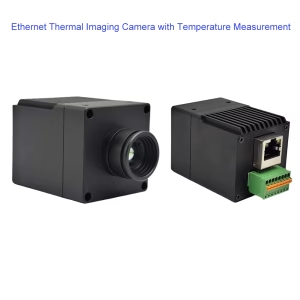
UN thermal camera for drones is a specialized imaging device that captures infrared radiation (heat) au lieu de la lumière visible, enabling the detection of temperature differences in objects and environments. When mounted on a drone, it provides real-time aerial thermal imaging for applications like search and rescue, infrastructure inspections, lutte contre les incendies, and wildlife monitoring. Voici une répartition détaillée:
Composants clés
- Capteur thermique
- Utilise un microbolometer to detect infrared radiation (wavelengths: 8–14 μm).
- Common resolutions: 160×120 (low-end) à 640×512 (high-end).
- Plage de température: Typiquement -40°C à +550°C (expandable to +2000°C for industrial use).
- Lentille
- Made of germanium (transmits IR light) with fixed or adjustable focal lengths (par ex., 9mm, 13mm).
- Wide field of view (FoV) for broad coverage or narrow FoV for detailed inspections.
- Software Integration
- Real-time temperature analysis (par ex., spot meters, area alerts).
- Color palettes (arc de fer, grayscale, fusion with visible-light images).
- Drone Compatibility
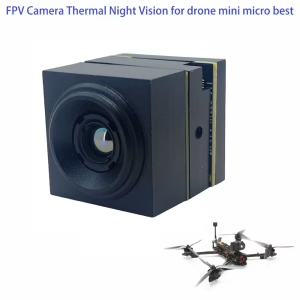
- Designed for popular platforms like DJI Matrice, Autel EVO, or custom FPV drones.
- Léger (100–300g) to avoid exceeding drone payload limits.
Top Applications
- Search and Rescue (DAS)
- Locate missing persons or animals in darkness, brouillard, or dense foliage.
- Lutte contre les incendies
- Identify hotspots in wildfires or structural fires through smoke.
- Building Inspections
- Détecter les fuites de chaleur, electrical faults, or HVAC inefficiencies.
- Agriculture
- Monitor crop health, irrigation leaks, or livestock.
- Wildlife Conservation
- Track animals at night without disturbing them.
- Inspections industrielles
- Survey solar panels, pipelines, or power lines for defects.
Integration with Drones
- Mounting: Attached via gimbal (stabilized) or fixed bracket.
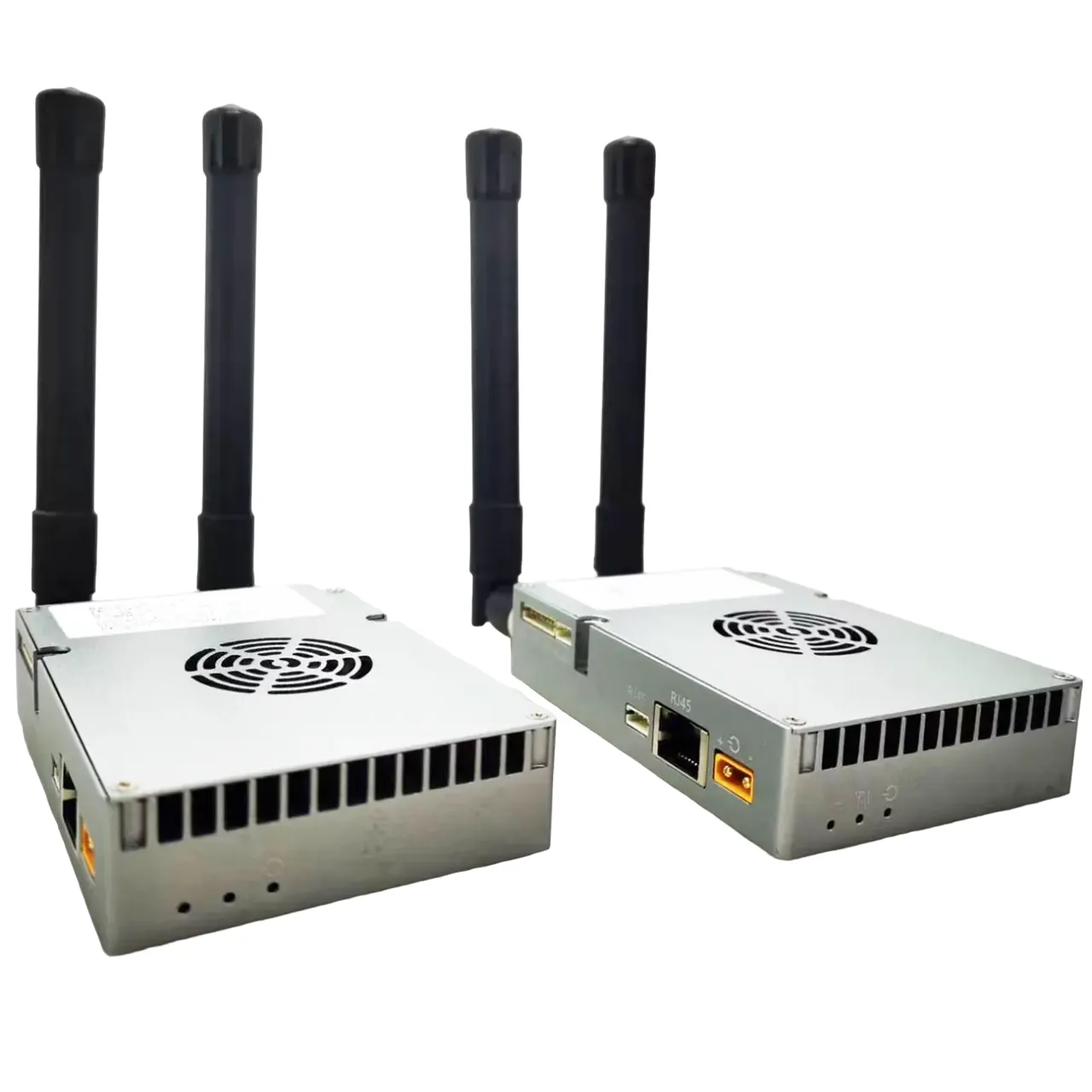
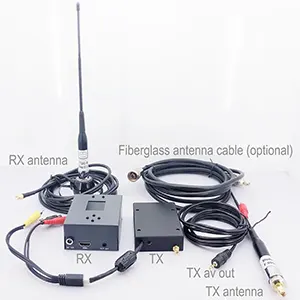
- Diffusion en direct: Transmits thermal video to a ground control station or goggles.
- Data Logging: Saves radiometric data (temperature metadata) for post-analysis.
- Payload Systems: Some drones pair thermal cameras with RGB cameras, LiDAR, or gas sensors.
Spécifications techniques
| Fonctionnalité | Entry-Level | Professional-Grade |
|---|---|---|
| Résolution | 160×120 to 320×240 | 640×512 or higher |
| Fréquence d'images | 9 Hz | 30–60 Hz (smooth video) |
| Sensibilité thermique | ≤50 mK (NETD) | ≤20 mK (sharp detail) |
| Précision | ±2°C | ±1°C or better |
Popular Models
- DJI Zenmuse H20T
- Combines 640×512 thermal, 12MP zoom, and laser rangefinder.
- FLIR Vue Pro
- Léger (132g), 336×256 resolution, compatible with drones.
- Autel EVO II Dual 640T
- Double thermique (640×512) and 8K visual camera in a consumer drone.
- Teledyne FLIR Tau 2
- Military-grade 640×512 sensor for high-stakes missions.
Avantages
- See the Invisible: Operate in total darkness, fumée, or fog.
- Non-Contact Inspections: Assess hazardous areas safely.
- Quantitative Data: Measure temperatures for predictive maintenance.
- Cost Savings: Prevent failures in energy, agriculture, or infrastructure.
Limites
- Coût: High-end thermal cameras cost 5,000–20,000+.
- Resolution Limits: Lower detail compared to RGB cameras.
- Environmental Interference: Pluie, poussière, or extreme cold can reduce accuracy.
- Règlements: Drone flights may require permits for thermal imaging in certain areas.
Buying Considerations
- Résolution: Résolution plus élevée (640×512) for detailed inspections.
- Radiometry: Ensure it captures temperature data (not just images).
- Drone Compatibility: Check weight, gimbal support, and software integration.
- Logiciel: Look for AI analytics (par ex., automatic hotspot detection).
Example Use Case
A firefighting team deploys a drone with a 640×512 thermal camera to map a wildfire. The camera’s ironbow palette highlights intense heat zones (>300°C), while the live feed helps direct water drops and evacuations. Post-flight, the radiometric data identifies smoldering hotspots needing follow-up.
En bref, un thermal camera for drones transforms aerial platforms into powerful tools for heat-based analysis, bridging the gap between human vision and infrared reality. Whether saving lives or optimizing infrastructure, it unlocks insights that visible light alone cannot provide.



Caméra IP IA