





أ thermal camera for drones is a specialized imaging device that captures infrared radiation (حرارة) بدلاً من الضوء المرئي, enabling the detection of temperature differences in objects and environments. When mounted on a drone, it provides real-time aerial thermal imaging for applications like search and rescue, infrastructure inspections, مكافحة الحرائق, and wildlife monitoring. Here’s a detailed breakdown:
المكونات الرئيسية
- المستشعر الحراري
- Uses a microbolometer to detect infrared radiation (wavelengths: 8-14 ميكرومتر).
- Common resolutions: 160×120 (low-end) ل 640×512 (high-end).
- نطاق درجة الحرارة: عادة -40درجة مئوية إلى +550 درجة مئوية (expandable to +2000°C for industrial use).
- عدسة
- Made of germanium (transmits IR light) with fixed or adjustable focal lengths (على سبيل المثال, 9مم, 13مم).
- Wide field of view (FoV) for broad coverage or narrow FoV for detailed inspections.
- Software Integration
- Real-time temperature analysis (على سبيل المثال, spot meters, area alerts).
- Color palettes (القوس الحديدي, grayscale, fusion with visible-light images).
- Drone Compatibility
- Designed for popular platforms like DJI Matrice, Autel EVO, or custom FPV drones.
- خفيف الوزن (100–300g) to avoid exceeding drone payload limits.
Top Applications
- البحث والإنقاذ (ريال سعودي)
- Locate missing persons or animals in darkness, ضباب, or dense foliage.
- مكافحة الحرائق
- Identify hotspots in wildfires or structural fires through smoke.
- Building Inspections
- كشف التسربات الحرارية, electrical faults, or HVAC inefficiencies.
- زراعة
- Monitor crop health, irrigation leaks, or livestock.
- Wildlife Conservation
- Track animals at night without disturbing them.
- التفتيش الصناعي
- Survey solar panels, خطوط الأنابيب, or power lines for defects.
Integration with Drones
- تصاعد: Attached via gimbal (stabilized) or fixed bracket.
- Live Streaming: Transmits thermal video to a ground control station or goggles.
- Data Logging: Saves radiometric data (temperature metadata) for post-analysis.
- Payload Systems: Some drones pair thermal cameras with RGB cameras, ليدار, or gas sensors.
المواصفات الفنية
| ميزة | Entry-Level | Professional-Grade |
|---|---|---|
| دقة | 160×120 to 320×240 | 640×512 or higher |
| معدل الإطار | 9 هرتز | 30–60 Hz (smooth video) |
| الحساسية الحرارية | ≥50 م ك (NETD) | ≤20 mK (sharp detail) |
| دقة | ±2°C | ±1°C or better |
Popular Models
- DJI Zenmuse H20T
- Combines 640×512 thermal, 12MP zoom, and laser rangefinder.
- فلير فيو برو
- خفيف الوزن (132ز), 336×256 resolution, compatible with drones.
- Autel EVO II Dual 640T
- الحرارية المزدوجة (640×512) and 8K visual camera in a consumer drone.
- Teledyne FLIR Tau 2
- Military-grade 640×512 sensor for high-stakes missions.
فوائد
- See the Invisible: Operate in total darkness, دخان, or fog.
- Non-Contact Inspections: Assess hazardous areas safely.
- Quantitative Data: Measure temperatures for predictive maintenance.
- وفورات في التكاليف: Prevent failures in energy, زراعة, or infrastructure.
القيود
- يكلف: High-end thermal cameras cost 5,000-20,000+.
- حدود القرار: Lower detail compared to RGB cameras.
- Environmental Interference: مطر, تراب, or extreme cold can reduce accuracy.
- أنظمة: Drone flights may require permits for thermal imaging in certain areas.
Buying Considerations
- دقة: دقة أعلى (640×512) for detailed inspections.
- Radiometry: Ensure it captures temperature data (not just images).
- Drone Compatibility: Check weight, gimbal support, and software integration.
- برمجة: Look for AI analytics (على سبيل المثال, automatic hotspot detection).
مثال لحالة الاستخدام
A firefighting team deploys a drone with a 640×512 thermal camera to map a wildfire. The camera’s ironbow palette highlights intense heat zones (>300درجة مئوية), while the live feed helps direct water drops and evacuations. Post-flight, the radiometric data identifies smoldering hotspots needing follow-up.
باختصار, أ thermal camera for drones transforms aerial platforms into powerful tools for heat-based analysis, bridging the gap between human vision and infrared reality. Whether saving lives or optimizing infrastructure, it unlocks insights that visible light alone cannot provide.

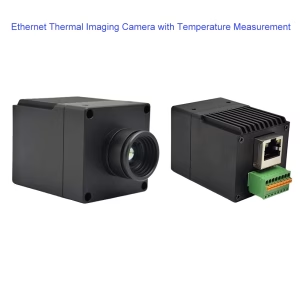
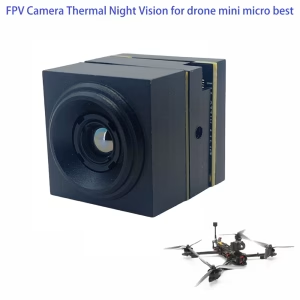


كاميرا IP AI
كاميرا التصوير الحراري ذات الضوء المرئي، وحدة الكاميرا الأساسية ذات الضوء المزدوج، مخرج IP إيثرنت