

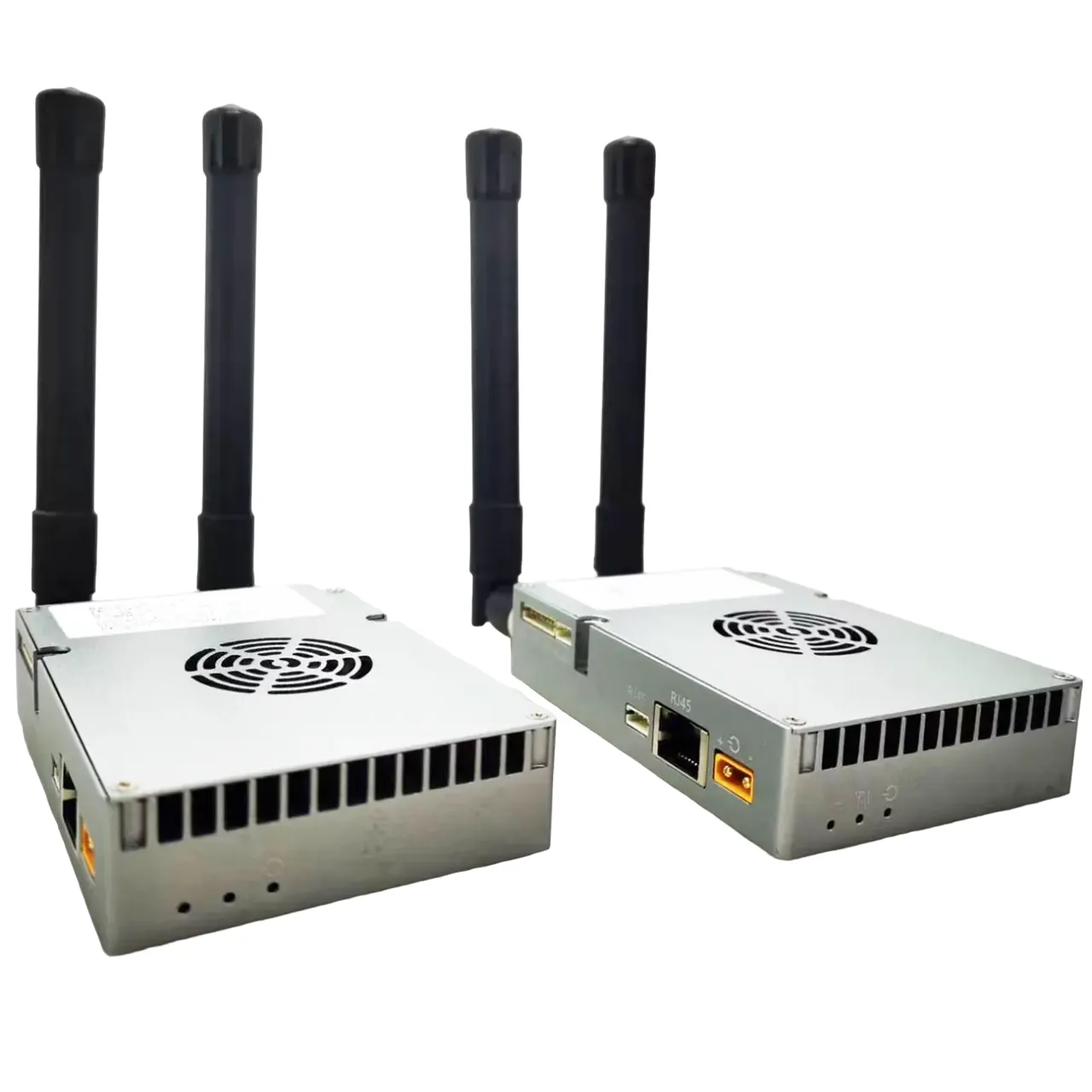
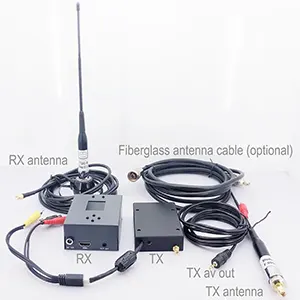


Un Convertisseur de caméra analogique vers IP (often called a video encoder ou media converter) is a hardware device that bridges the gap between legacy analog cameras (par ex., CCTV cameras with coaxial/BNC outputs) and modern IP-based surveillance systems. It converts analog video signals (par ex., NTSC/PAL) into digital IP streams, enabling older cameras to function within networked environments like modern security systems, cloud platforms, or video management software (VMS).
Comment ça marche
- Entrée analogique: Accepts video from analog cameras via coaxial cable (par ex., RG59), composite (RCA), or other analog interfaces.
- Numérisation: Uses an Analog-to-Digital Converter (CDA) to transform the analog signal into a digital format.
- Compression: Encodes the video into standard IP-compatible formats (par ex., H.264, H.265, MJPEG) to reduce bandwidth.
- Network Transmission: Sends the digital stream over Ethernet, Wi-Fi, or PoE (Alimentation via Ethernet) using protocols like RTSP, ONVIF, or HTTP.
Principales fonctionnalités
- Compatibilité: Works with BNC-based analog cameras (par ex., Vidéosurveillance, dome cameras).
- Resolution Support: Converts analog signals to digital resolutions (par ex., 720p, 1080p).
- PoE Support: Some models power the converter and connected cameras via Ethernet.
- ONVIF/RTSP Compliance: Ensures integration with VMS platforms like Milestone, Iris bleu, or Synology Surveillance Station.
- Multiple Channels: Some devices support 4–16 analog cameras in a single unit.
Why Use It?
- Cost-Effective Upgrade: Avoid replacing existing analog cameras with expensive IP cameras.
- Systèmes hybrides: Integrate analog and IP cameras into a unified network.
- Accès à distance: View analog camera feeds over the internet or mobile apps.
- Évolutivité: Add IP cameras later while retaining legacy devices.
Example Use Cases
- Retail Stores: Upgrade old CCTV systems to IP without rewiring.
- Industrial Facilities: Connect analog cameras to a central IP-based monitoring hub.
- Home Security: Stream analog camera footage to a smartphone app via Wi-Fi.
Types of Converters
- Standalone Encoders: Single-channel devices for individual cameras.
- Multi-channel Encoders: Handle 4–16 cameras in a rack-mounted unit.
- Wireless Converters: Transmit video over Wi-Fi for flexible installation.
Popular Brands/Models
- Axis Communications (par ex., AXIS Q7900 series)
- Hikvision DS-6300 encoders
- TP-Link TL-NC200
- ONVIF-compatible generic encoders from Amazon/Alibaba.
Limites
- Qualité vidéo: Analog cameras max out at 0.3–2 MP (lower than modern IP cameras).
- Latence: Slight delay due to encoding/decoding.
- Dependency: Requires a stable network and power supply.
En bref, an Analog to IP converter breathes new life into older cameras by making them “IP-ready,” ideal for budget-friendly upgrades or hybrid surveillance setups.
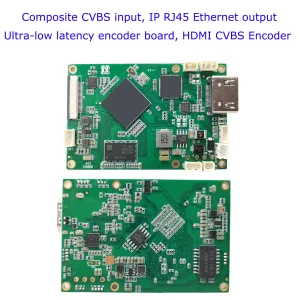
CVBS HDMI à IP Encodeur
$399.00

Fourchette: $118.00 à travers $178.00
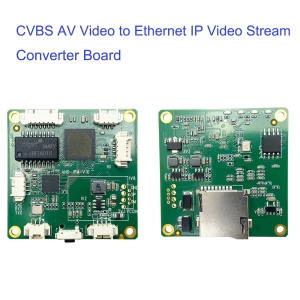
CVBS HDMI à IP Encodeur
Fourchette: $98.00 à travers $158.00

Le prix d'origine était: $199.00.$98.00Le prix actuel est: $98.00.