






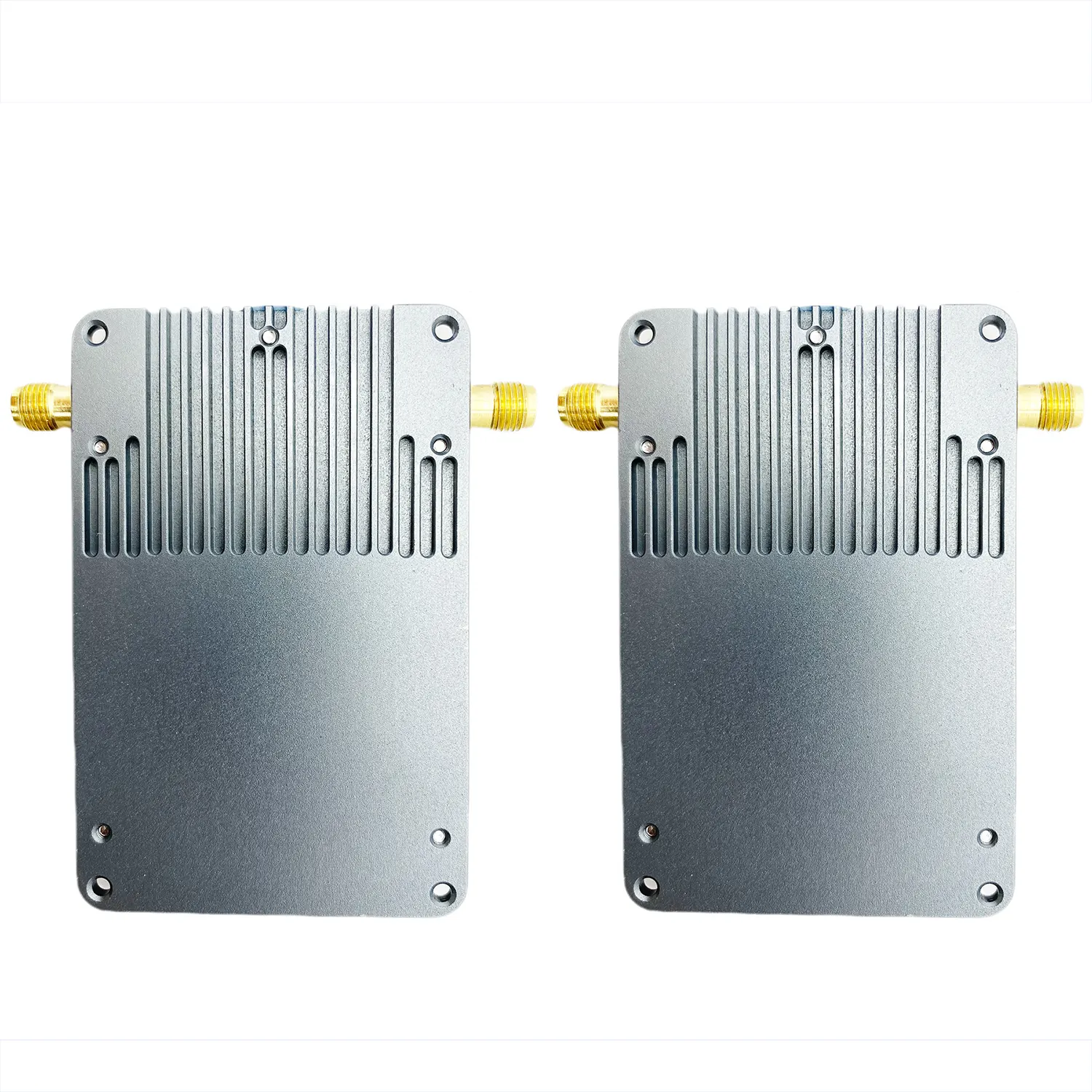

IP mesh ad hoc transceiver OFDM Transmitter and receiver Wireless Video Data Transmission for UAV Drone IP camera
Émetteur-récepteur ad hoc maille IP récepteur émetteur OFDM Transmission de données vidéo sans fil pour caméra IP drone
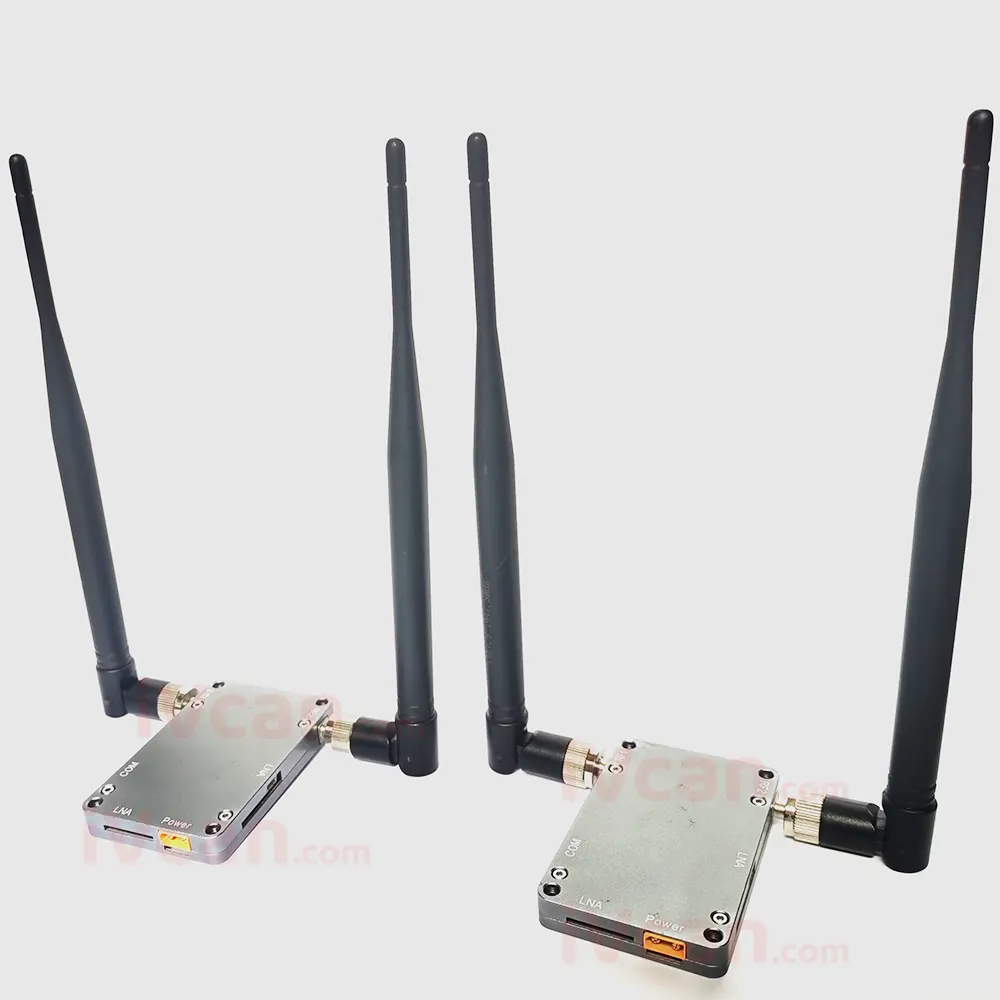
Table des matières
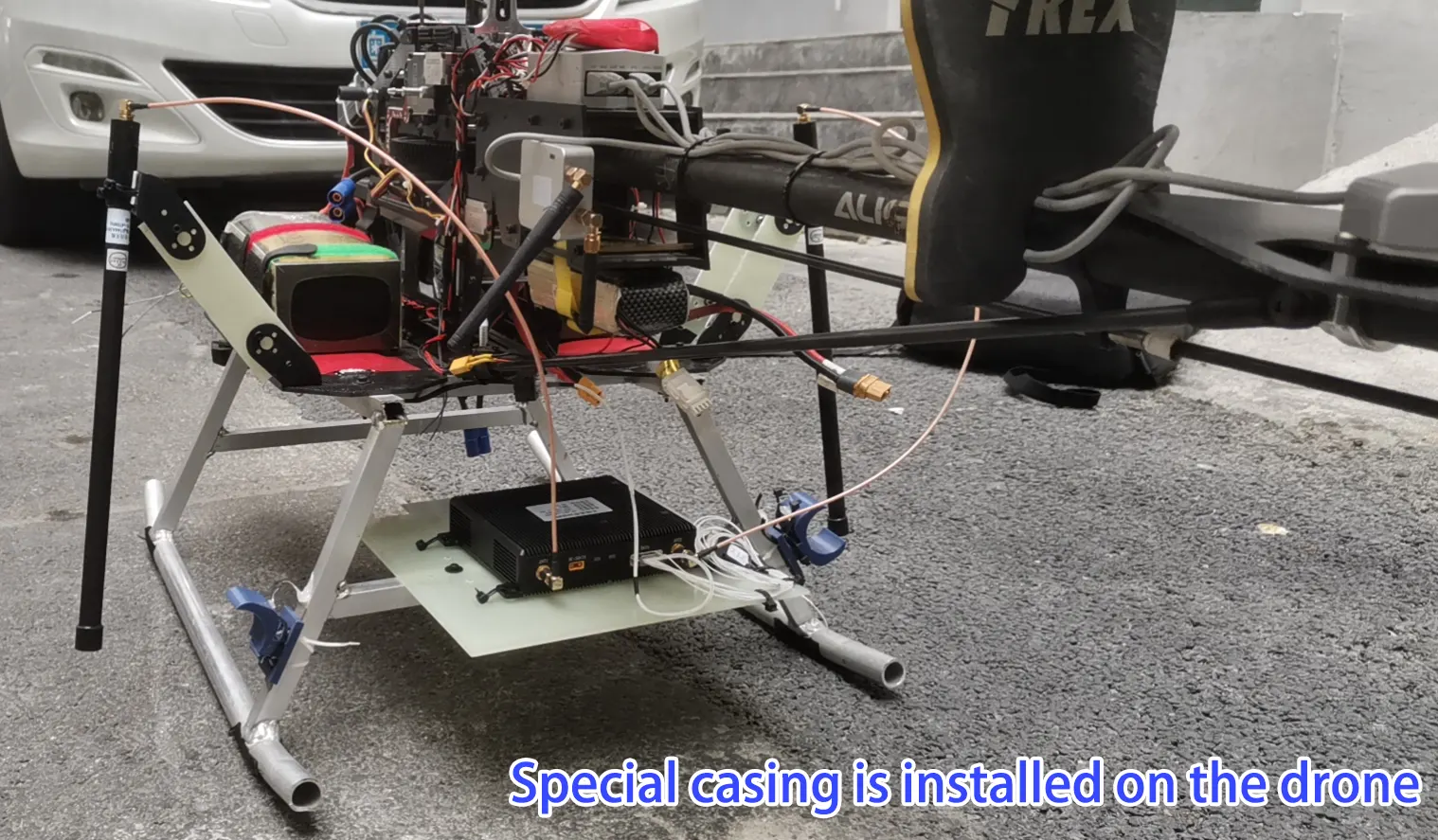
Installed on the Drone
Présentation du produit
This system adopts a new type of sub-broadband “wireless networking” based on point-to-point, point à multipoint, and AD-Hoc networking. As a mobile center organization network, Vcan1401 is a central, distribué, relais multi-sauts, dynamic routing, strong invulnerability, and good scalability wireless broadband system. It uses its own routing protocol internally. Jump forwarding completes wireless communication between nodes. An ad hoc distributed broadband wireless network transmission system with an efficient MAC layer transmission protocol and a two-layer routing protocol. It has excellent sub-broadband performance, strong anti-interference ability of system technology, high spectrum efficiency, longue distance de transmission, anti-fading ability, and strong diffraction ability. It can realize real-time and high-quality wireless two-way data transmission functions in complex and non-line-of-sight environments.
Facing the information communication transmission of drones, robots, and unmanned boat platforms in complex environments, we follow the design principles of generalization, modularization, and standardization to realize high-speed real-time transmission of telemetry, télécommande, and payload data from ground control stations to unmanned terminals on the water surface As well as the information collaborative interaction function between unmanned terminals, the system works continuously, stably and reliably for a long time.
Technical Feature
- After the central station is turned on, there is no need for complicated system configuration. After the on-site power-on, it will automatically form a network, and the communication can be started in “secondes”;
- Arbitrary topology, relais multi-sauts, relay forwarding;
- The logical attributes of each node can be flexibly configured;
- À l'heure actuelle, the same frequency network can support the interconnection of 1024 nœuds;
- The channel is encrypted with AES;
- The system data bandwidth peak value is 32Mbps;
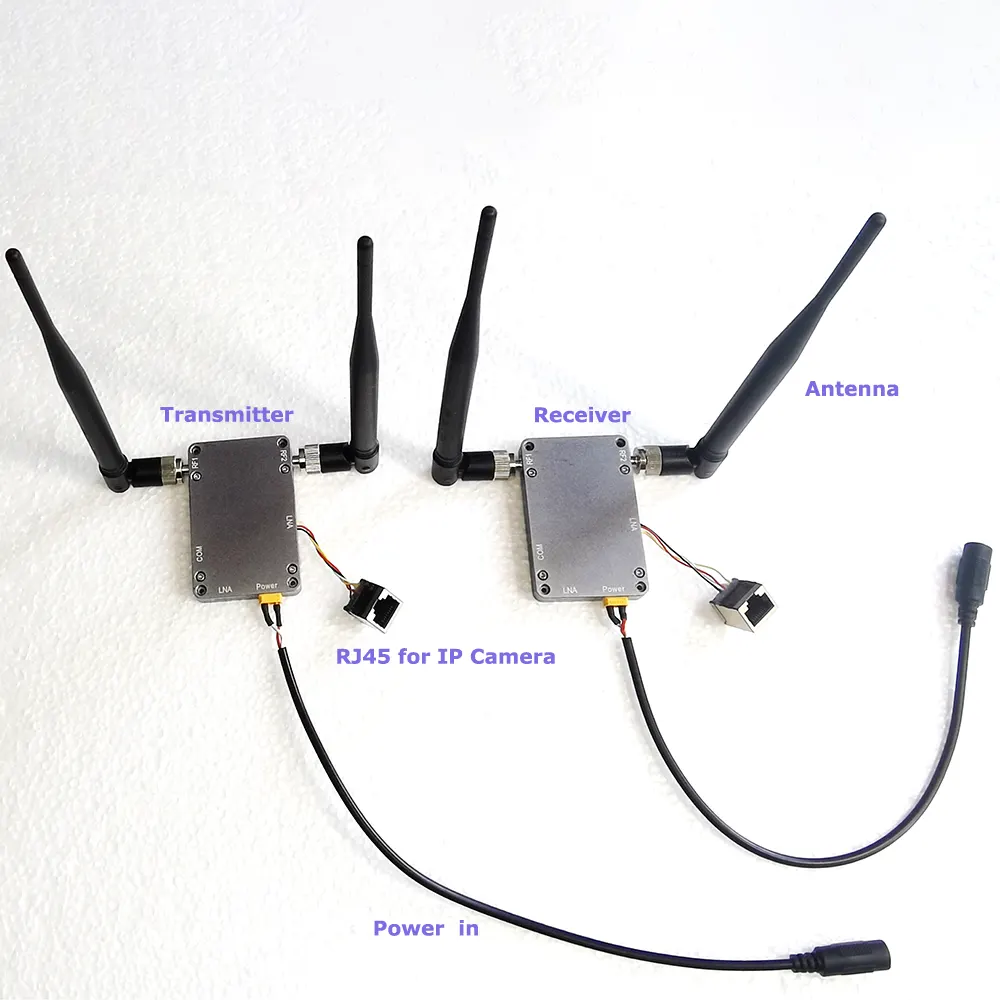
Hardware description
- 1) Adopt domestic self-organized intellectual property technology, réseau privé, private communication transmission protocol, and unique synchronization code.
- AES 128-bit encryption technology: After the information data is encrypted by AES, the information before encryption cannot be obtained;
- OFDM pilot and data position scrambling code encryption: The number of OFDM subcarriers is kept secret, the number of pilots is kept secret, and the position of the pilot is kept secret, making it impossible to obtain pilot information for channel estimation and frequency domain equalization; the change method of pilot and data position is encrypted In this way, illegal users cannot correctly distinguish pilot frequency and data.
- LDPC code word structure encryption: LDPC code word structure includes code length, information bit, and check bit; the position changes of information bit and check bit are encrypted, and illegal users cannot correctly distinguish between information bit and check bit.
- Using multiple encryption methods and modular design;
- Centralized and distributed, all nodes are equal in status, and can self-organize a network under complex conditions such as shielding non-line-of-sight (NLOS) et mouvement à grande vitesse, and realize TDD two-way communication;
- Support any network topology such as point-to-point, chaîne, star, etc., and can realize real-time interaction of multi-channel IP-based sub-broadband data, multi-serial port data, and other multimedia information;
- Multi-hop relay, each node can move randomly and quickly, and the route can be dynamically reconfigured when the system topology changes rapidly;
- Convenient deployment, flexible use, opération simple, convenient maintenance, and all-IP design (supporting various data transparent transmission) make it easy to realize the interconnection of heterogeneous systems, especially suitable for wireless coverage transmission and wireless narrowband data networking;
Paramètres techniques
- Communication frequency: 1415~1465MHz (3G\2.4G), réglable;
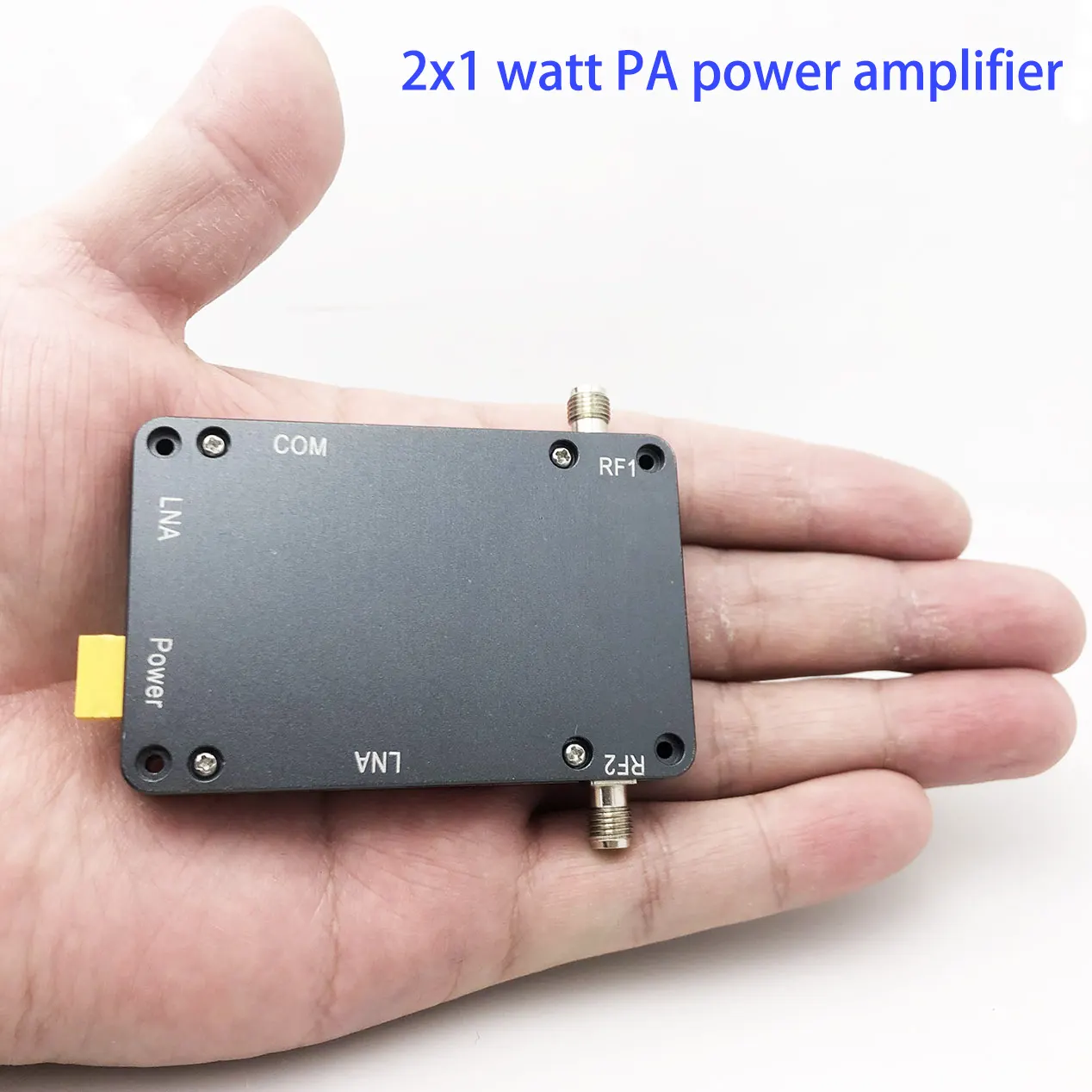
- Puissance d'émission: 2*30dBm (2*1W), 1dBm step adjustable;
- Bandwidth mode: 4 / 8 MHz;
- Méthode de modulation: multi-carrier TDD-COFDM;
- Carrier modulation: BPSK/QPSK/16QAM/64QAM (adaptatif ou fixe);
- Recevez la sensibilité: -110dBm @ 1MHz;
- Transmission delay: about 2ms for a single hop;
- Startup time: point à point, point-to-multipoint≤5S (AD-Hoc start-up time 25S);
- Network access time: moins que 1 deuxième;
- Routing switching: moins que 1 deuxième;
- Interface de données: network port x 2, RS232 x 2;
- Battery power supply: 12V/1A;
- Power consumption of the whole machine: 6~12W, standby 6W, receiving 8W, full load sending 12W;
- Température de travail: -40~+70℃;
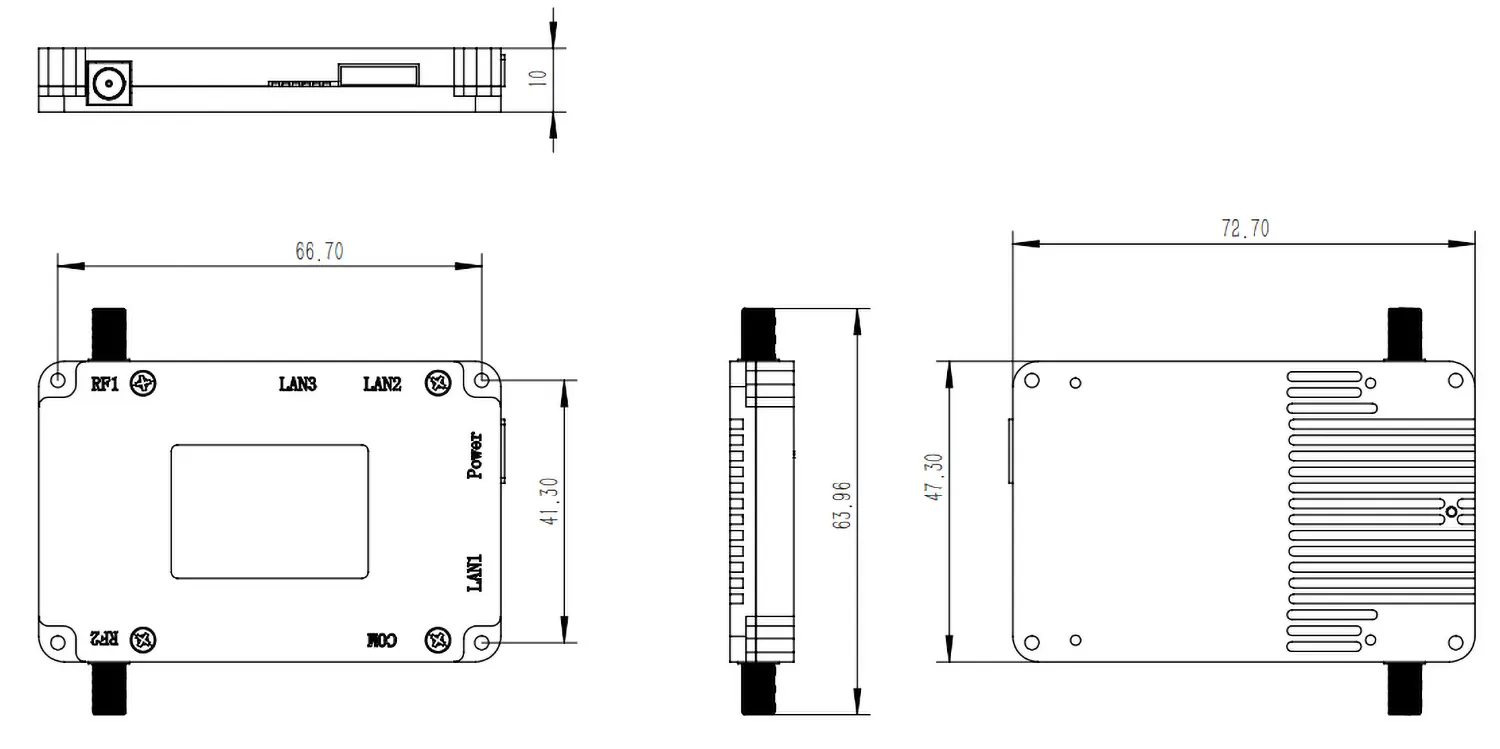
- Taille: longueur: 73mm*width 47mm*height 10mm;
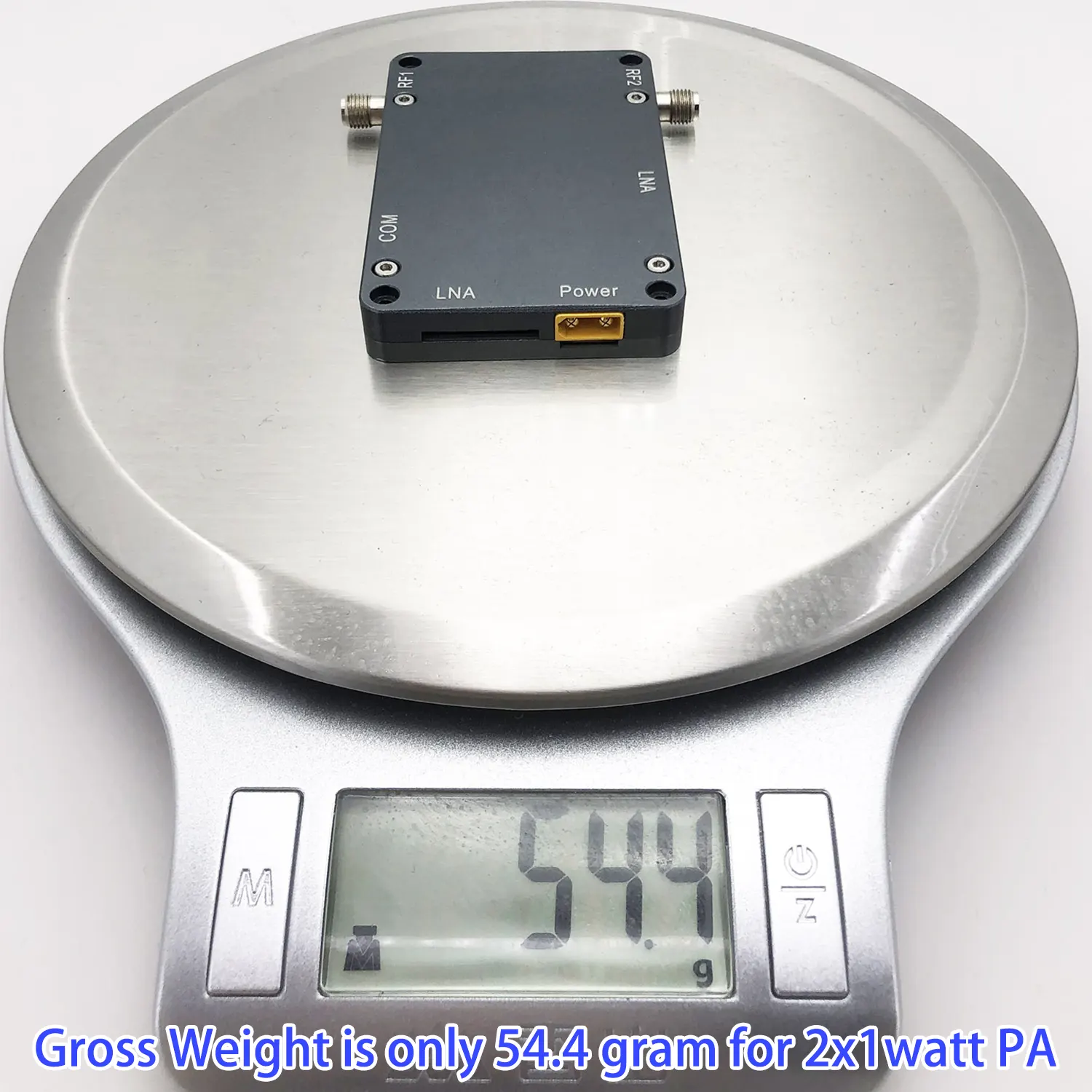
- Poids: 60g
Data Chart
|
Modulation |
1MHz Bandwidth (Mbit/s) | 2MHz
Bande passante (Mbit/s) |
4MHz
Bande passante (Mbit/s) |
8MHz
Bande passante (Mbit/s) |
|
BPSK 1/2 |
0.38 | 0.7 | 1.25 |
2.15 |
|
QPSK 1/2 |
0.9 | 1.6 | 2.6 |
4.5 |
|
QPSK 3/4 |
1.6 | 2.7 | 4 | 7.1 |
|
16QAM 1/2 |
1.8 | 3.1 | 5.3 | 9.5 |
|
16QAM 3/4 |
2.2 | 3.9 | 8 |
14.2 |
| 64QAM 2/3 | 2.8 | 5.2 | 10.6 |
19.5 |
| 64QAM 3/4 | 3.8 | 6.4 | 12 |
21.5 |
| 64QAM 5/6 | 4.2 | 7.8 | 13.5 |
24 |

FAQ plus
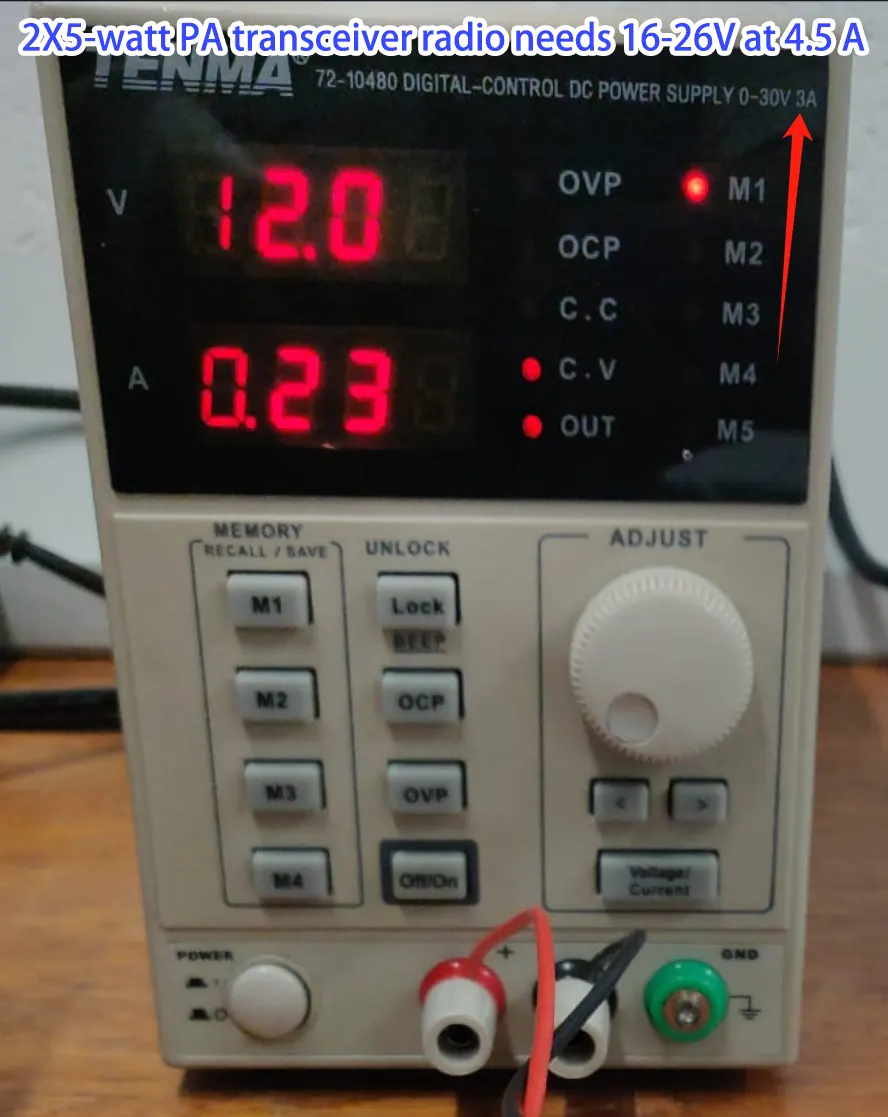
Q: Why does the radio transceiver seem to power on in seconds and power off always restart?
UN: Please check the power supply, for the 2×5-watt PA inside, the power supply should be 16-26V at 4.5A. Maybe the power supply is not enough, then always restart. (2×1-watt or 2×2-watt need 12-18V)
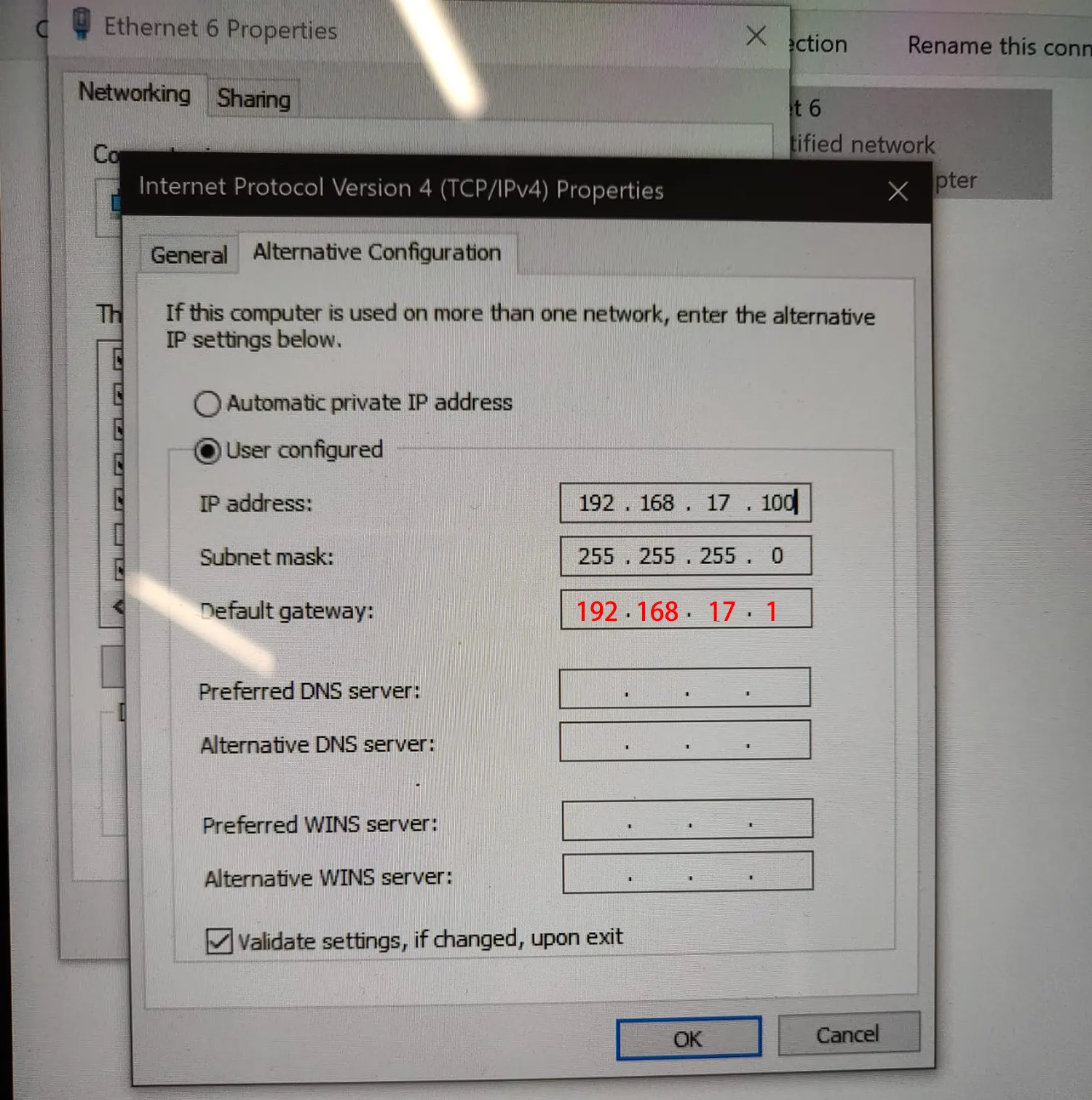
Q: Why can’t I connect the transceiver radio device via web cable or get a ping feedback?
UN: The default IP address of the two-way radio transceiver is 192.168.17.1.
Please make sure that the IPV4 address of your computer is the same net segment, par exemple, 192.168.17.xxx.
Please set the default gateway of the IPV4 address is 192.168.17.1.
Q: Does your mesh two-way transceiver module support changing the frequency (canal) via the UART AT command?
UN: Oui, please type the below commands at the serial port tool.
AT-API+ set
wlan.radios.0.name phy0
wlan.radios.0.txpower 30 (power amplifier, 30 means 2-watts)
wlan.radios.0.bandwidth 10 (frequency bandwidth)
wlan.radios.0.canal 2 (channel)
END-AT-API
(The numbers 30, 10, et 2 of the above command should change to what you want the number. )
Q: Does the radio support frequency hopping/ changing dynamically?
UN: We have many models that support the frequency hopping function (Ce modèle a été conçu pour la transmission vidéo et de données sans fil avec une liaison de données sans fil bidirectionnelle). The cost is different.
The model you bought does not support frequency hopping. You can choose the frequency from the below picture. (Choose from the web page or AT commands)
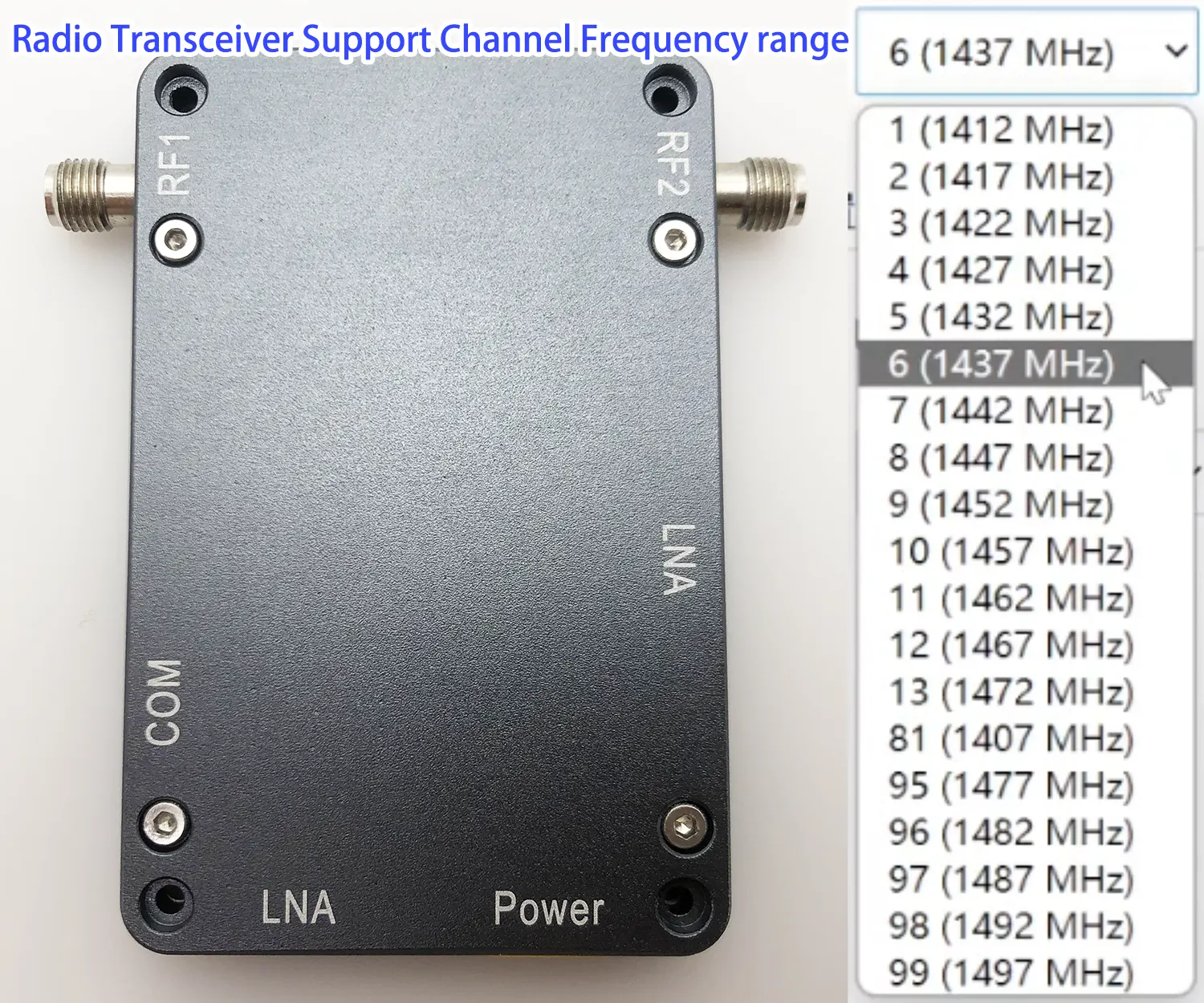
Mesh Radio Transceiver Support Channel Frequency range
Q: Can I modify the less transmission power?
UN: Bien sûr. When you are testing the sample on the function except for the real transmission range, it is better to change the less transmission power in the lab.
20mW est de 13 dBm
200mW est de 23 dBm
1 Les watts sont de 30 dBm
2 Les watts sont de 33 dBm
5 Les watts sont de 37 dBm
10 Les watts sont de 40 dBm
20 Les watts sont de 43 dBm
50 Les watts sont de 47 dBm
100 Les watts sont de 50 dBm

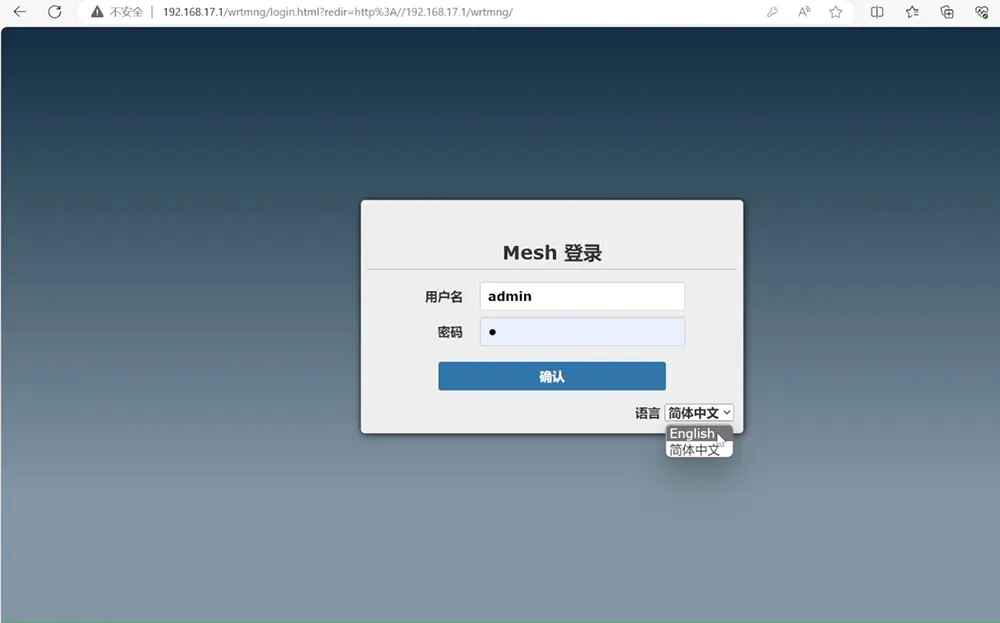
Q: Can the web interface contain only the English language?
Now it supports English and Chinese.
Q: How many nodes the mesh architecture can support?
UN: Supports up to 32-node networking. Too many nodes will cause high system overhead and the network will be very unstable. En général, a dozen nodes are recommended.
Q: Is the relay function available in this modem? if yes then how many hops possible?
UN: Support relay function. Max. 5 hops in the one line.
Q: Can we decrease the data rate to increase the range?
UN: Oui.
Q: Does the frequency band support 2280 MHz à 2380 Mhz?
UN: The frequency band can not meet your demand now. Only 2310-2380Mhz is available.
Q: What about the encryption? Do you provide by default encryption details?
Q: Please show us the drawing for hole positions and size of the 2×1-watt PA model.
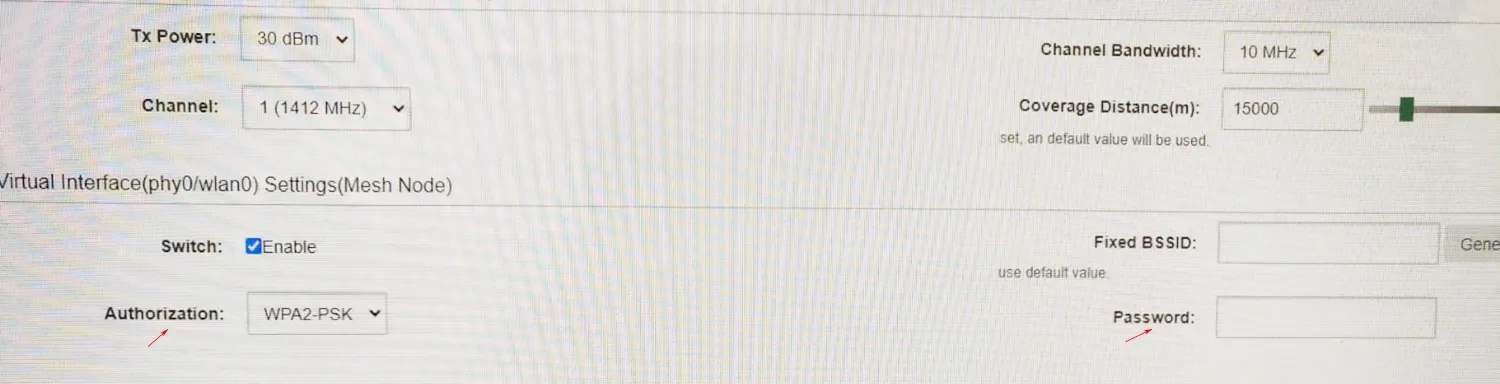
Q: At this mesh IP radio, the new unit will be auto-joining my networking, how can we set authorization and protect our privacy?
UN: If you have three or four robots, those who walk in the middle will serve as relays or repeaters for those who walk in the front. If you have three or four units, they can be auto-forming networking, so setting passwords is very important.
Veuillez vérifier l'image ci-dessous.
Q: How can I update the firmware of your two-way IP radio?
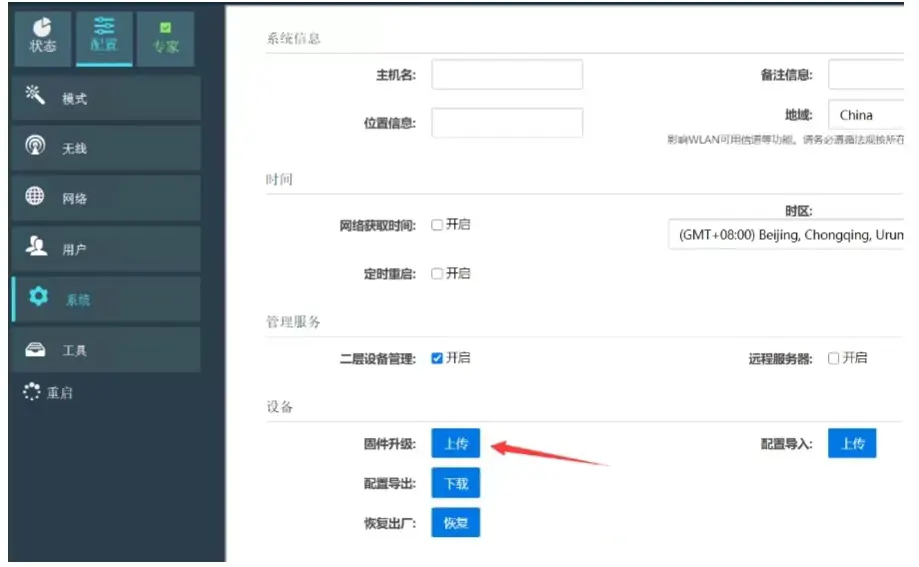
Here is an example firmware of 20240415. Please contact us for the latest update firmware if you need it.
https://drive.google.com/file/d/1OcGiQ3gdaxTvjX3bpS2yJWzn4nNecq-S/view?usp=drive_link
Q: Why my IP transceivers have stopped talking to each other?
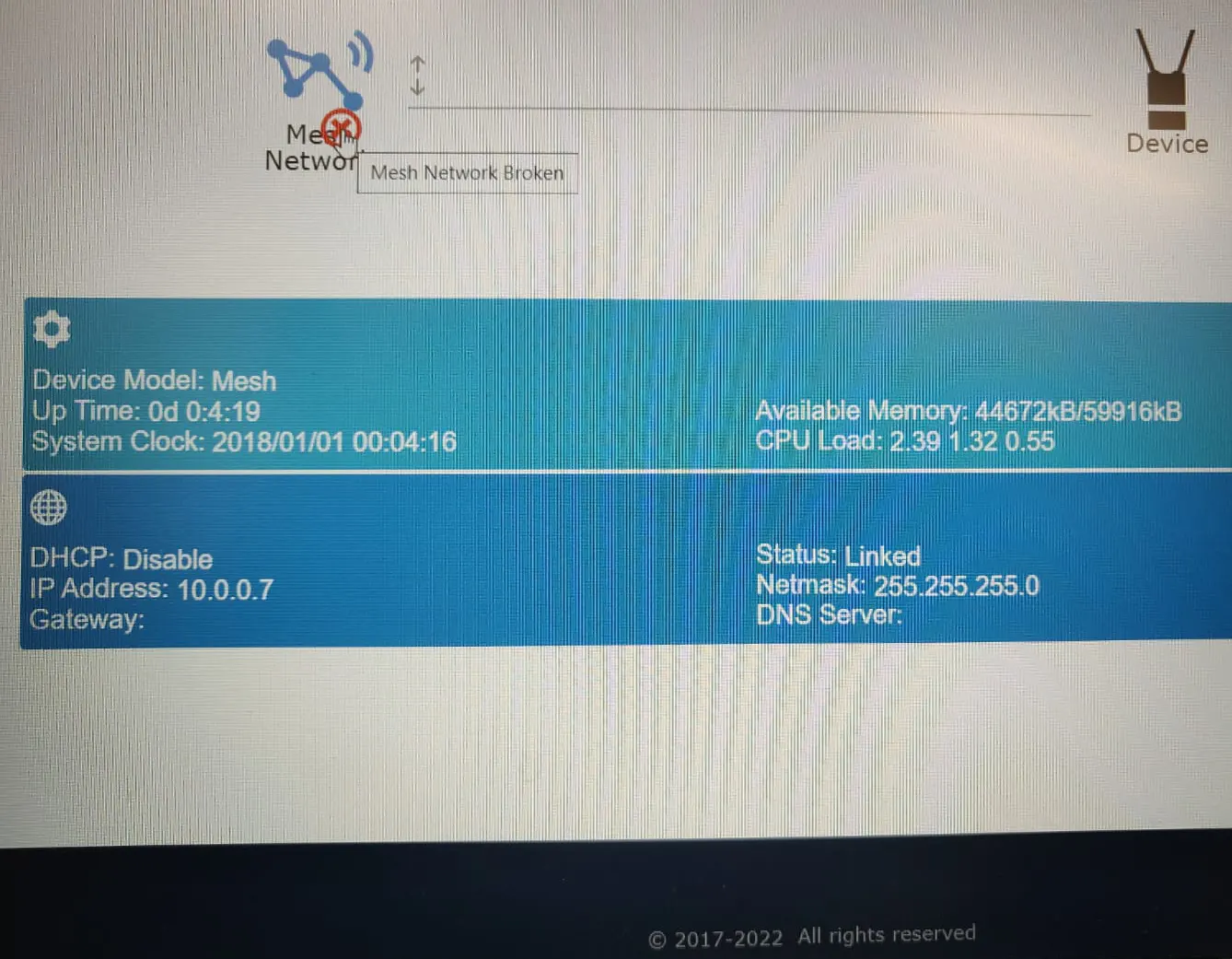
Why did our IP transceivers stop talking to each other? The UI says Mesh Network is broken. We cannot ping any Radio, we can not see any transmissions using the Spectrum Analyzer when we ping.
UN: The parameter configuration should be messed up. What’s the situation with the wireless part? Is it convenient to take a screenshot? The easiest way is to restore the factory settings (after restoration, the IP address is: 102.168.17.1)

Télécharger
Vcan1401 mesh version serial port AT setting routine description.pdf




Juan Dudulec –
Les capacités anti-brouillage et l'agilité des fréquences garantissent une transmission sécurisée des données, même dans des environnements contestés.. Utilisé dans nos systèmes de patrouille frontalière, il s’avère indispensable pour les missions de reconnaissance cryptées.