






long range 5km 1080p50 Wireless Video Transmission Solution Guide
A recent inquiry from an AV integrator highlighted a common question:
Can we transmit 1080p50 HDMI or SDI video over 5 km without pairing?
你好. Our company is searching for extra long range HDMI (或SDI) video transition systems that DO NOT require Pairing. We would like to know if IVcan has any solutions that allow 1080p50 video transmission for distances of, 至少, 5千米.
The answer is: Yes — but only with the right setup and technology.
目录
Why Standard Wireless HDMI Falls Short
Conventional wireless HDMI systems are typically limited to short-range applications (<100 米).
To achieve 5km 1080p50 wireless video transmission, the system must use:
- RF-based transmission instead of direct HDMI
- 视频压缩 (系统启动后自动检测)
- Robust modulation like COFDM图传
COFDM is a wireless transmission technology used for high-quality video and data over long distances. Here’s an easy way to understand it:
- Multiple Frequencies: Instead of sending all the video data on a single frequency, COFDM splits it into many small “sub-channels” (频率).
- 强大的反对干扰: If one frequency encounters interference or obstacles, the other frequencies can still carry the data, so the video stays stable.
- Ideal for Long Distances: COFDM handles reflections, 建筑物, and other obstacles better than traditional single-frequency wireless links.
- 应用: Broadcast TV, professional drone video, 实时事件流, and any situation where you need reliable video transmission over several kilometers.
Analogy: Imagine sending a long message using many couriers along different roads. If one road is blocked, the message still reaches the destination via other roads — this is essentially how COFDM keeps video transmission stable.
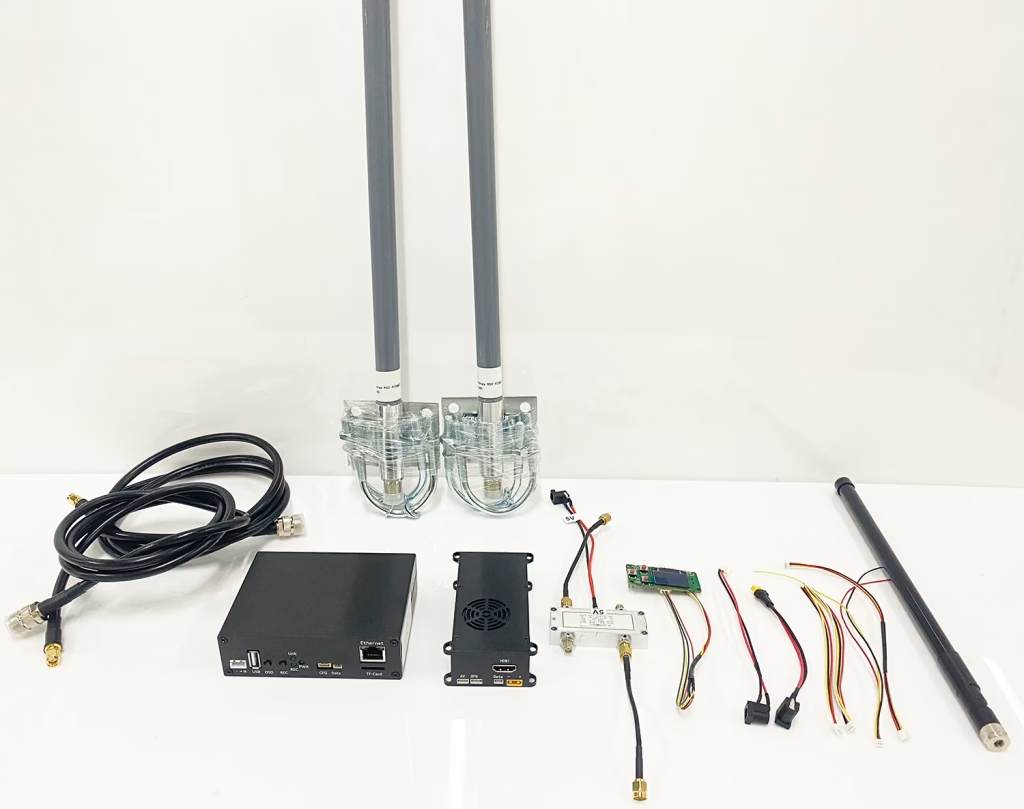
When 5km Transmission is Feasible
For a reliable 5km 1080p50 wireless video transmission solution, the critical factor is:
✔ Line-of-Sight (THE)
- Clear LOS between transmitter and receiver
- Adequate antenna height (20–50 m+)
- Minimal obstruction in the Fresnel zone
⚠ Non-Line-of-Sight (NLOS)
- Signal attenuation rises sharply
- 5 km transmission becomes unreliable
- Performance highly dependent on environment
Video Quality vs Link Stability
One key decision for 5km 1080p50 wireless video transmission solutions is how to handle weak signals:
Option A: Maintain Quality
- Keep full 1080p50 resolution
- Weak signals may cause freezes or drops
Option B: Prioritize Stability
- Adaptive bitrate reduces video quality
- Ensures continuous transmission even under poor conditions
正交频分复用系统 allow flexible configuration to balance these modes.
Consider Latency
Latency also impacts performance:
- Low latency → less error correction → lower robustness
- High robustness → more buffering → higher latency
Applications dictate the choice:
- Live production → ultra-low latency
- Surveillance or long-term links → stable connection preferred
典型的应用
一个 5km 1080p50 wireless video transmission solution 非常适合:
- UAV/drone video downlink
- Event broadcasting
- Point-to-point building connections
- 安全和监视
- Temporary outdoor installations
结论
A successful 5km 1080p50 wireless video transmission solution 依赖于取决于:
- Clear LOS
- Proper antenna setup
- 比特率 & video quality strategy
- Latency requirements
With COFDM technology, professional-grade wireless HDMI/SDI transmission over 5 km is achievable.
Ready to Deploy Your Solution?
If you need guidance on a 5km 1080p50 wireless video transmission solution, contact us with your project details. We can design the optimal COFDM-based setup for your application.

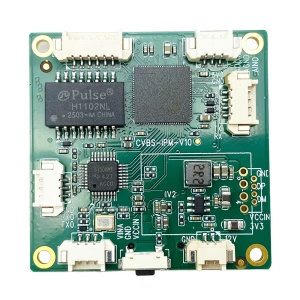
CVBS HDMI到IP编码器


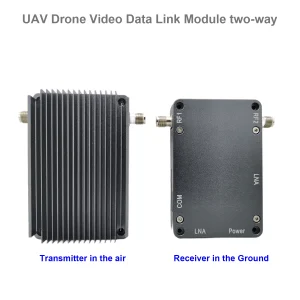


第一视角相机

无线视频传输
Broadcast-Grade vs. Security-Grade Wireless Video Transmission
When talking about professional wireless video transmission, there are generally two main categories: 广播级 和 安全等级. Although both transmit video wirelessly, their design priorities and performance characteristics are different.
1️⃣ Broadcast-Grade Wireless Video Transmission
目的: Used for live TV production, 体育赛事, 音乐会, and professional film/video production.
主要特点:
- 高质量的视频: Supports 1080p50, 4ķ, and low-latency HD video with minimal compression.
- 超低延迟: Often <100女士, so video is in sync with live events.
- Robust RF Modulation: Uses COFDM or other advanced modulation to maintain signal over long distances (several km) 即使在充满挑战的环境中.
- LOS Preferred: Typically requires line-of-sight (THE) for maximum stability.
- 高可靠性: Designed to avoid signal dropouts or frame loss at all costs, even if the system temporarily interrupts during very weak signals.
Analogy: Like a live TV broadcast truck — the goal is crystal-clear, uninterrupted video for millions of viewers.
2️⃣ Security-Grade (监视) 无线视频传输
目的: Used for CCTV, drones for security monitoring, traffic cameras, and long-term surveillance systems.
主要特点:
- Continuous Transmission Priority: Stability over quality. The system will lower video resolution or increase compression to maintain the link.
- Higher Tolerance for Latency: Real-time latency is less critical (often 0.5–2 seconds acceptable).
- NLOS Capabilities: Some systems can operate in non-line-of-sight (NLOS) conditions using repeaters, wall penetration, or lower frequencies.
- Lower Bandwidth Requirement: Often optimized for long-term streaming, not broadcast-quality HD.
Analogy: Like a security camera network — the goal is to always have a live feed, even if the image is slightly blurry or compressed.
3️⃣ Key Difference Summary
| 特征 | Broadcast-Grade | Security-Grade |
|---|---|---|
| 视频质量 | Ultra-high (1080P50 / 4ķ) | 中等的 (压缩的) |
| 潜伏 | 很低 (<100女士) | Medium–high (0.5–2s acceptable) |
| Transmission Priority | Quality first, may drop if weak | Link stability first, allows compression |
| LOS/NLOS Requirement | LOS strongly preferred | Can tolerate NLOS |
| Typical Use Case | Live TV, 体育, 音乐会 | 央视, 无人机, 交通监控 |
简而言之:
- Broadcast-grade = crystal-clear, 低延迟, professional video for live events.
- Security-grade = reliable, continuous video feed for monitoring, sacrificing some quality if needed.
问一个问题
感谢您的回复。 ✨