






使用基於 IP 的無線視頻鏈路進行無人機廣播應用: 你需要知道什麼
隨著無人機平台越來越多地應用於廣播電視和現場製作, 系統設計者經常面臨平衡的挑戰 影像品質, 潛伏, 有效負載重量, 和傳輸範圍. 我們收到的一個常見問題是是否 基於IP的無人機無線視訊鏈路 可以整合到 廣播式 SDI 工作流程, 特別適用於電視直播製作中使用的專業攝影機.
本文基於真實的客戶詢問和我們的技術回應, 這裡總結是為了幫助其他用戶更好地了解在面向廣播的無人機系統中使用安全級 IP 無線鏈路時可能發生的情況以及應該仔細評估的情況.
目錄
客戶應用概覽
客戶正在開發一個用於廣播電視用途的無人機平台, 具有以下關鍵要求:
- 相機輸出: 高清SDI
- 視頻格式: 1080p59.94, HLG HDR, 10-位 4:2:2
- 相機控制: 透過 RS485 進行 RCP 著色
- 工作範圍: 中 10 千米
- 機載無線總有效載荷: ≤100克
- 地面站與現有地面站集成 基於SDI的生產基礎設施
基於這些要求, 我們的團隊提出了一個解決方案,使用:
重要說明: 廣播與安全級視訊鏈接
在深入系統架構之前, 有必要澄清一個關鍵點:
我們的無人機無線圖傳系統是 為安全而設計, 工業的, 和專業監控應用, 未經認證的廣播級傳輸系統.
雖然我們的產品:
- 支持 1080p60甚至4K分辨率
- 廣泛應用於無人機, 機器人技術, 和遠端即時視訊應用
他們有 尚未經過充分測試或驗證 同:
- 廣播攝影機使用 10-位 4:2:2 HDR 工作流程
- 特定的廣播控制協定或著色系統
- 端對端 SDI 廣播製作鏈
為此原因, 客戶必須獨立評估我們的解決方案是否滿足他們的廣播合規性和品質期望.
地面站連接: 有哪些介面可用?
題: 地面站提供哪些連接? RJ45? CAT6?
回答:
Vcan2122 提供了 標準RJ45乙太網路輸出接口 默認情況下.
在地面站, 接收器可以透過連接:
- Cat5e 或 Cat6 乙太網路電纜
- 一個 個人電腦或筆記型電腦, 使用軟體播放器,例如:
- VLC
- 輕鬆播放器
- 任何相容於 RTSP 的 IP 視訊軟體
- 或者一個 網路交換機, 取決於系統設計
這使得 Vcan2122 可以輕鬆整合到基於 IP 的監控或控製網路中.
視訊輸出格式: 如何返回SDI?
題: Vcan2122的輸出格式是什麼, IP如何轉換回SDI?
回答:
Vcan2122輸出 IP視訊串流 (通常是基於乙太網路的 RTSP).
有 無原生 SDI 輸出 在地面站單元上.
如果 需要HD-SDI輸出 用於整合到廣播製作單元中, 建議使用以下外部轉換鏈:
- IP轉HDMI硬體解碼器
- 將IP流轉換為HDMI訊號
- HDMI 至 SDI 轉換器
- 將 HDMI 轉換為 HD-SDI 以供生產設備使用
雖然這增加了額外的設備, 對於需要從基於 IP 的無線連結進行 SDI 輸出的客戶來說,它是目前實用的解決方案.
此解決方案適合您的廣播無人機嗎?
這種類型的系統可能適合以下情況::
- 與您一起工作很舒服 基於 IP 的視訊工作流程
- 您的生產管道允許 外部IP解碼與格式轉換
- 你明白這個系統是 未經廣播級認證, 即使它支援高分辨率和幀速率
如果:
- 你需要 整個鏈的原生 SDI 輸入/輸出
- 您的工作流程要求嚴格 廣播認證和驗證
- 您需要特定的有保障的支持 HDR 和色彩取樣標準
最後的想法
基於IP的無線視訊傳輸提供了 輕的, 靈活, 和具有成本效益的解決方案 適用於遠端無人機視訊應用. 適用於廣播型無人機項目, 它可以作為 橋接解決方案 機載攝影機和地面生產系統之間的差異——只要清楚地了解其局限性.
我們始終建議在最終部署之前進行早期測試和系統驗證.
如果您想了解更多系統架構, 延遲效能, 有效負載優化, 或替代配置, 請隨時聯繫我們的技術團隊.
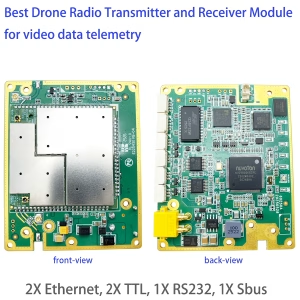
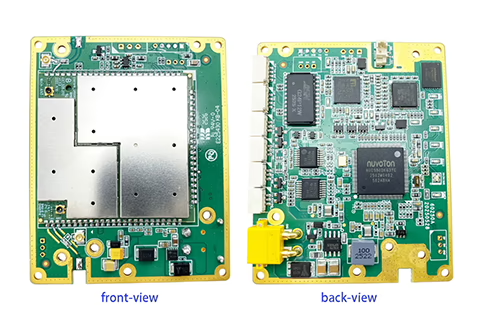
TX RX 模塊

CVBS HDMI到IP編碼器
客戶’ 查詢
我對無人機與相關地面站的 TX/RX Cofdm 配對感興趣. 該無人機攜帶微型廣播攝影機,在 HLG HDR 下運行高達 1080p60,也支援透過 RS485 串行控制的 RCP 命令.
無人機上的 TX 單元需要在 1.4GHz 頻譜下運行, 100克以下(不含天線) 附 HDSDI 或 MicroBNC 輸入. 飛行距離不會超過 2 公里. 我還想諮詢一下支援RS485攝影機控制的資料通道返回.
地面站應盡可能支援分集接收和資料回傳.
我們的回覆
根據您的要求, 我們想推薦我們的Vcan2122 OFDM TX/RX 解決方案, 非常適合基於無人機的廣播和攝影機控制應用:
與您的應用程式一致的關鍵點:
- 超輕量機載模組
單一機載模組重量33.7 克 (天線不包括), 使其成為具有嚴格有效載荷限制的無人機平台的理想選擇。- 工作頻率 – 1.4 GHz頻段
系統支持1.4 GHz 運行 (1420–1530 MHz), 完全符合您要求的頻率範圍.- 視頻輸入格式 (基於IP)
Vcan2122原生支持IP乙太網路視訊輸入 (IP攝像機).
雖然它不直接接受HD-SDI, 這可以透過添加一個輕鬆解決3G-SDI 到 IP 視訊串流轉換器板, 允許與具有 SDI 輸出的微型廣播攝影機無縫連接。HTTPS://ivcan.com/p/low-latency-sdi-ahd-cvbs-in-video-encoder-ip-ethernet/ (53 克)- 視訊解析度支援
系統支援視訊傳輸高達1080P60.
HLG HDR 相容性尚未經過專門測試, 所以現階段還不能正式確認, 儘管鏈接本身對於視頻負載來說是透明的.- 傳輸距離
具有適當的天線和視距條件, 該連結支持取決於 10 千米, 這為您所說的提供了充足的餘量 2 公里作戰範圍.- 雙向資料通道 – RS485
一個整合的透明的數據通道 得到支持, 使能RS485回傳通訊.
這允許RCP命令控制 來自地面站的攝影機.- 地面站能力
地面接收器支援雙天線分集接收, 顯著提高鏈路穩定性以及抗多路徑和乾擾能力.
地面側也支援RS485資料回傳.典型系統配置:
微廣播SDI攝影機→3G-SDI轉IP轉換器→Vcan2122機載TX→COFDM無線連結→Vcan2122地面RX (雙 - 安特納多樣性) → IP視訊輸出 + RS485攝影機控制 (RCP).支援透過我們從地面單元到空中單元的連結控制您的相機.
常問問題
在無人機上我需要一個 Vcan2122 模組和一個 SDI->IP編碼器. 在地面站,我需要另一個 Vacan2122 模組用於 RX,但我不確定如何將 IP 訊號轉回 SDI 以進行廣播集成? 有推薦嗎?
我們目前沒有 IP 轉 SDI 設備.
我的申請必須透過 SDI 提交. 相機控制, 雖然理想, 不是必備品.
如果您不需要控制相機, 那麼請考慮下面的模型.
HTTPS://ivcan.com/p/cofdm-tx-rx-發射器-編碼器-調製器-和解碼器/
SDI視訊-> TX編碼器調變板-> 無線連線-> RX 解調器解碼器 ->HDMI輸出->HDMI輸入轉SDI輸出轉換板.
現在, RX支援HDMI和IP乙太網路視訊輸出. 無SDI輸出.
也是單向定向傳輸, 不支援控制相機.
在選擇正確的解決方案之前了解設計優先級
選擇無線視訊傳輸系統時, 許多用戶關注分辨率等標題規格 (1080P或4K), 潛伏, 或傳輸距離. 然而, 最關鍵且經常被忽視的因素之一是 系統最初設計的優先級.
在實際應用中, 安全等級 / 無人機級 無線系統和 廣播級 無線系統的設計有非常不同的假設和優先級. 了解這些差異可以幫助您做出更明智的決定並避免不匹配的期望.
1. 設計理念: 可靠性對比. 絕對影像品質
安防級和無人機級無線視訊系統 通常設計用於以下環境:
- 連結可能是 非視距 (NLOS)
- 障礙, 干涉, 訊號衰落很常見
- 持續的態勢感知比完美的影像保真度更重要
在這些場景中, 主要目標是 保持即時視訊連接 在具有挑戰性的射頻條件下. 當訊號品質下降時, 該系統通常被設計為 動態地交換影像清晰度以換取連結穩定性, 確保操作員仍然可以看到視訊而不是完全丟失訊號.
相比之下, 廣播級無線視訊系統 通常設計用於:
- 受控射頻環境
- 視線清晰 (THE) 只要有可能
- 專業的生產工作流程 影像品質是最優先考慮的
在廣播應用中, 即使是影像品質的微小下降,例如壓縮偽影, 降低位元率, 或動態解析度變化——可能是不可接受的. 因此, 廣播系統通常優先考慮 持續的, 高傳真視訊輸出, 有時會以犧牲更困難的射頻條件下的鏈路穩健性為代價.
2. 解析度支援與. 實際使用
許多現代安全級無線系統支持 全高清 (1920×1080) 甚至 4ķ 視頻格式. 然而, 重要的是要了解這些決議在實踐中如何使用.
在安全和無人機應用中:
- 支援並提供高分辨率
- 系統可能會 適應比特率, 壓縮, 或影像細節 當無線環境惡化時
- 用戶通常會接受暫時的品質降低,如果這意味著 保留即時動態
在廣播應用中:
- 期望是 解析度, 比特率, 和視覺品質保持一致
- 任何可見的降解都可能影響生產質量
- 系統通常採用更嚴格的射頻規劃和更短的時間, 更乾淨的連結
3. 延遲考慮因素
兩種系統類型都可以實現低延遲, 但是 “可接受的延遲”的定義 可能有所不同:
- 安全/無人機用戶 經常優先考慮 可預測且穩定的延遲 用於控制, 導航, 和決策.
- 廣播用戶 可能會優先考慮 玻璃到玻璃延遲 與其他生產設備緊密同步.
這些系統的內部處理管道和錯誤處理策略反映了這些不同的優先級.
4. 重量, 功率, 與整合
安全級和無人機級系統通常會針對以下方面進行最佳化:
- 重量輕
- 低功耗
- 外形緊湊
- 與相機輕鬆集成, 萬向節, 和控制系統
廣播級系統, 另一方面, 可以接受:
- 更大更重的硬件
- 功耗較高
- 更複雜的設定和校準
這種權衡在廣播環境中通常是可以接受的,但在機載或移動平台中可能是一個限制因素.
5. 選擇正確的解決方案
不存在普遍「更好」的系統,只有更適合您的應用的系統.
- 如果您的首要任務是 在困難的無線環境中保持即時視訊鏈接, 即使存在障礙或乾擾, 一個 安全級或無人機級解決方案 可能更適合.
- 如果您的首要任務是 專業製作的最高且一致的圖像質量, 並且您的環境允許仔細的射頻控制, 一個 廣播級解決方案 可能更合適.
在做出決定之前, 我們強烈建議定義您的 優先順序:
- 鏈路穩定性
- 影像品質
- 潛伏
- 重量和功率
- 環境 (視距對比. NLOS)
了解這些優先事項將幫助您選擇符合您實際需求的解決方案,而不僅僅是標題規格.
問一個問題
感謝你的回應。 ✨