





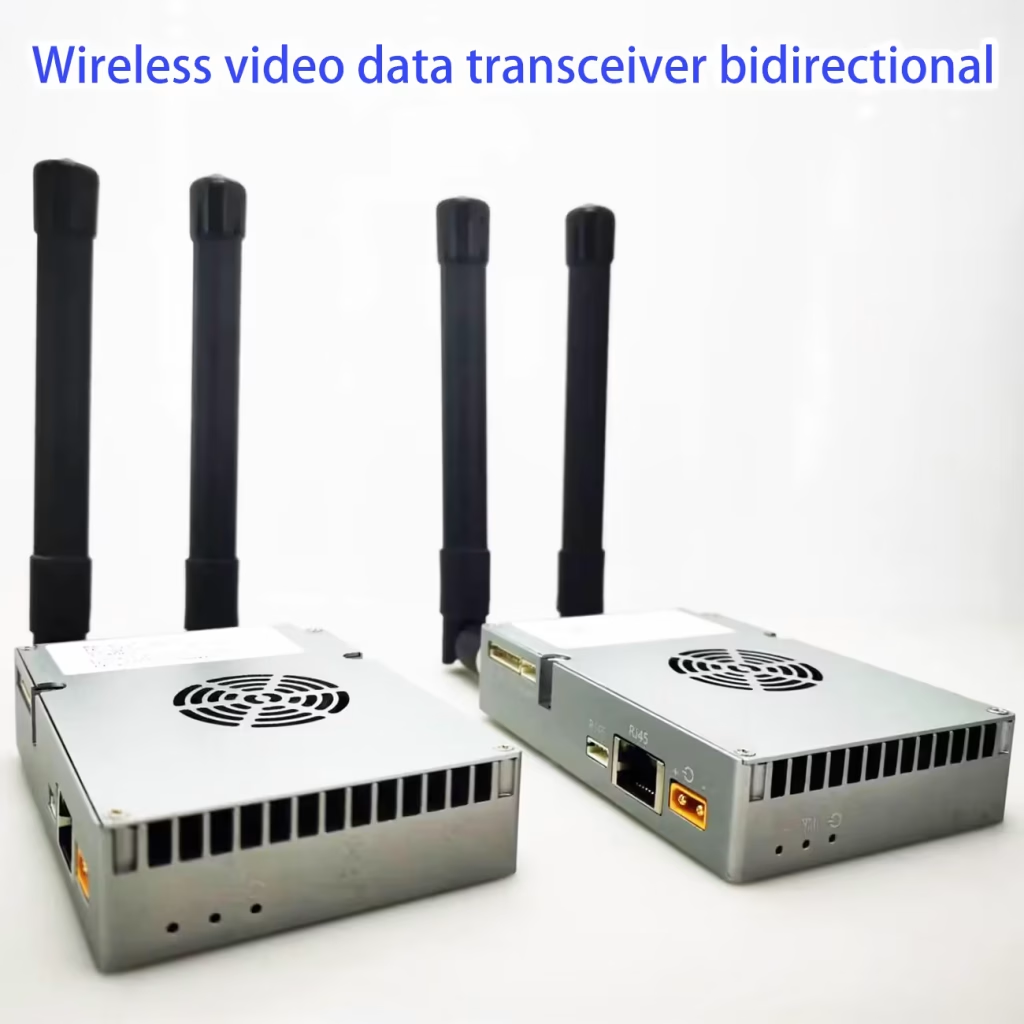
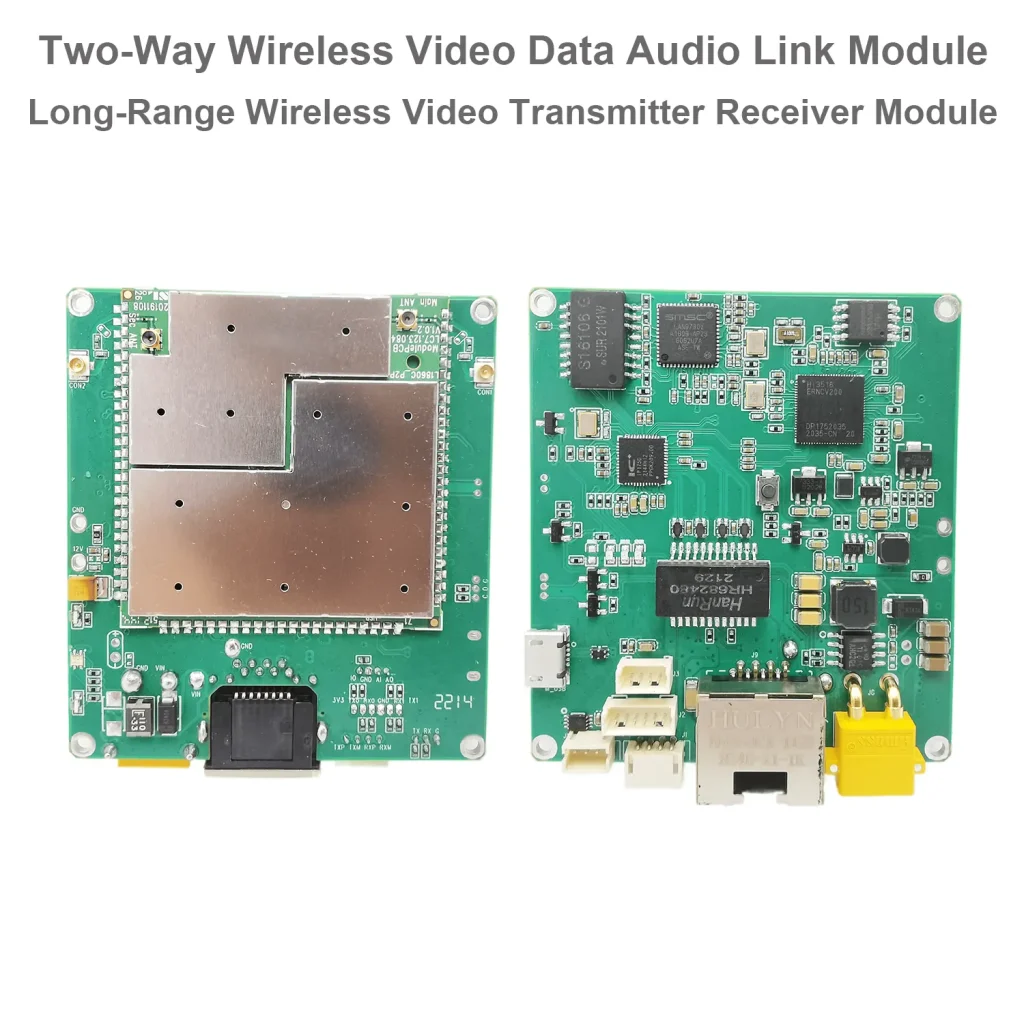
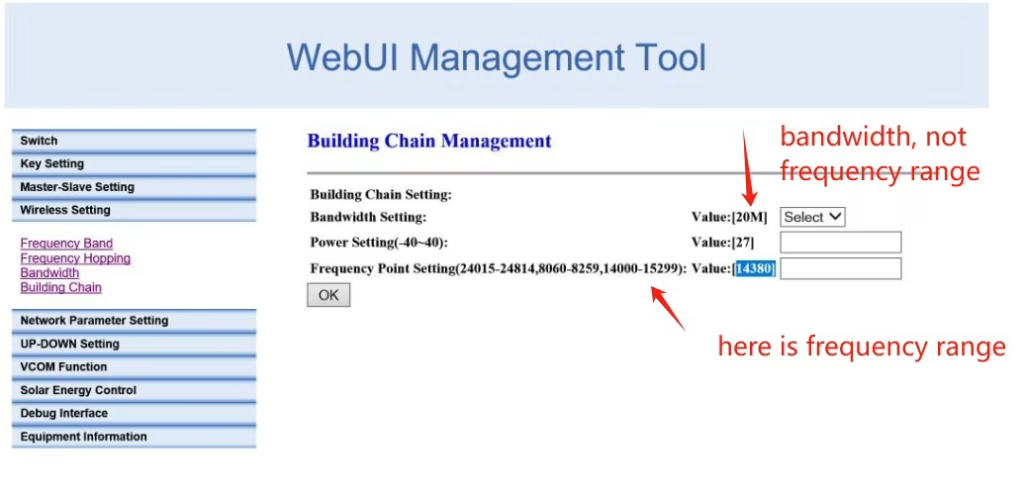
1420Mhz -1530Mhz頻率範圍無人機視訊資料鏈有110Mhz頻率範圍, so it supports frequeny hopping (FHSS) 在 11 ponits if set bandwidth 10Mb.
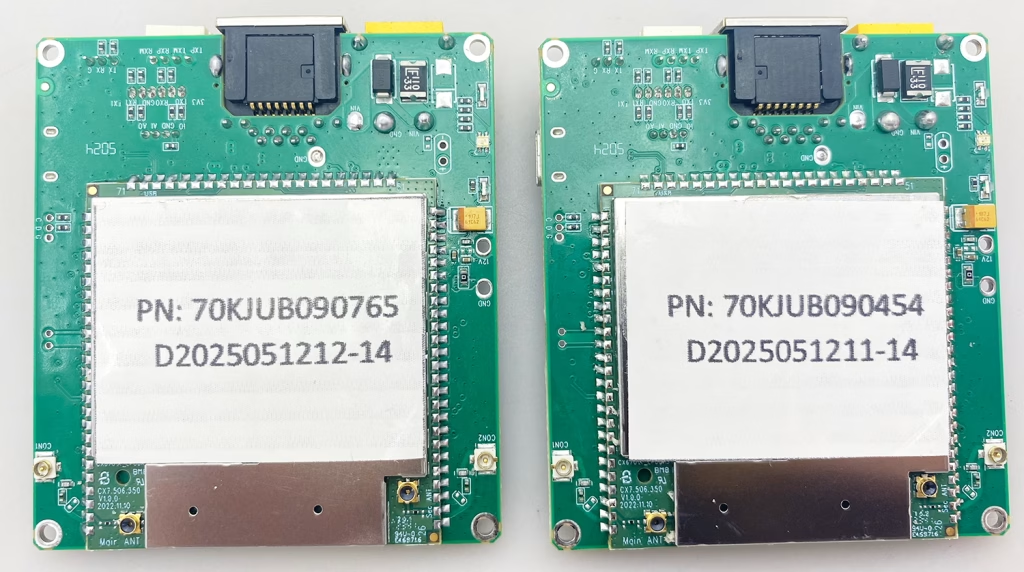
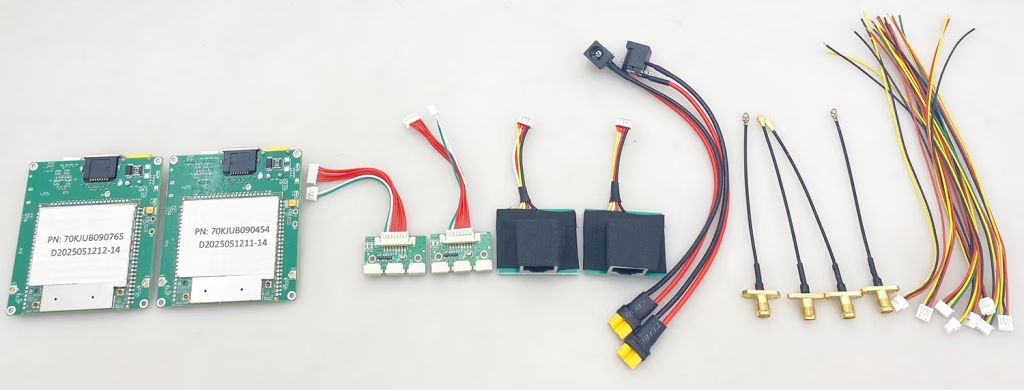
This is a special customized version of the Vcan1681 drone wireless video and data module.
| 版本 1 | 版本 2 | |
|---|---|---|
| 頻率範圍 | 806-826Mhz 1428~1468Mhz 2401.5~2481.5Mhz | 1420~1530Mhz |
| Frequency Hopping Range | Three frequency bands between 800Mhz, 1.4Ghz and 2.4Ghz.* | 1420-1530Mhz (now PA and antenna support) |
* Frequency hopping at 800Mhz, 1.4Ghz and 2.4Ghz needs the power amplifier and antenna to support.

The 1420-1530 MHz頻率範圍 for drone video data links is part of the L-band, known for its balance between range and data throughput, making it suitable for long-distance communication. Here’s a detailed breakdown:
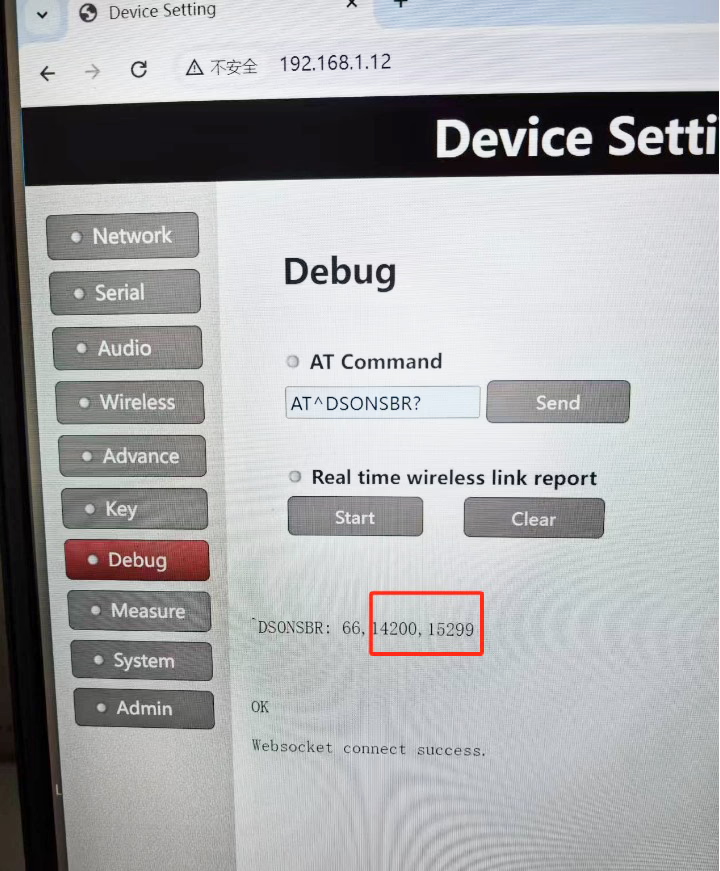
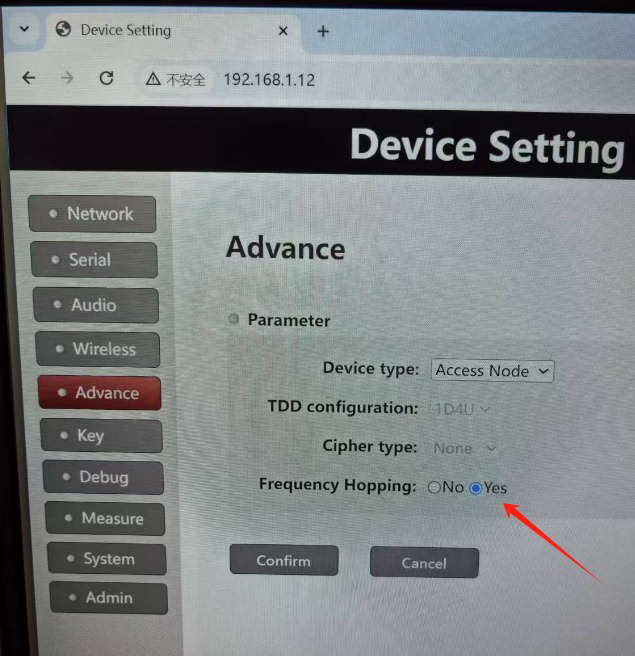
主要特點:
- Frequency Range Attributes:
- Longer Range: Lower frequencies (compared to 2.4 GHz/5.8 GHz) enable communication over greater distances, 非常適合Beyond Visual Line of Sight (超視距) 營運.
- Better Obstacle Penetration: Effective in urban or vegetated environments where signals must pass through buildings or foliage.
- 應用:
- Commercial Drones: Used in infrastructure inspection, 農業, and delivery services requiring reliable long-range links.
- Military/Government: 安全的, robust communication for surveillance or reconnaissance.
- 公安: Emergency response drones in disaster zones where traditional networks fail.
- Technical Trade-offs:
- Lower Data Rates: Compared to higher bands, but modern compression (例如, H.265) allows HD video transmission.
- 幹擾緩解: Techniques like frequency hopping or directional antennas may be employed to enhance reliability.
- 挑戰:
- 監理合規性: Operators must ensure transmissions avoid protected frequencies (例如, 1400-1427 兆赫). 在實踐中, systems often use 1427-1530 兆赫 to prevent overlap.
- Spectrum Crowding: Increased use of L-band for aviation/satellite may require coordination.
- 結論:
- The 1420-1530 兆赫 band is a strategic choice for drones needing 遠距離, reliable video links, especially in regulated or challenging environments. Compliance with radio astronomy protections (avoiding ≤1427 MHz) and proper licensing are essential for legal operation. This range is favored in sectors prioritizing reach and penetration over ultra-high data rates.

問一個問題
感謝你的回應。 ✨