

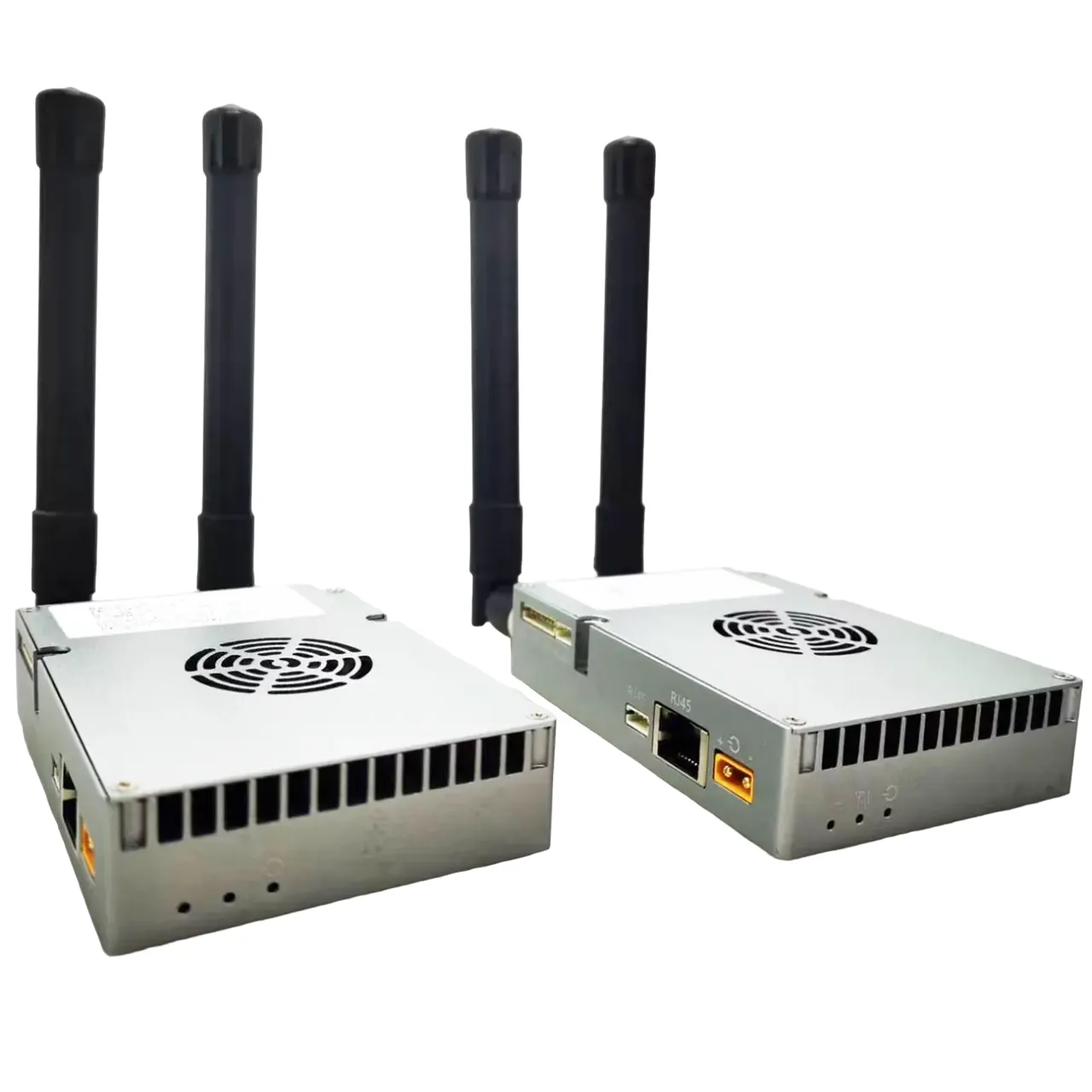
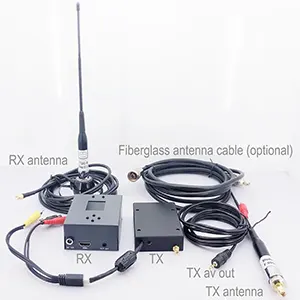


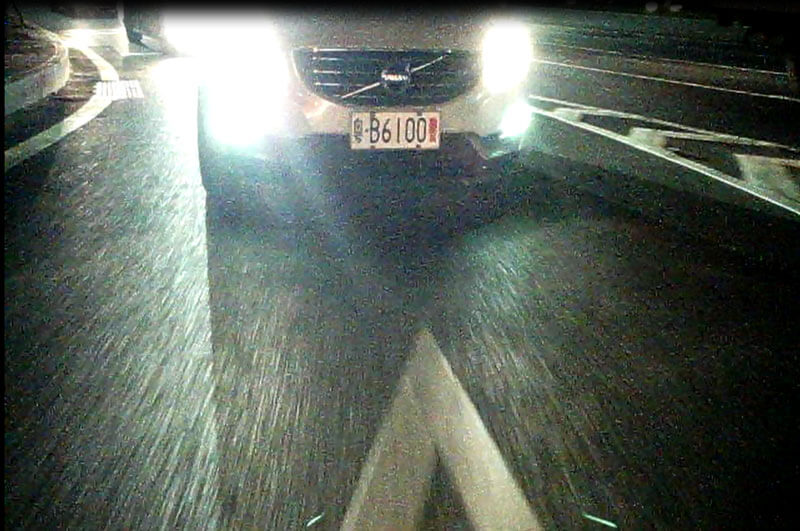
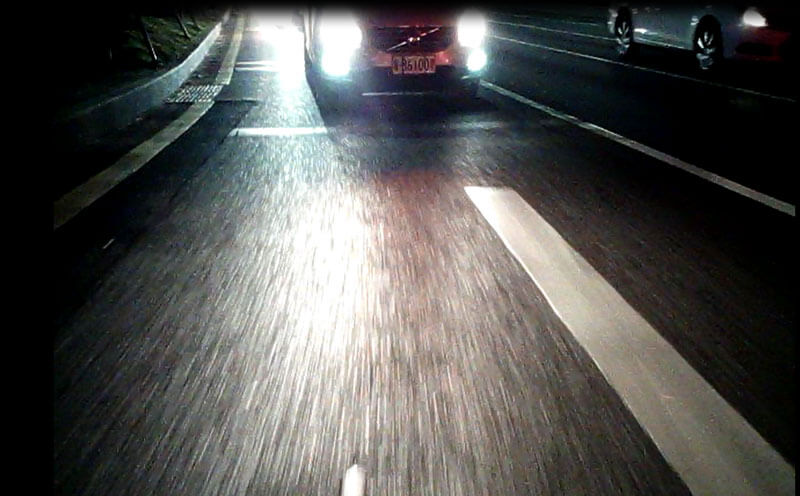
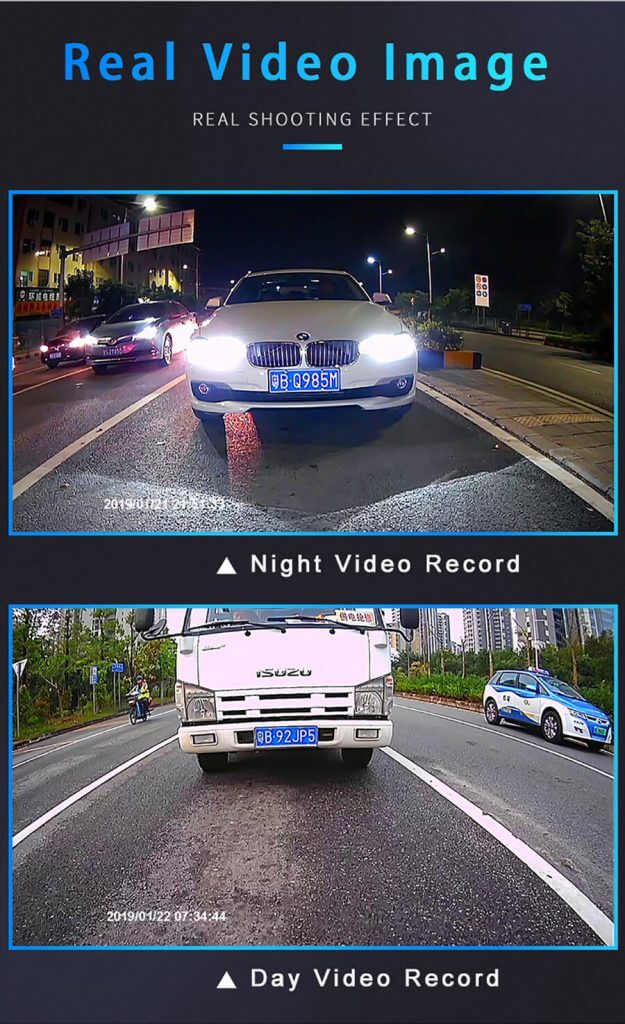
night vision test photos of the actual effect of car DVR at night


Infrared Camera vs. Thermal Camera for Night Vision
Infravermelho (E) and thermal cameras both enhance visibility in low-light or dark environments, but they work in different ways and serve distinct purposes. Understanding their differences can help you choose the right technology for night vision applications.
1. Infravermelho (E) Cameras for Night Vision
How They Work:
- IR cameras use near-infrared (NIR) or shortwave infrared (SWIR) light, which is just beyond the visible spectrum.
- They require an external infrared light source (IR illuminator) para “light up” the scene for the camera to see.
- The camera captures reflected IR light, similar to how a regular camera captures visible light.
Prós:
✔ Works well for recognizing objects and people (detailed images).
✔ Can be paired with IR LEDs for enhanced night vision.
✔ Less expensive than thermal cameras.
Contras:
✖ Requires some light source (IR or ambient).
✖ Can be affected by fog, fumaça, or dust.
✖ Less effective at detecting heat sources.
Common Uses:
🔹 Security cameras (CCTV with IR LEDs).
🔹 Night vision goggles and scopes.
🔹 Wildlife observation.
2. Thermal Cameras for Night Vision
How They Work:
- Thermal cameras detect infravermelho de onda longa (LWIR) radiação, which is emitted as heat by objects, rather than reflected light.
- They create an image based on temperature differences, making them effective even in total darkness.
Prós:
✔ Works in total darkness without any light source.
✔ Can see through névoa, fumaça, and certain obstacles.
✔ Detects heat signatures, making it ideal for finding people, animais, or overheating objects.
Contras:
✖ Lower image detail (harder to recognize faces or read signs).
✖ More expensive than IR cameras.
✖ Not effective through glass (thermal radiation is blocked).
Common Uses:
🔥 Search & resgatar (finding lost persons at night).
🔥 Firefighting (spotting hotspots in buildings).
🔥 Security & vigilância (detecting intruders in the dark).
🔥 Industrial inspections (identifying overheating machinery).
Which is Better for Night Vision?
- For Identifying Faces, Objects, and Reading Signs → Infrared Camera ✅
- For Seeing in Total Darkness & Through Smoke/Fog → Thermal Camera ✅
- For Security & Surveillance at Night → Ambos (Hybrid Cameras Exist) ✅
Veredicto Final:
- Se você precisar detailed images in low light, go with infrared night vision cameras.
- Se você precisar detect heat sources in total darkness, um thermal camera is the better choice.