





Certain customers prefer using Ethernet ports for data transmission instead of the TX900’s three data ports. This article provides instructions on how to do that.
This document applies to the models below, eccetera.
-
 10W PA 150KM collegamento dati video aereo a lungo raggio trasmissione wireless UAV trasmettitore ricevitore a banda larga maniglia tattica
 -
22KM 55 km 80 km 100 km 150 km a distanza a distanza Videiver Transmission Transmission Transmission Transmissiver PA 2W 5W 10W
-
Dati video wireless UAV bidirezionale RC Control Link modulo ricetrasmettitore bidirezionale a lungo raggio Trasmettitore-ricevitore Vcan1681


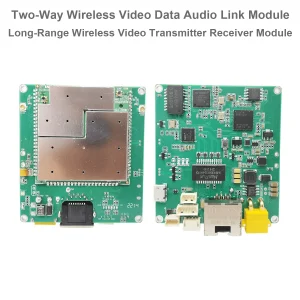
The TX900 has three serial ports, two of which (D2 and D3) are used for wireless network access through IP addresses. The system includes a built-in serial port server allowing D2 and D3 ports to convert serial data over networks using TCP or UDP protocols. The D2 and D3 serial ports on the TX900 are identified by their port numbers.
Using the TCP protocol, the external device (computer) needs to create a TCP client, which can be used after connecting to the target TX900. The external device (computer) sends TCP data to the target TX900, which converts this data into serial port data and sends it out. The target TX900 will actively send this data to the TCP client upon receiving the serial port data.
Using the UDP protocol, external devices (computers) need to create a UDP service, and the local and remote port numbers of the UDP service need to correspond one-to-one with the “target port” E “porta di ascolto” of the target TX900. The external device (computer) sends UDP data to the target TX900, which converts this data into serial port data and sends it out. When the target TX900 receives serial port data, it actively sends this data to the “target port” of the “target IP”, where the “target IP” must be the IP address of the external device (computer).
TX900 configuration
Nota: Changing TX900 parameters in the web UI requires restarting TX900 to take effect.
Esempio 1: Porta seriale 2 di TX900-Access Node (IP address: 192.168.1.12) is required to communicate with the TCP cliente of the computer (IP address: 192.168.1.50) connected to the remote network port, as shown in the following figure.

In the web UI of TX900-Access Node (IP address 192.168.1.12), set the network IP parameters:
IP locale: TX900-Access Node’s own IP address (per esempio. 192.168.1.12)
Target IP: opzionale

In the web UI of TX900-Access Node, select Serial Port->Serial Port 2->Protocol Select “TCP”, and then click “OK”.
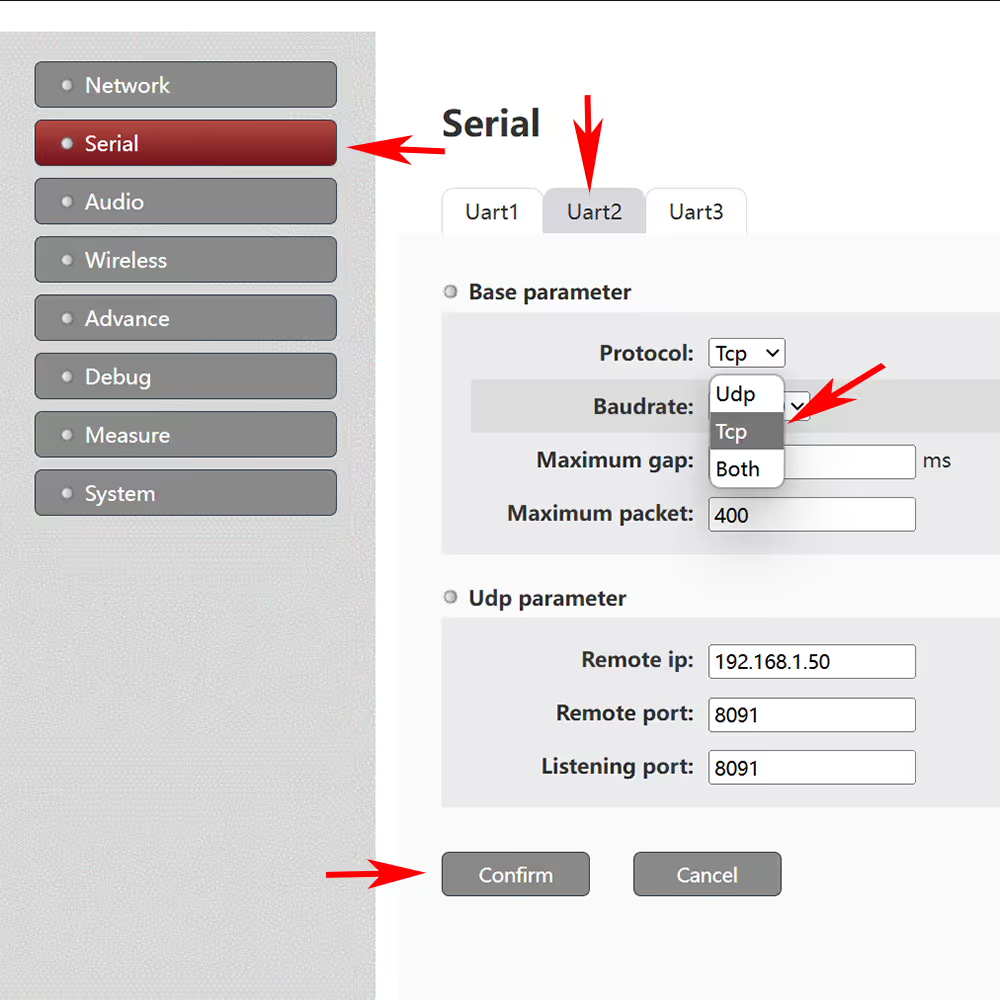
After clicking “OK”, the interface will display:

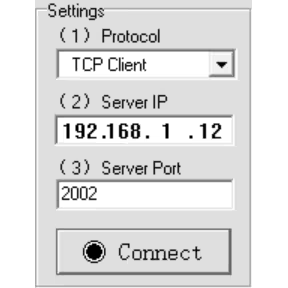
When creating a TCP client for a computer connected to a remote network (192.168.1.50), its remote IP address needs to be configured as the IP address of TX900-Access Node (192.168.1.12), and the port number needs to be configured as the TCP parameter “porta di ascolto” (ad esempio 2002) corresponding to the serial port of TX900-Access Node (such as serial port 2). Example of remote computer TCP client configuration:
Esempio 2: The computer (IP address: 192.168.1.51) that requires porta seriale 3 di TX900-Access Node to connect to the remote network port uses UDP protocol for communication, as shown in the following figure.

In the web UI of TX900-Access Node, set the network IP parameters:
IP locale: TX900-Access Node’s own IP address (per esempio. 192.168.1.12)
Target IP: The IP address of the computer connected to the remote network port (per esempio. 192.168.1.51), which can also be left unconfigured. Configure the target IP address in the specific configuration of serial port 3 below.
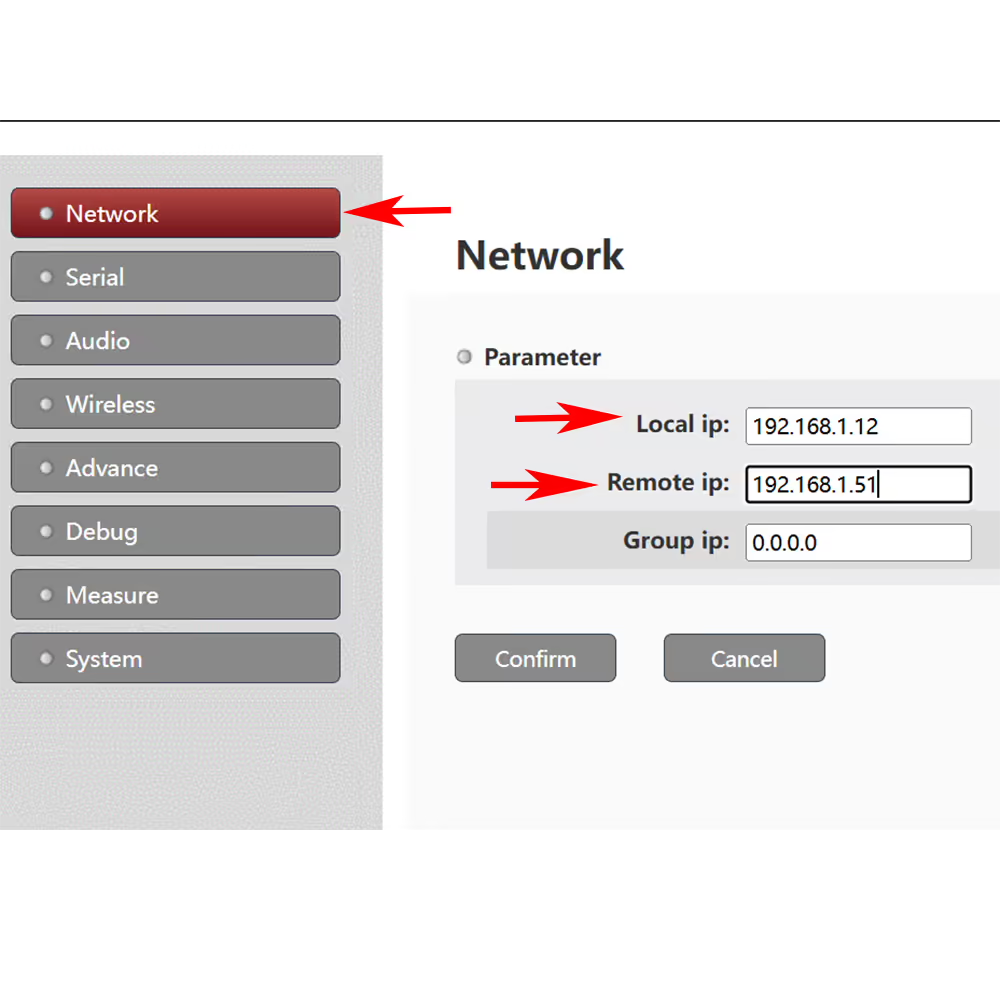
In the web UI of TX900-Access Node, select Serial Port->Serial Port 3->Protocol Select UDP, and then click OK.
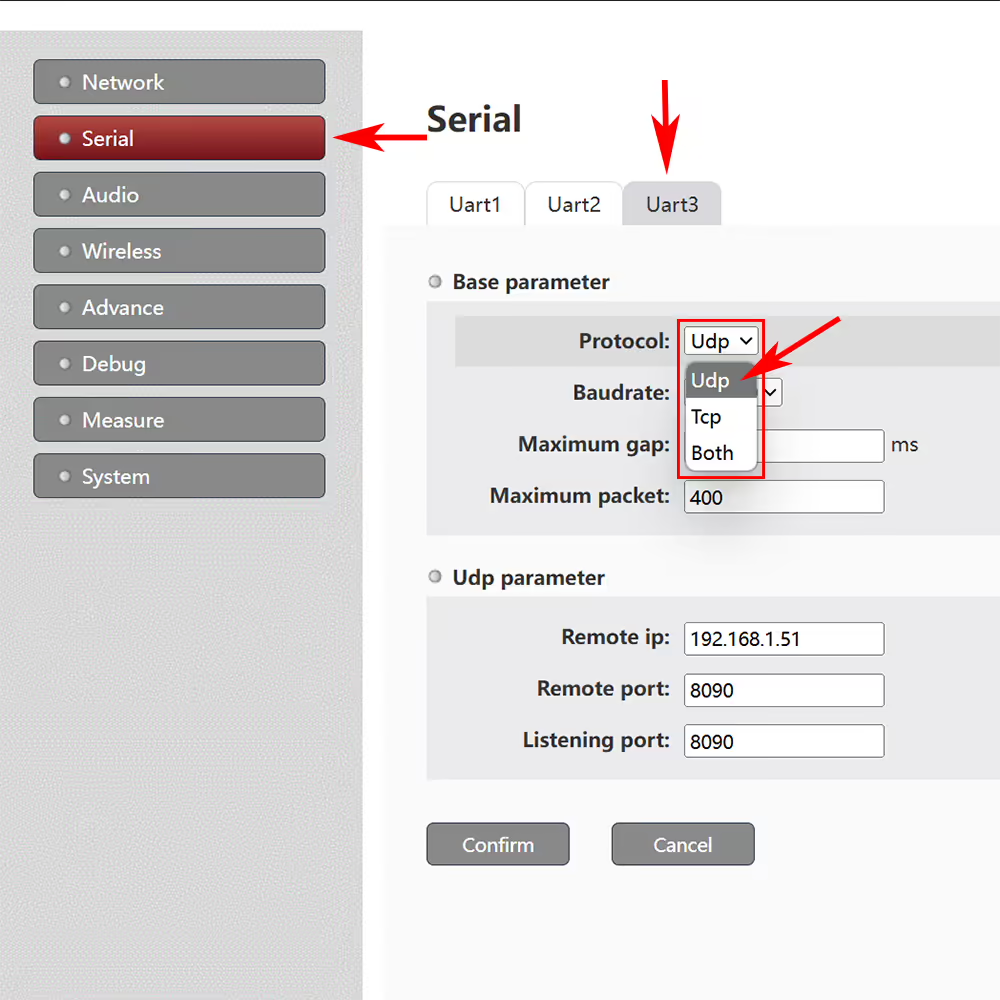
After clicking “OK”, the interface will display:
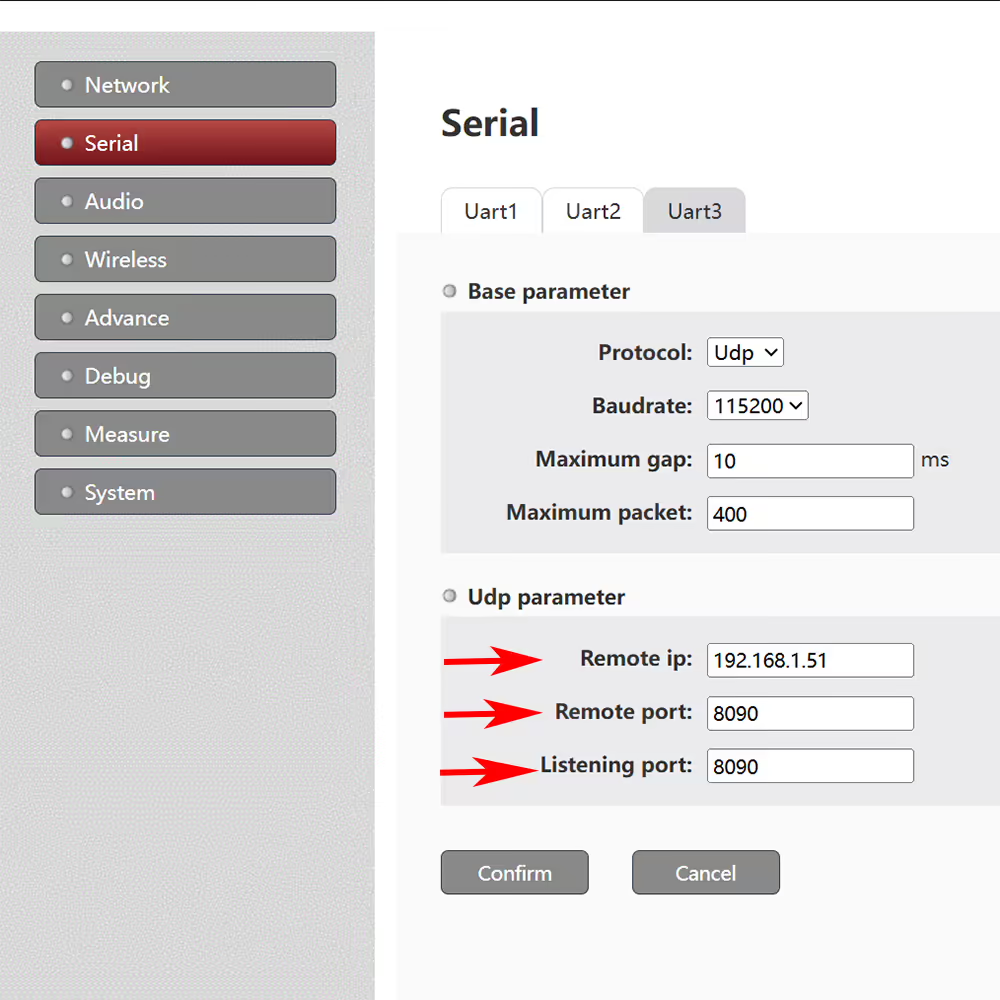
Fill in the IP address of the target computer in sequence (assuming 192.168.1.51), the target port is the UDP local port number of the target computer (assuming 8090), and the listening port is the UDP remote port number of the target computer (assuming 8090).
When creating a UDP client on the target computer (192.168.1.51), its target IP address needs to be configured as the IP address of Access Node (192.168.1.12), the remote port number needs to be configured as the listening port of Access Node (assuming 8090), and the local port number needs to be configured as the target port of Access Node (assuming 8090). As shown in the following example:
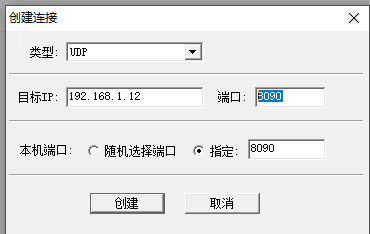
Esempio 3: A computer (IP address: 192.168.1.55) that requires porta seriale 2 di TX900-Access Node to communicate with the remote network port via TCP cliente, while also communicating con porta seriale 2 di remote TX900-Center Node, as shown in the following figure:
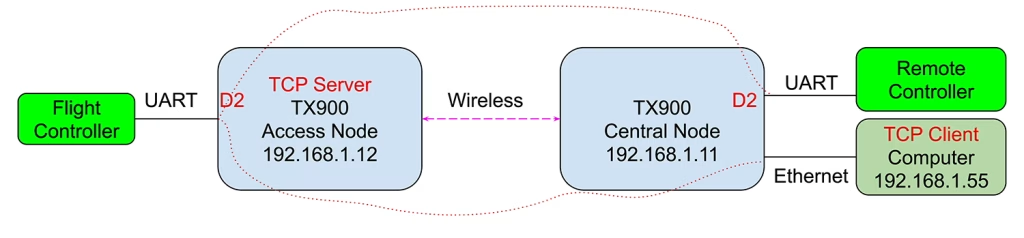
In the web UI of TX900-Access Node, set the network IP parameters:
IP locale: TX900-Access Node’s own IP address (per esempio. 192.168.1.12)
Target IP: opzionale
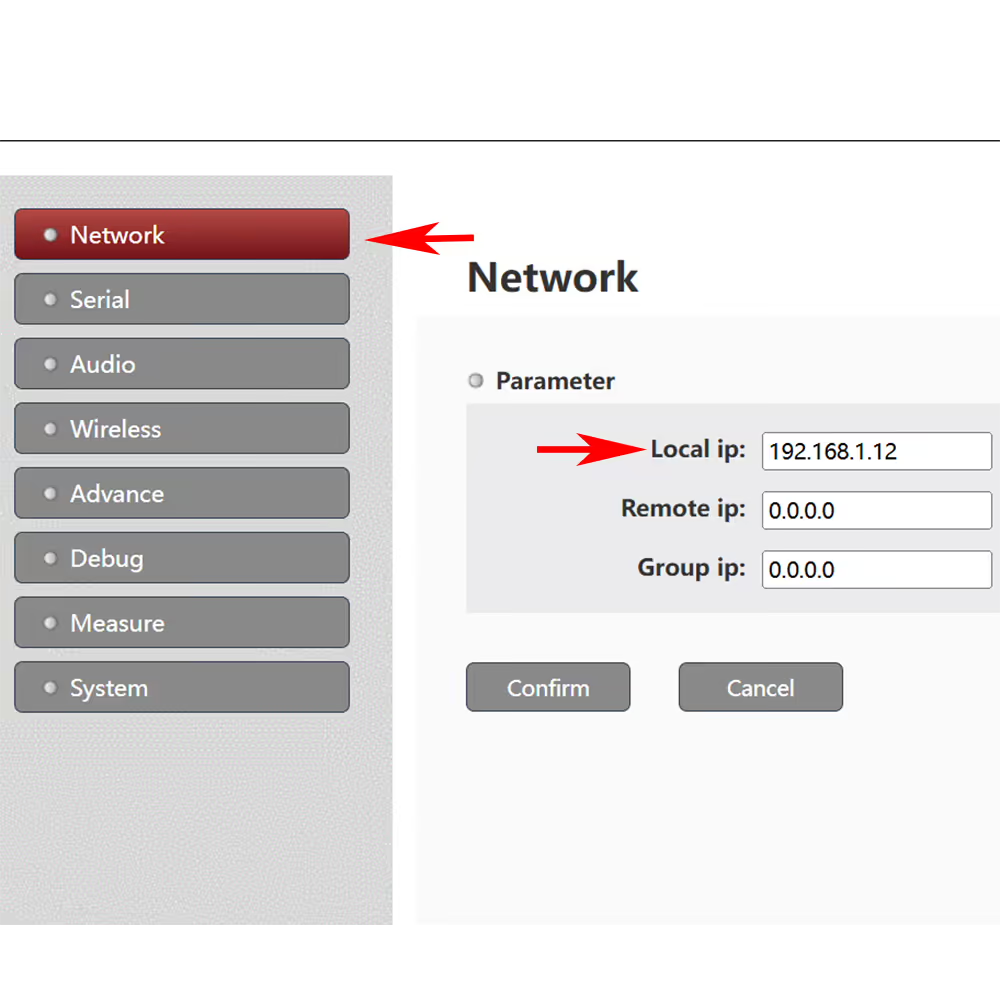
In the web UI of TX900-Access Node, select Serial Port->Serial Port 2->Protocol Select “Both”, and then click “OK”.
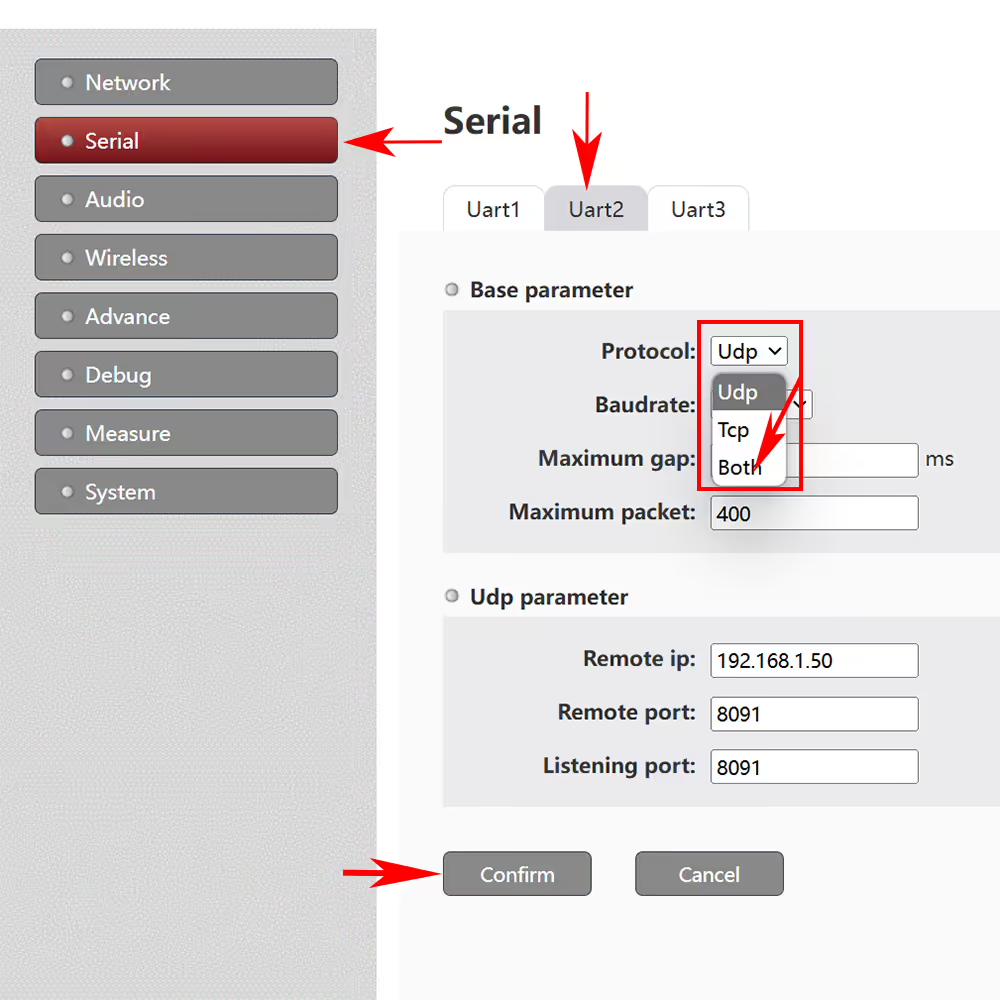
After clicking “OK”, the interface will display:
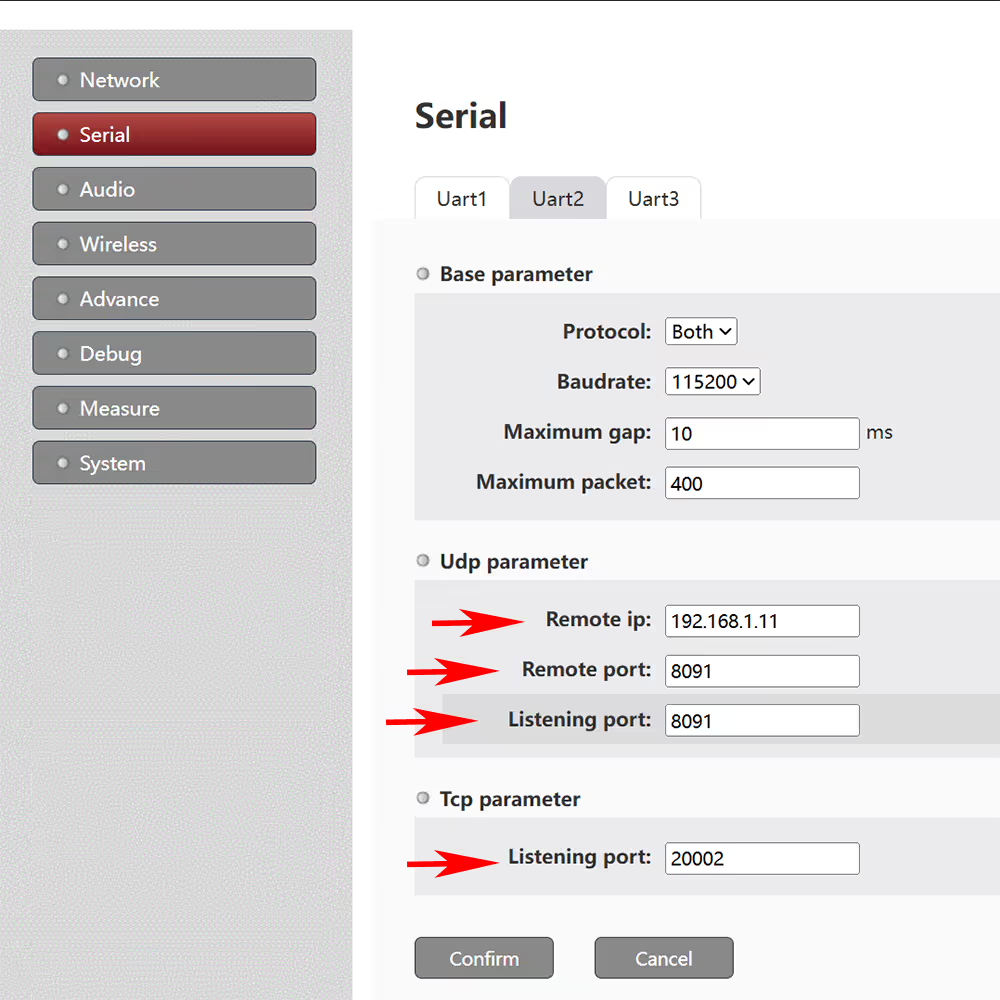
The target IP in the UDP parameters is set to the IP address 192.168.1.11 of the remote TX900-Central Node. The target port is set to be consistent with the D2 serial port listening port of the remote TX900-Central Node, and the listening port is set to be consistent with the D2 serial port target port of the remote TX900-Central Node.
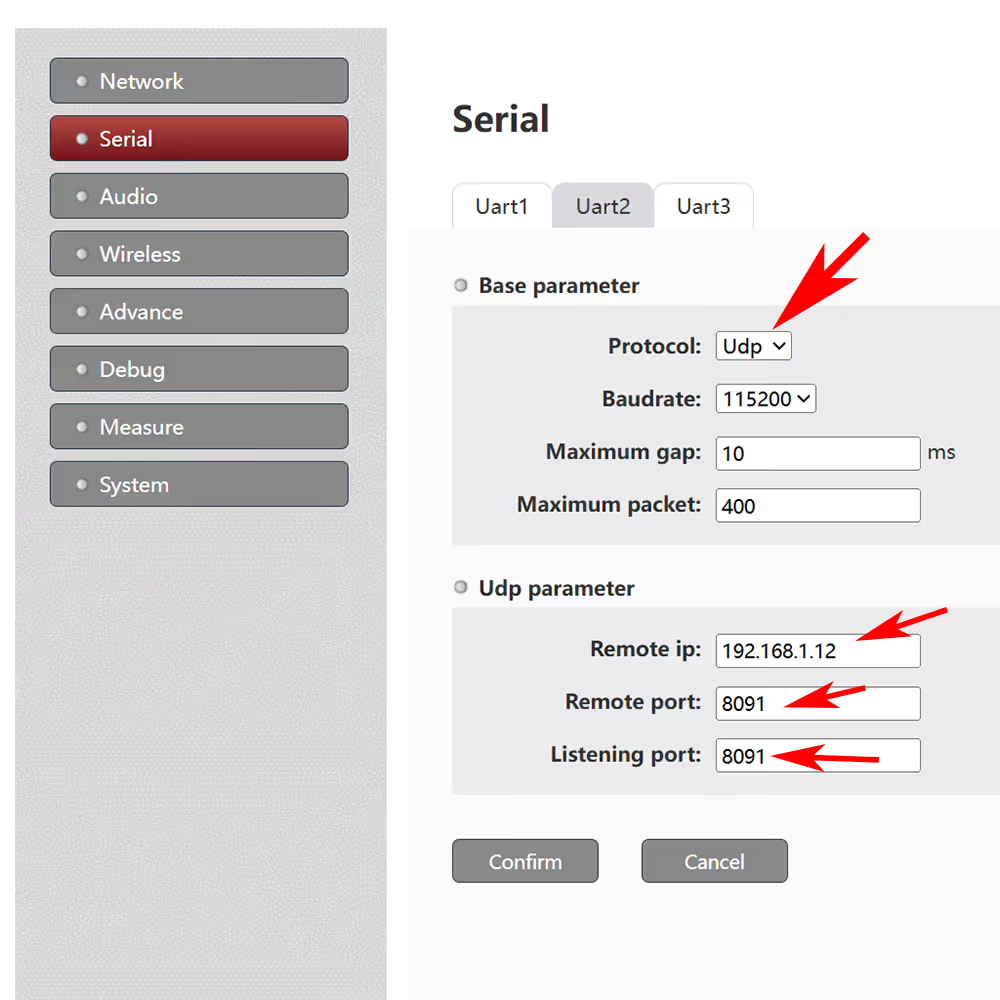
The configuration of serial port 2 for remote TX900-Central Node (192.168.1.11) is as follows, corresponding to TX900-Access Node:
When creating a TCP client for a computer connected to a remote network (192.168.1.55), its remote IP address needs to be configured as the IP address of TX900-Access Node (192.168.1.12), and the port number needs to be configured as the TCP parameter “porta di ascolto” (ad esempio 2002) corresponding to the serial port of TX900-Access Node (such as serial port 2).
Fai una domanda
Grazie per la risposta. ✨