






COFDM Wireless Video Receiver HDMI CVBS output
COFDM Wireless Video Receiver HDMI CVBS output mini modulator module long distance fpv UAV Data Transmission UART config Recorder
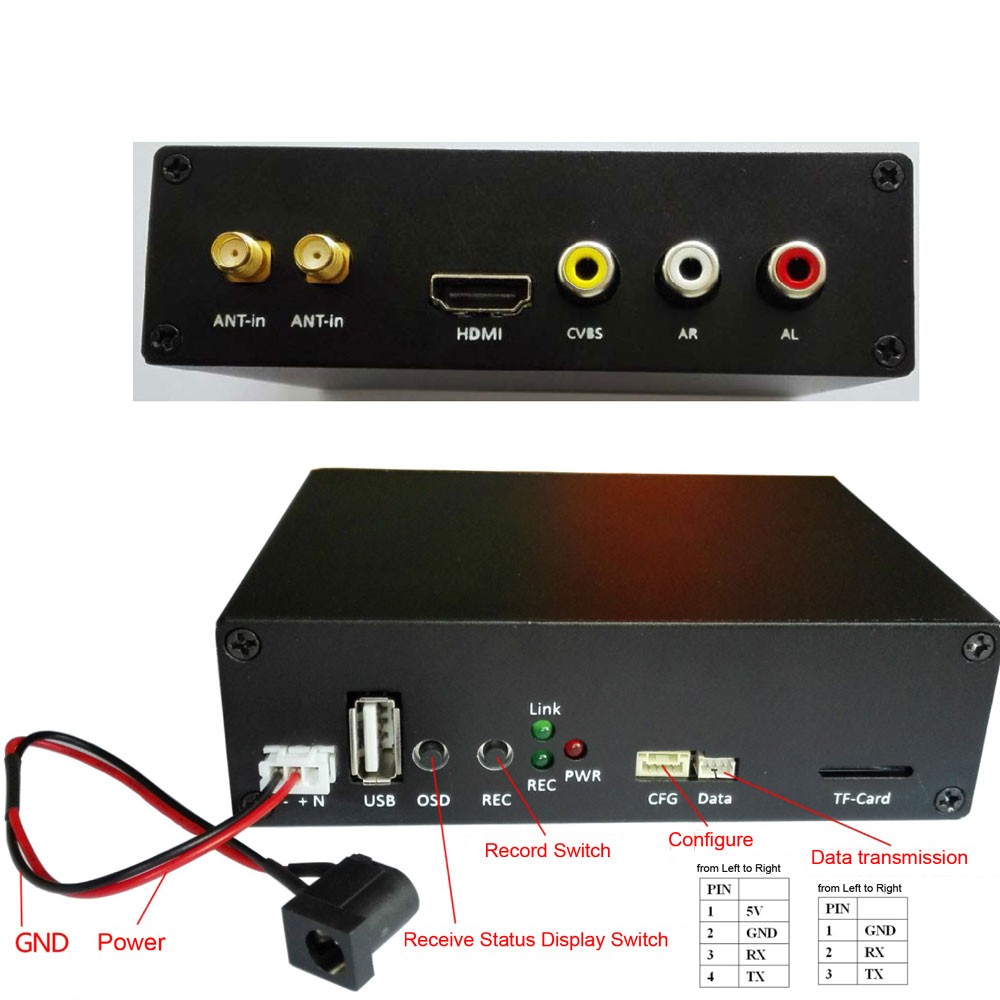
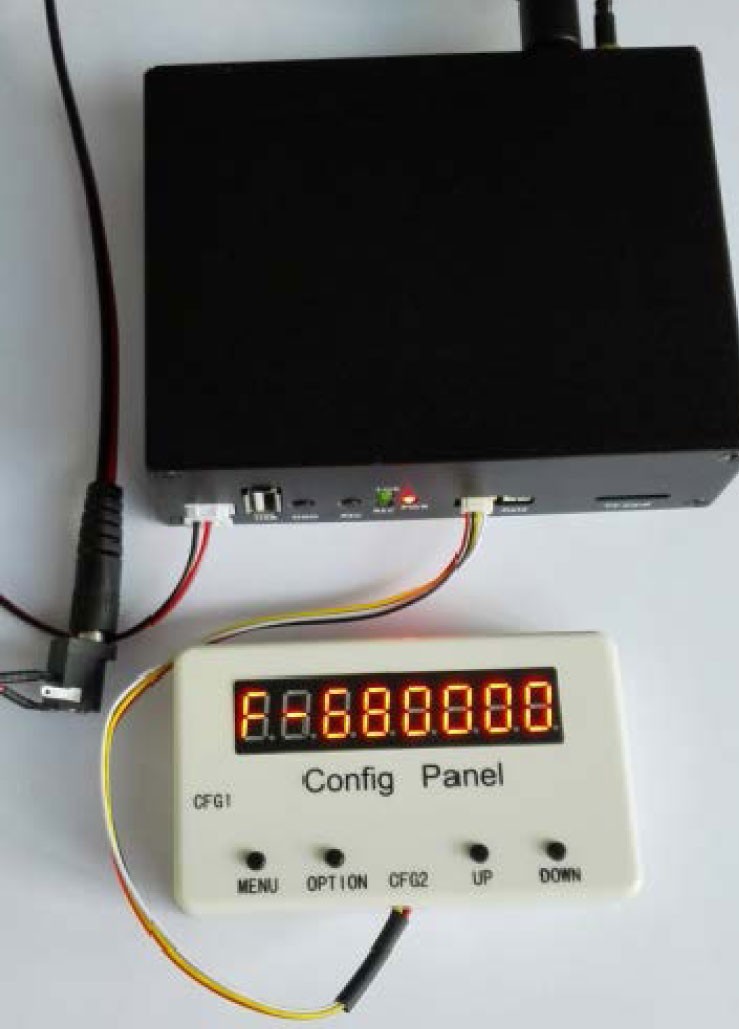
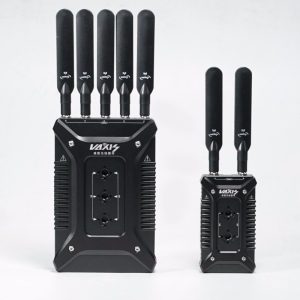
Work for COFDM-905T
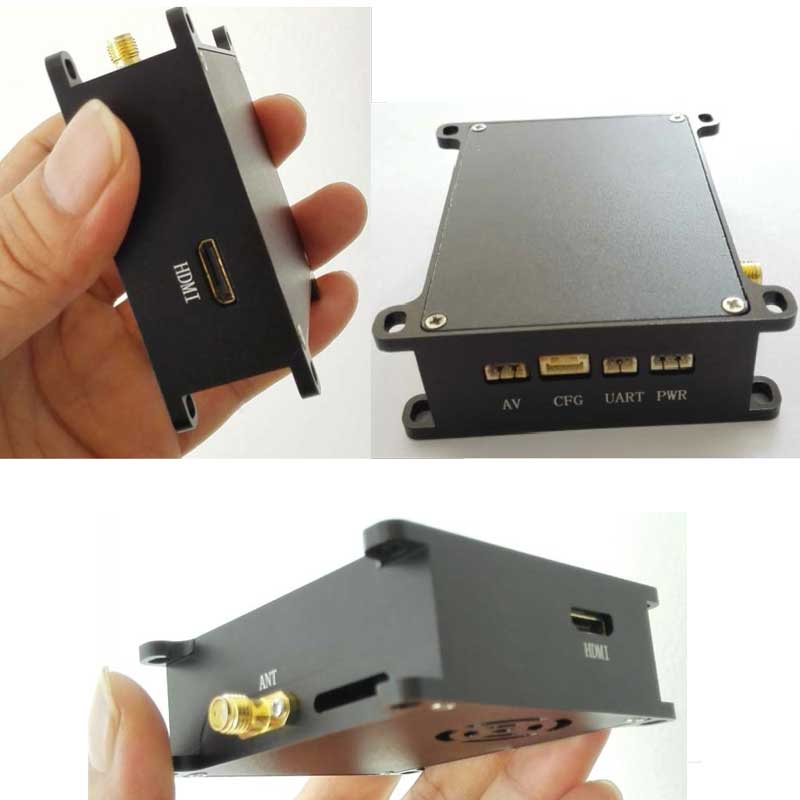
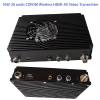
HD digital wireless video transmission receiver COFDM-905R
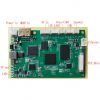
Built-in Decoder board and COFDM dual-antenna receiving demodulation module, the whole machine adopts aluminum alloy casing, high receiving sensitivity, low decoding display delay, high-definition video output stable and clear.
Sommario
Caratteristiche
- Dual Antenna reception
- Support working frequency range: 160MHz~860 MHz, the center working frequency can be configured;
- Wireless bandwidth is configurable;
- The sensitivity of dual antenna reception -100±1dbm (QPSK 8MHz);
- Wireless receiving status information (such as received signal strength, air interface rate, velocità dei dati, frequenza di lavoro, larghezza di banda wireless, ecc.) can be superimposed/not displayed on the video screen through the OSD switch button, or output to the serial port (personalizzato) ;
- Low-latency H264 video decoding, support 1080P@60 decoding playback;
- Audio and video output (HDMI, CVBS, USB port simultaneous output):
- HDMI Type-A port audio and video output
- CVBS (Lotus Head) Uscita audio e video AV
- Output video stream to the phone/tablet decoding display via USB port
- Support video receiving and decrypting function (matching with video encryption at the transmitting end);
- Support TF card or USB disk video recording;
- Provide one-way single-direction transparent data transmission serial port;
- Provide parameters to configure the serial port for working settings (such as center working frequency, larghezza di banda wireless, receiving decryption password);
- Alimentazione elettrica: 6~15V, working power consumption is 230mA@12V.
- Machine size: 115x90x34mm
- Machine weight: 243 grammi
Connettore:
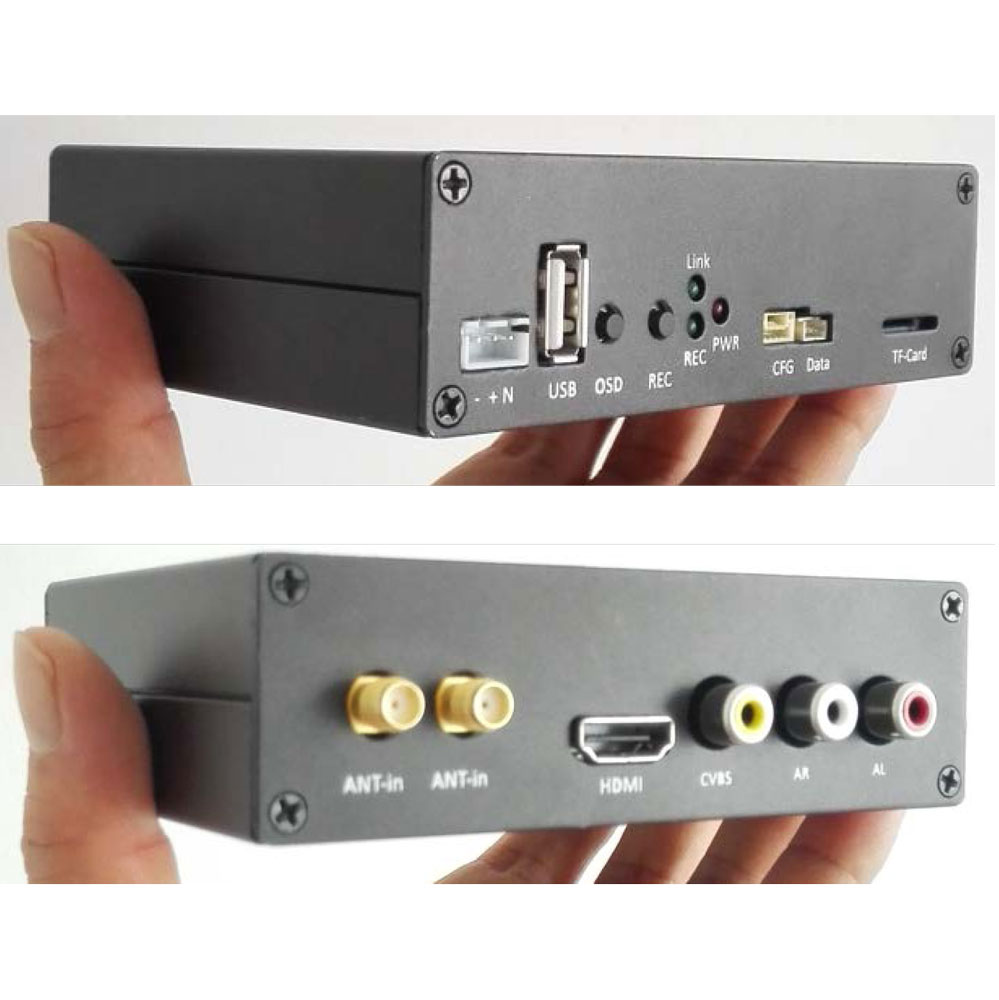
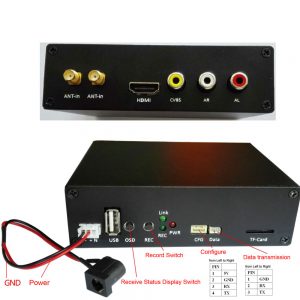
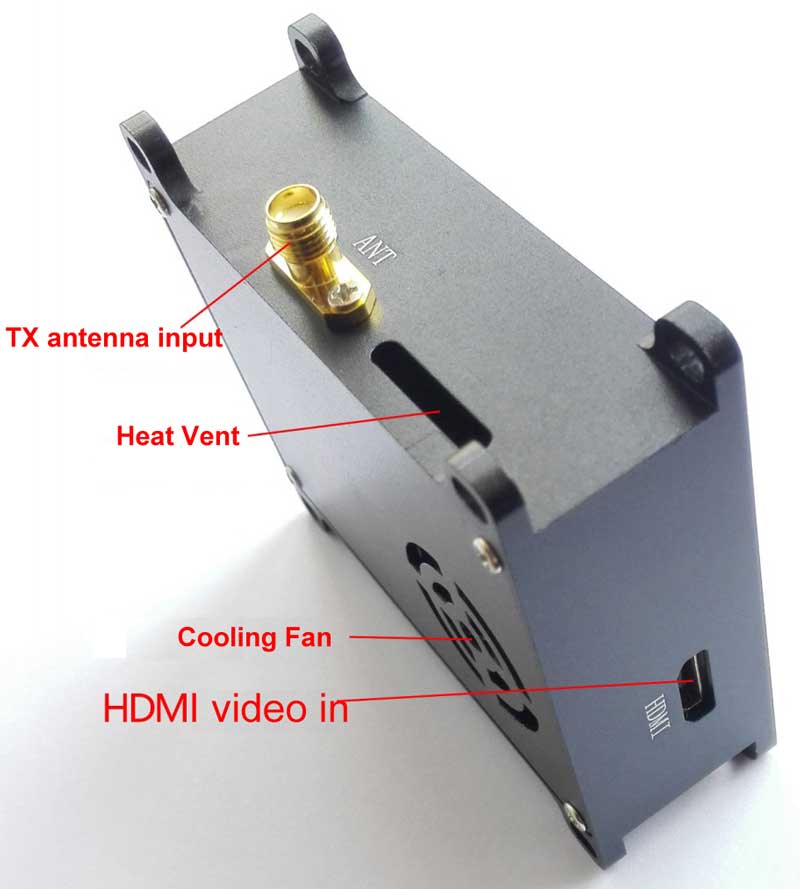
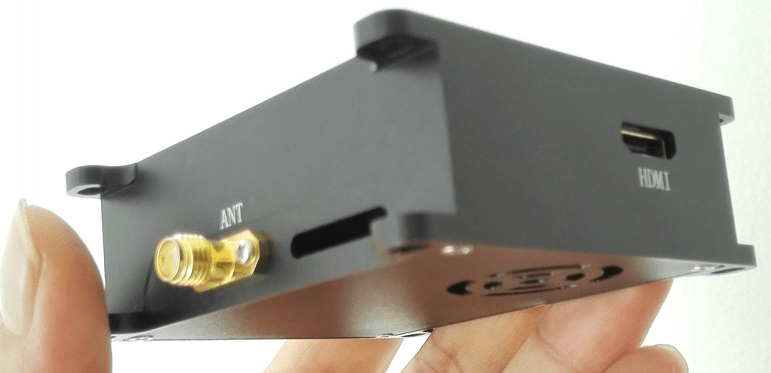
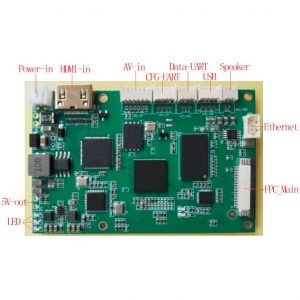
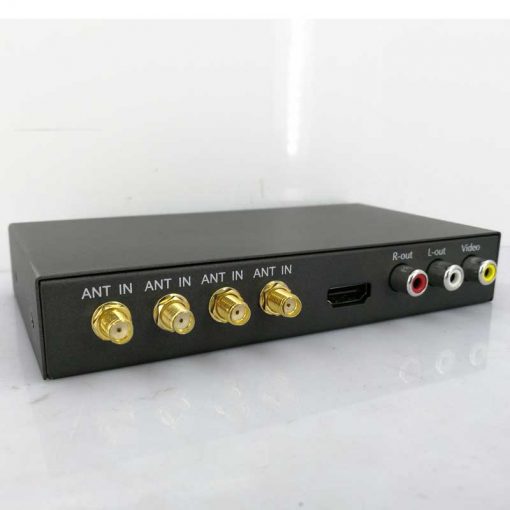
- ANT-in: wireless signal input antenna interface, SMA external threaded inner hole
- HDMI: A type HDMI carrier, high-definition audio and video output interface
- CVBS: analog video output interface
- AL/AR: left and right channel analog audio output
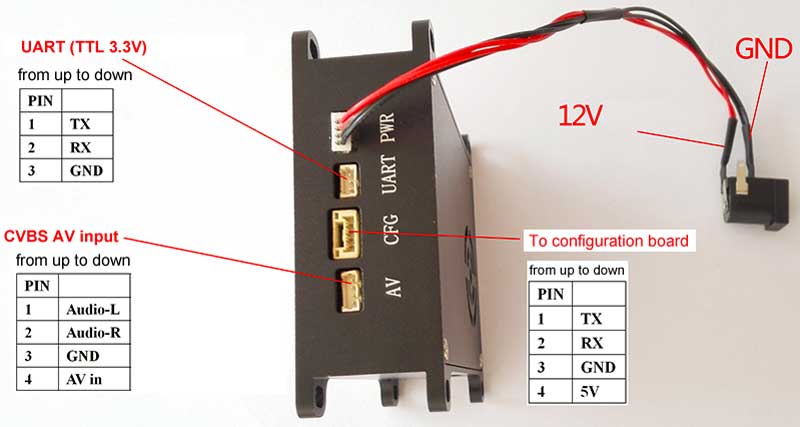
- Energia connettore: 3PIN 2.54mm socket
- USB interfaccia:
- External phone or tablet can be used to output audio and video to mobile phone or tablet for decoding display
- Recording video can be connected to an external USB flash drive or USB hard disk
- pulsante OSD:
The receiving status information displays the on/off button, and the long press button can switch the switch status, and the switch status will be powered off. When the reception status information display is turned on, it is displayed in red in the upper left corner of the output video screen:- RF:338.0MHz BW:4.0MHz
QPSKCR:2/3 GI:1/16
ARIA:3.90Mbps
VBR:3.05AES Mbps disattivato
SIG1:27 SIG2:22
ber1:0.14% ber2:100.00%
REC OFF Nessuna memorizzazione - RF indicates the center operating frequency, E BW indicates the working bandwidth.
QPSK is the modulation mode, CR è il tasso di codice convoluzionale, e GI è l'intervallo di guardia.
ARIA is the air interface rate
VBR is the video bitrate, AES OFF means no encryption
SIG1 refers to the received signal strength near the HDMI port antenna, E SIG2 refers to the other antenna.
Ber1 refers to the BER error rate near the HDMI port antenna, E ber2 refers to another antenna.
REC OFF means no video storage
- RF:338.0MHz BW:4.0MHz
- When the wireless receiving signal is interrupted or weak, la schermata del video in uscita verrà interrotta (la schermata del segnale riricevuto verrà ripristinata automaticamente), and display: Disconnected, nessun segnale
- REC button: Video recording on/off button, short press button to switch state, start recording after power is detected. The system defaults to recording to the TF card. Se la scheda TF non è inserita, viene registrato sull'unità flash USB. Se non sono inseriti, non verranno registrati.
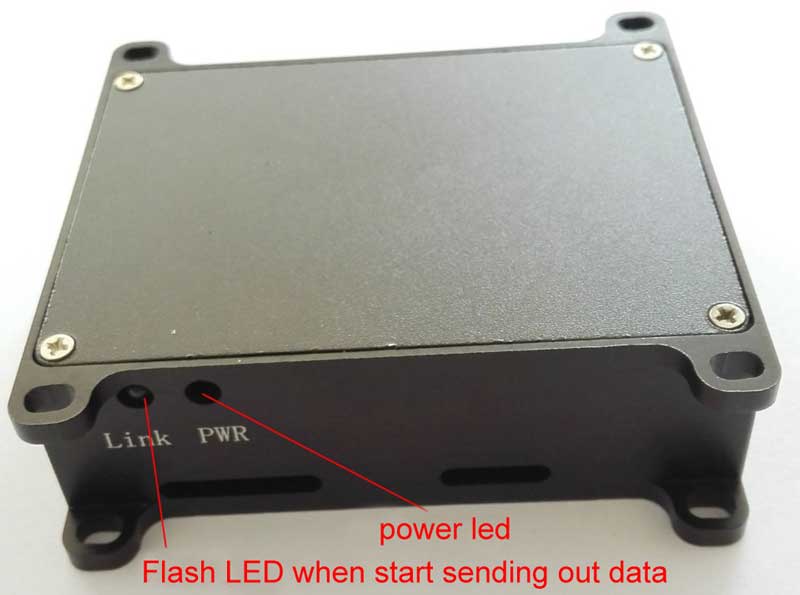
- Indicatore di collegamento: The wireless receiving link working status indicator lights up after the system is started and blinks when the receiving signal is normal.
- REC indicator: The video recording indicator will flash at the low frequency when recording video, otherwise the high frequency will flash.
- PWR indicator: Indicatore di alimentazione.
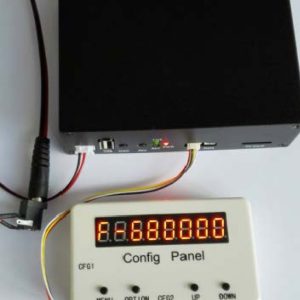
- CFG serial port: Parameter configuration Serial port, you can configure wireless receiving related parameters, such as center working frequency, larghezza di banda wireless, decryption password, eccetera. Vcan provides a matching parameter configuration panel SconB to facilitate user parameter setting.
- Porta seriale dati: Porta seriale trasparente per trasmissione dati. The serial port data of the transmitter can be wirelessly transmitted to the receiver and output from the serial port.
- Interfaccia della scheda TF: Used for software upgrade maintenance or for storing video.
Nota
When the COFDM-905T transmitter and COFDM-905T receiver form a point-to-point wireless video transmission system, the video delay indicator:
The three indicators of video delay, video bit rate, and air interface rate are mutual influence and mutual restraint. When the air interface rate is greater than 5 times the video code rate, the video delay is minimum. In questo caso, the actual test is that the video delay is about 60 milliseconds when the code is transmitted at 720P@60, e il ritardo del video è di circa 130 milliseconds at 1080P@60. The delay refers to the delay from the HDMI video input at the transmitting end to the HDMI video output at the receiving end, escluso il ritardo della fotocamera front-end dell'estremità trasmittente (we measured the delay of a brand SLR camera at about 70 millisecondi, and the delay of a famous brand sports camera at about 130 millisecondi). For most application scenarios, the video delay is set to about 200ms by default.
When the COFDM-905T transmitter and the COFDM-905R receiver form a point-to-point wireless video transmission system, the transmission distance is:
The wireless transmission distance is related to many factors such as the test environment, ambient electromagnetic interference, occlusion conditions, air humidity, frequenza di lavoro, larghezza di banda wireless, and transmitting and receiving antennas. Actual test results: a customer test, unmanned aircraft-mounted ST100 transmitter to fly about 100 meters high, set to 4M QPSK wireless bandwidth, 700MHz center operating frequency, 1W transmit power, transmitter antenna 3dBi around, Receiving double glass fiber antenna gain of about 10dBi, the distance of up to 16km (video smooth); our own road test in Shenzhen, the launch end on the flyover, ordinary hose antenna (about 3dBi gain), 340MHz launch, QPSK 8M Bandwidth, a fiberglass antenna at the receiving end, and a Yagi antenna, Di 2.2 meters high on the pole, 2.2 kilometers away, high-definition video smooth, a small number of high-rise buildings between the transmitter and receiver, the road visually about 20 degrees bending. Due to conditional restrictions, no further road tests were made.
Connettore
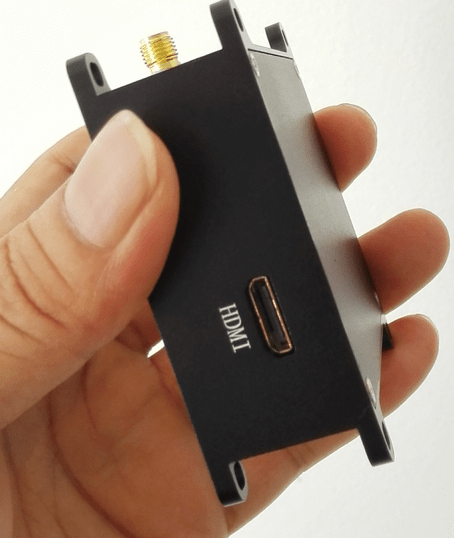
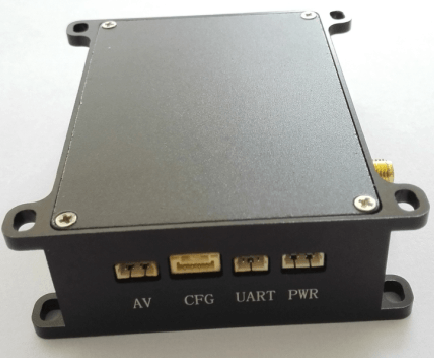
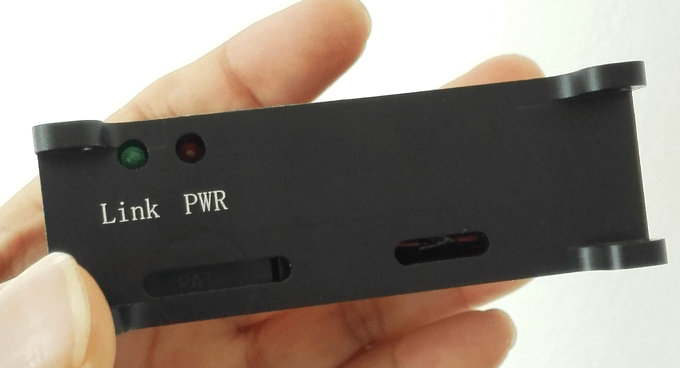
Misurare
75 x 55 x 25 mm
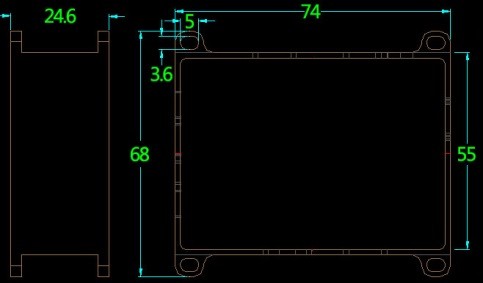
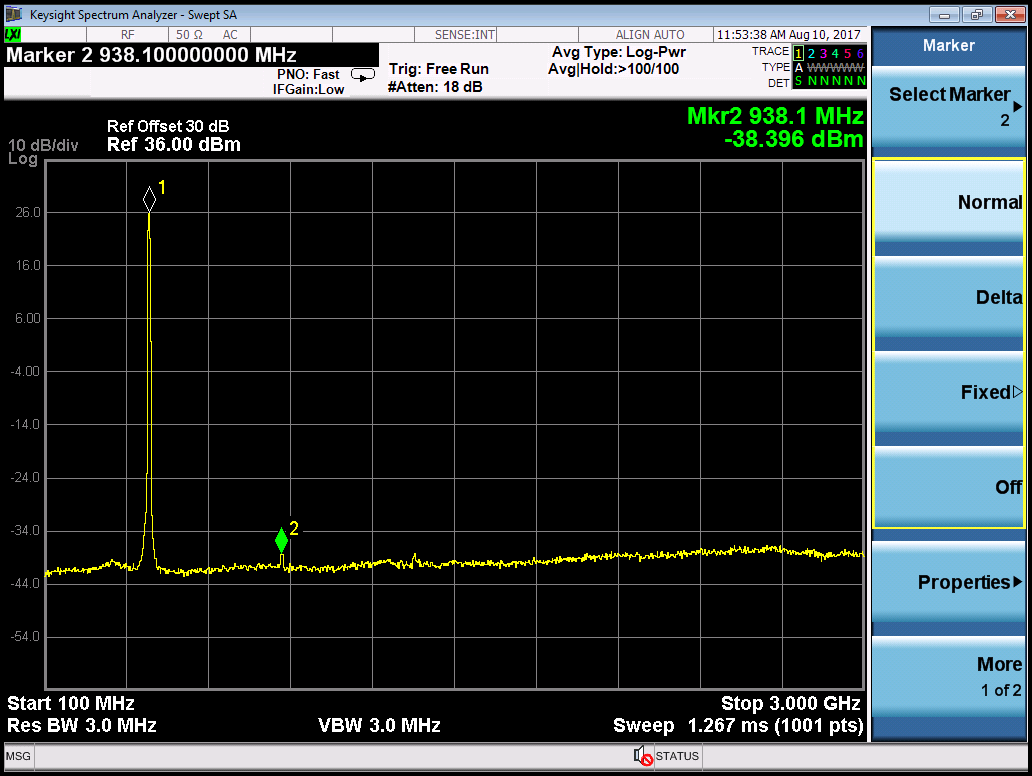
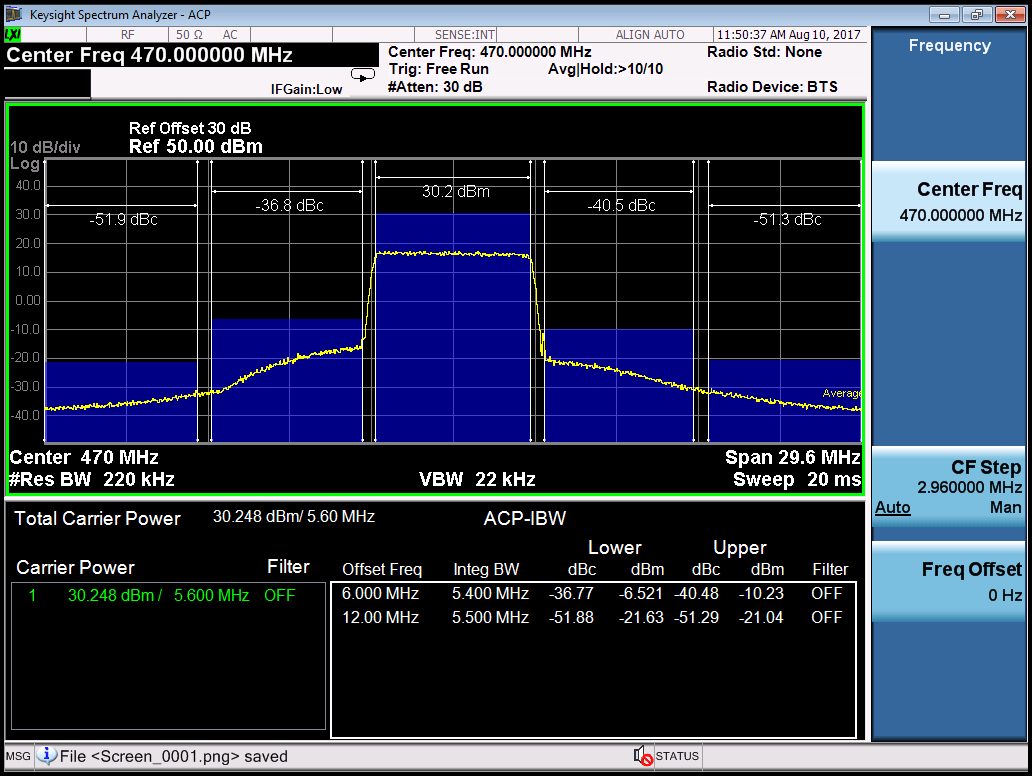
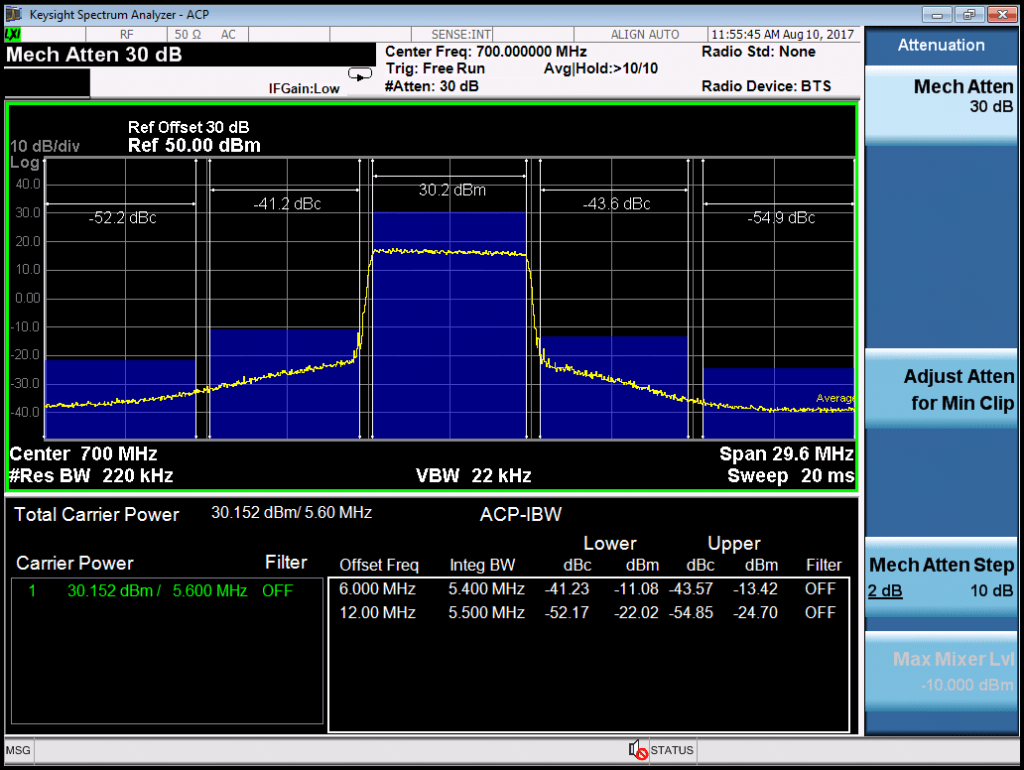
RF Performance Test
Operating Center Frequency 470MHz, Amplificatore di potenza: 1W
Operating Center Frequency 700MHz, Amplificatore di potenza: 1W

Aggiornamento
How to upgrade TX from 720P to 1080P?



Aleksey –
This is revolutionary for long-range FPV flights! This COFDM receiver provides incredibly stable HD video, even at distances of 10-100km and with super-low latency (150ms), even in dense urban environments with significant interference when flying my UAV. This tough, compact design fits seamlessly into my mobile workflow; HDMI, CVBS, and Ethernet outputs let me monitor footage in the field and archive it simultaneously using other systems. Its impressive weather resistance ensures a reliable signal, whether it’s scorching desert heat or a sudden downpour. Drone pilots needing broadcast-quality transmission without heavy equipment will find this small but powerful device far surpasses more expensive alternatives.