






Bezprzewodowy odbiornik wideo COFDM Wyjście HDMI CVBS
COFDM Wireless Video Receiver HDMI CVBS output mini modulator module long distance fpv UAV Data Transmission UART config Recorder
Pracuj dla COFDM-905T
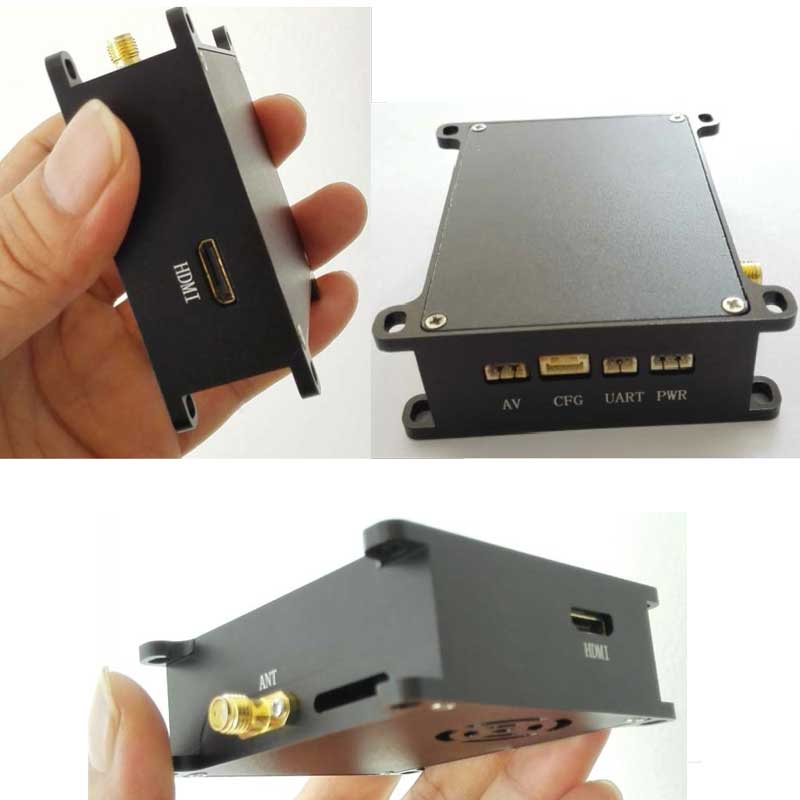
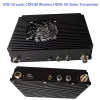
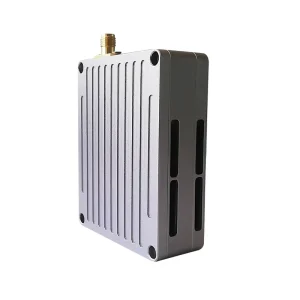
HD digital wireless video transmission receiver COFDM-905R
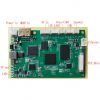
Built-in Decoder board and COFDM dual-antenna receiving demodulation module, the whole machine adopts aluminum alloy casing, high receiving sensitivity, low decoding display delay, high-definition video output stable and clear.
Spis treści
Cechy
- Dual Antenna reception
- Support working frequency range: 160MHz ~ 860 MHz, the center working frequency can be configured;
- Wireless bandwidth is configurable;
- The sensitivity of dual antenna reception -100±1dbm (QPSK 8 MHz);
- Wireless receiving status information (such as received signal strength, air interface rate, szybkość transmisji danych, częstotliwość robocza, przepustowość sieci bezprzewodowej, itp.) can be superimposed/not displayed on the video screen through the OSD switch button, or output to the serial port (dostosowane) ;
- Low-latency H264 video decoding, support 1080P@60 decoding playback;
- Audio and video output (HDMI, CVBS, USB port simultaneous output):
- HDMI Type-A port audio and video output
- CVBS (Lotus Head) Wyjście audio i wideo AV
- Wyprowadź strumień wideo do wyświetlacza dekodującego telefonu/tabletu przez port USB
- Obsługa funkcji odbierania i deszyfrowania wideo (dopasowanie do szyfrowania wideo po stronie nadawczej);
- Obsługa nagrywania wideo na karcie TF lub dysku USB;
- Zapewnij jednokierunkowy, jednokierunkowy, przezroczysty port szeregowy do transmisji danych;
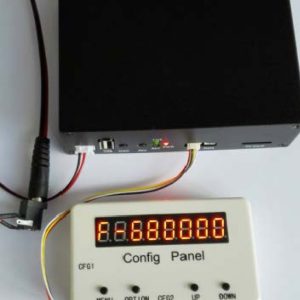
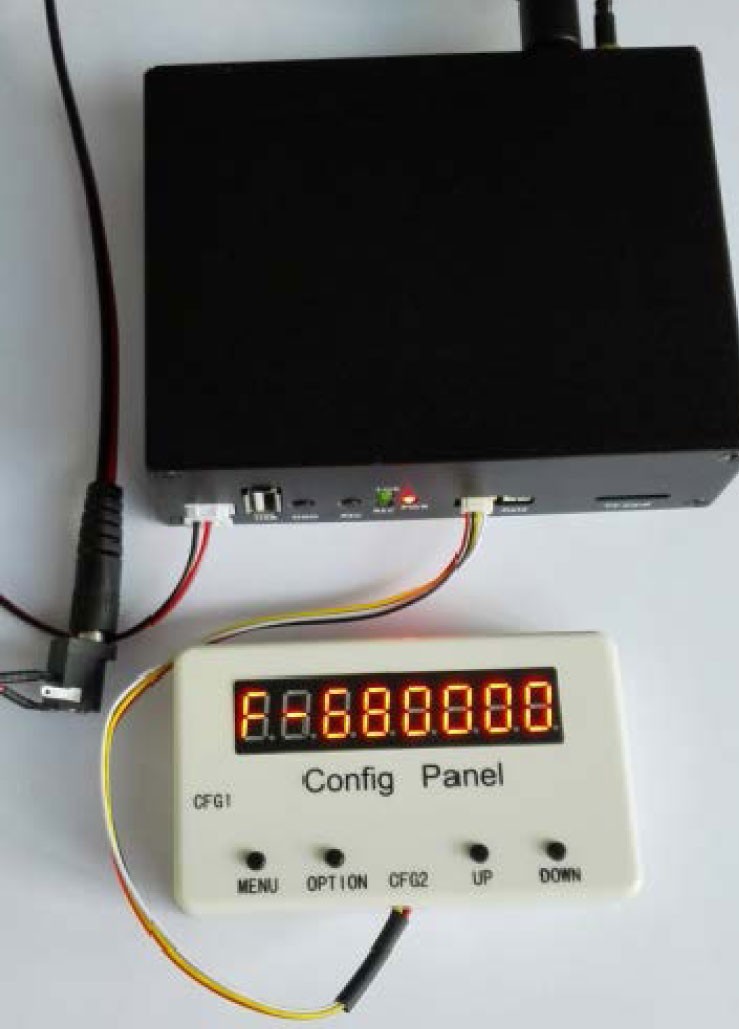
- Podaj parametry umożliwiające skonfigurowanie portu szeregowego dla ustawień roboczych (takie jak środkowa częstotliwość robocza, przepustowość sieci bezprzewodowej, otrzymanie hasła do odszyfrowania);
- Zasilanie: 6~15V, Roboczy pobór mocy wynosi 230 mA przy 12 V.
- Rozmiar maszyny: 115x90x34mm
- Masa maszyny: 243 gramy
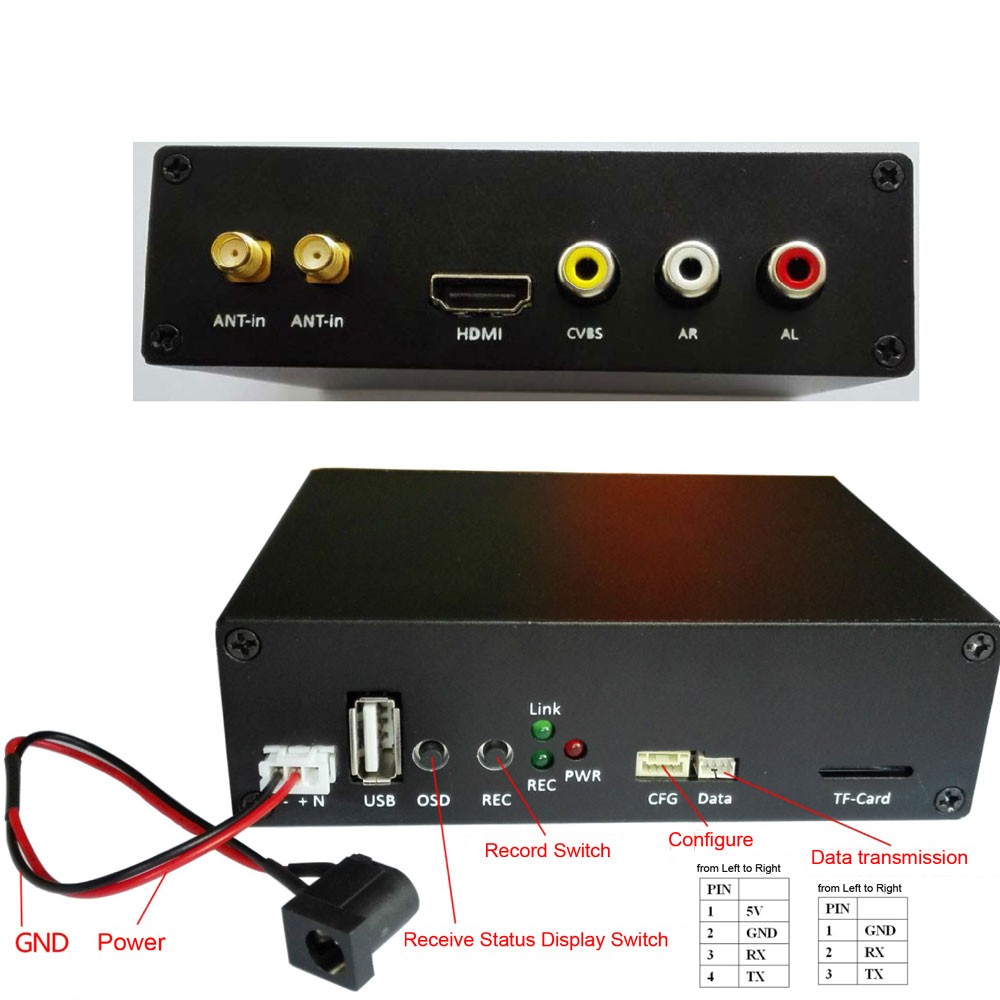
Złącze:
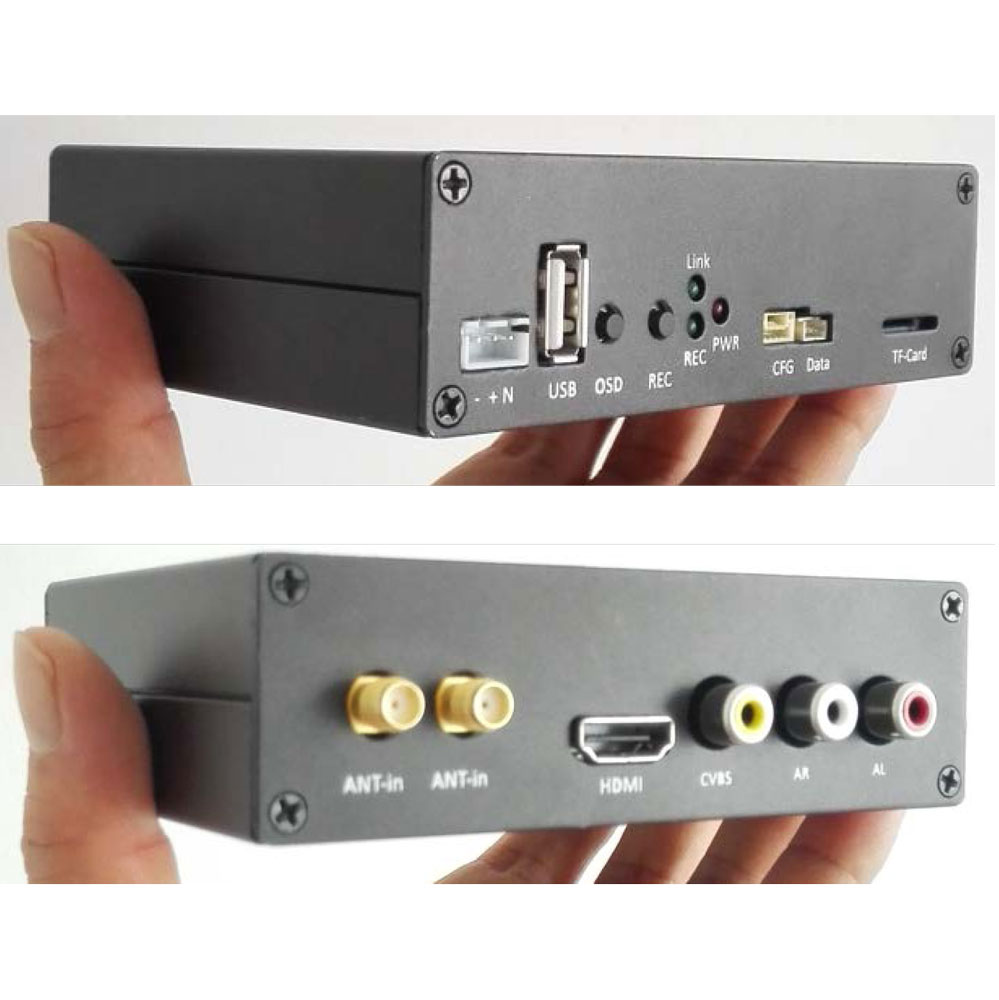
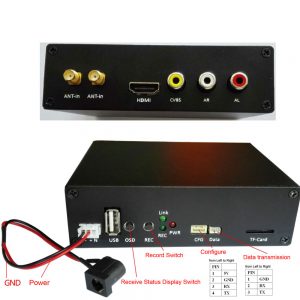
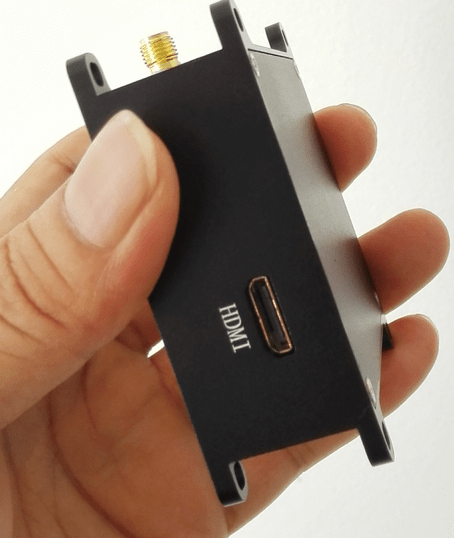
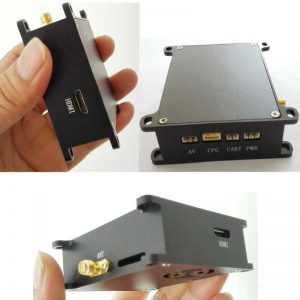
- ANT-in: Interfejs anteny wejściowej sygnału bezprzewodowego, Otwór wewnętrzny z gwintem zewnętrznym SMA
- HDMI: Nośnik HDMI, interfejs wyjściowy audio i wideo o wysokiej rozdzielczości
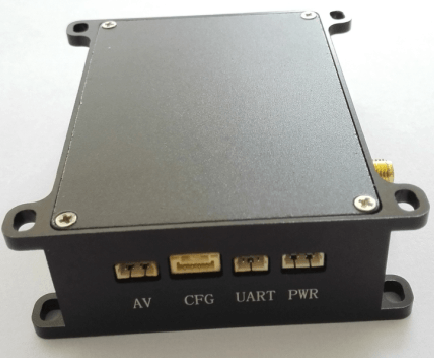
- CVBS: analogowy interfejs wyjściowy wideo
- AL/AR: left and right channel analog audio output
- Moc złącze: 3PIN 2.54mm socket
- USB interfejs:
- External phone or tablet can be used to output audio and video to mobile phone or tablet for decoding display
- Nagrywanie wideo można podłączyć do zewnętrznego dysku flash USB lub dysku twardego USB
- Przycisk OSD:
The receiving status information displays the on/off button, and the long press button can switch the switch status, and the switch status will be powered off. When the reception status information display is turned on, it is displayed in red in the upper left corner of the output video screen:- RF:338.0MHz cz.b:4.0MHz
QPSK CR:2/3 żołnierz amerykański:1/16
POWIETRZE:3.90Mb/s
VBR:3.05Mb/s AES WYŁ
SIG1:27 SIG2:22
ber1:0.14% ber2:100.00%
REC OFF Brak pamięci - RF indicates the center operating frequency, i BW indicates the working bandwidth.
QPSK is the modulation mode, CR to współczynnik kodowania splotowego, a GI to przedział ochronny.
POWIETRZE is the air interface rate
VBR is the video bitrate, AES WYŁĄCZONY means no encryption
SIG1 refers to the received signal strength near the HDMI port antenna, i SIG2 refers to the other antenna.
Ber1 refers to the BER error rate near the HDMI port antenna, i ber2 refers to another antenna.
REC OFF means no video storage
- RF:338.0MHz cz.b:4.0MHz
- When the wireless receiving signal is interrupted or weak, wyjściowy ekran wideo zostanie przerwany (ekran ponownie odebranego sygnału zostanie automatycznie przywrócony), and display: Bezładny, brak sygnału
- REC button: Video recording on/off button, short press button to switch state, start recording after power is detected. The system defaults to recording to the TF card. Jeśli karta TF nie jest włożona, jest on nagrywany na dysk flash USB. Jeśli nie są włożone, nie zostaną one zapisane.
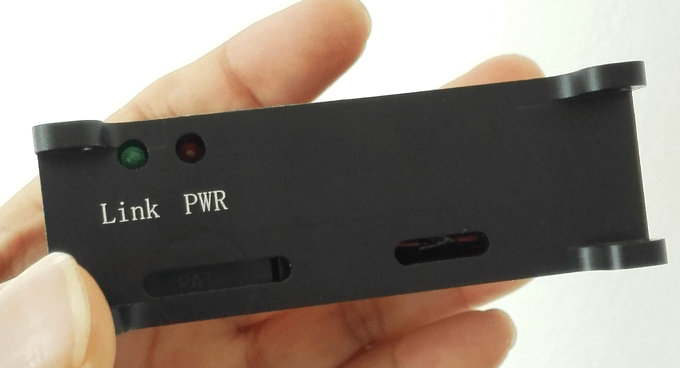
- Wskaźnik łącza: The wireless receiving link working status indicator lights up after the system is started and blinks when the receiving signal is normal.
- REC indicator: The video recording indicator will flash at the low frequency when recording video, otherwise the high frequency will flash.
- PWR indicator: Wskaźnik zasilania.
- CFG serial port: Parameter configuration Serial port, you can configure wireless receiving related parameters, takie jak środkowa częstotliwość robocza, przepustowość sieci bezprzewodowej, decryption password, itp. Vcan provides a matching parameter configuration panel SconB to facilitate user parameter setting.
- Port szeregowy danych: Przezroczysty port szeregowy do transmisji danych. The serial port data of the transmitter can be wirelessly transmitted to the receiver and output from the serial port.
- Interfejs karty TF: Used for software upgrade maintenance or for storing video.
Notatka
When the COFDM-905T transmitter and COFDM-905T receiver form a point-to-point wireless video transmission system, the video delay indicator:
The three indicators of video delay, video bit rate, and air interface rate are mutual influence and mutual restraint. When the air interface rate is greater than 5 times the video code rate, the video delay is minimum. W tym przypadku, the actual test is that the video delay is about 60 milliseconds when the code is transmitted at 720P@60, i opóźnienie wideo jest około 130 milliseconds at 1080P@60. The delay refers to the delay from the HDMI video input at the transmitting end to the HDMI video output at the receiving end, z wyłączeniem opóźnienia kamery przedniej strony nadawczej (we measured the delay of a brand SLR camera at about 70 milisekundy, and the delay of a famous brand sports camera at about 130 milisekundy). For most application scenarios, the video delay is set to about 200ms by default.
When the COFDM-905T transmitter and the COFDM-905R receiver form a point-to-point wireless video transmission system, the transmission distance is:
The wireless transmission distance is related to many factors such as the test environment, ambient electromagnetic interference, occlusion conditions, air humidity, częstotliwość robocza, przepustowość sieci bezprzewodowej, and transmitting and receiving antennas. Actual test results: a customer test, unmanned aircraft-mounted ST100 transmitter to fly about 100 metrów wysokości, set to 4M QPSK wireless bandwidth, 700MHz center operating frequency, 1W transmit power, transmitter antenna 3dBi around, Receiving double glass fiber antenna gain of about 10dBi, the distance of up to 16km (video smooth); our own road test in Shenzhen, the launch end on the flyover, ordinary hose antenna (about 3dBi gain), 340MHz launch, QPSK 8M Bandwidth, a fiberglass antenna at the receiving end, and a Yagi antenna, o 2.2 meters high on the pole, 2.2 kilometers away, high-definition video smooth, a small number of high-rise buildings between the transmitter and receiver, the road visually about 20 degrees bending. Due to conditional restrictions, no further road tests were made.
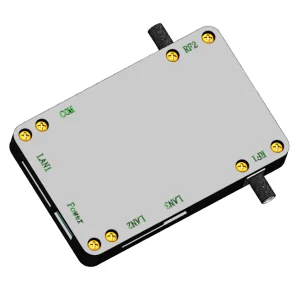
Złącze
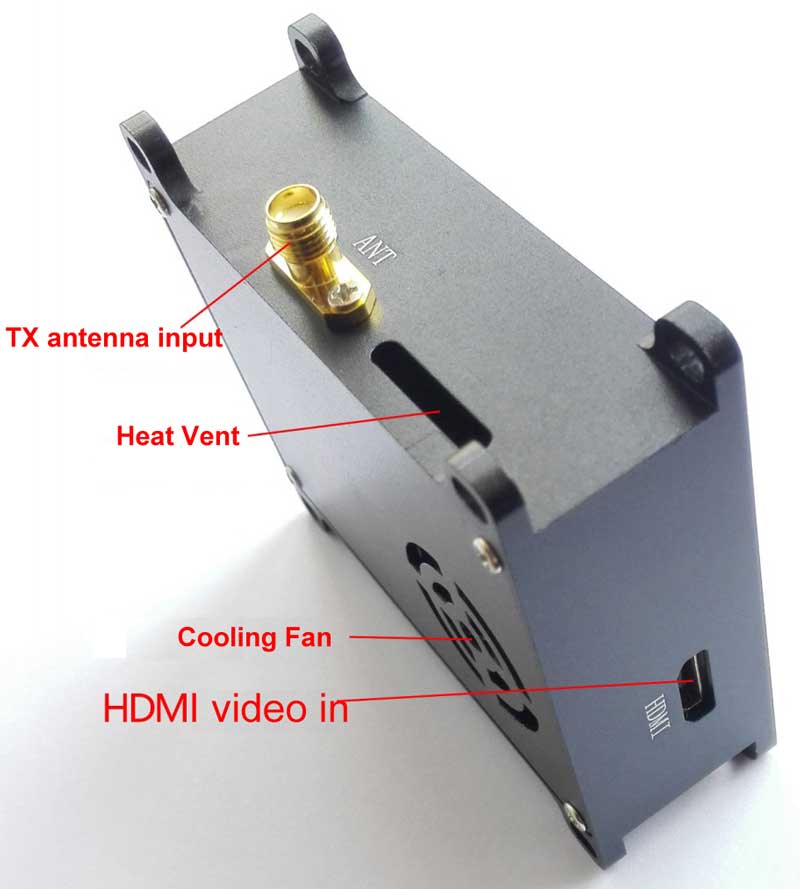
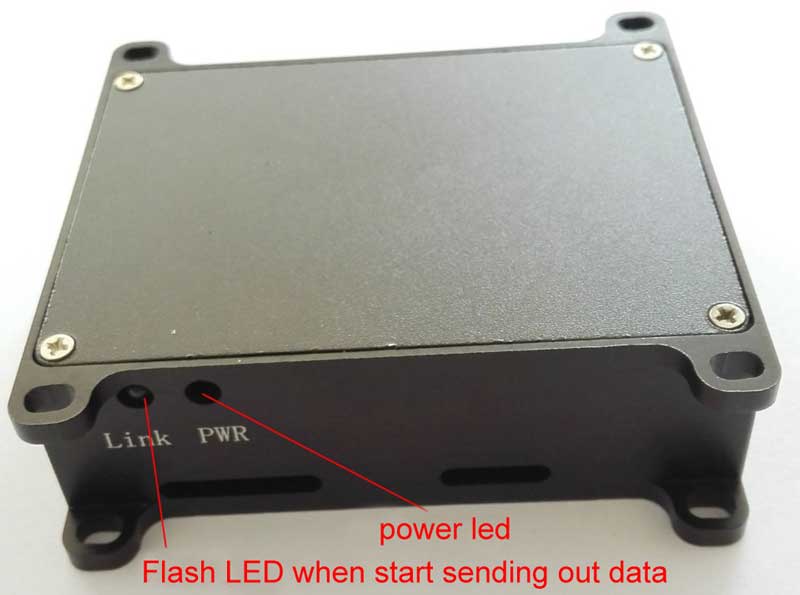
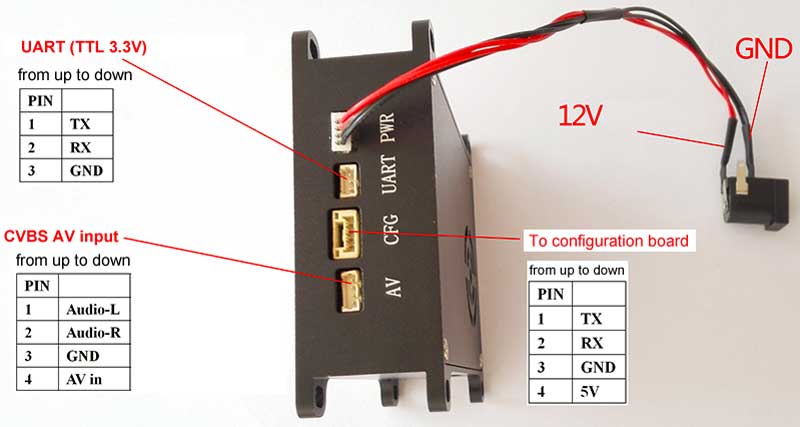
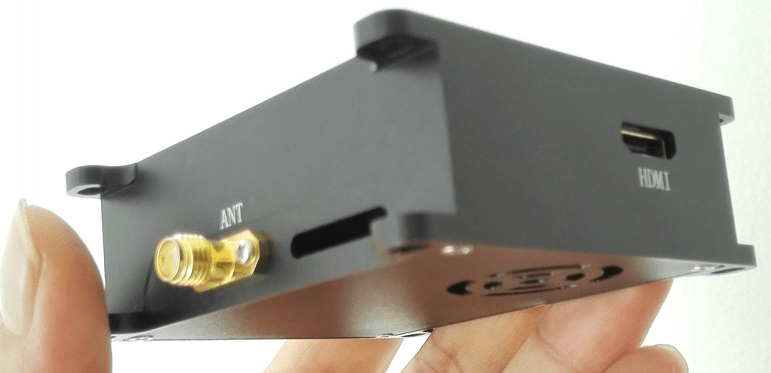
Rozmiar
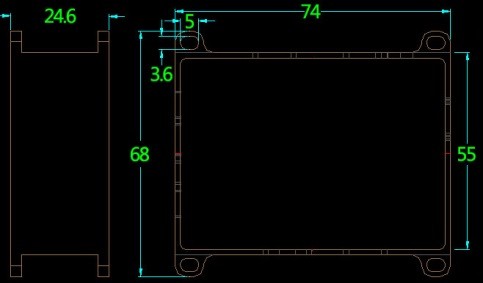
75 X 55 X 25 mm
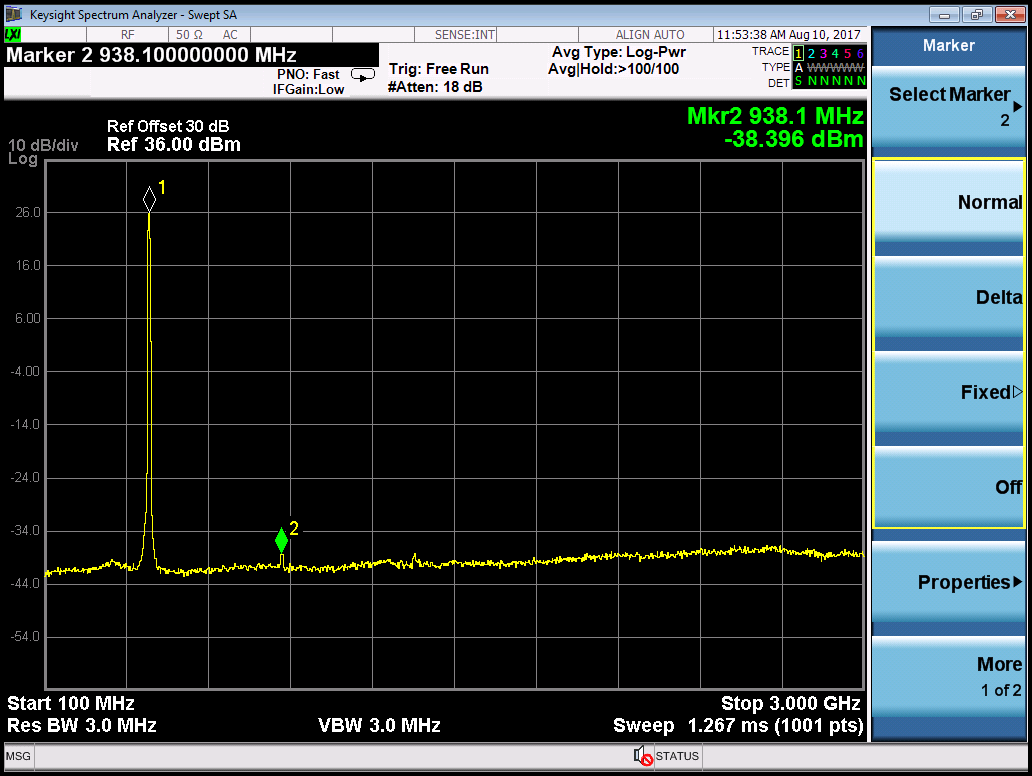
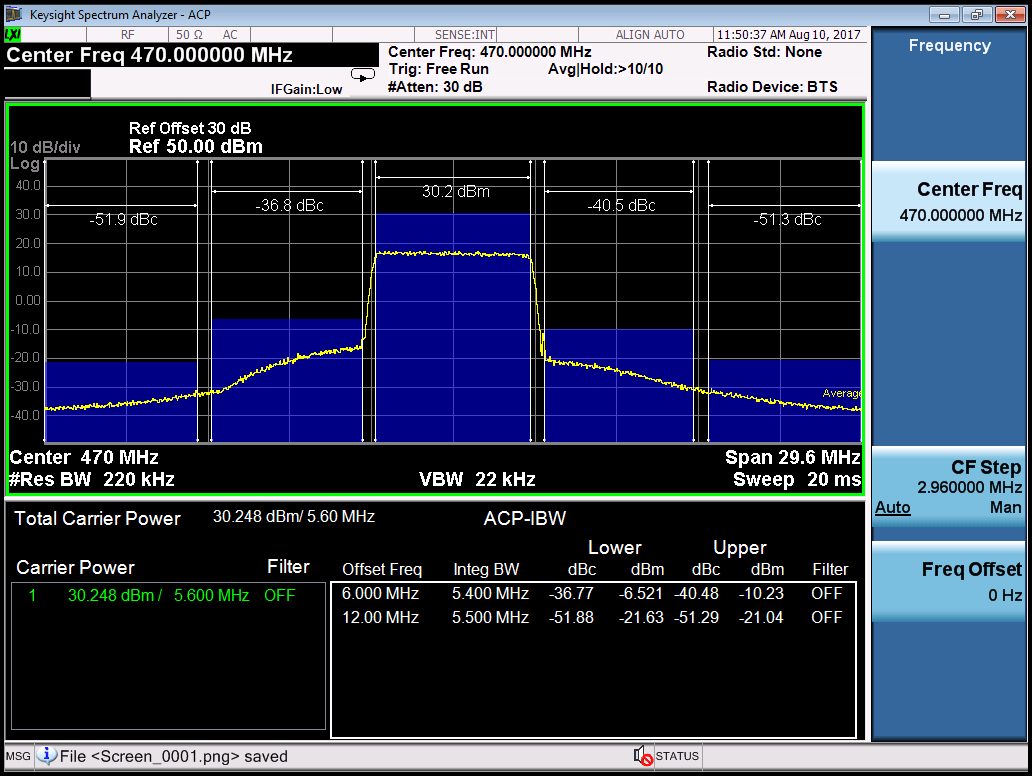
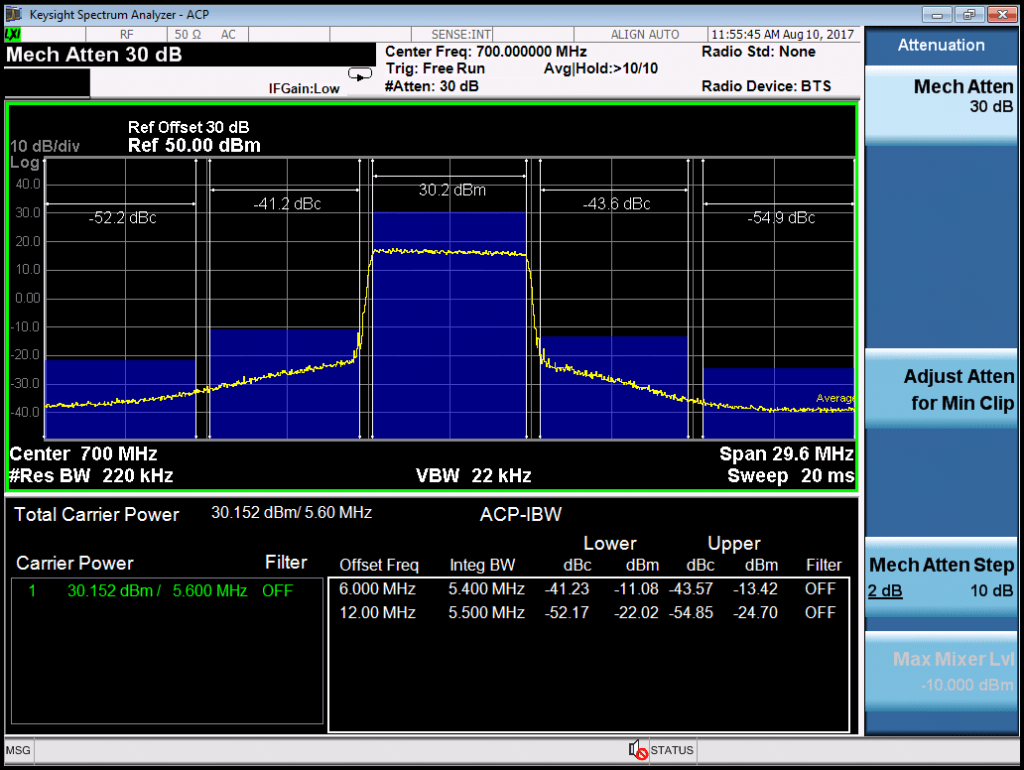
Test wydajności RF
Częstotliwość centrum operacyjnego 470 MHz, Wzmacniacz mocy: 1W
Częstotliwość centrum operacyjnego 700 MHz, Wzmacniacz mocy: 1W

Aktualizacja
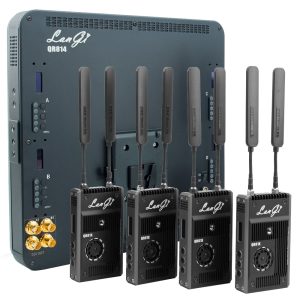
How to upgrade TX from 720P to 1080P?



Aleksey –
This is revolutionary for long-range FPV flights! This COFDM receiver provides incredibly stable HD video, even at distances of 10-100km and with super-low latency (150ms), even in dense urban environments with significant interference when flying my UAV. This tough, compact design fits seamlessly into my mobile workflow; HDMI, CVBS, and Ethernet outputs let me monitor footage in the field and archive it simultaneously using other systems. Its impressive weather resistance ensures a reliable signal, whether it’s scorching desert heat or a sudden downpour. Drone pilots needing broadcast-quality transmission without heavy equipment will find this small but powerful device far surpasses more expensive alternatives.