





Designing a Large-Area Mobile Video Distribution System (COFDM vs MANET)
विषयसूची
आवश्यकता अवलोकन
Recently we received a customer request for a large-scale outdoor wireless video distribution system. The requirement focuses on transmitting video from multiple static cameras to moving vehicles over a wide geographic area.
Below is the customer’s original requirement description:
कैमरों की संख्या: एकाधिक स्थिर आईपी कैमरे (1080पी)
ट्रांसमिशन प्रकार: मल्टीपल कैमरा ट्रांसमीटर कई चलती गाड़ियों में वीडियो प्रसारित करता है
कवरेज क्षेत्र: लगभग. 25 किमी × 15 किमी
पसंदीदा प्रौद्योगिकी:
- COFDM प्रसारण प्रणाली या
- मानेट / मेष रेडियो प्रणाली (आईपी आधारित)
इनपुट/आउटपुट इंटरफ़ेस: ईथरनेट (आईपी वीडियो)
पर्यावरण: आउटडोर, लाइन-ऑफ़-विज़न और मोबाइल उपयोग
एंटीना प्रकार: विक्रेता द्वारा अनुशंसित ओमनी/सेक्टर
बिजली की आवश्यकताएं: डीसी इनपुट (12-24 वी)
This article analyzes the technical implications of this requirement, possible architectures, and the advantages of the two technologies mentioned by the customer: COFDM broadcast और MANET mesh networking.
Understanding the Core Requirement
At its core, the customer wants to build a large-area mobile video broadcast network.
The system must distribute real-time video streams from multiple fixed cameras to एकाधिक चलती गाड़ियाँ operating in the field.
The main characteristics of this project are:
| Parameter | विवरण |
|---|---|
| Camera Sources | Multiple 1080p IP cameras |
| रिसीवर | Multiple moving vehicles |
| Transmission Model | One-to-many broadcast |
| कवरेज क्षेत्र | 25 किमी × 15 किमी |
| पर्यावरण | आउटडोर, line-of-sight with mobility |
| वीडियो इंटरफ़ेस | ईथरनेट / आईपी वीडियो |
| शक्ति | 12–24V DC |
Typical real-world applications for such systems include:
- Public safety monitoring
- Emergency response coordination
- Large event security
- सीमा निगरानी
- Tactical or military video distribution
Possible System Architecture
A typical system topology may look like this:
IP Cameras
     │
     │ Ethernet
     ▼
Video Encoder / Aggregation Node
     │
     │ Wireless Transmission
     ▼
Wireless Base Station
     │
     ├── Vehicle 1
     ├── Vehicle 2
     ├── Vehicle 3
     └── Vehicle N
In this architecture:
- Cameras generate IP video streams.
- A central node aggregates the streams.
- A wireless transmission system distributes the video.
- Moving vehicles receive the feeds in real time.
Video Bandwidth Considerations
The bandwidth requirement depends on the video codec.
Typical 1080p encoding rates:
| कोडेक | Typical Bitrate |
|---|---|
| 264 | 4–8 Mbps |
| एच.265 | 2–4 Mbps |
If the system uses five cameras, the required throughput could be approximately:
5 × 4 Mbps ≈ 20 Mbps
Considering overhead and reliability, the wireless system should ideally support:
30–50 Mbps total throughput.
Coverage Requirements
The requested coverage area is:
25 km × 15 km
This corresponds to roughly:
375 km²
Achieving this coverage depends on several factors:
- terrain conditions
- एंटीना की ऊंचाई
- transmission power
- आवृत्ति बैंड
- line-of-sight conditions
In most practical deployments, this area would require:
- one high tower with sector antennas, या
- multiple distributed base stations
Technology Option 1: सीओएफडीएम प्रसारण प्रणाली
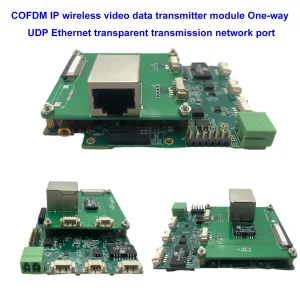
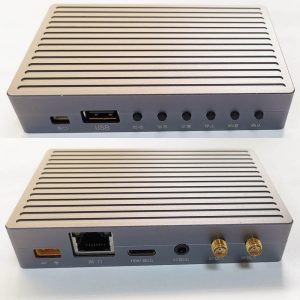
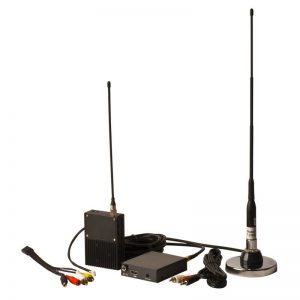
COFDM (कोडित ऑर्थोगोनल फ्रीक्वेंसी डिवीजन मल्टीप्लेक्सिंग) is widely used in professional wireless video systems.
लाभ
- Excellent resistance to multipath interference
- रूपरेखा तयार करी high-quality video transmission
- Very कम अव्यक्ता
- Naturally supports one-to-many broadcast
- Highly stable for mobile receivers
सीमाएँ
- आम तौर पर not a full IP network
- Limited scalability
- Less flexibility for data services
Typical architecture:
Camera → Encoder → COFDM Transmitter

Vehicles with COFDM Receivers
COFDM systems are commonly used in:
- कानून प्रवर्तन
- UAV video downlinks
- military surveillance
- broadcast television links

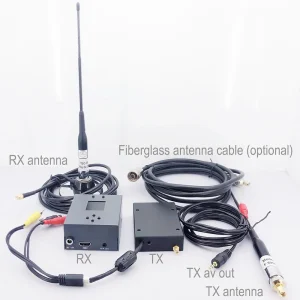
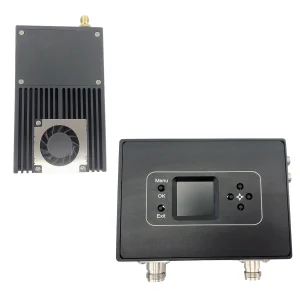


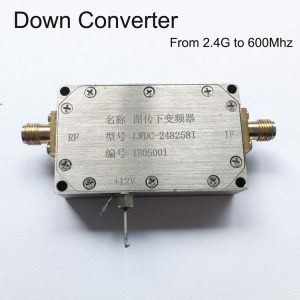
बीडीसी ब्लॉक डाउन कनवर्टर
Video Transmitter
Technology Option 2: मानेट / Mesh Radio
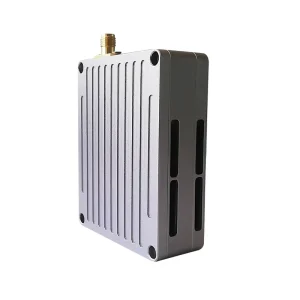
मानेट (मोबाइल एडहॉक नेटवर्क) systems create a self-forming wireless IP network.
Each node can act as both a router and a receiver.
लाभ
- Native IP networking
- Supports वीडियो, डेटा, and command traffic
- Highly scalable
- Vehicles can communicate with each other
सीमाएँ
- Higher system complexity
- Shared bandwidth between nodes
- Potentially higher latency
Typical architecture:
Camera Node
     │
Mesh Network
     │
Vehicle Nodes
Nodes can relay traffic dynamically:
Vehicle ↔ Vehicle ↔ Base Station
वायरलेस वीडियो ट्रांसमिशन

वायरलेस वीडियो ट्रांसमिशन
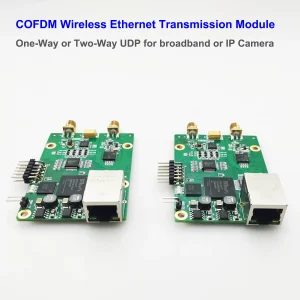
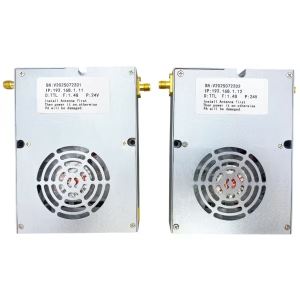
आईपी मेष 100Mbps वायरलेस वीडियो डेटा ट्रांसीवर 2x5w पीए 16 कूदना
वायरलेस वीडियो ट्रांसमिशन
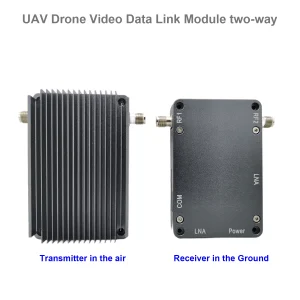
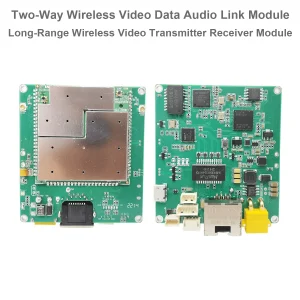
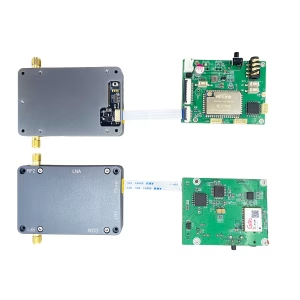
रोबोट यूएवी ड्रोन के लिए द्विदिश ऑडियो-आईपी बोर्ड के साथ आईपी जाल MANET ट्रांसीवर
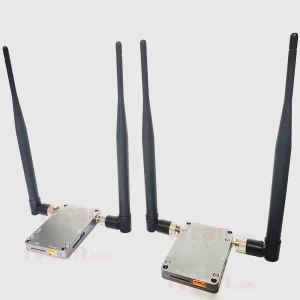
Video Transmitter

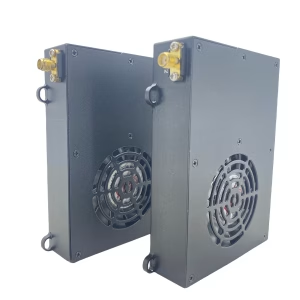
वायरलेस वीडियो ट्रांसमिशन
यूएवी ड्रोन के लिए मोबाइल एडहॉक नेटवर्क मैनेट रेडियो आईपी मेश
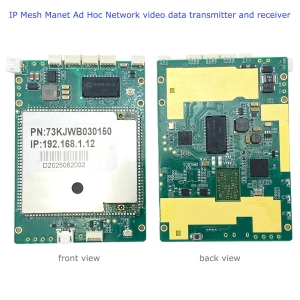

वायरलेस वीडियो ट्रांसमिशन


वायरलेस वीडियो ट्रांसमिशन
2x20W PA आईपी मेश ड्रोन वीडियो डेटा ट्रांसमीटर और रिसीवर 260 किमी
COFDM vs MANET Comparison
| विशेषता | COFDM | MANET Mesh |
|---|---|---|
| Network Model | प्रसारण | IP Network |
| विलंब | Very Low | मध्यम |
| One-to-Many | Native | Requires multicast |
| Mobility Support | उत्कृष्ट | उत्कृष्ट |
| अनुमापकता | सीमित | उच्च |
| System Complexity | निचला | उच्च |
सामान्य तौर पर:
- COFDM is ideal for pure video broadcasting
- MANET is better when full IP networking is required
Key Technical Challenges
1 Large-Area Coverage
कवर 25 km requires:
- high transmission power
- elevated antennas
- optimized frequency planning
A practical approach is using:
Central tower + sector antennas
2 Video Stream Aggregation
Multiple camera feeds must be combined using:
- ए video encoder
- ए network video gateway
- या ए streaming server
3 Mobile Reception
Vehicle-mounted systems typically require:
- high-sensitivity receivers
- omni-directional antennas
- vibration-resistant hardware
4 Spectrum and Frequency
The system must operate within a suitable RF band. Possible options include:
- 1.4 गीगा
- 2.3 गीगा
- 2.4 गीगा
- 4.9 गीगा (सार्वजनिक सुरक्षा)
Frequency licensing may also be required depending on the region.
Recommended System Architecture
A practical deployment could follow this structure:
IP Cameras
     │
     ▼
Video Aggregation Server
     │
     ▼
Wireless Base Station
     │
     ▼
Vehicle Radio Nodes
     │
     ▼
Vehicle Displays / Command Systems
Questions That Must Be Clarified
Before designing the final system, several key questions should be answered:
1. How many cameras will be deployed?
2. Will all cameras transmit simultaneously?
3. How many vehicles will receive the video feeds?
4. What is the maximum acceptable latency?
5. Do vehicles need to communicate with each other?
6. What is the terrain type?
- flat
- शहरी
- पहाड़ी
These answers significantly affect the network design.
Conclusion
This requirement represents a large-scale mobile video distribution system operating over a wide outdoor area.
The key technical challenges include:
- wide-area wireless coverage
- reliable mobile reception
- multi-stream video transmission
- efficient one-to-many distribution
Two viable solutions exist:
COFDM Broadcast Systems
या
MANET Mesh Radio Networks
The optimal choice depends on whether the system prioritizes:
- pure video broadcasting, या
- full IP network functionality.
With the right architecture and planning, such systems can provide powerful situational awareness for security, आपातकालीन प्रतिक्रिया, and large-scale monitoring operations.
प्रश्न पूछें
आपका संदेश भेज दिया गया है