






flexible whip antenna bendable aerial
תוכן העניינים
סקירת מוצר
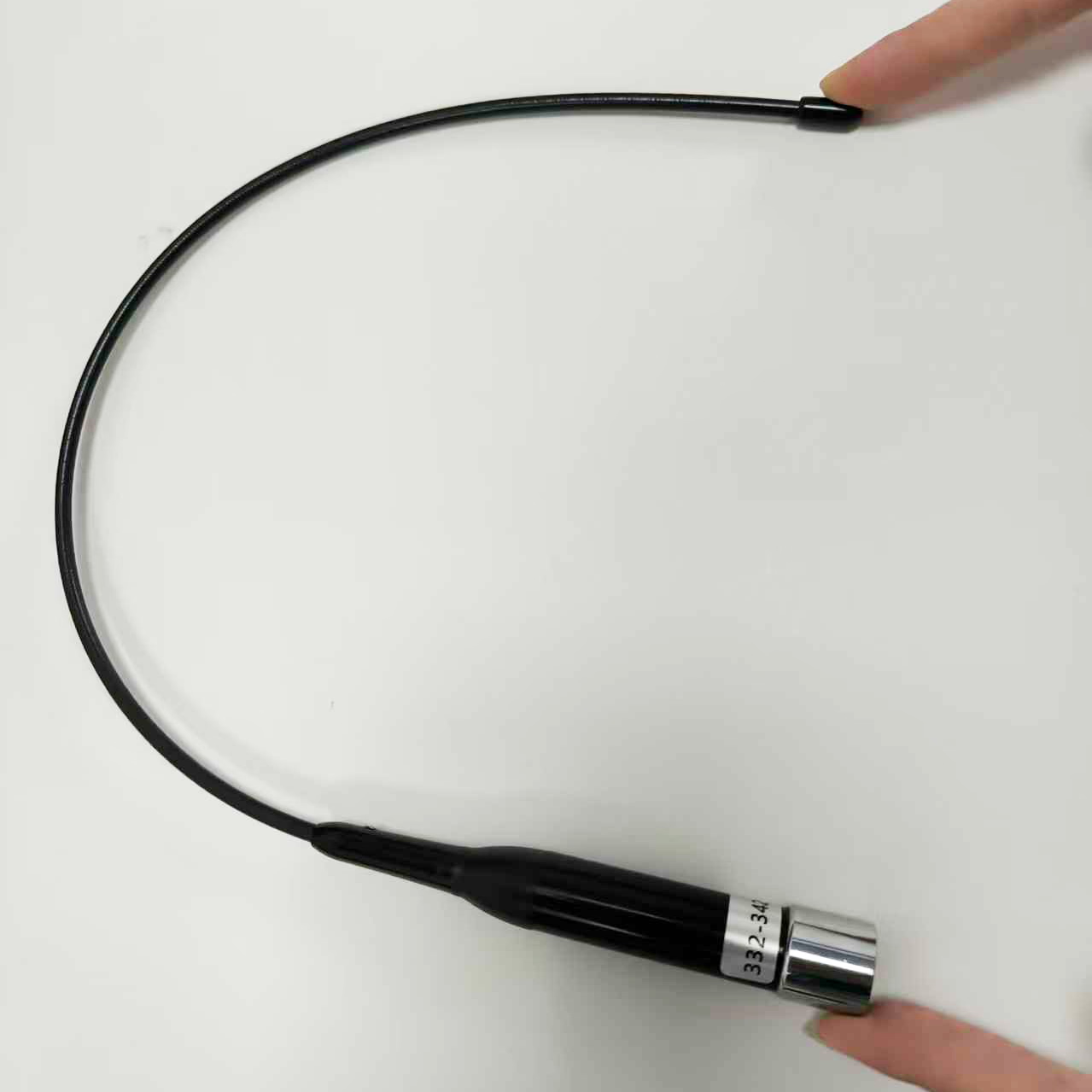
שֶׁלָנוּ אנטנת שוט גמישה הניתנת לכיפוף is specially designed for robotic and mobile wireless applications where durability, גְמִישׁוּת, and reliable communication are essential. Unlike rigid or high-gain narrow-beam antennas, this antenna provides a wide beamwidth, ensuring stable connectivity even when the robot moves close to the ground or operates in dynamic environments.
תכונות עיקריות
- גָמִישׁ & Bendable: Designed to withstand impacts and bending without damage, ideal for robots, מל"טים, and other mobile platforms.
- Wide Beamwidth (1/4 Wave Design): Maintains reliable communication links without the alignment sensitivity of high-gain antennas.
- בנייה עמידה: Reinforced materials ensure long-term reliability in harsh or dynamic conditions.
- TNC Connector: Easy integration with standard robotic and wireless radio systems.
- Optimized for Ground-Level Operations: Performs reliably even when the robot antenna is mounted just ~300mm above ground.
דגשים בביצועים
- Stable link range in real-world environments, outperforming rigid gooseneck antennas which often suffer from narrow beamwidth and reduced coverage.
- Ideal for applications where the robot moves or changes orientation, ensuring communications are not lost.
- Compatible with elevated operator antennas (tripod or mast) לטווח מרבי.
אפליקציות
- Robotic platforms and autonomous vehicles
- Mobile wireless communications in challenging terrains
- רובוטים לבדיקה תעשייתית
- בדיקות שטח, מדידות, וטלמטריה
Why Choose This Antenna
- אָמִין: Wide beamwidth avoids communication dropouts even at close-to-ground operation.
- עָמִיד: Flexible whip construction resists bending, hits, and vibrations.
- Easy to Integrate: TNC connector allows plug-and-play connection with standard radio systems.
מפרטים
- סוּג: אנטנת שוט גמישה
- טווח תדרים: 1400–1500 מגהרץ
- Beamwidth: Wide (1/4 wave)
- מַחבֵּר: TNC
- המלצת גובה הרכבה: רובוט ~300 מ"מ, מקלט מוגבה לטווח אופטימלי
שאלות נפוצות
ש: איזה סוג אנטנה מומלץ לרובוט הפועל ב-1400-1500 מגה-הרץ?
א: עבור יישומים רובוטיים, א אנטנת שוט גמישה מומלץ בחום.
סוג זה של אנטנה יכולה להתכופף או להתכופף ללא נזק, מה שהופך אותו לאידיאלי עבור פלטפורמות ניידות שבהן רטט, תְנוּעָה, או שהשפעות מקריות עלולות להתרחש.
ש: אילו אורכי אנטנה ואפשרויות ביצועים זמינות?
א:שתי תצורות טיפוסיות משמשות בדרך כלל:
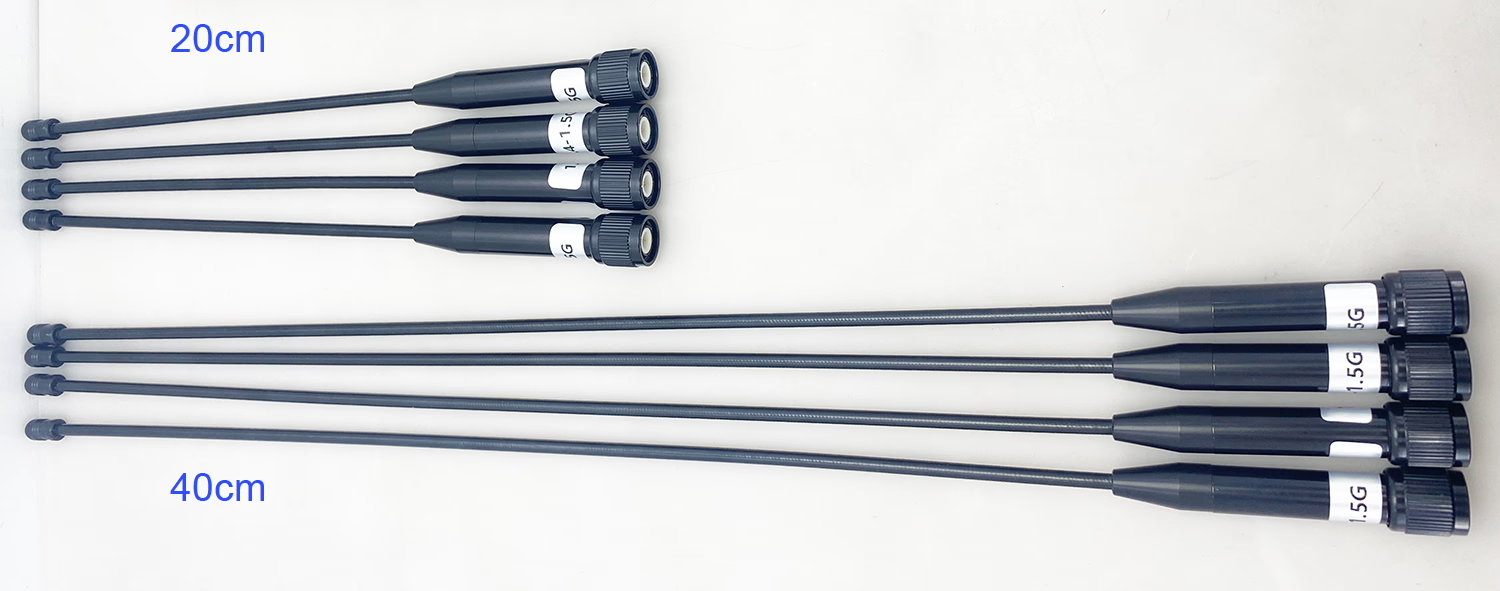
אפשרות א': Short Flexible Antenna (~20 cm)
- לְהַשִׂיג: 2.0 - 2.5 dBi
- Beamwidth: 60° – 70 מעלות
- מאפיינים:
- דפוס קרינה רחב יותר (יותר כל-כיווני)
- סובלנות טובה יותר לתנועת רובוט ושינויי כיוון
- קישור יציב יותר בסביבות דינמיות
- טווח תקשורת קצר יותר בהשוואה לאנטנות בעלות עוצמה גבוהה יותר
אפשרות ב': Long Flexible Antenna (~40 cm)
- לְהַשִׂיג: 3.0 - 3.5 dBi
- Beamwidth: 40° – 50 מעלות
- מאפיינים:
- רווח גבוה יותר ← מרחק תקשורת ארוך יותר
- רוחב אלומה צר יותר → יותר כיווני
- More sensitive to antenna orientation and placement
- Better suited for applications with relatively stable alignment
ש: How does antenna length relate to performance?
א: At 1400–1500 MHz, the wavelength is approximately 20–21 cm.
אנטנות ארוכות יותר (electrically or physically) generally provide:
- Higher gain
- Narrower beamwidth
- More focused radiation pattern
Shorter antennas provide:
- Lower gain
- Wider beamwidth
- More uniform coverage
This creates a fundamental trade-off between coverage stability ו communication range.
Q4: Which option is better for robotic applications?
א:For most mobile robots, ה ~20 cm (2.0–2.5 dBi) antenna is recommended because:
- It maintains a more reliable connection during movement
- It is less sensitive to tilt, rotation, or orientation changes
- It provides more consistent coverage in real-world conditions
ש: When should a higher-gain antenna (~40 cm) be used?
א: א ~40 cm (3.0–3.5 dBi) antenna is preferred when:
- Longer communication distance is required
- The antenna can remain relatively vertical and stable
- The system can tolerate more directional radiation
ש: Summary of Trade-offs
א:
| פָּרָמֶטֶר | ~20 cm Antenna | ~40 cm Antenna |
|---|---|---|
| לְהַשִׂיג | 2.0–2.5 dBi | 3.0–3.5 dBi |
| Beamwidth | 60°–70° | 40°–50° |
| כיסוי | רחב יותר | Narrower |
| יַצִיבוּת | גבוה יותר | נמוך יותר |
| טווח | קצר יותר | ארוך יותר |
For most robotic wireless links, לתעדף link stability over maximum gain.
א moderate-gain flexible antenna (~20 cm, 2–2.5 dBi) typically delivers the best overall performance in dynamic environments.
ש: Why can’t rigid antennas be used on the robot?
א: Rigid antennas can deliver good range (לְמָשָׁל, עד ל 1600 meters in testing), but they are not suitable for robotic platforms because:
- They can break or snap if impacted
- הם כן not tolerant to collisions or vibration
- They reduce overall system durability in real-world environments
For mobile robots, mechanical flexibility is critical to ensure reliability.
Q2: באיזה סוג אנטנה יש להשתמש ברובוט?
א: אנו ממליצים להשתמש אנטנות שוט גמישות בצד הרובוט.
הטבות:
- פַּחִית לכופף או להתכופף תחת פגיעה ללא נזק
- יותר עמיד בסביבות דינמיות
- שמור על ביצועים יציבים גם עם תנועה
👉 תצורה מוצעת:
- להשתמש שתי אנטנות שוט גמישות על הרובוט (עבור יתירות או גיוון)
ש: מהי הגדרת האנטנה המומלצת בצד המקלט?
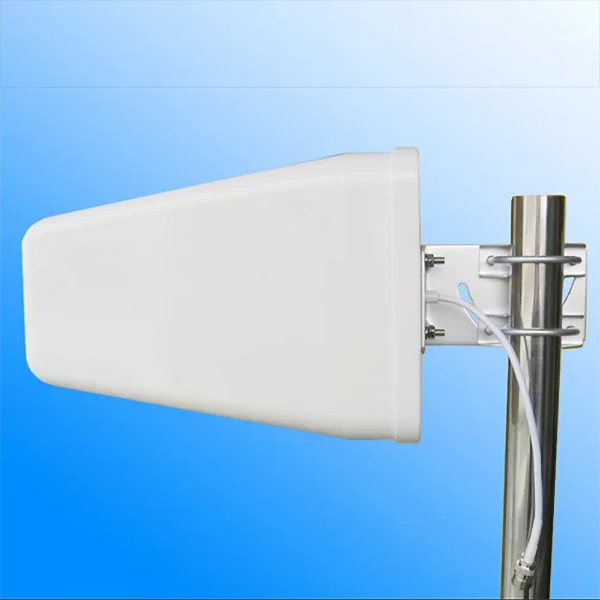
א: לביצועים מיטביים, אנו ממליצים על א הגדרת אנטנה כפולה במקלט:
- אנטנה כיוונית אחת
- מספק רווח גבוה יותר וטווח ארוך יותר
- אנטנה כל-כיוונית אחת
- מבטיח כיסוי כאשר היישור אינו מושלם
השילוב הזה משפר את שניהם טווח ויציבות קישור.
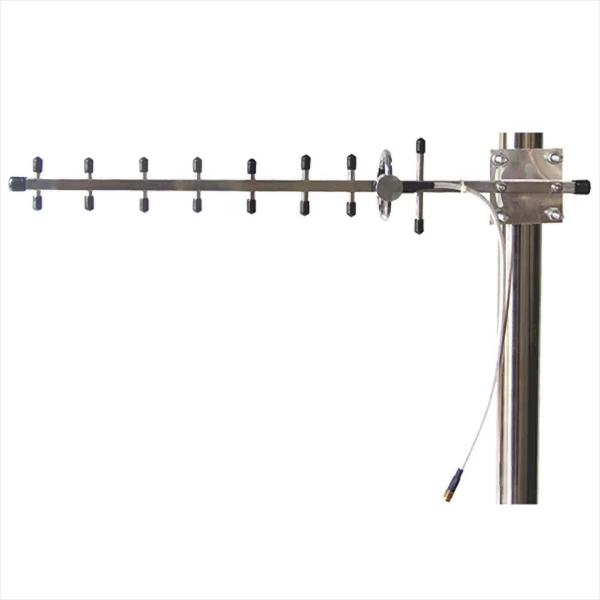

ש: כיצד נוכל להגדיל עוד יותר את טווח התקשורת?
א: אחת הדרכים היעילות ביותר היא לעשות זאת להגדיל את גובה האנטנה בצד המקלט.
שיטות עבודה מומלצות:
- התקן את אנטנת המקלט גבוה ככל האפשר
- השתמש א תורן טלסקופי אם זמין
👉 בפריסות אמיתיות, חלק מהלקוחות משתמשים בתרנים הניתנים להרחבה כדי להעלות את האנטנה עד 10 מטר, שיפור משמעותי בטווח ואיכות האות.
ש: כיצד יש למקם את האנטנות על הרכב הבלתי מאויש לקבלת הביצועים הטובים ביותר?
א: לביצועים מיטביים, מומלץ שה שתי אנטנות על הרכב הבלתי מאויש יהיו מסודרות בצורת V:
- זָוִית: כל אנטנה התכופפה בערך 45° מקו מרכז הרכב
- תְצוּרָה: יוצר "צוואר אווז" או פריסה בצורת V
היתרונות של הסדר זה:
- גיוון משופר: מפחית את הסבירות לנשירת אותות הנגרמת על ידי תנועת רובוט או שינויים בכיוון.
- כיסוי משופר: מבטיח שלפחות אנטנה אחת שומרת על קישור חזק עם המקלט בכל מיקום.
- הפרעות מופחתות: הפרדה מרחבית ממזערת צימוד הדדי בין אנטנות.
- Wider effective radiation pattern: Balances gain and beamwidth, providing more reliable connectivity.
המלצות נוספות:
- להשתמש אנטנות שוט גמישות to prevent damage from impacts or bending.
- לְתַחְזֵק sufficient height above the robot chassis (לְמָשָׁל, ~300 mm) for ground clearance.
- Avoid placing antennas near large metallic objects to prevent signal shadowing.
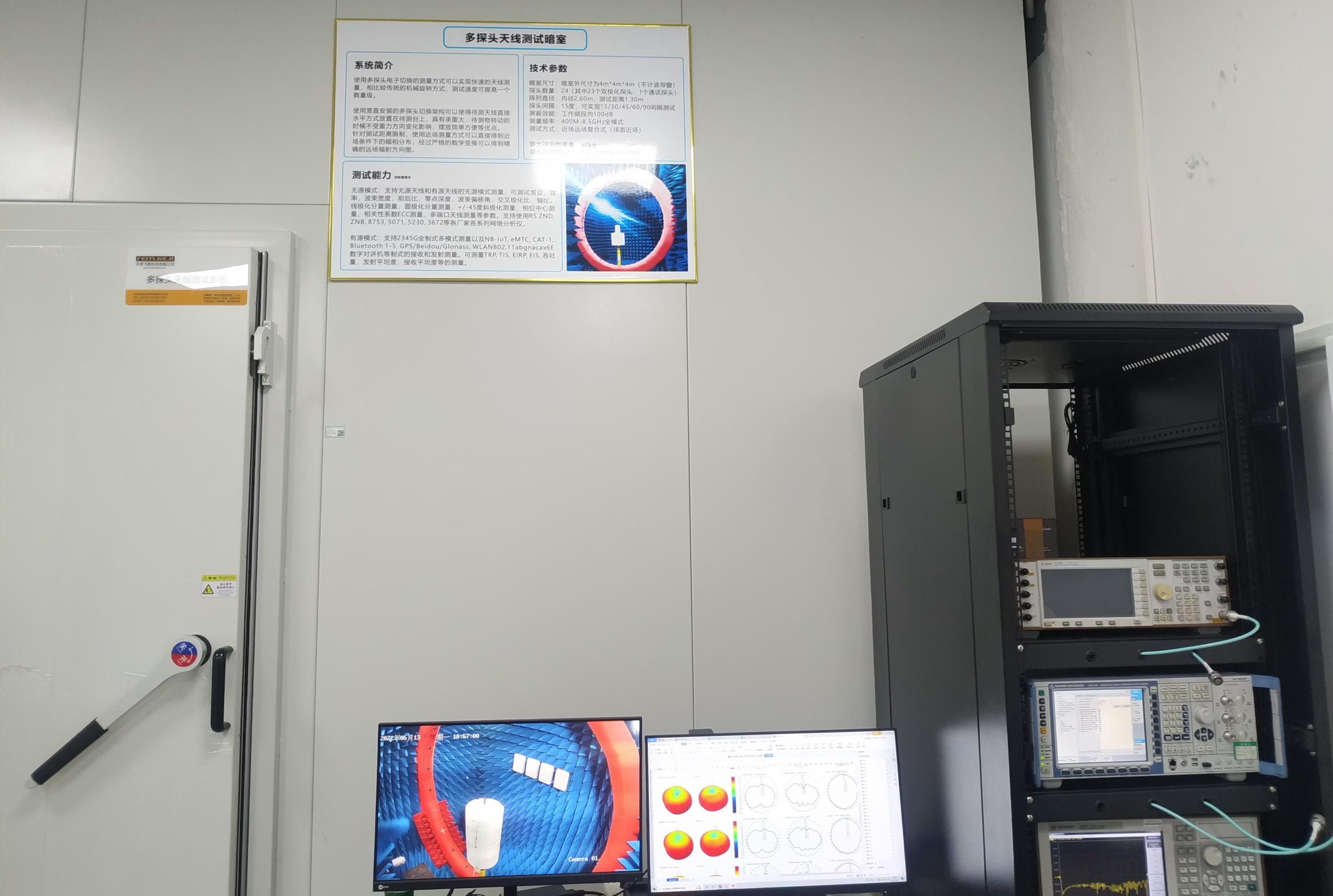
Multi-Probe RF Antenna Test System
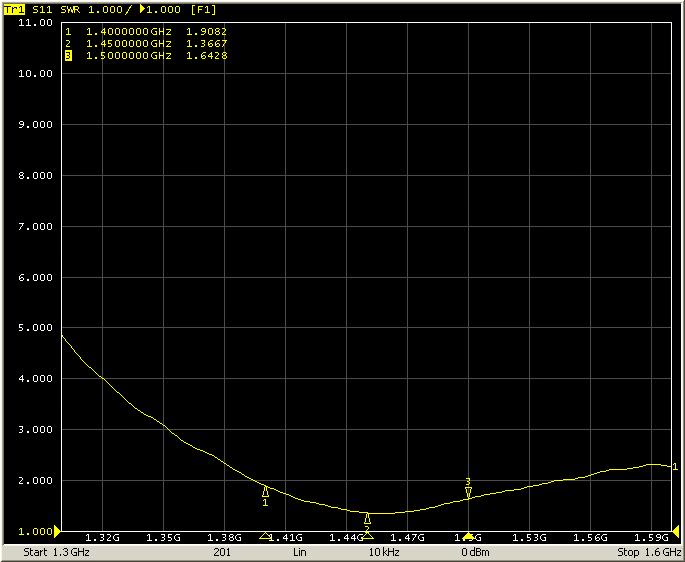
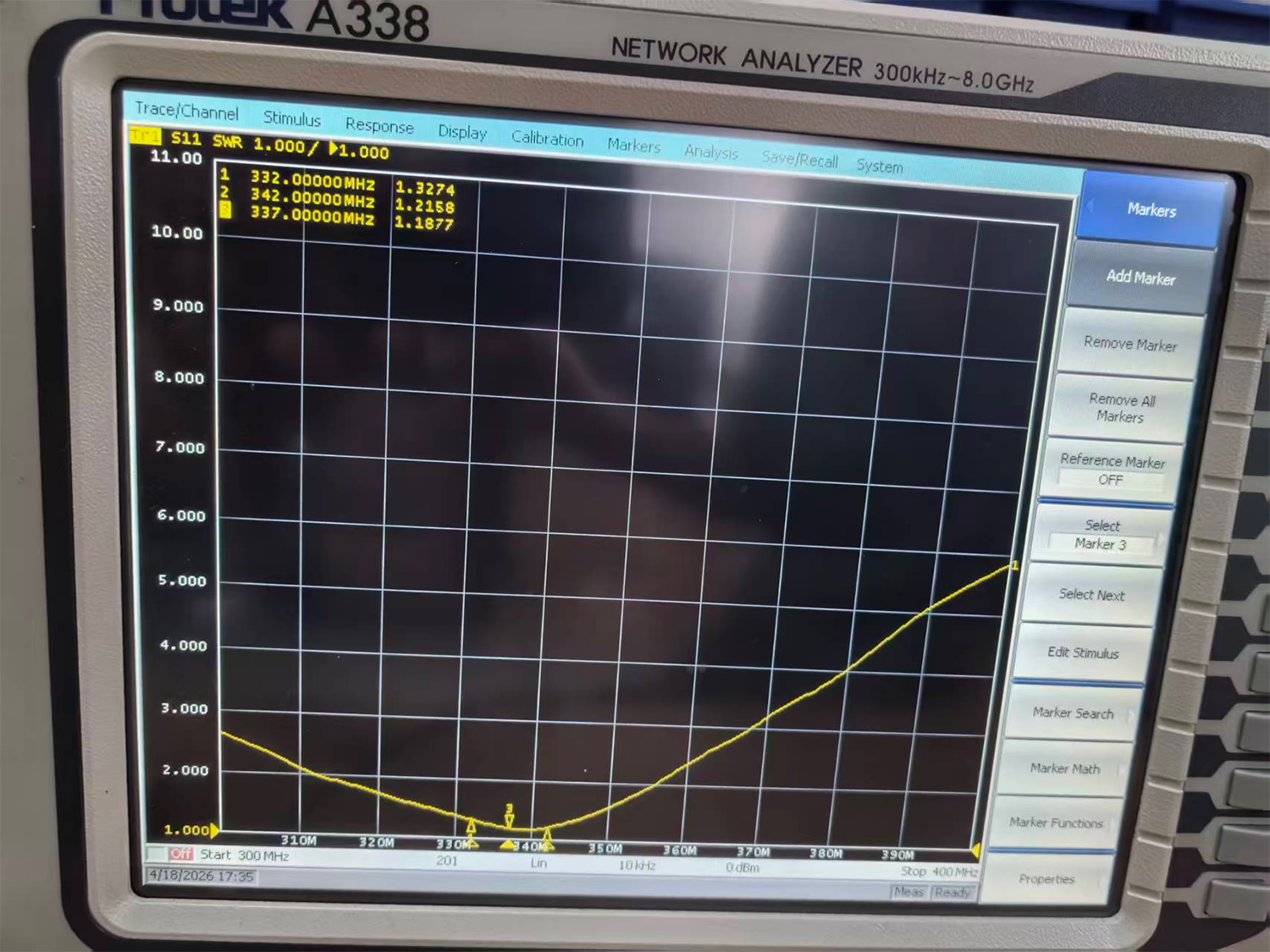
VSWR
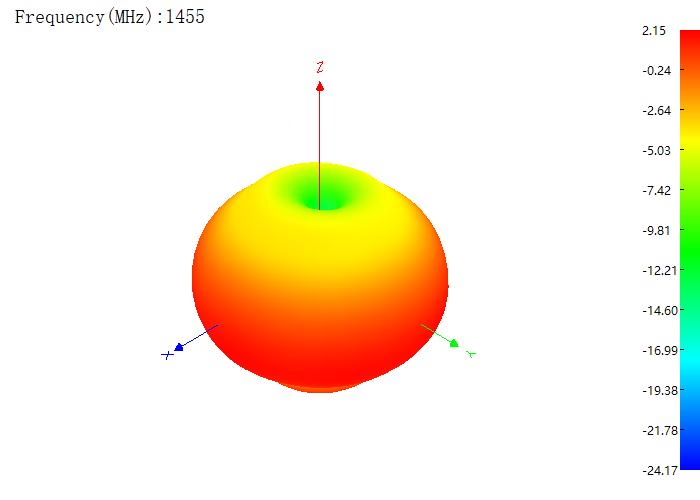
שבח אנטנה, יְעִילוּת, and Radiation Pattern for a 20 cm Long Antenna
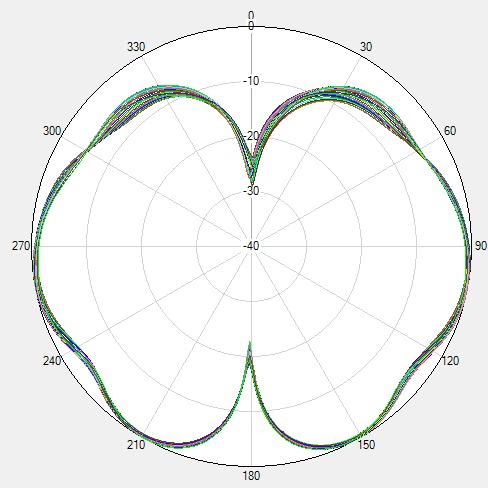
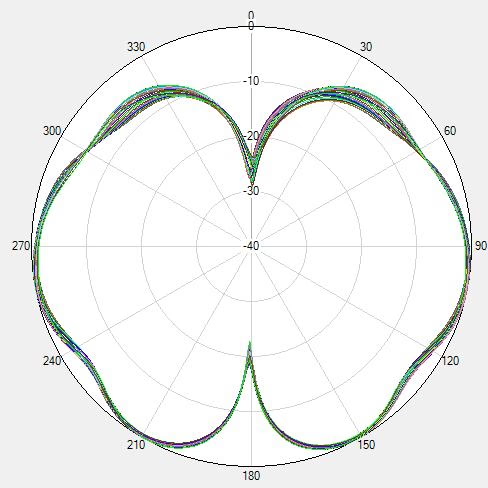
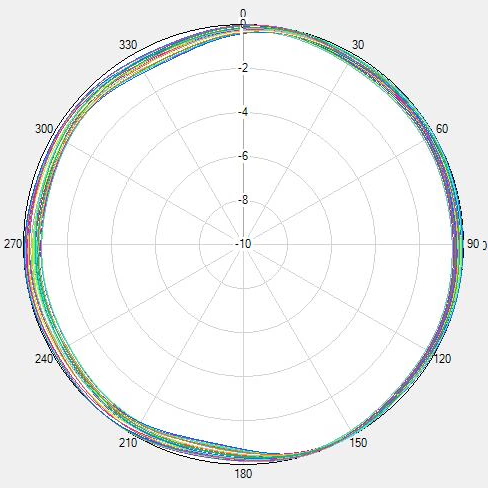
|
תדירות(MHz) |
1400 | 1410 | 1420 | 1430 | 1440 | 1450 | 1460 | 1470 | 1480 | 1490 | 1500 |
|
לְהַשִׂיג(dBi) |
2.36 | 2.22 | 2.33 | 2.23 | 2.22 | 2.12 | 2.04 | 2.06 | 1.99 | 2.06 | 1.91 |
|
יְעִילוּת(%) |
69.02 |
68.08 |
67.15 |
65.46 |
65.59 |
64.58 |
64.45 |
65.21 |
65.72 |
65.46 |
66.36 |
שבח אנטנה, יְעִילוּת, and Radiation Pattern for a 40 cm Long Antenna

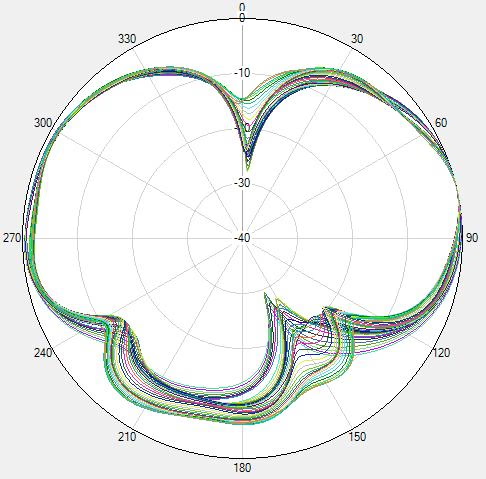

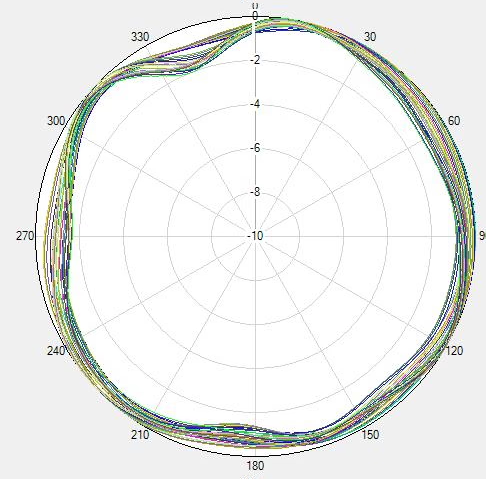
| תדירות(MHz) | 1400 | 1410 | 1420 | 1430 | 1440 | 1450 | 1460 | 1470 | 1480 | 1490 | 1500 |
| לְהַשִׂיג(dBi) | 2.66 | 2.83 | 2.91 | 2.75 | 2.78 | 2.72 | 2.72 | 2.66 | 2.44 | 2.16 | 2.06 |
| יְעִילוּת(%) | 67.28 | 67.68 | 67.28 | 64.83 | 65.59 | 62.24 | 62.24 | 61.76 | 60.35 | 58.19 | 58.31 |





ביקורות
אין ביקורות עדיין.