





Ан Аналого-IP-видеокодер (also called a видеокодер или media encoder) is a specialized hardware device that converts analog video signals from legacy cameras (например, CCTV, analog security cameras) into digital IP (Интернет-протокол) ручьи. This allows analog cameras to operate within modern IP-based surveillance systems, enabling video transmission over networks (Ethernet, Wi-Fi, или PoE) for remote viewing, хранилище, and integration with smart security platforms.
Как это работает
- Аналоговый вход: Accepts video feeds via analog interfaces like coaxial (БНК), композитный (РКА), or S-Video.
- Оцифровка: Использует Аналого-цифровой преобразователь (АЦП) to convert analog signals (например, NTSC/ПАЛ) into raw digital data.
- Сжатие: Encodes the digital video into bandwidth-efficient formats like H.264, H.265, или MJPEG to reduce file size and network load.
- IP Packaging: Encapsulates the compressed video into IP packets using network protocols such as РТСП (Протокол потоковой передачи в реальном времени), ОНВИФ, или HTTP for transmission over LAN/WAN.
- Network Output: Transmits the digital stream to an NVR (Network Video Recorder), СМС (Video Management System), or cloud platform via Ethernet/Wi-Fi.
Ключевые компоненты
- АЦП (Аналого-цифровой преобразователь): Converts analog signals to digital with resolutions up to 1080p (for higher-end encoders).
- Video Compression Engine: Uses codecs (например, H.265) to minimize bandwidth while preserving quality.
- Сетевой интерфейс: Supports PoE (Питание через Ethernet), Гигабитный Ethernet, or Wi-Fi for connectivity.
- Соответствие ONVIF/RTSP: Ensures compatibility with third-party IP surveillance software (например, Веха, Голубой Ирис).
- Прошивка: Manages protocols, безопасность (например, SSL/TLS encryption), and device settings.
Приложения
- Legacy System Modernization: Integrate analog cameras into IP-based networks without replacing hardware.
- Гибридное наблюдение: Combine analog and IP cameras in a unified system.
- Удаленный мониторинг: Stream video to smartphones, таблетки, или облачные платформы.
- Промышленный Интернет вещей: Digitize analog feeds from specialized cameras (например, термодатчики, manufacturing line cameras).
Types of Video Encoders
- Single-Channel: Encodes one analog camera feed (например, Вкан1987).
- Многоканальный: Handles 2 cameras in one unit (например, Вкан1746). HDMI+CVBS or AHD+CVBS or SDI+CVBS.
- Беспроводная связь: Transmits video over COFDM DVB-T technology 170~860Mhz (например, Вкан 1776 г.). H265 H264 Lower latency.
- Rack-Mounted: For large-scale deployments (например, Pelco Sarix Enhanced Encoder).
Преимущества
- Экономия средств: Reuse existing analog cameras instead of buying new IP cameras.
- Гибкость: Add IP cameras gradually while maintaining legacy infrastructure.
- Масштабируемость: Easily expand surveillance coverage with minimal rewiring.
- Расширенные функции: Enable motion detection, analytics, and remote access for older cameras.
Технические соображения
- Разрешение: Analog cameras typically max out at 0.4–2 MP (например, 720×480 for NTSC), but encoders can upscale to 1080p.
- Задержка: Encoding/decoding adds minor delays (~100–500 ms).
- Пропускная способность: H.265 уменьшает пропускную способность примерно на 50 % по сравнению с H.264..
- Power: PoE support simplifies installation by delivering power over Ethernet.
Ограничения
- Quality Constraints: Output quality depends on the analog camera’s original resolution.
- Compatibility Issues: Older analog formats (например, non-standard PAL) may require firmware tweaks.
- Сетевая зависимость: Requires stable IP infrastructure for reliable streaming.
When to Use It
- You have functional analog cameras but want IP features (например, удаленный доступ, AI analytics).
- Budget constraints prevent a full IP camera overhaul.
- You need a hybrid system that blends old and new technology.
Суммируя, an Analog to IP video encoder acts as a bridge between outdated analog systems and modern IP networks, preserving investments in legacy cameras while unlocking digital surveillance capabilities.
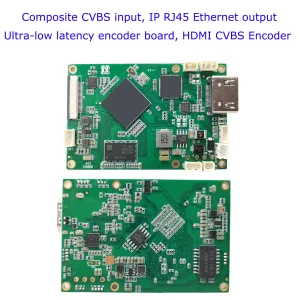
CVBS HDMI к IP -энкодеру

IP-камера с искусственным интеллектом
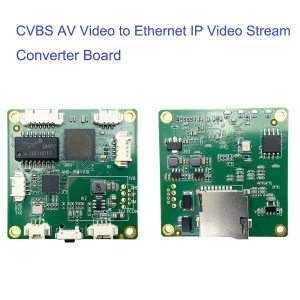
CVBS HDMI к IP -энкодеру

IP-камера с искусственным интеллектом