

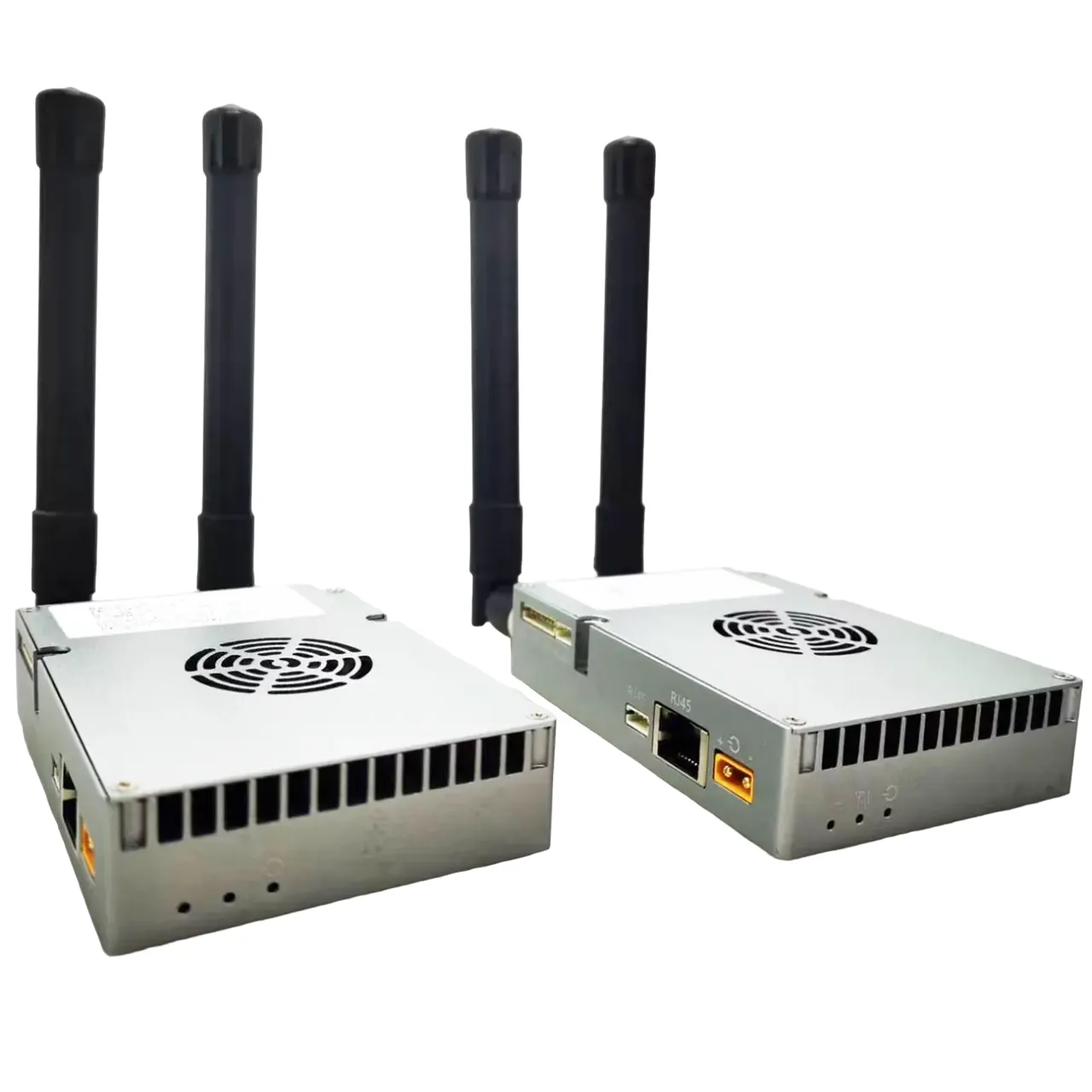
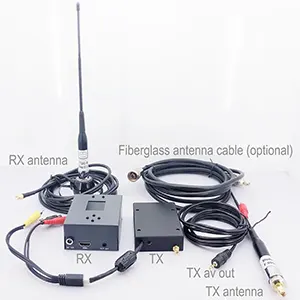


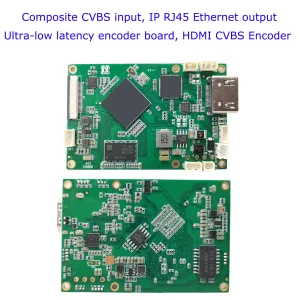
CVBS HDMI do enkodera IP
$399.00

Zakres cen: $118.00 Poprzez $178.00
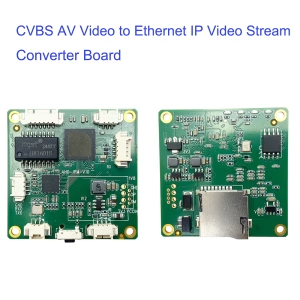
CVBS HDMI do enkodera IP
Zakres cen: $98.00 Poprzez $158.00

Oryginalna cena była: $199.00.$98.00Obecna cena to: $98.00.
Jakiś Konwerter kamery AHD na IP (zwany także AHD encoder lub AHD-to-IP adapter) is a device that converts Analog High Definition (AHD) video signals from AHD-compatible cameras into digital IP (Protokół internetowy) streams. This allows AHD cameras—which transmit HD analog video over coaxial cables—to integrate with modern IP-based surveillance systems, enabling remote access, cloud storage, and compatibility with network video recorders (NVR) or video management software (VMS-a).
What is AHD?
AHD (Analogowa wysoka rozdzielczość) is a technology that transmits uncompressed HD video (np., 720P, 1080P) over traditional coaxial cables, offering better resolution than older analog formats (np., NTSC/PAL). AHD cameras are cost-effective alternatives to IP cameras but lack native network compatibility.
Key AHD Resolutions:
- 720P (1280×720)
- 1080P (1920×1080)
How an AHD-to-IP Converter Works
- AHD Input: Accepts HD analog video via coaxial cable (np., RG59, Siamese cable).
- Digitization: Converts the analog AHD signal to digital using an Analog-to-Digital Converter (ADC).
- Kompresja: Encodes the video into IP-friendly formats (np., H.264, H.265, MJPEG) to reduce bandwidth.
- Network Transmission: Outputs the digital stream via Ethernet, Wi-Fi, or PoE (Zasilanie przez Ethernet) using protocols like RTSP, ONVIF, or HTTP.
Kluczowe cechy
- AHD Compatibility: Supports AHD standards (np., 720p/1080p at 25/30 fps).
- Multi-Format Support: Some converters also handle other analog HD formats (np., Telewizor HD, HD-CVI, CVBS).
- PoE Support: Powers the converter and connected AHD camera via Ethernet.
- ONVIF/RTSP Compliance: Ensures integration with third-party VMS platforms (np., Milestone, Synology).
- Multi-Channel: Certain models support 4–8 AHD cameras in one unit.
Why Use It?
- Modernize Legacy Systems: Connect AHD cameras to IP networks without replacing existing coaxial wiring.
- Hybrid Surveillance: Combine AHD and IP cameras in a unified system.
- Remote Access: Stream AHD camera feeds to smartphones, tabletki, or cloud platforms.
- Cost Savings: Avoid replacing functional AHD cameras with expensive IP cameras.
Aplikacje
- Retail/Business Security: Upgrade AHD-based CCTV systems to IP for remote monitoring.
- Industrial Sites: Digitize AHD feeds from remote locations (np., factories, magazyny).
- Home Security: Stream AHD footage to apps like TinyCam or iVMS-4200.
Względy techniczne
- Resolution Limits: Output quality depends on the AHD camera’s native resolution (np., 1080p max).
- Utajenie: Minimal delay (~100–300 ms) due to encoding/network transmission.
- Compression Efficiency: H.265 reduces bandwidth by ~50% compared to H.264.
- Power Options: PoE simplifies installation by eliminating separate power cables.
Ograniczenia
- No Quality Enhancement: Cannot upscale AHD video beyond its original resolution.
- Network Dependency: Requires stable Ethernet/Wi-Fi for reliable streaming.
- Legacy Wiring: Coaxial cables may limit flexibility compared to IP cabling (np., Cat6).
Example Devices
- Hikvision DS-6304HQHI-K4: 4-channel AHD-to-IP encoder with H.265 compression.
- Dahua HCVR5104H-A: Hybrid encoder supporting AHD, Telewizor HD, and IP cameras.
- ANNKE AHD-to-IP Adapter: Single-channel PoE converter for 1080p AHD cameras.
Porównanie: AHD vs. IP Cameras
| Funkcja | AHD Camera + Converter | Native IP Camera |
|---|---|---|
| Rozkład | Up to 1080p (limited by AHD) | Up to 4K/8K (higher flexibility) |
| Instalacja | Uses existing coaxial cables | Requires Ethernet cabling |
| Koszt | Lower (reuse existing cameras) | Higher |
| Advanced Features | Ograniczony (depends on encoder) | Built-in analytics, sztuczna inteligencja, itp. |
When to Choose an AHD-to-IP Converter
- You have functional AHD cameras and want IP features (zdalny dostęp, cloud storage).
- Budget constraints prevent a full IP camera upgrade.
- Existing coaxial infrastructure is difficult to replace (np., long-distance wiring).
Krótko mówiąc, jakiś AHD-to-IP converter bridges the gap between cost-effective AHD systems and modern IP networks, preserving your investment in AHD hardware while unlocking digital surveillance capabilities.
CVBS HDMI do enkodera IP
$399.00
Zakres cen: $118.00 Poprzez $178.00
CVBS HDMI do enkodera IP
Zakres cen: $98.00 Poprzez $158.00
Oryginalna cena była: $199.00.$98.00Obecna cena to: $98.00.