





Czy masz bezprzewodowy nadajnik i odbiornik wideo dla drona UAV??
Czy masz bezprzewodowy nadajnik i odbiornik wideo dla drona UAV??
What we need are;
・COFDM modulation and FEC support
・use 2.4GHz
・less than 100g in weight
・HDMI for Interface
・FHD 30p support
・10mW output
What we prefer are;
・FHD 60p or 4K compatible
・Less than 100ms in latency
・MIMO support
・Available for SBus, UART, Ether input
・encryption, AES128 or AES256
-
 Sieć siatki roju dronem 100 km 60 Mb / s łącze radiowe 4-nodowe 2x częstotliwość przeskaki
 -
Moduł nadajnika wideo FPV 170-860Mhz bezprzewodowy nadajnik audio-wideo RF do kamery FPV 3W PA 50km
-
IP Mesh 100 Mb / s bezprzewodowe dane transceiver 2x5w PA 16 chmiel
-
Łącze dronów do radiowej telemetrii danych wideo dalekiego zasięgu Bezprzewodowa transmisja pomiędzy UAV a naziemną stacją kontroli
-
Moduł łącza danych wideo drona UAV bezprzewodowy nadajnik i odbiornik wideo do kamery dalekiego zasięgu transceiver TDD dwukierunkowy vcan1401
-
COFDM nadajnik-odbiornik wideo AV w HDMI out FPV, Bezprzewodowe 10km-15km-30km dalekiego zasięgu tańsze i dłuższe COFDM-912T
-
1740-1840MHZ 2WPA 30 km dronem nadajnik i odbiornik Drone z SBUS TTL
-
30Km duża odległość COFDM HDMI bezprzewodowy nadajnik-odbiornik wideo pełny zestaw Audio wideo TX RX dla UAV Drone 1080P 908T
-
Dwukierunkowy bezprzewodowy moduł transmisji danych wideo UAV RC Link, dwukierunkowy transceiver dalekiego zasięgu, nadajnik-odbiornik Vcan1681
-
Bezprzewodowy nadajnik danych i odbiornik Drone Film do robota UAV Drone
-
Bezprzewodowy nadajnik i odbiornik wideo do kamery, HDMI HD H265 264 enkoder 1W/2,5W PA 1080P60 Vcan1726
-
22km 55 km 80 km 100 km 150 km bezprzewodowy nadajnik wideo Bezprzewodowy transmisja transmisji transmisji Pa 2W 5W 10W
-
Drone wideo Telemetria Telemetria nadajnik-receiiver UAV łącze radiowe TDD Transceiver TDD
-
10W PA 150KM pokładowe łącze danych wideo dalekiego zasięgu bezprzewodowy nadajnik transmisji UAV odbiornik szerokopasmowy uchwyt taktyczny
-
30-milisekundowy Drone UAV HDMI Bezprzewodowy nadajnik wideo System transmisji bezprzewodowej o bardzo niskich opóźnieniach Vcan1729
-
Transceiver MESH MESH MESH z dwukierunkową płytą audio-IP dla robota UAV dron
-
150KM 100MPBS Wskakowanie częstotliwości przy 2bandach UAV Radio Link Wysoka szybkość transmisji i anty-interferencja
-
Bezprzewodowe łącze danych wideo z dronem typu mesh o zasięgu 150–200 km, bezcentrowy transceiver sieciowy ad hoc o dużym zasięgu
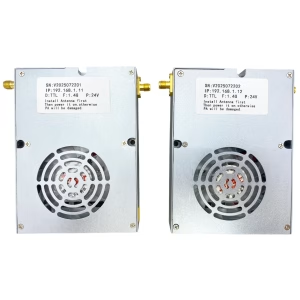


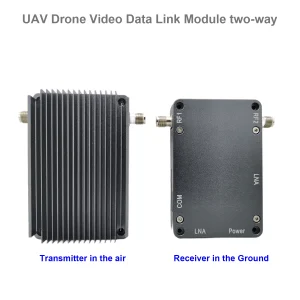
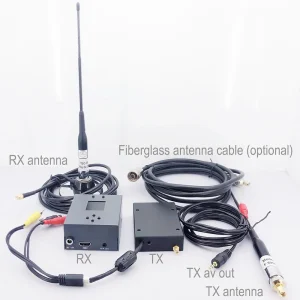

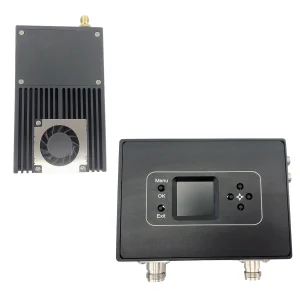
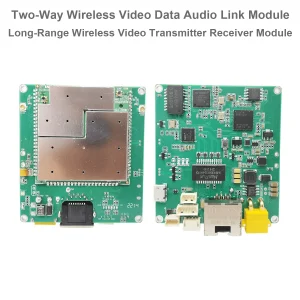


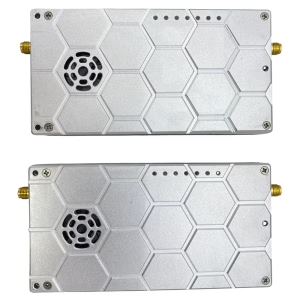


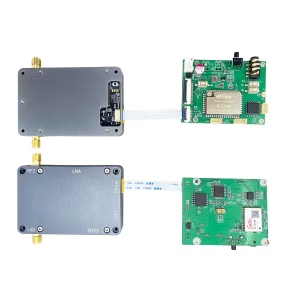
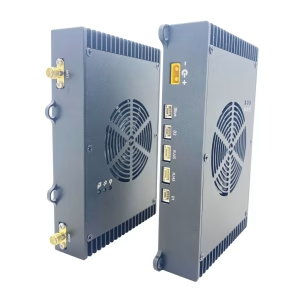

I am very interested in your wireless video transmission solutions for UAV drones and would like to inquire about products that meet specific requirements for professional aerial video applications. Our primary interest is in 2.4GHz COFDM modulation video transmitters and receivers that support FEC (Korekta błędów w przód) and provide reliable, niskie opóźnienia, high-definition video transmission for UAV or drone platforms.
For our current projects, the key requirements are as follows:
- COFDM Modulation with FEC Support: The transmitter and receiver must use COFDM (Kodowane multipleksowanie z ortogonalnym podziałem częstotliwości) modulation technology, which ensures robust and reliable video transmission even in challenging environments with multi-path interference. Korekta błędów w przód (FEC) is essential to correct potential transmission errors and maintain high-quality video output during flight operations.
- Frequency Band – 2.4GHz: The system should operate in the 2.4GHz frequency band, which is commonly used for UAV video transmission due to its good balance of range and bandwidth. This frequency band also provides compatibility with existing UAV and drone communication systems.
- Lekka konstrukcja: Weight is a critical consideration for UAV applications. The transmitter should weigh less than 100 gramy, including the enclosure, to ensure minimal impact on flight performance, payload capacity, and energy consumption.
- HDMI Interface: The video transmitter must support Wejście HDMI, which allows direct connection to standard cameras or video sources. This ensures high-quality video capture and compatibility with professional UAV cameras.
- FHD 30p Support: At a minimum, the system should support Pełna HD (1920×1080) Na 30 klatek na sekundę, providing clear and smooth video for aerial monitoring, kontrola, i aplikacje monitorujące.
- Output Power – 10mW: The transmitter output power should be around 10mW, sufficient for short to medium-range UAV operations while remaining within regulatory power limits for the 2.4GHz band.
In addition to the essential requirements listed above, we have several preferred specifications that would greatly enhance the usability and performance of the system:
- FHD 60p or 4K Compatible: Ideally, the system should support Full HD at 60 klatek na sekundę or even 4K video resolution. Higher frame rates and resolutions are increasingly important for professional UAV applications, including mapping, kontrola, cinematography, and other high-demand imaging tasks.
- Małe opóźnienia: We prefer a video transmission latency of less than 100 milisekundy to ensure near real-time video feedback for pilots and operators, especially for FPV (Widok z pierwszej osoby) and control-intensive drone operations. Low latency is critical for safe navigation and precise maneuvering of UAVs.
- MIMO Support: Multiple-input, multiple-output (MIMO) capability is highly desirable. MIMO enhances the stability and reliability of the wireless link by using multiple antennas for simultaneous data streams, which improves throughput and reduces packet loss in challenging environments.
- Flexible Control Interfaces: Compatibility with SBus, UART, or Ethernet input would be preferred. This allows integration with various control systems, including flight controllers, ground control stations, and telemetry interfaces, providing greater flexibility for different UAV platforms and mission types.
- Szyfrowanie: Data security is important for many UAV applications, especially in professional, przemysłowy, and defense use cases. Support for AES128 or AES256 encryption would be highly desirable to ensure that transmitted video data remains secure from unauthorized interception or tampering.
We are particularly interested in systems that combine lightweight design, robust COFDM modulation, and advanced features such as MIMO and encryption, while maintaining low latency and high video quality. The system should be reliable under real-world UAV flight conditions, including vibration, motion, and potential electromagnetic interference from other onboard electronics.
Dodatkowo, it would be helpful if you could provide information about:
- Zasięg transmisji under different conditions (line-of-sight and non-line-of-sight).
- Wymagania dotyczące zasilania and any onboard battery integration considerations.
- Antenna options and mounting configurations suitable for small UAVs.
- Compatibility with standard UAV cameras and any recommended adapters or converters for HDMI or other interfaces.
- Sample availability for testing before committing to bulk orders.
- Optional accessories such as remote receivers, monitoring displays, or extended-range modules.
Podsumowując, we are looking for a professional-grade 2.4GHz COFDM wireless video transmitter and receiver system suitable for UAV applications that balances lightweight design, high-definition video, niskie opóźnienie, robust error correction, szyfrowanie, and flexibility for various control interfaces. Our goal is to integrate a reliable and high-quality wireless video link into our UAV platforms to support a wide range of applications, including aerial inspection, FPV operations, mapowanie, and industrial monitoring.
Please provide detailed specifications, available models, pricing, lead times, and sample availability for products that meet these requirements. We are eager to evaluate the performance and compatibility of your system with our UAV platforms and look forward to your technical guidance and recommendations.
Zadać pytanie
Twoja wiadomość została wysłana