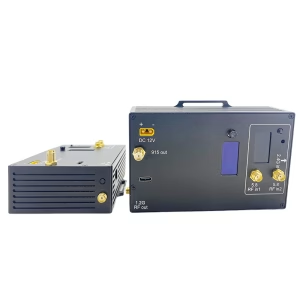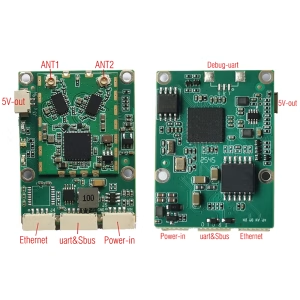
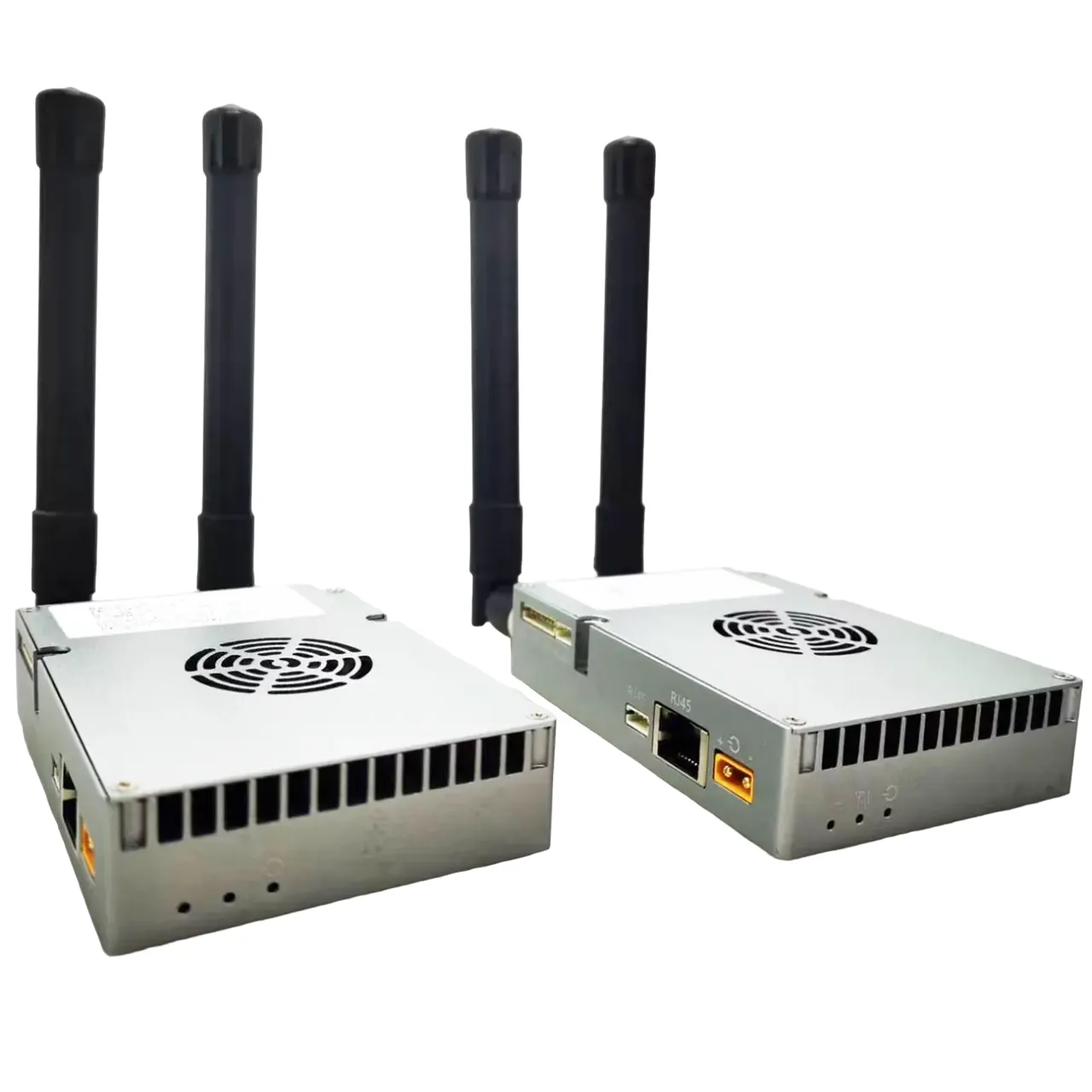
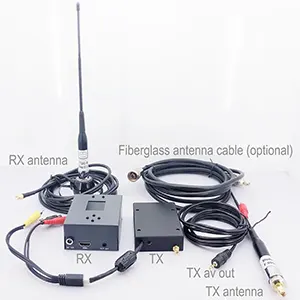


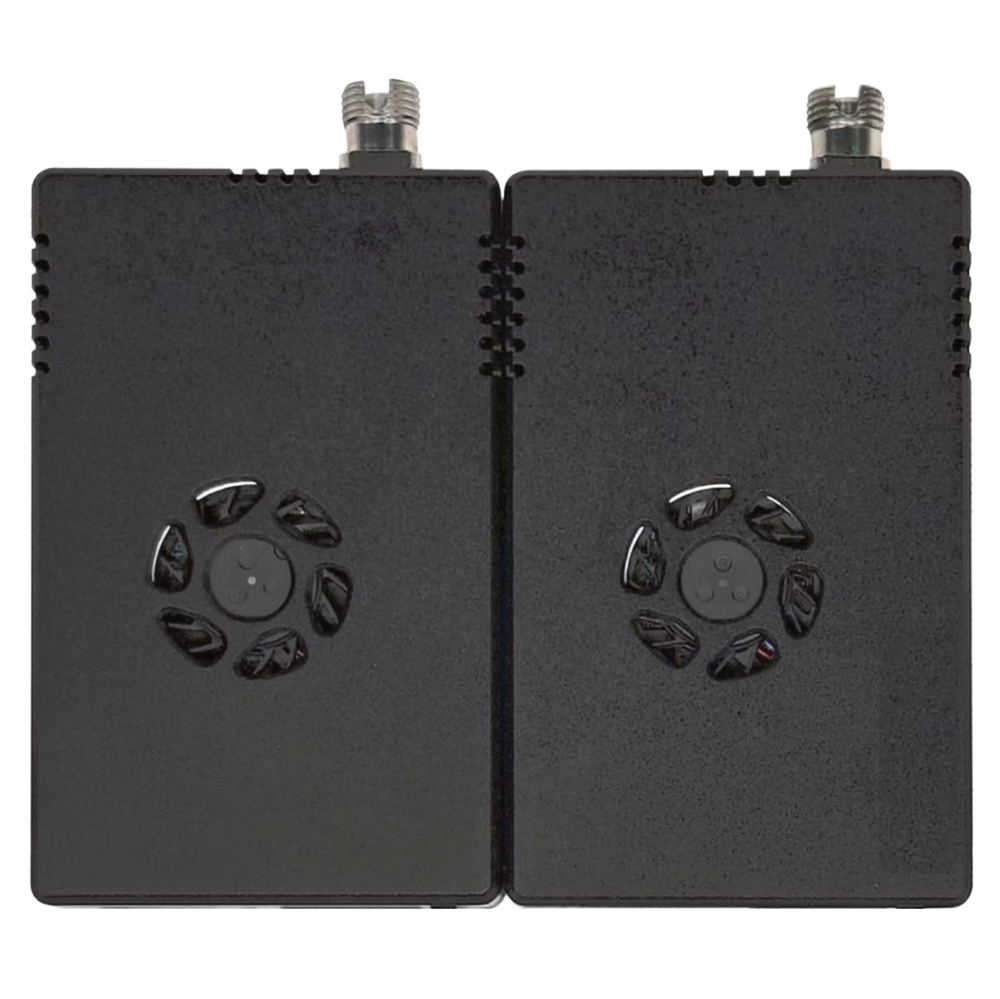
Drohnenfaser-optisch-Video-Transmission-System
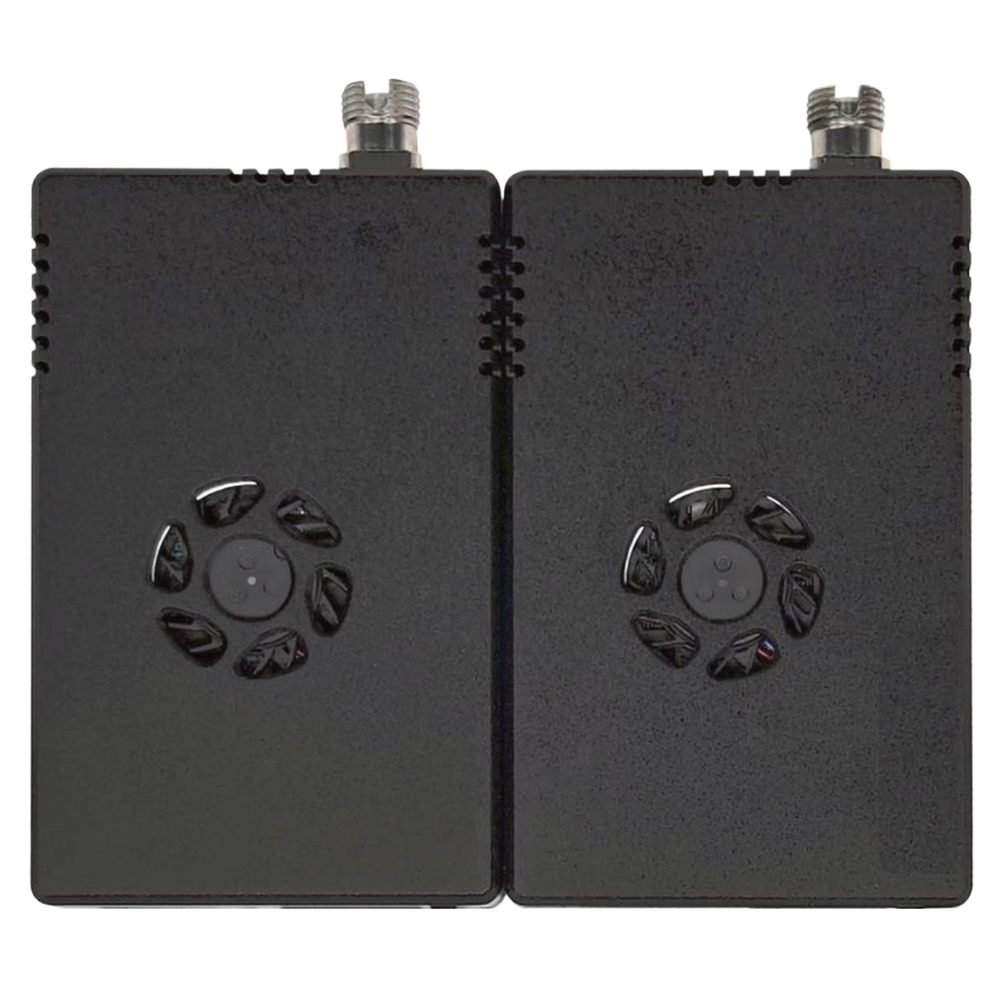
| Modell | VCAN2129 |
| Übertragungsrate | 0~100Mbps |
| Übertragungsreichweite | 0~20km/80km fiber 0-20km/80km |
| Signal data interface | GH1.25 |
| End-to-end connector | FC/APCConnector |
| Data format | TTL/SBUS |
| Eingangsspannung | 9~ 28V |
| Größe | 79*46*14Millimeter |
| Gewicht | 55G |
| shell material | Aluminiumlegierung |
| Fiber wavelength | 1310/1550nm |
| Optical fiber housing material | abs |
| Optical fiber specification | 0.3Millimeter |
| Optical fiber interface | FC interface |
| Fiber type | Singlemode-Faser |
| video standard | NTSC/PAL/SECAM |
| Data direction | bidirektional |
| Lösung | Backward compatible up to 4 K30fps |
| Encoding mode | H.265/H.264 Configurable |
| Video-Bitrate | 500kbps~15Mbps |
| Transport protocol | RTMP、RTSP、TS |
| Videoschnittstelle | HDMI/Ethernet |
| (Betriebstemperatur | -40°C~+70° |
EIN Drohnenfaser-optisch-Video-Transmission-System refers to a technology that enables Echtzeit, high-bandwidth video streaming from a drone to a ground station (or control center) verwenden fiber-optic cables instead of traditional wireless links (like RF or Wi-Fi).
Inhaltsverzeichnis
Wie es funktioniert:
-
Fiber-Optic Tether: The drone is physically connected to the ground via a thin, lightweight fiber-optic cable, which provides:
-
Ultra-Low-Latency (near-instant video transmission).
-
Grosse Bandbreite (supports 4K/8K, multi-sensor feeds).
-
Immunity to electromagnetic interference (EMI) and jamming.
-
Secure data transfer (harder to intercept than wireless signals).
-
-
Anwendungen:
-
Militär & Überwachung: Sicher, real-time reconnaissance.
-
Übertragen & Live -Events: Uninterrupted HD video for drones in sports/concerts.
-
Industrielle Inspektionen: Power lines, Windkraftanlagen, Pipelines (stable feed in RF-congested areas).
-
Öffentliche Sicherheit: Polizei, Feuer bekämpfen, and disaster response drones.
-
Advantages Over Wireless (RF/Wi-Fi):
✔ No signal degradation over distance (unlimited range as long as the fiber reaches).
✔ No risk of hacking/jamming (critical for military/security).
✔ Höhere Datenraten (fiber can handle terabytes/sec, unlike wireless).
Herausforderungen:
❌ Physical tether limits mobility (not suitable for free-flying drones).
❌ Cable weight & deployment complexity (requires specialized drones).
Similar Systems:
-
Tethered drones (Leistung + data over fiber).
-
Fiber-optic guided missiles (military use).
-
Underwater ROVs (often use fiber for deep-sea video).