






Съдържание
Имате ли някакви предложения за инсталиране на a COFDM Безжичен видео предавател за най-добра производителност?
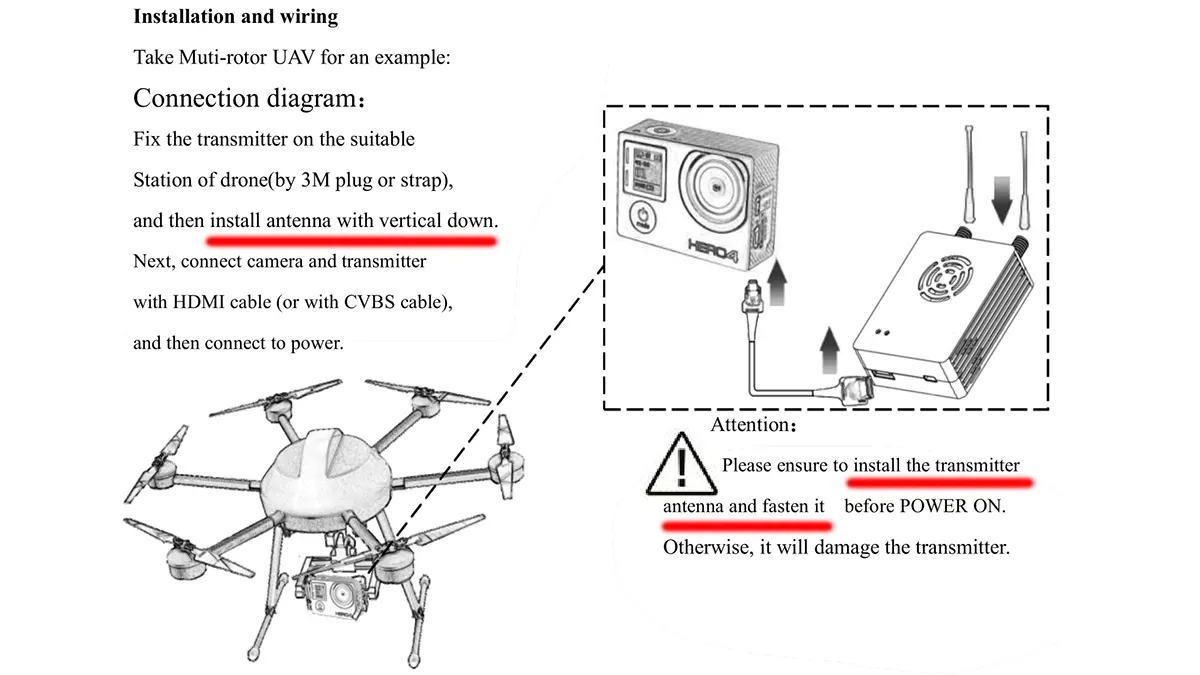
Предупреждение за инсталиране
1. Преди включване, потребителят трябва да инсталира антената и да се увери, че интерфейсът е затегнат. В противен случай, това ще повреди веригата.
2. Моля, уверете се, че предавателят и приемникът подават напрежение в предписания диапазон на напрежение. В противен случай, това ще повреди веригата.
3. Можете да държите антената на предавателя надолу вертикално и без никакви препятствия, за да предотвратите скъсяване на комуникационното разстояние поради блокиране.
4. Антената на приемника трябва да може да се пази от големи метални части.
5. Моля, уверете се, че използвате правилния тип антена, честотата на антената трябва да е подходяща за честотата на предавателя.
6. Моля, обърнете внимание на поддържането на подходящо разстояние между електронното оборудване, за да сведете до минимум електромагнитните смущения.
Предупреждение за употреба
1. Моля, уверете се, че всички свързващи проводници са закрепени и свързани правилно.
2. Няма навлизане в чуждо тяло (например. течност, пясък, и т.н.)
3. Предавателят се нуждае от около 15 секунди за включване, след това, може да предава
4. Моля, уверете се, че няма смущения в околната среда с оборудване за безжично предаване със същата честота или висока RF мощност, в противен случай, приемникът може да не получи нормално видеото.
5. Ако сигналът на приемника е слаб, опитайте се да промените посоката на антената на приемника.
6. Използване на HDMI кабел, ЛСД дисплей, и други аксесоари, изберете по-добро електромагнитно екраниране на продукта, доколкото е възможно.
-
 Най-добрият FPV видео предавателен модул 170-860Mhz безжичен RF аудио видео предавател за FPV камера 3W PA 50km
 -
 Ip mesh 100mbps безжични видео данни за видео данни 2x5w pa 16 Хоп
 -
 Drone Link за видео данни на далечни разстояния Радио телеметрия Безжично предаване между UAV и наземна контролна станция
 -
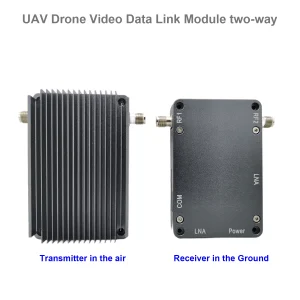 UAV безпилотен дрон модул за видео връзка за данни безжичен видео предавател и приемник за камера TDD трансивър на дълги разстояния двупосочен vcan1401
 -
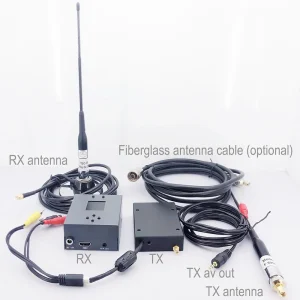 COFDM видео предавател-приемник AV в HDMI изход FPV, Безжичен 10km-15km-30km голям обхват по-евтин и по-дълъг COFDM-912T
 -
 1740-1840MHz 2WPA 30km ДРУГИ ДРОН ДРОН ВИДЕО ИЗПЪЛНЕНИЕ И ПОСТАВЕН С SBUS TTL
 -
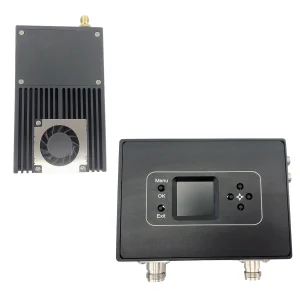 30Км дълги разстояния COFDM HDMI безжичен видео предавател приемник пълен комплект аудио видео TX RX за UAV Drone 1080P 908T
 -
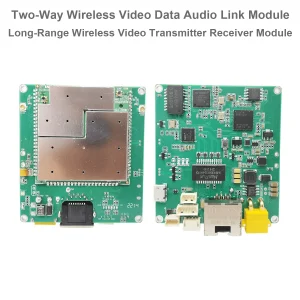 Двупосочен UAV Безжични видео данни RC Control Link модул двупосочен трансивър на дълги разстояния Предавател-приемник Vcan1681
 -
 Предавател и приемник на безжични видео данни за дълги разстояния за робот за дронове
Proper installation of a COFDM безжичен видео предавател is crucial for achieving optimal performance, maintaining reliable signal transmission, and preventing equipment damage. Whether used for UAVs, Дроновете, or other professional video transmission applications, following best practices ensures consistent video quality, extended transmission range, and long-term device reliability. Below are comprehensive suggestions for installation and usage, including warnings and practical tips.
Installation Recommendations
- Antenna Installation Before Power-On:
Always install the antenna on the transmitter before powering on the device. Ensure that the antenna interface is tightly secured. Failing to attach the antenna prior to powering on may result in severe damage to the transmitter circuit due to reflected RF power. The type of antenna must match the frequency range of the transmitter, as using an incorrect antenna can reduce efficiency, shorten transmission range, or even damage the device. - Power Supply Precautions:
Ensure that the transmitter and receiver are supplied with the correct voltage within the specified range. Overvoltage or undervoltage conditions can damage internal circuits and compromise system performance. Use regulated DC power supplies or UAV-compatible battery sources to avoid voltage fluctuations. - Transmitter Antenna Orientation:
For best signal propagation, position the transmitter antenna vertically and keep it free from obstructions such as walls, metallic structures, or dense materials. Obstructions in front of the antenna can significantly reduce communication distance and degrade video quality. В идеалния случай, the antenna should be mounted as high as possible relative to the surrounding environment to maximize line-of-sight coverage. - Receiver Antenna Placement:
Keep the receiver antenna away from large metal objects or electromagnetic interference sources. Metal surfaces near the antenna can reflect or absorb the RF signal, causing signal attenuation or multipath interference. Ensure that the receiver antenna is also oriented vertically for optimal reception. - Antenna Selection:
Always use antennas designed specifically for the transmitter frequency band. Using an incompatible antenna will reduce system efficiency and transmission range. High-gain antennas can extend the communication distance but may reduce coverage in certain directions, so choose antenna types according to your specific operational environment. - Electromagnetic Interference Minimization:
Maintain adequate separation between the transmitter, приемник, and other electronic equipment. Keep the transmitter away from motors, power converters, GPS modules, and high-frequency electronics to reduce electromagnetic interference (Еми). Proper shielding and cable routing can further minimize EMI and improve signal stability.
Usage Warnings and Operational Tips
- Secure Connections:
Make sure all connecting wires, including power and video cables, are properly fastened and inserted. Loose connections can cause intermittent signal loss, video flickering, or system malfunctions. Regularly check connectors for wear and corrosion. - Prevent Foreign Objects:
Ensure that no foreign substances, such as liquids, прах, or sand, enter the transmitter or receiver enclosure. Exposure to moisture or debris may cause short circuits, corrosion, or permanent damage to electronic components. Consider using protective enclosures or covers in harsh environments. - Power-On Timing:
After powering on the transmitter, allow approximately 15 секунди for the system to initialize and stabilize before attempting video transmission. This startup period allows the COFDM encoder and RF circuits to lock frequency, synchronize with the receiver, and achieve optimal performance. - Avoid Frequency Interference:
Ensure that the operational environment is free from other high-power RF sources operating at the same frequency. Interference from other wireless systems may cause video dropouts, signal distortion, or reduced range. If multiple transmitters are used, maintain frequency separation to prevent cross-talk. - Signal Optimization:
If the receiver signal is weak or unstable, adjust the antenna orientation or reposition the receiver. Small changes in antenna angle or location can significantly improve signal quality and video reception. Line-of-sight between transmitter and receiver is ideal, but if obstacles exist, repositioning antennas can help reduce signal degradation. - Cable and Accessory Considerations:
When using HDMI cables, LCD displays, or other auxiliary equipment, select products with good electromagnetic shielding. Poorly shielded cables or accessories can introduce noise, degrade video quality, or reduce effective transmission distance. Keeping signal paths short and organized also minimizes interference. - Фактори на околната среда:
COFDM transmitters perform best under line-of-sight conditions. Avoid mounting the transmitter near reflective surfaces or inside metallic enclosures that may interfere with RF propagation. температура, влажност, and vibration can also affect transmitter performance, so ensure that the installation location is stable and within the operational specifications of the device.
Additional Practical Tips
- Label all cables and antennas for easier troubleshooting and maintenance.
- For mobile applications, ensure that antennas are mounted securely to prevent movement during operation.
- Test the system in the actual operational environment before full deployment to confirm range, видео качество, and interference conditions.
- Periodically inspect connectors, антени, and cables to maintain optimal performance and prevent failures.
- For UAV or drone applications, consider using gimbals or vibration isolation mounts for antennas and transmitters to further reduce interference and signal degradation caused by movement.
By following these detailed installation and usage suggestions, operators can ensure that their COFDM wireless video transmitter system performs reliably, provides maximum transmission range, and delivers high-quality video without interruptions. Proper care and attention to installation details are essential for achieving the full capabilities of professional long-distance wireless video transmission systems.
Задай въпрос
Вашето съобщение е изпратено