





UN Single-channel IP encoder for analog cameras is a compact device designed to convert video signals from one analog camera (P.EJ., CCTV, AHD, or composite cameras) into a digital IP stream. This allows the analog camera to integrate with modern IP-based surveillance systems, enabling features like remote viewing, almacenamiento en la nube, y compatibilidad con grabadores de vídeo en red (NVR) o software de gestión de vídeo (VMS). It is ideal for small-scale upgrades or hybrid systems where only a single analog camera needs digitization.
Características clave
- Single Input: Dedicated to one analog camera (supports BNC/coaxial, RCA, u otras interfaces analógicas).
- Digitalización & Compresión:
- Conversión de analógico a digital (CAD): Converts analog signals (NTSC/PAL or HD analog formats like AHD/TVI) to digital.
- Video Compression: Encodes video into IP-friendly formats (P.EJ., H.264, H.265, MJPEG) para reducir el ancho de banda.
- Network Output: Transmits the digital stream via Ethernet, wifi, o PoE (Alimentación a través de Ethernet).
- Soporte de protocolo: RTSP, ONVIF, HTTP, or TCP/IP for seamless integration with VMS platforms (P.EJ., Milestone, iris azul).
- Opciones de energía:
- PoE (Alimentación a través de Ethernet) for simplified cabling.
- 12V DC power input for standalone use.
Cómo funciona
- Entrada analógica: The encoder connects to the analog camera via coaxial (BNC) o compuesto (RCA) cable.
- Signal Conversion: The built-in ADC digitizes the analog video signal.
- Compresión: The encoder compresses the digital video using codecs like H.265 to minimize bandwidth usage.
- IP Streaming: The compressed stream is packaged into IP packets and transmitted over a network to an NVR, VMS, or cloud platform.
Beneficios
- Cost-Effective: Avoid replacing functional analog cameras with expensive IP cameras.
- Fácil integración: Adds a single analog camera to an existing IP network.
- Acceso remoto: View footage on smartphones, tabletas, or PCs via apps/software.
- Escalabilidad: Combine multiple single-channel encoders for multi-camera setups.
- Bajo consumo de energía: Ideal for IoT or battery-powered setups (si es compatible).
Applications
- Small Businesses: Upgrade one legacy camera in a store or office.
- Seguridad en el hogar: Stream analog camera feeds to a smartphone app.
- Monitoreo Industrial: Digitize a single analog feed from a machine vision camera.
- Temporary Setups: Deploy quickly for events or construction sites.
Consideraciones técnicas
- Resolución: Supports up to 1080p (depends on the analog camera’s output).
- Estado latente: Typically 100–500 ms due to encoding/network transmission.
- Ancho de banda: H.265 reduces data usage by ~50% compared to H.264.
- Compatibilidad: Ensure the encoder supports your camera’s analog format (P.EJ., AHD, CVBS, televisión de alta definición).
Dispositivos de ejemplo
- Eje T8310: Single-channel encoder with H.264 compression and PoE support.
- Hikvision DS-6301H: Encodes AHD/TVI/CVBS analog signals to IP.
- Dahua HCVR2104H-S3: Hybrid encoder with single-channel analog input.
- TP-Link TL-NC200: Budget-friendly option for basic analog-to-IP conversion.
Limitaciones
- Single Camera Only: Requires one encoder per analog camera (not cost-effective for large systems).
- Quality Constraints: Output quality depends on the analog camera’s original resolution.
- No Advanced Analytics: Lacks built-in AI features (P.EJ., facial recognition) unless paired with VMS software.
Comparación: Single-Channel vs. Multi-Channel Encoders
| Característica | Single-Channel Encoder | Multi-Channel Encoder |
|---|---|---|
| Costo | Lower per unit | Higher upfront cost |
| Escalabilidad | Requires multiple units | Handles 4–16 cameras in one box |
| Instalación | Simple, flexible placement | Bulkier, often rack-mounted |
| Caso de uso | Small upgrades, hybrid systems | Large-scale analog-to-IP migration |
When to Use a Single-Channel IP Encoder
- You have 1–2 analog cameras to integrate into an IP system.
- Budget constraints prevent a full IP camera overhaul.
- You need a temporary or portable setup (P.EJ., monitoreo de eventos).
- El cableado coaxial existente es difícil de reemplazar (P.EJ., long-distance analog feeds).
Setup Steps
- Connect the analog camera to the encoder’s BNC/RCA input.
- Power the encoder via PoE or 12V DC adapter.
- Connect the encoder to the network via Ethernet.
- Configure the encoder’s IP address and streaming settings via a web interface.
- Add the encoder’s feed to your NVR/VMS using its RTSP/ONVIF URL.
En breve, a single-channel IP encoder is a practical, budget-friendly tool to modernize individual analog cameras, extending their lifespan while unlocking IP surveillance capabilities. It’s perfect for targeted upgrades or hybrid systems where only a few analog devices remain.
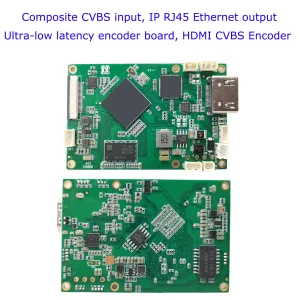
CVBS HDMI al codificador IP

Cámara IP con IA

Cámara IP con IA