






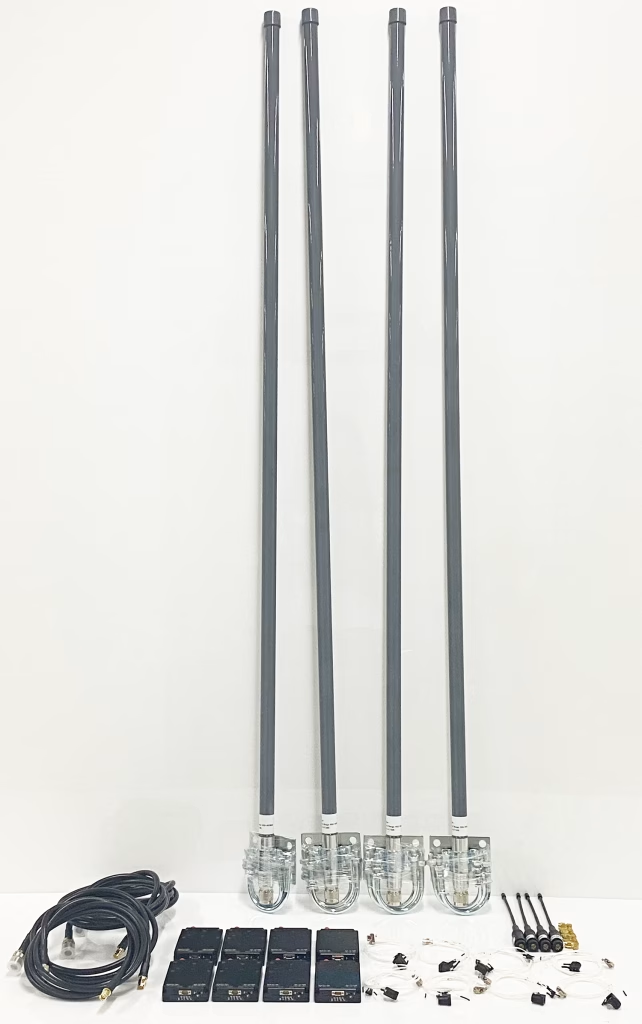
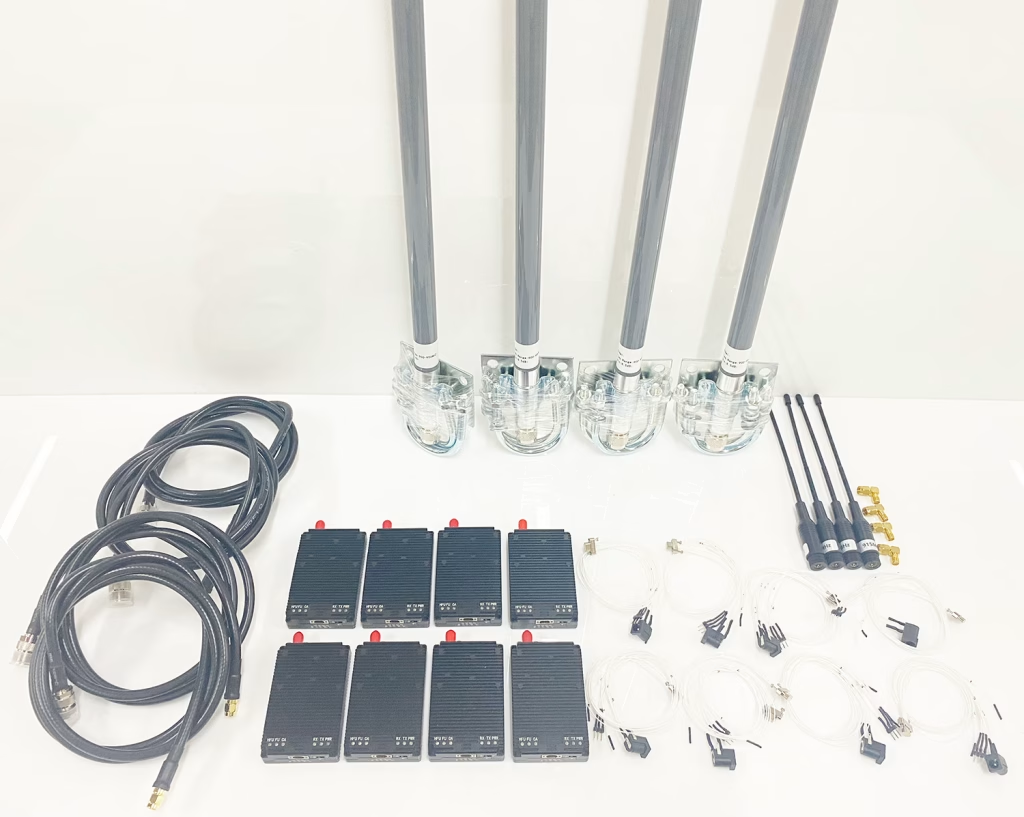
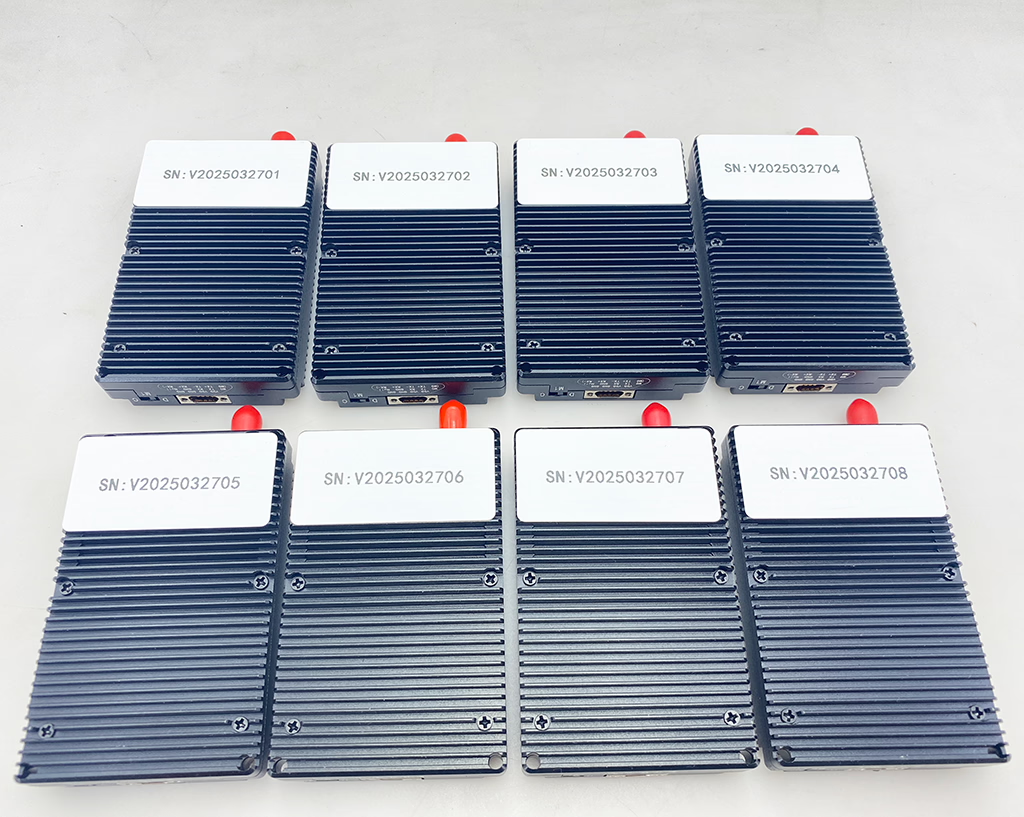
এখানে 20-ওয়াট অ্যামপ্লিফায়ারের চার সেট সম্পূর্ণ আনুষঙ্গিক 200 কিলোমিটার ড্রোন ওয়্যারলেস ডেটা লিঙ্ক. Please get the details at the Vcan2086 এখানে.
A drone with a 1.4 GHz wireless video data link TX900 may still require an additional 900 MHz data link Vcan2086 for several reasons:
- Separation of Control and Video - দ 1.4 GHz link is likely dedicated to ভিডিও ট্রান্সমিশন, which requires high bandwidth and low latency. একটি 900 MHz লিঙ্ক can serve as a separate control and telemetry channel, ensuring a reliable connection for commands and status updates.
- Better Penetration and Range – Lower frequencies like 900 মেগাহার্টজ আছে বাধার মধ্য দিয়ে ভালো অনুপ্রবেশ (গাছ, ভবন, প্রভৃতি) এবং দীর্ঘ পরিসীমা compared to higher frequencies. This makes it useful for maintaining control in challenging environments.
- Interference Management – If the 1.4 GHz ব্যান্ড is congested with video transmission, control signals on the same frequency could suffer from হস্তক্ষেপ. ব্যবহার 900 মেগাহার্টজ reduces the chance of signal degradation.
- Failsafe and Redundancy – If the 1.4 GHz link fails, দ্য 900 MHz লিঙ্ক can provide a backup for sending emergency commands, ensuring the drone can return to home or land safely.
- Bidirectional Communication - দ 900 MHz লিঙ্ক is often used for low-bandwidth telemetry data, sending flight status, ব্যাটারি স্তর, and GPS information back to the operator.
একটি 20-ওয়াট পরিবর্ধক for a 200-kilometer drone wireless data link requires a highly efficient RF system operating in a frequency band suitable for long-range communication. Here are some key considerations:
সুচিপত্র
1. Frequency Band Selection
- ইউএইচএফ (300 মেগাহার্টজ - 3 গিগাহার্টজ): Often used for long-range communication.
- এল-ব্যান্ড (1-2 গিগাহার্জ): Good for satellite and UAV communication.
- এস-ব্যান্ড (2-4 গিগাহার্জ): Common in military and commercial drone communications.
- সি-ব্যান্ড (4–8 GHz): Provides high bandwidth but may require more power.
- Ku/Ka Band (12–40 GHz): Used in high-data-rate applications but can be affected by atmospheric conditions.
2. Amplifier Power Requirements
- 20 ওয়াটস (43 dBm) আরএফ পাওয়ার আউটপুট is suitable for long-range transmission.
- Efficiency depends on antenna gain and environmental factors.
- High-power amplifiers (HPAs) or solid-state power amplifiers (SSPAs) are commonly used.
3. Antenna Considerations
- দিকনির্দেশক অ্যান্টেনা (ইয়াগি, Parabolic, or Phased Array) can maximize range.
- হাই-গেইন অ্যান্টেনা (20+ dBi) help compensate for free-space path loss.
4. সামঁজস্যবিধান & এনকোডিং
- OFDM, QAM, or DSSS are often used for high data rate and interference resistance.
- Error Correction Codes (এলডিপিসি, Turbo Codes) help maintain link integrity.
5. ডেটা রেট & অদৃশ্যতা
- Low Data Rates (10-100 কেবিপিএস) can be achieved at extreme ranges.
- উচ্চতর ডেটা হার (1-100 এম বি পি এস) require more power and optimal conditions.
6. পরিবেশগত & Regulatory Factors
- FCC/ITU Regulations dictate permissible power levels and frequencies.
- দর্শনীয় লাইন (দ্য) or Near-LOS is required for effective transmission.
- Weather Conditions (বৃষ্টি, Fog, Terrain Obstruction) can affect performance.
প্রশ্ন জিজ্ঞাসা কর
আপনার বার্তা প্রেরণ করা হয়েছে