







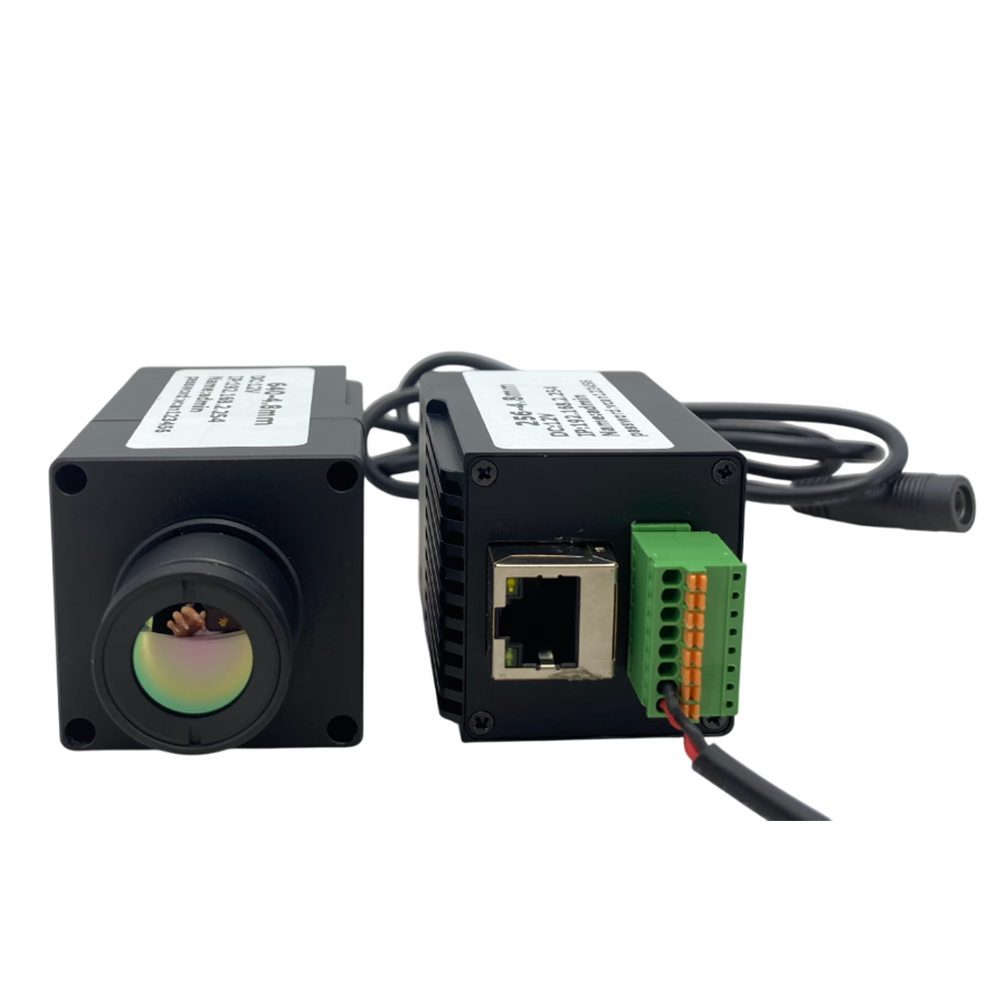
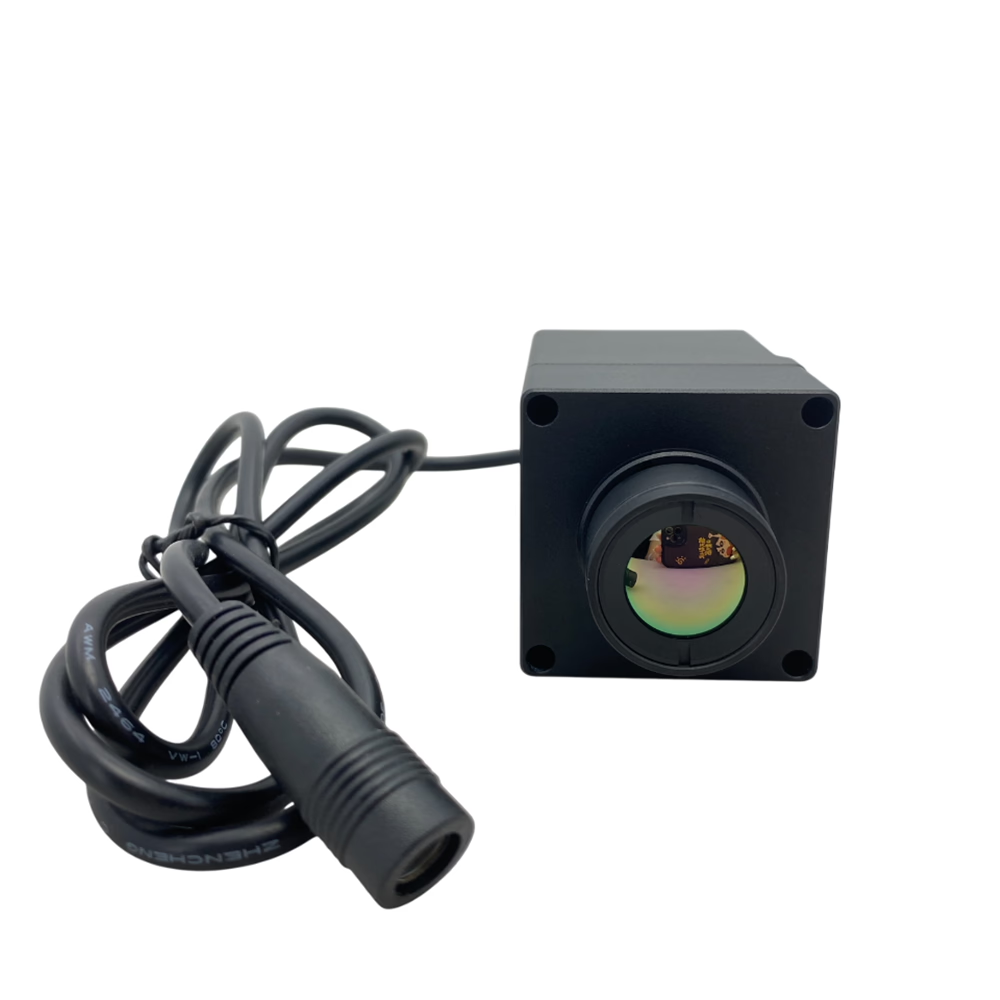
FPV Drone Heat Camera 640×512 IP Ethernet video stream output 4.8mm lens
สารบัญ
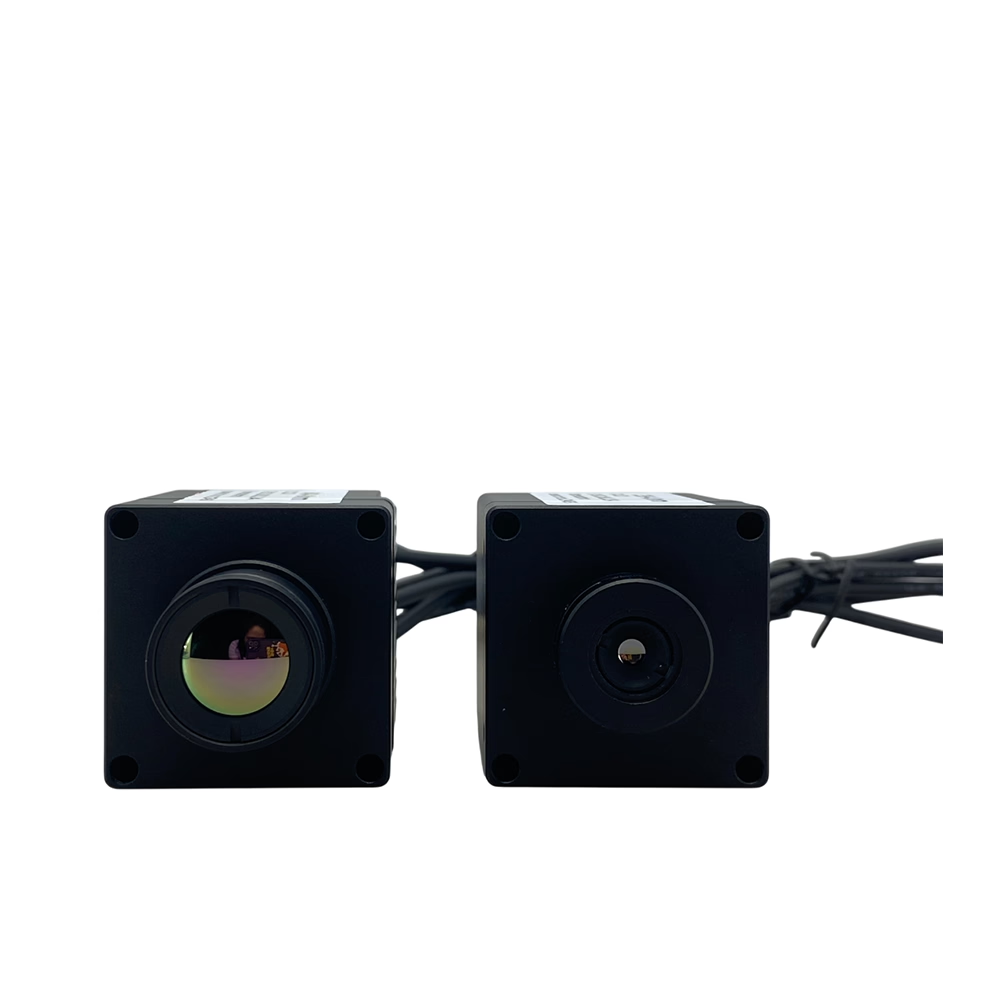
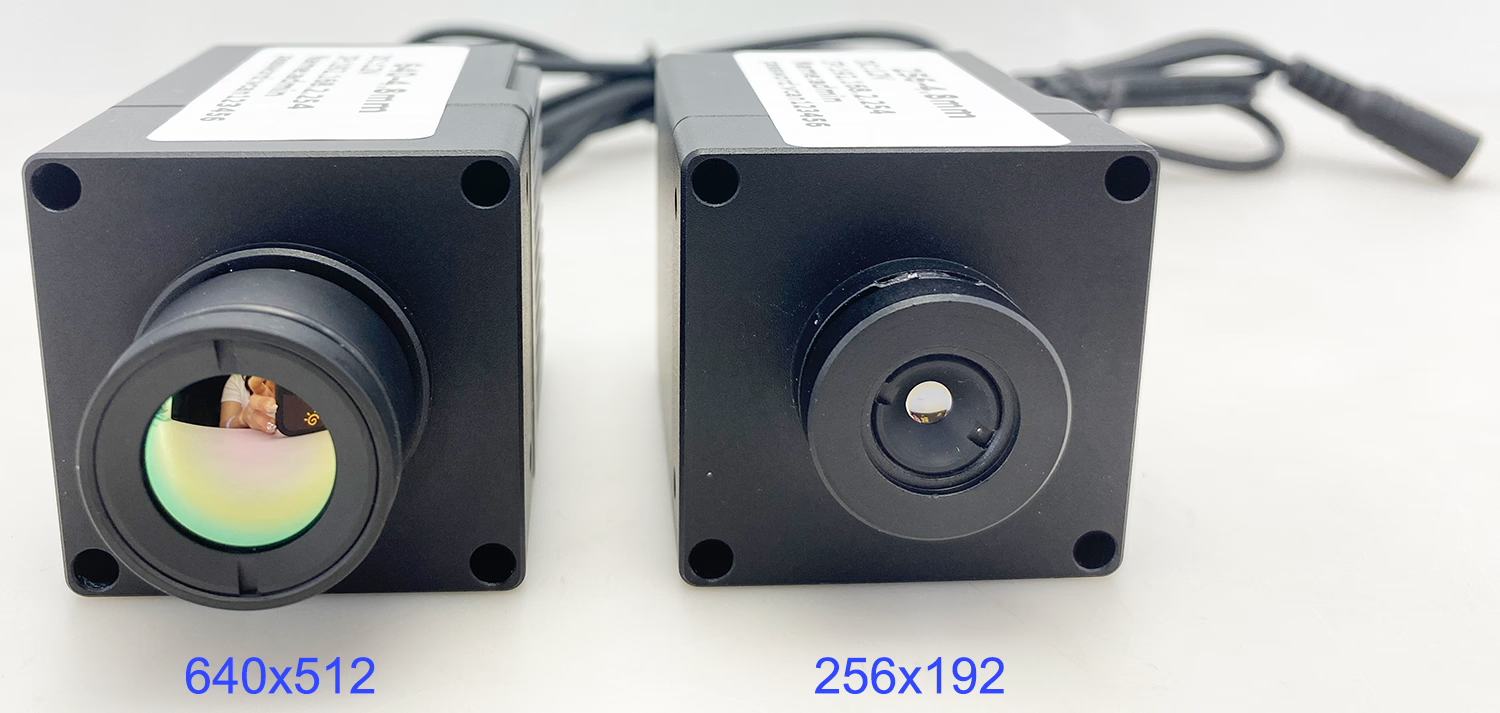
640X512 vs 256×192
มิติ
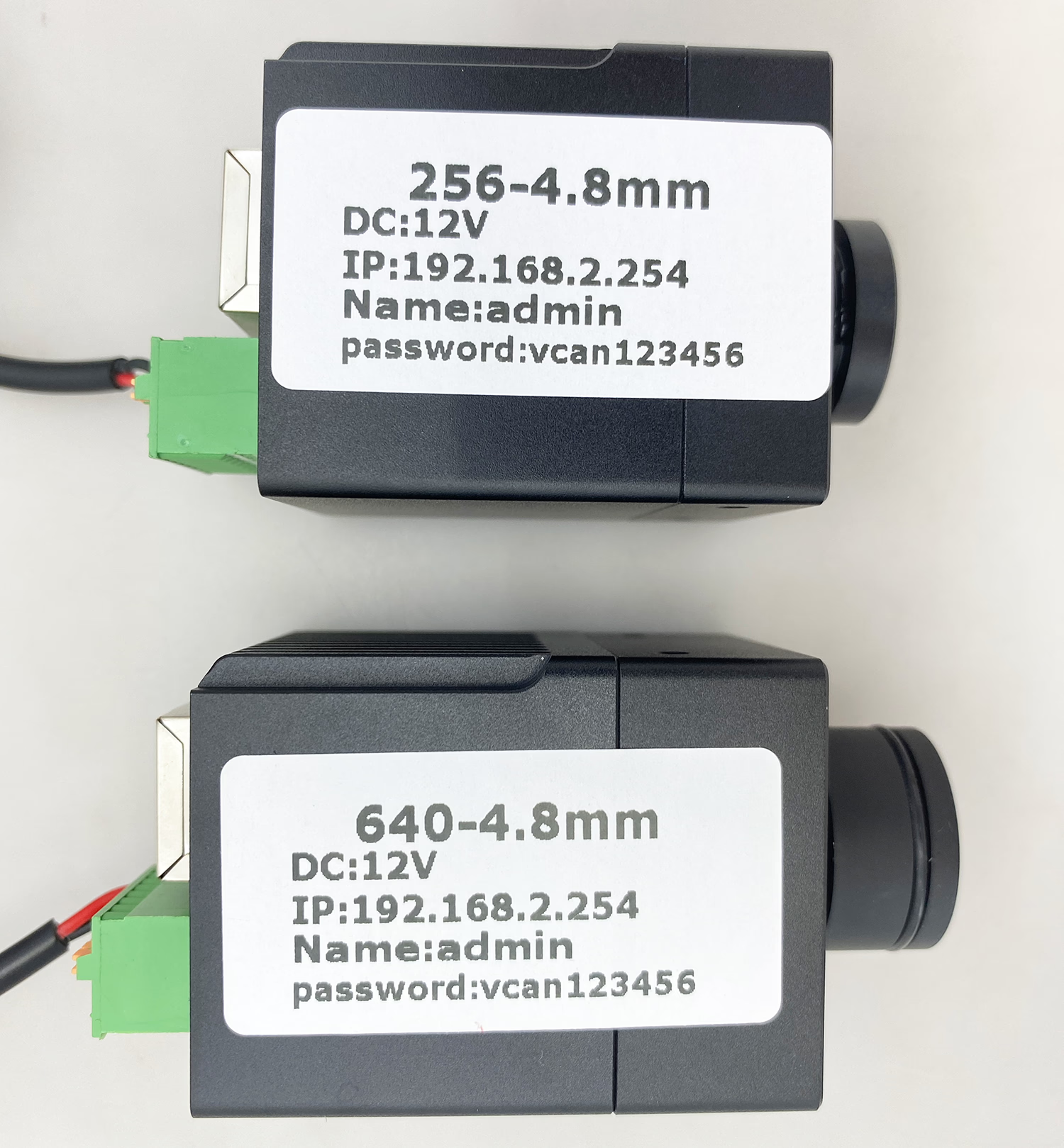
41x41x80mm
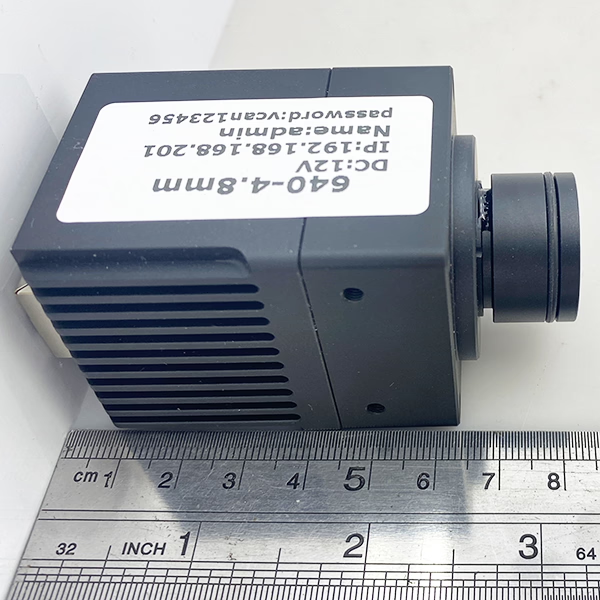
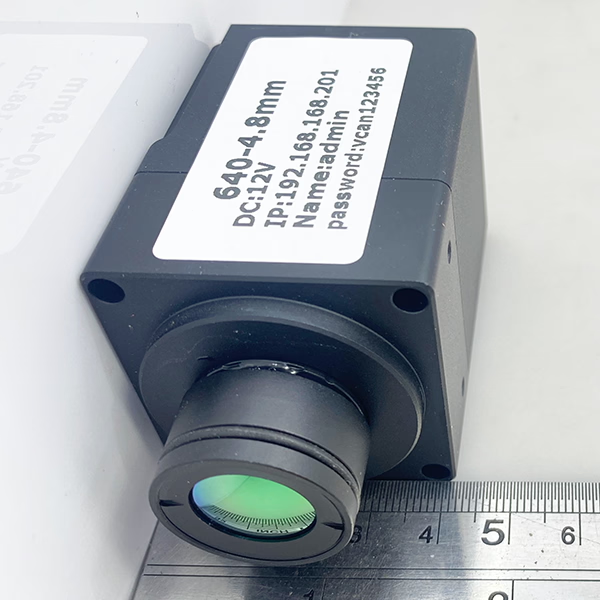
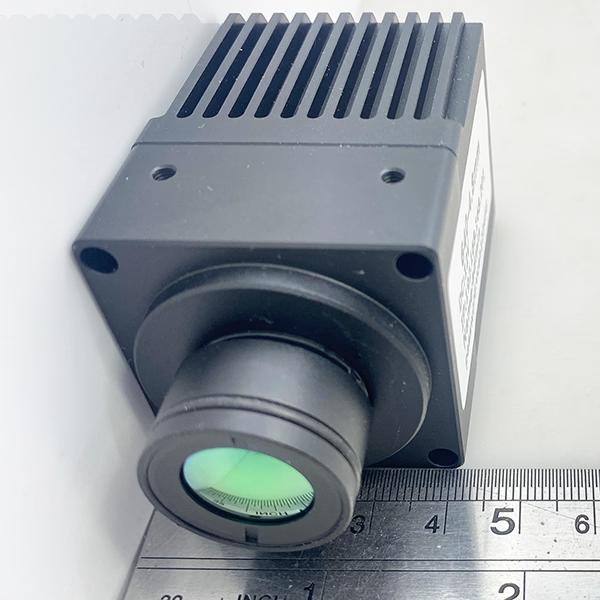
ตัวเลือกที่ปรับแต่งได้
-
มติ & Sensor Options
-
Upgrade to higher or lower thermal resolutions (เช่น, 320×256, 640× 512, 1024× 768).
-
Choice of different thermal sensor types (วอกซ์, FPA, uncooled/cooled).
-
-
Lens Customization
-
Different focal lengths (เช่น, 2.8มิลลิเมตร, 4.8มิลลิเมตร, 8มิลลิเมตร, 13มิลลิเมตร) for various field-of-view requirements.
-
Optional motorized zoom lenses for adjustable FOV.
-
-
เอาท์พุทวิดีโอ & อินเตอร์เฟซ
-
IP Ethernet streaming (ค่าเริ่มต้น) can be upgraded to HDMI, SDI, or analog CVBS.
-
RTSP, ONVIF, MJPEG, H.264/H.265 streaming protocols.
-
Dual output options (เช่น, อีเธอร์เน็ต + HDMI) for flexible integration.
-
-
Camera Housing & การติด
-
Custom gimbal compatibility (2-แกน, 3-แกน, stabilized for UAV use).
-
Ruggedized or weatherproof casing (IP66/IP67).
-
Lightweight or compact form factor for drone payload optimization.
-
-
อำนาจ & การเชื่อมต่อ
-
การปรับแต่งช่วงแรงดันไฟฟ้า (เช่น, 5-36V กระแสตรง).
-
Optional PoE (อำนาจเหนืออีเธอร์เน็ต) สนับสนุน.
-
Wireless transmission modules for short-range FPV or long-range telemetry.
-
-
Imaging Features & Software Options
-
Temperature measurement range and accuracy adjustments.
-
Palette options (ขาวร้อน, สีดำร้อน, รุ้ง, เหล็ก, เป็นต้น).
-
Video analytics or AI-based features (การตรวจจับวัตถุ, hot-spot tracking).
-
-
การรวมเข้าด้วยกัน & ควบคุม
-
ONVIF-compatible network integration for drones and ground stations.
-
Remote control of camera parameters (ได้รับ, exposure, จานสี) via IP.
-
Custom SDK/API for integration with mission planning software.
-
-
อุปกรณ์ & Optional Modules
-
Protective lens covers or filters.
-
Vibration isolation mounts.
-
GPS/IMU integration for geo-tagging thermal imagery.
-
คำถามที่พบบ่อย
Q: There are visible stains/spots on the camera image. Should I disassemble the camera to clean the lens internally?
ก: Before attempting any disassembly, we strongly recommend performing the following check:
- Open a web browser and enter the camera IP address: 192.168.168.201 หรือ 192.168.168.201 (please check the camera’s label)
- ไปที่ Audio and Video Settings หน้าหนังสือ
- Switch to a different color palette (เช่น, from white-hot to another mode)
- Check whether the same spots are still visible
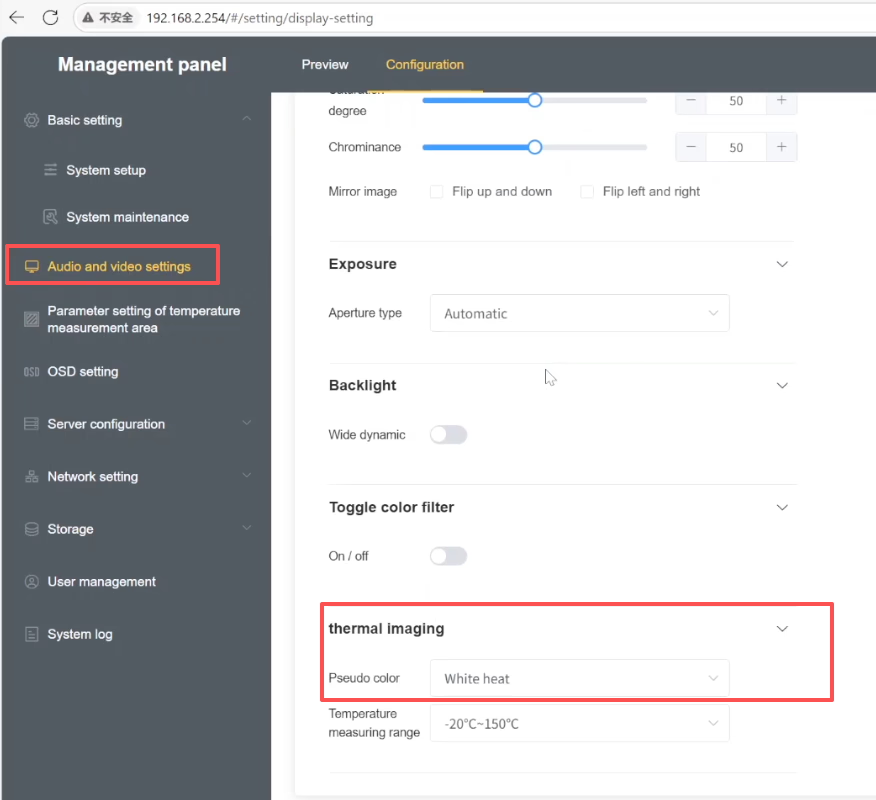
Why this is important:
- If the spots change or disappear, the issue is likely related to image rendering or display settings
- If the spots remain fixed in the same position, it may indicate lens contamination or sensor-related artifacts
Q: How can the thermal imaging camera lens be disassembled?
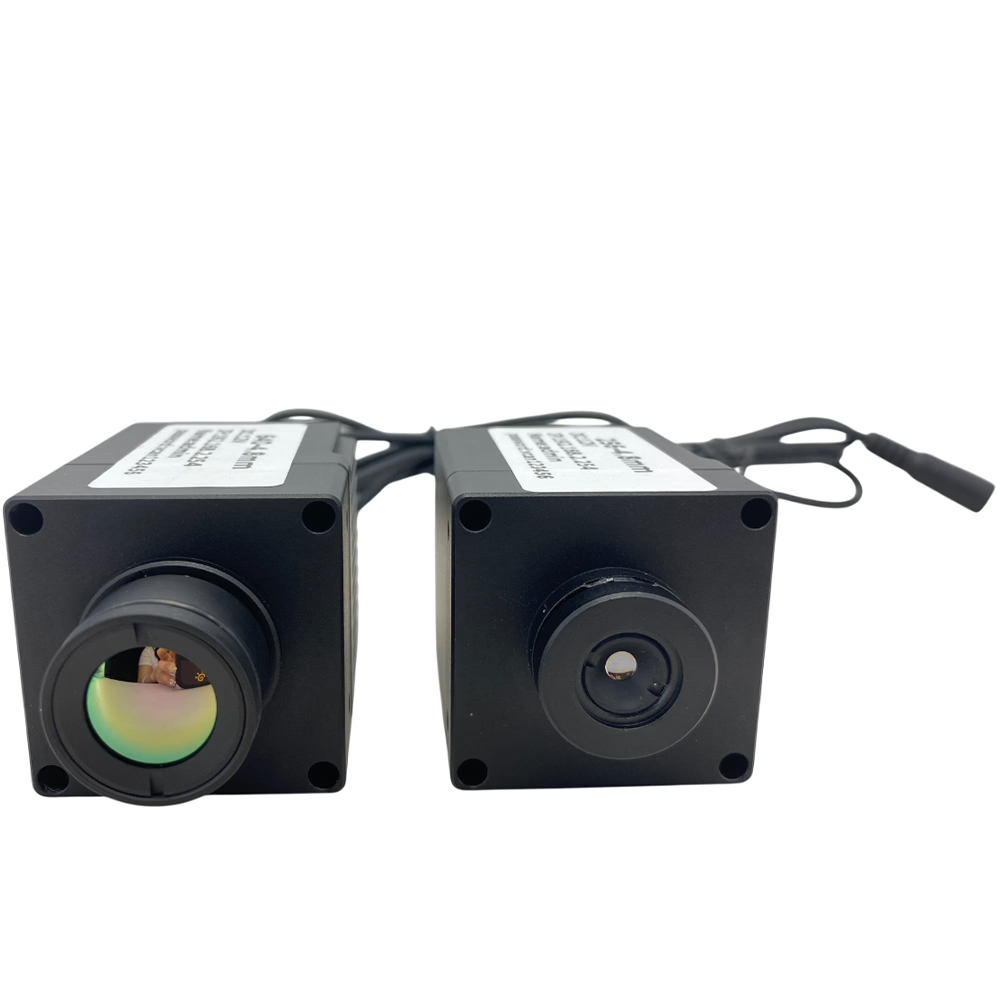
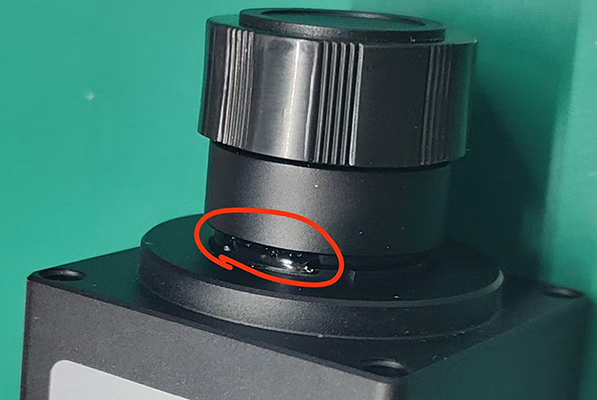
ก: If disassembly is required, please first remove the glue indicated in the image below. Once the adhesive is carefully removed, the camera lens can then be detached.
หมายเหตุเพิ่มเติม:
- Use appropriate tools and methods to soften or remove the adhesive (เช่น, mild heat or suitable solvent, depending on the glue type).
- Avoid applying excessive force, as this may damage the lens or internal components.
- Ensure that no adhesive residue enters the sensor or optical area during removal.
- Proceed carefully to maintain the integrity and alignment of the camera module.
***
- What is the key resolution of this FPV drone heat camera?
The FPV drone heat camera features a 640×512 resolution, which delivers detailed thermal images with clear distinction between temperature variations, making it ideal for precise detection. (380X288 and 256×192 เป็นทางเลือก)
- How does the 640×512 resolution benefit my FPV drone operations?
A 640×512 resolution provides more pixels than lower resolutions (380×288 or 256×192), resulting in sharper thermal details. This helps identify small objects or temperature anomalies even from a distance during FPV flights.
- What is the focal length of the lens on this FPV drone heat camera?
The lens has a 4.8mm focal length, optimized for balanced field of view and detail capture in FPV drone applications. (ยกเว้น 4.8 เลนส์มม., we also can offer you 9mm, 15มิลลิเมตร, 25มิลลิเมตร, 35มิลลิเมตร, 50mm or other size lens).
- What field of view does the 4.8mm lens offer for the FPV drone heat camera?
The 4.8mm lens provides a moderate field of view, perfect for mid-range inspections and tracking, allowing you to cover a decent area while maintaining thermal detail clarity.
- Can I replace the 4.8mm lens with a different one on this FPV drone heat camera?
This model is designed with a fixed 4.8mm lens for optimal integration with the FPV drone’s balance and thermal performance. Lens replacement is not recommended without professional modification.
- How does the IP Ethernet video stream output work with this FPV drone heat camera?
The IP Ethernet video stream output transmits thermal footage over a network, enabling real-time viewing on compatible devices (like monitors or laptops) via Ethernet connection, ensuring stable and secure data transfer.
- What equipment do I need to use the IP Ethernet video stream output of the FPV drone heat camera?
You’ll need an Ethernet cable, a compatible network switch or router, and a device with network capabilities (เช่น, a laptop or FPV ground station) to receive and display the video stream from the FPV drone heat camera.
- Is the IP Ethernet video stream output of this heat camera low-latency for FPV flying?
ใช่, the IP Ethernet video stream output is optimized for low latency, critical for FPV operations, ensuring you get real-time thermal feedback without noticeable delays that could affect control.
- What is the maximum range of the IP Ethernet video stream from the FPV drone heat camera?
The range depends on your network setup, but with a stable Ethernet connection (using extended cables or repeaters), the stream can reach typical FPV flight ranges, making it reliable for most outdoor operations.
- Can the 640×512 thermal images be streamed via the IP Ethernet output simultaneously with visible light footage?
ใช่, the system allows simultaneous streaming of 640×512 thermal images and visible light footage (if equipped) through the IP Ethernet output, giving you dual perspectives during FPV flights.
- What makes the 640×512 resolution better than lower resolutions in FPV drone heat cameras?
640×512 resolution captures 327,680 พิกเซล, offering 4x more detail than 320×240, making it easier to spot subtle temperature differences during FPV missions like search-and-rescue or inspections.
- Does the 4.8mm lens work well for close-up inspections with the FPV drone heat camera?
The 4.8mm lens is versatile—while not ultra-wide, it balances close-up detail and wider coverage, making it suitable for inspecting structures, เครื่องจักร, or wildlife from a moderate distance with the FPV drone.
- How does the FPV drone heat camera handle different lighting conditions with the 640×512 sensor?
The 640×512 thermal sensor is unaffected by visible light, so it works equally well in complete darkness, bright sunlight, หรือหมอก, ensuring consistent performance for FPV operations in any environment.
- Can the IP Ethernet video stream output be encrypted for secure transmission?
ใช่, the IP Ethernet video stream output supports encryption protocols, protecting your FPV drone’s thermal footage from unauthorized access during transmission.
- What is the video format of the IP Ethernet stream from the FPV drone heat camera?
The IP Ethernet video stream outputs in standard formats like H.264 or H.265, ensuring compatibility with most media players, FPV ground stations, and video management software.
- How much bandwidth does the IP Ethernet video stream output of the FPV drone heat camera require?
The bandwidth depends on resolution and frame rate, but typically ranges from 2-5 Mbps for the 640×512 stream, ensuring smooth transmission without overwhelming standard network setups.
- Is the FPV drone heat camera with 640×512 resolution suitable for industrial inspections?
อย่างแน่นอน. The 640×512 resolution captures fine thermal details, and the 4.8mm lens covers key areas, making it ideal for inspecting electrical panels, ท่อ, or roofs—all while streaming via IP Ethernet for real-time analysis.
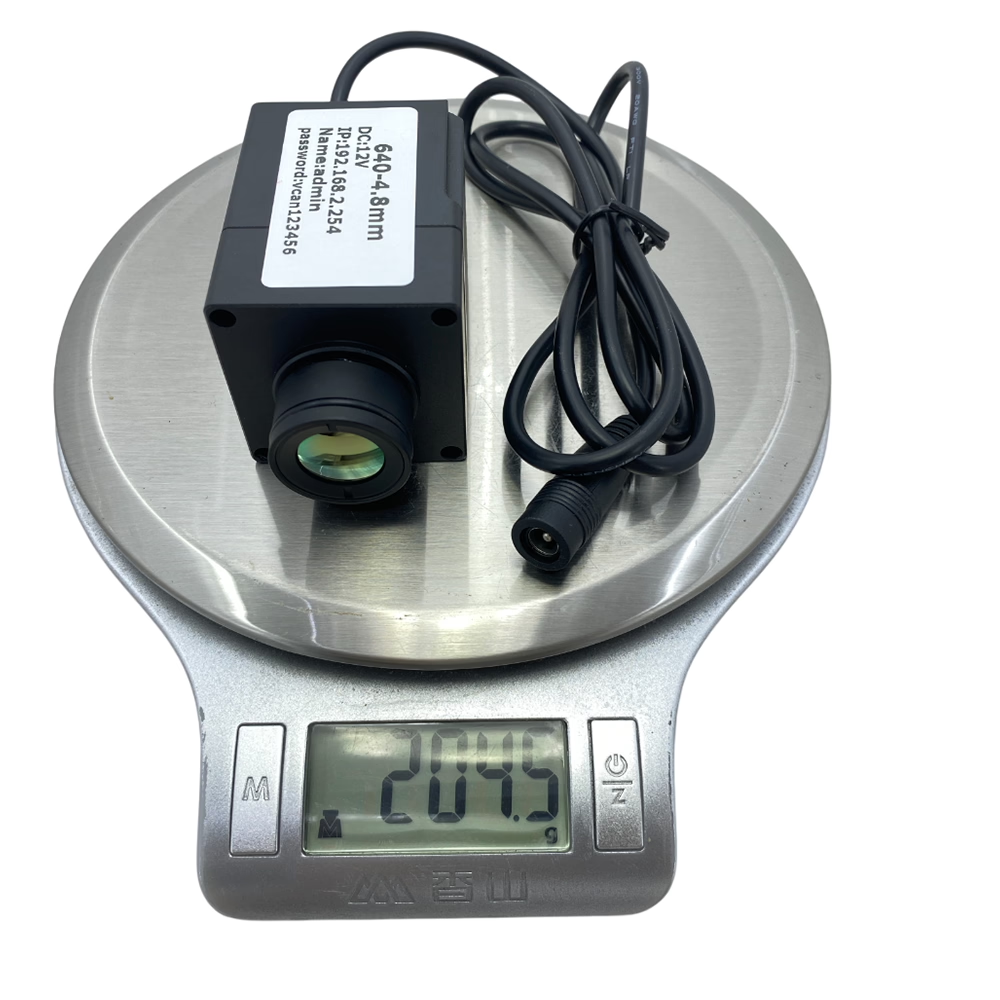
- What is the weight of the FPV drone heat camera with the 4.8mm lens and IP Ethernet module?
The total weight is designed to be lightweight 205 กรัม, minimizing impact on FPV drone agility and battery life while integrating the 640×512 sensor and Ethernet components.
- How does the 4.8mm lens affect the minimum focusing distance of the FPV drone heat camera?
The 4.8mm lens has a short minimum focusing distance (usually around 0.5m), allowing the FPV drone to capture clear thermal images of objects close to the camera, useful for detailed inspections.
- Can I record the IP Ethernet video stream from the FPV drone heat camera directly to a hard drive?
ใช่, most network video recorders (NVRS) or software like VLC can record the IP Ethernet stream, letting you save 640×512 thermal footage from your FPV drone missions for later analysis.
- What is the frame rate of the 640×512 thermal stream from the FPV drone heat camera?
The camera outputs 640×512 thermal footage at up to 30fps, ensuring smooth motion in the IP Ethernet stream—critical for tracking moving objects during FPV flights.
- Does the 4.8mm lens have any anti-glare features for the FPV drone heat camera?
The lens is coated to reduce glare from reflective surfaces, ensuring the 640×512 thermal images remain clear even when the FPV drone flies over water, โลหะ, or glass.
- How compatible is the IP Ethernet video stream output with FPV ground control stations?
It’s highly compatible—most modern FPV ground stations support IP-based video inputs, allowing seamless integration of the 640×512 thermal stream for real-time monitoring and control.
- Can the FPV drone heat camera with 640×512 resolution detect temperature differences as small as 0.1°C?
ใช่, this model offers high thermal sensitivity (often <0.05° C), so even with the 640×512 resolution, it can detect tiny temperature variations—ideal for precision tasks like electrical fault detection.
- What is the advantage of using IP Ethernet over Wi-Fi for video streaming from the FPV drone heat camera?
IP Ethernet provides lower latency, ความมั่นคงที่สูงขึ้น, and longer range than Wi-Fi, ensuring the 640×512 thermal stream from your FPV drone remains uninterrupted, แม้ในสภาพแวดล้อม RF ที่หนาแน่น.
- How does the 4.8mm lens perform in low-visibility conditions (เช่น, smoke or fog) with the FPV drone heat camera?
การถ่ายภาพความร้อน (aided by the 640×512 sensor) penetrates smoke and fog effectively, and the 4.8mm lens maintains a clear view, making the FPV drone valuable for search-and-rescue in harsh weather.
- Can I adjust the IP Ethernet stream settings (เช่น, บิตเรต) of the FPV drone heat camera?
ใช่, you can adjust bitrate, ความละเอียด, and frame rate via the camera’s web interface or companion app, tailoring the IP Ethernet stream to your FPV drone’s network capabilities.
- Is the 640×512 sensor in the FPV drone heat camera radiometric (measures absolute temperature)?
ใช่, it’s radiometric, meaning the 640×512 thermal data includes precise temperature values for each pixel—useful for quantitative analysis during FPV inspections (เช่น, measuring equipment temperatures).
- What materials is the 4.8mm lens made of, and is it durable for FPV drone use?
The lens is made of rugged, impact-resistant glass, designed to withstand vibrations and minor collisions during FPV flights, protecting the 640×512 sensor inside.
- How do I set up the IP Ethernet connection for the FPV drone heat camera for the first time?
Connect the camera to your drone’s Ethernet port (or a network adapter), configure the IP address via the camera’s settings, and link it to your ground station—detailed guides are included to get the 640×512 stream running quickly.
- Can the FPV drone heat camera with 640×512 resolution be used for agricultural purposes, like crop health monitoring?
อย่างแน่นอน. The 640×512 resolution captures large crop areas, while thermal imaging identifies water stress or disease—paired with the 4.8mm lens, it’s perfect for covering fields efficiently during FPV flights.
- What is the maximum cable length for the IP Ethernet video stream from the FPV drone heat camera?
Using Cat5e/Cat6 cables, you can extend the Ethernet connection up to 100m without signal loss, letting your FPV drone fly further while maintaining a stable 640×512 thermal stream.
- Does the 4.8mm lens cause distortion in the thermal images from the FPV drone heat camera?
Minimal distortion—lens calibration ensures the 640×512 thermal images are geometrically accurate, so measurements (เช่น, object size) taken from FPV drone footage are reliable.
- Can I overlay the 640×512 thermal stream with GPS data from the FPV drone via the IP Ethernet output?
ใช่, the camera supports data overlay, so GPS coordinates, ความสูง, and timestamp can be embedded in the IP Ethernet stream—useful for mapping and documenting FPV mission data.
- How does the FPV drone’s battery life change when using this heat camera with 640×512 resolution and IP Ethernet?
The camera is energy-efficient, adding only ~5-10% to battery usage. Most FPV drones maintain 15-25 minutes of flight time, even with the 4.8mm lens and Ethernet module.
- What is the operating temperature range of the FPV drone heat camera with 4.8mm lens?
It operates reliably from -20°C to 60°C, ensuring the 640×512 sensor and IP Ethernet components work in extreme environments—from cold winters to hot deserts.
- Can the IP Ethernet video stream from the FPV drone heat camera be accessed remotely via the internet?
ใช่, with proper network configuration (การส่งต่อพอร์ต), you can access the 640×512 thermal stream from anywhere, allowing remote monitoring of FPV drone missions.
- How does the 640×512 resolution compare to 384×288 in terms of storage for FPV drone footage?
640×512 footage requires ~2x more storage than 384×288 at the same frame rate, but the detail is worth it—use high-capacity SD cards or network storage for your FPV drone’s thermal recordings.
- Is the 4.8mm lens waterproof, allowing the FPV drone heat camera to fly in rain?
ใช่, the lens and camera body are IP67-rated, making them waterproof and dustproof—safe for FPV drone flights in rain or wet conditions while maintaining 640×512 thermal performance.
- What software is recommended to analyze the IP Ethernet video stream from the FPV drone heat camera?
Software like FLIR Tools, Thermal Studio, or open-source tools (เช่น, QgroundControl) work well—they let you analyze 640×512 thermal data, measure temperatures, and generate reports from FPV drone footage.
- Can the FPV drone heat camera switch between 640×512 thermal and visible light modes via the IP Ethernet stream?
ใช่, if equipped with a dual-sensor setup, you can toggle between thermal (640× 512) and visible light via the stream, giving you flexible viewing options during FPV flights.
- How does the 4.8mm lens affect the drone’s center of gravity?
The lens is lightweight and centrally mounted, so it doesn’t disrupt the FPV drone’s balance—critical for stable flight when capturing 640×512 thermal footage.
- What is the latency of the IP Ethernet video stream from the FPV drone heat camera to the ground station?
โดยทั่วไปแล้วเวลาในการตอบสนองคือ <100นางสาว, which is negligible for FPV flying, ensuring the 640×512 thermal feed matches the drone’s real-time movement.
- Can the 640×512 thermal images from the FPV drone heat camera be exported in standard formats (เช่น, JPEG, CSV)?
ใช่, the IP Ethernet stream supports exporting 640×512 images as JPEG and temperature data as CSV, making it easy to share or analyze FPV drone mission results.
- Does the 4.8mm lens require regular calibration for the FPV drone heat camera?
ไม่, it’s factory-calibrated, and the camera auto-calibrates periodically, ensuring the 640×512 thermal measurements remain accurate throughout the FPV drone’s lifespan.
- How secure is the IP Ethernet connection—can unauthorized users access the FPV drone’s thermal stream?
The connection is secure with password protection, HTTPS encryption, and MAC filtering, preventing unauthorized access to the 640×512 thermal data from your FPV drone.
- What is the maximum altitude the FPV drone can reach while maintaining a stable IP Ethernet video stream?
It depends on the drone’s capabilities, but the Ethernet stream remains stable up to typical FPV altitudes (เช่น, 400ม.), with the 640×512 thermal feed unaffected by height.
- Can the FPV drone heat camera with 640×512 resolution track moving objects automatically?
ใช่, it features built-in motion detection and tracking, using the 4.8mm lens and 640×512 sensor to lock onto moving targets—useful for wildlife monitoring or security patrols.
- How easy is it to replace the Ethernet cable if it gets damaged on the FPV drone heat camera?
The Ethernet port uses a rugged, detachable connector, making cable replacement simple—no special tools needed to keep the 640×512 thermal stream running.
- What warranty is included with the FPV drone heat camera (including 640×512 sensor, 4.8เลนส์มม., and IP Ethernet components)?
It comes with a 2-year warranty covering defects in the 640×512 sensor, 4.8เลนส์มม., and Ethernet module, ensuring reliable performance for your FPV drone operations.





iVcan.com –
This FPV thermal camera is an absolute game-changer! The crystal-clear 640×512 resolution combined with the rock-solid IP Ethernet video stream makes interpreting thermal data effortless in real-time, even during complex maneuvers. The 4.8mm lens provides the perfect wide field of view for navigation and target acquisition without sacrificing critical detail. Setup via Ethernet was incredibly straightforward, delivering a reliably stable feed far superior to analog options I’ve tried. The image detail is stunningly sharp, allowing me to instantly distinguish subtle temperature differences critical for search & ช่วยเหลือหรือตรวจสอบ. It transforms night flying and low-visibility operations into a confident, highly effective experience. Highly recommend for serious professional FPV thermal work!