






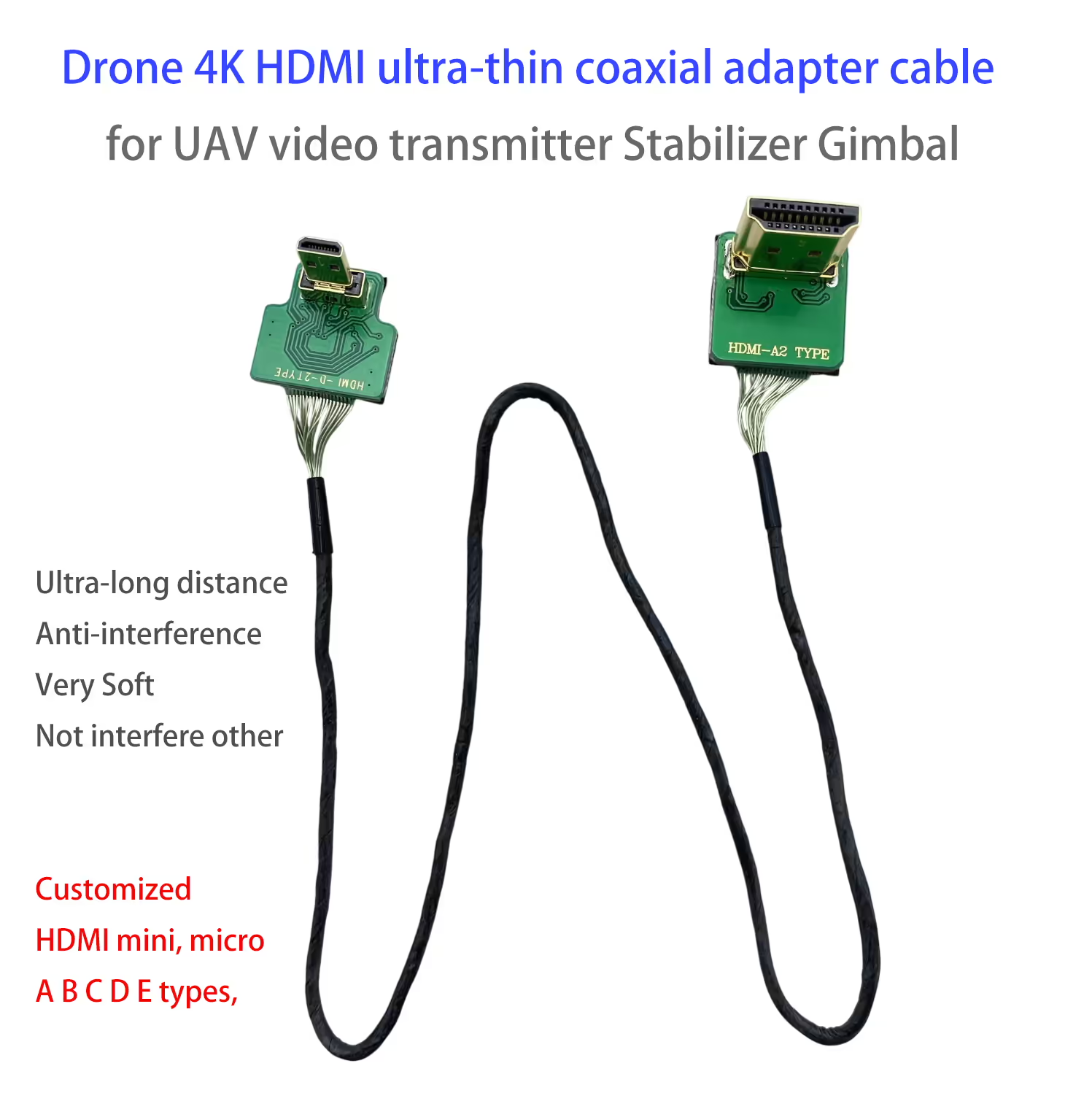
כבל מתאם קואקסיאלי דק במיוחד של Drone 4K HDMI למשדר וידאו UAV מייצב גימבל
תוכן העניינים
מבוא
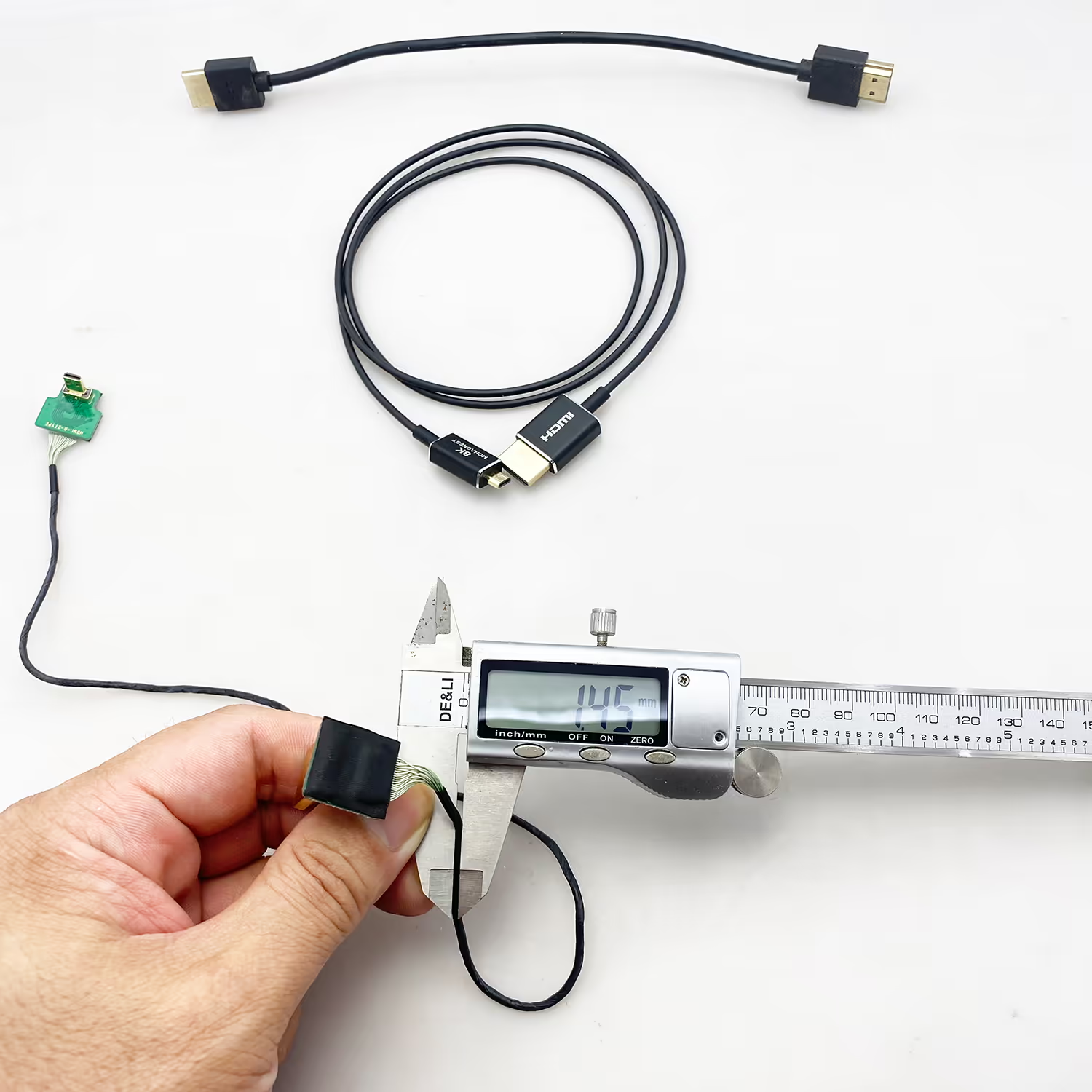
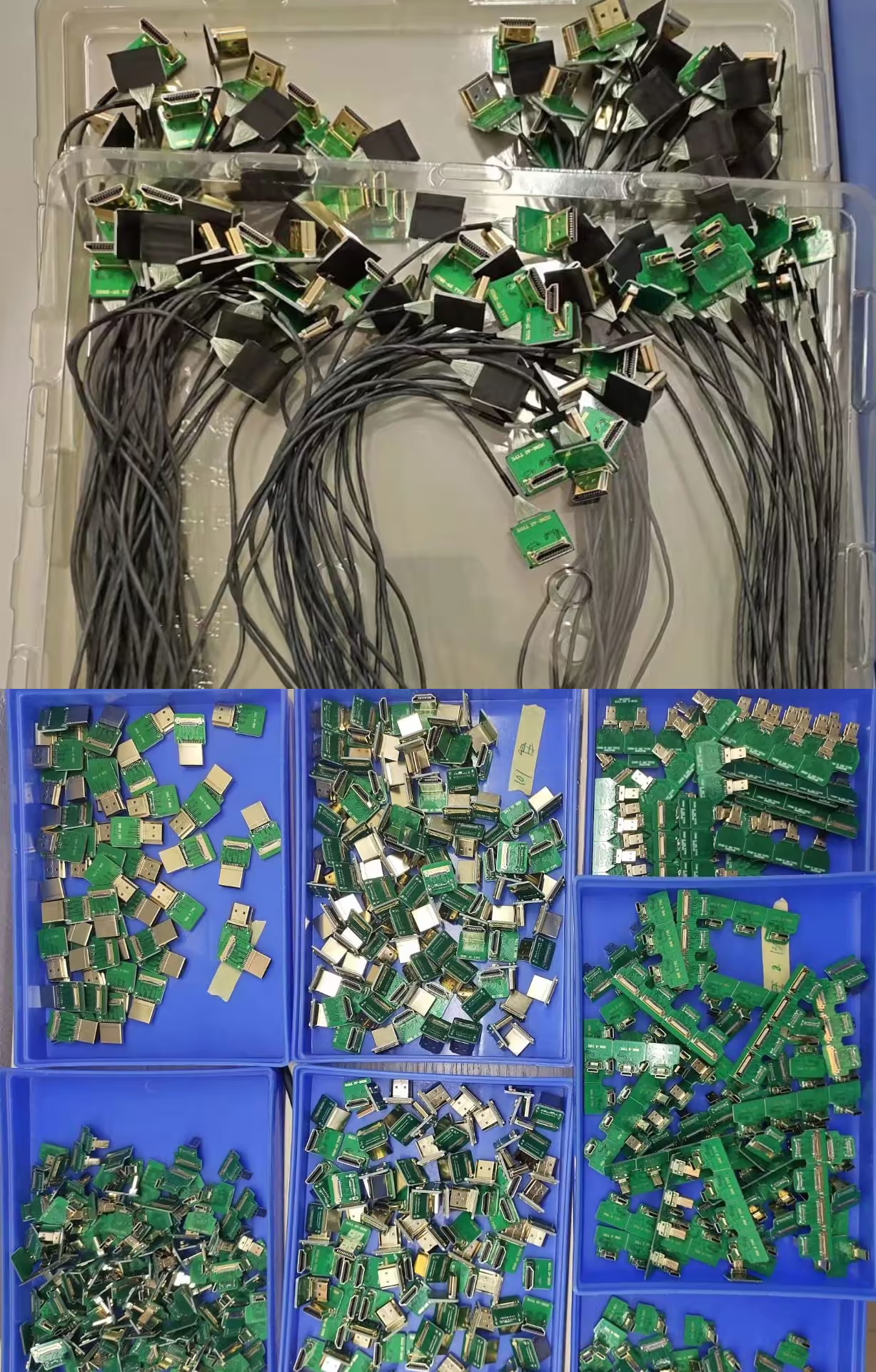
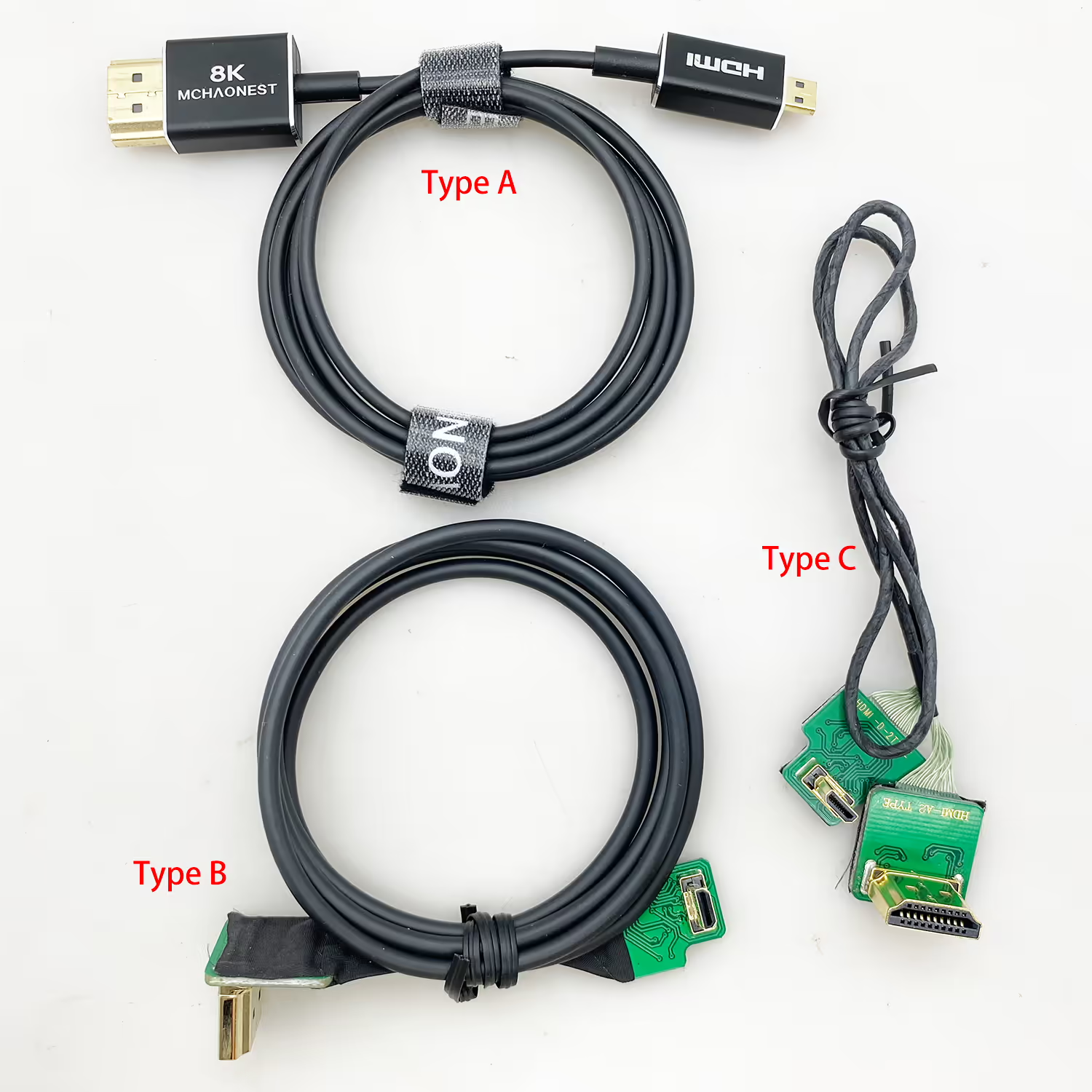
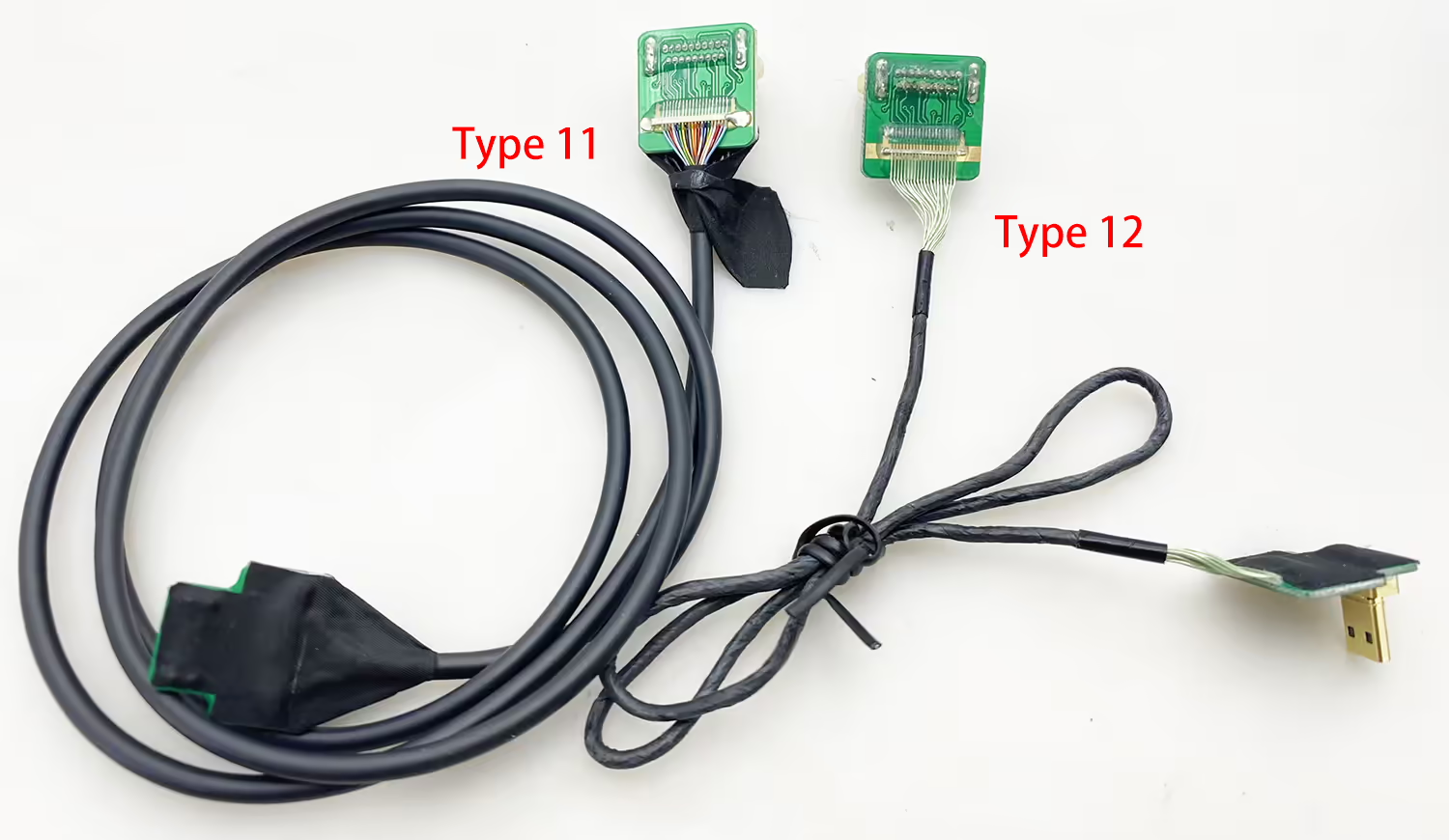
An ultra-thin high-definition HDMI adapter cable designed specifically for drone applications, with a total diameter of less than 2mm, is covered with nano-materials, is highly flexible, easy to route, and does not interfere with the gimbal. The single signal line uses shielded wire imported from Japan to minimize the interference of high-power wireless signals on HDMI signals. The HDMI limit number of all adapter boards is equal to ensure signal integrity and support the conversion between various HDMI interfaces.
מאפיינים
The L-shaped interface, when inserted into the image transmission interface, saves space, prevents detachment, and boasts high reliability.
The L-shaped interface, designed for the GoPro camera, saves space, is highly reliable, and won’t disrupt the gimbal.
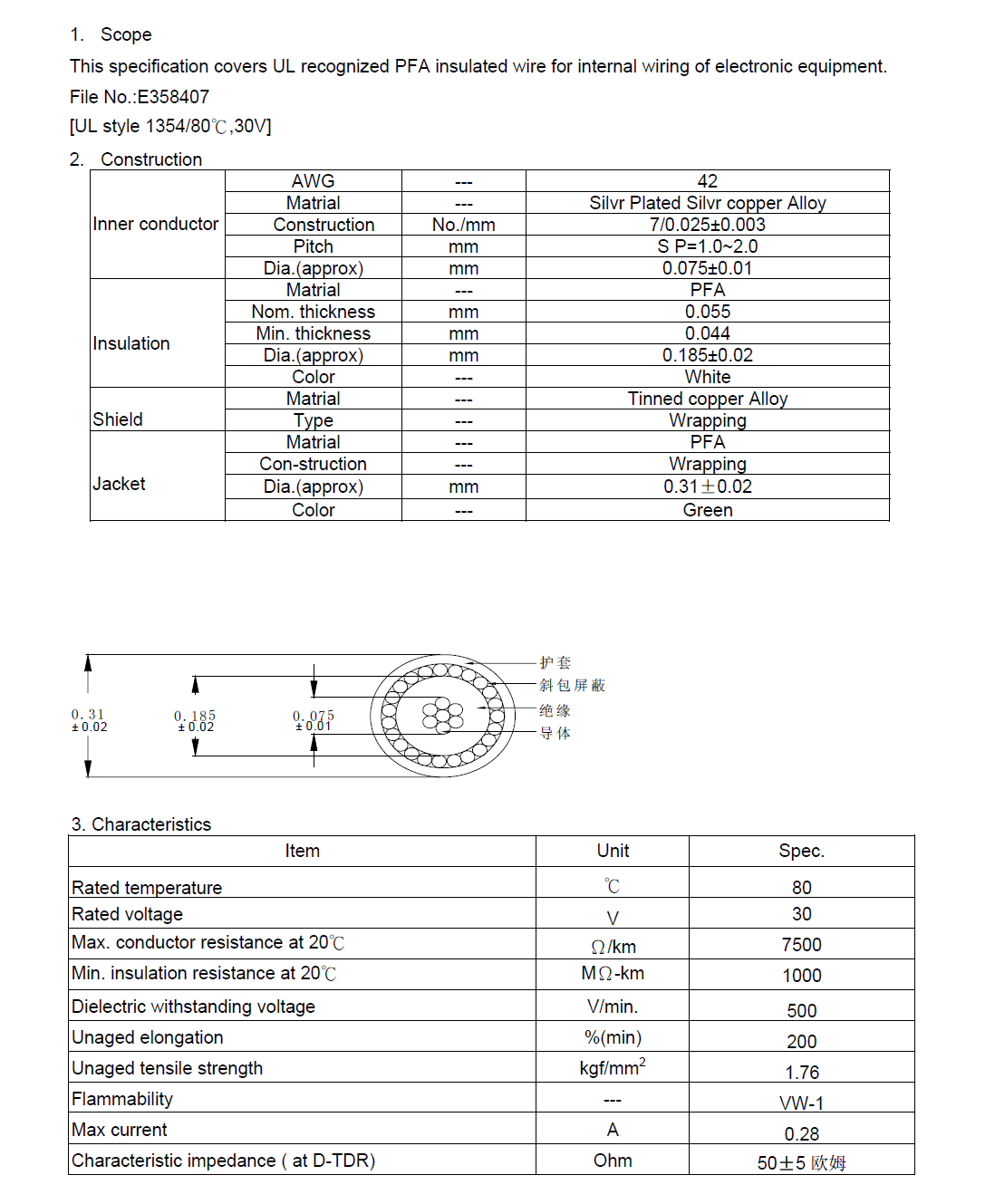
More about ultra-tiny coaxial cable
- עכבה אופיינית
- Characteristic impedance has nothing to do with frequency and depends entirely on the inductance and capacitance of the cable, which depends on the conductor material, the medium between the inner and outer conductors, and the diameter of the inner and outer conductors.
- Because of the influence of uneven dimensional accuracy and dielectric material purity in manufacturing, the characteristic impedance of coaxial cables used in cable TV systems is required to be 75Ω, but the characteristic impedance of coaxial cables actually used is usually (75±5)הו.
- לָכֵן, in order to prevent signal energy reflection and achieve good transmission effect, the terminal load impedance should also be as equal to the characteristic impedance of the cable as possible.
- Shielding characteristics
- Shielding characteristics are an important parameter to measure the anti-interference ability of coaxial cables, and are also an important parameter to measure the leakage prevention of coaxial cables. Poor shielding will affect the quality of the signal.
- Attenuation characteristics
- The attenuation characteristics of coaxial cables are usually expressed by attenuation constants, the number of decibels of signal attenuation per unit length (such as 100m) of cable. The attenuation of signals transmitted in coaxial cables is related to the size, dielectric constant, and operating frequency of the coaxial cables. The attenuation constant is proportional to the square root of the signal’s operating frequency. The higher the frequency, the larger the attenuation constant, and the lower the frequency, the smaller the attenuation constant.
- Service life of the cable
- After a period of use, the material will age, the conductor resistance will increase, the leakage current of the insulating medium will increase, and the attenuation constant will increase. לָכֵן, the service life of the general cable is about 7 ל 20 שנים.
- Temperature coefficient
- The temperature coefficient shows the influence of temperature changes on the characteristics of the cable. As the temperature rises, the cable loss increases, and as the temperature decreases, the cable loss decreases.
- Power supply voltage compatibility as low as 2V
- Low noise
- High noise suppression capability
- Reliable signal transmission
- Can be integrated into system-level ICs
- The data rate of products using LVDS technology can range from hundreds of 1Mbps to 2Gbps.
- It is current-driven, and a voltage is got by placing a load at the receiving end. When the current flows in the forward direction, the output of the receiving end is 1, ולהיפך.
- Its swing is 250mv-450mv.
- This technology is based on the ANSI/TIA/EIA-644LVDS interface standard.


ביקורות
אין ביקורות עדיין.